Overview
Switzerland is where solid milk chocolate was invented, in 1875, and it still has a large chocolate industry and one of the strongest cheese traditions in the world. For a visitor, that means two kinds of outing: a factory or museum visit, and a day among the cows and cheesemakers of Gruyères or the Emmental. It also means one of the easiest souvenir shopping lists in Europe, as long as you know what survives the flight and what the US border allows.
This page covers the main chocolate traditions, the factory tours we can describe with confidence, the cheese regions and their dairies, what to buy and where, tasting manners, and the rules for bringing food home. If you want the cooked side of Swiss cheese, with fondue and raclette, see Swiss Food and Fondue. For wine and other drinks, see Wine and Drinks.
Swiss chocolate: the main traditions
Swiss chocolate is known for being smooth and milky. Dairy is the link between the two halves of this page: Swiss milk and cream go into the chocolate, and the same pastures feed the cows that give the cheese milk. The first solid milk chocolate came out of Switzerland in 1875, and the country has been tied to chocolate ever since. What you see in shops falls into a few types.
- Milk chocolate bars: the classic. Plain, with hazelnuts, with almonds, with raisins or with a cream filling. These are the bars you find at every supermarket.
- Dark chocolate: available everywhere, often labeled with the cocoa percentage. Smaller producers sell bars from a single origin.
- Truffles: a soft, melting filling of ganache (chocolate and cream), usually rolled in cocoa or covered in a thin shell. They are fragile and the best are sold fresh.
- Pralines (Pralinés): bite-size filled chocolates, from hazelnut paste to caramel to liqueur. Specialty shops sell them by weight or in boxes.
- Chocolate for drinking: hot chocolate in cafes is often made with real chocolate and milk, and it is thick. See Wine and Drinks for coffee, hot chocolate and other drinks.
Switzerland also has local specialties that use chocolate in a surprising way. A green-colored chocolate and shortcrust pastry called carac is a Geneva bakery item, and a walnut pie with chocolate, gâteau bullois, comes from the Gruyère area. On the Geneva calendar, the Escalade festival (December 11 to 13, 2026) features a chocolate cauldron that is smashed in a ritual.
We do not rank brands. The names you will meet include large makers with their own visitor attractions and small chocolatiers in every old town. Judge by taste: buy one or two bars from different makers and compare them yourself.
Chocolate factory tours and visitor attractions
Lindt Home of Chocolate
A large museum and shop on Lake Zurich, with a tall chocolate fountain, a story of cocoa and Swiss chocolate-making, and tastings. The museum is open daily from 10 a.m. to 7 p.m., with the last entry slot at 5:30 p.m. and the shop and cafe open the same hours. It is closed on December 25 and 26 and January 1, and open until 4 p.m. on December 24 and 31 (as of November 2026). Tickets: adults CHF 17 (about $20), students over 16 and pensioners CHF 15 (about $18), CHF 10 (about $12) for children aged 8 to 15, and ages 0-7 free. Lindt asks you to book online in advance because of high demand.
Maison Cailler
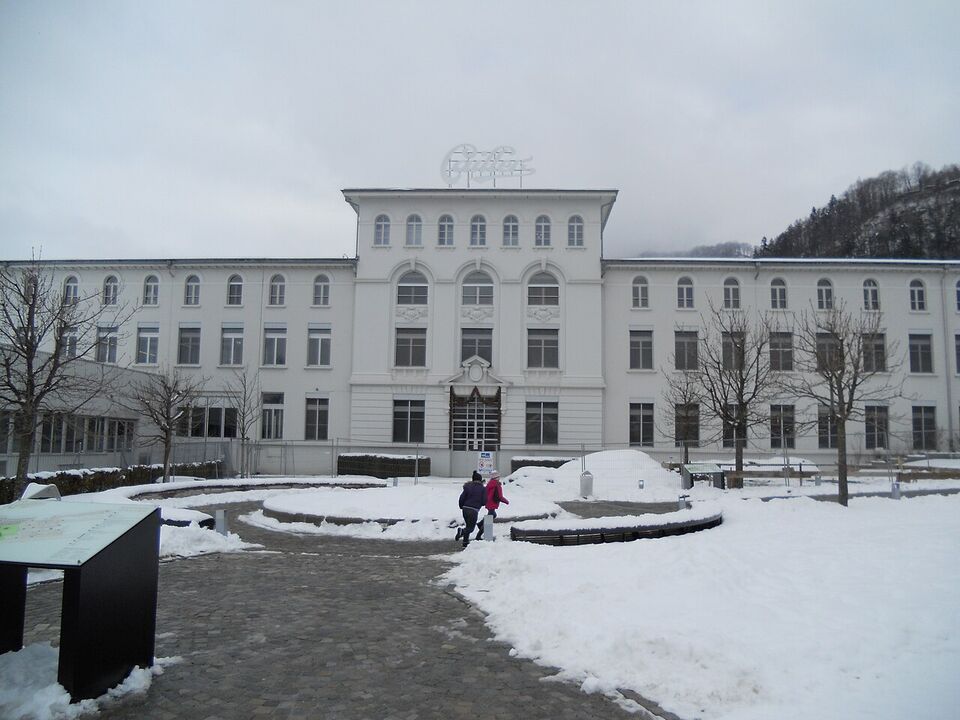
A chocolate factory and visitor center in the village of Broc, a short trip from Gruyères. It is a popular partner for a day that includes cheese. We could not read the official page when we checked in November 2026, so we cannot confirm hours, prices or booking rules. Check the official Cailler site before you build a day around it, and book if the site asks you to.
Chocolate courses and workshops
Lindt lists walk-in chocolate courses: masterpiece chocolate bars for CHF 32 (about $38) and chocolate figures and lollipops for CHF 40 (about $48). Check availability and age limits on the Lindt site. Other makers and city chocolate shops run tastings and workshops too, and the local tourist office will know what is running.
How to visit the Lindt Home of Chocolate
The museum is in Kilchberg, on the left shore of Lake Zurich just south of the city. It is reached by public transport from Zurich, and the Swiss Travel Pass and rail cards cover rail and many local routes, but check the SBB app for the connection and the day’s timetable. Lindt’s address is Schokoladenplatz 1, 8802 Kilchberg. If you drive, its car park is CHF 1 (about $1.20) per half hour up to CHF 50 (about $60) a day. Public guided tours and private tours are available at CHF 13 to 30 (about $15 to $36) and CHF 13 to 35 (about $15 to $42) respectively, according to Lindt. Advent weekends bring a special program, so expect crowds in December. See the Zurich guide for the rest of your day.
Insider tip
Do not arrive hungry for a main meal and expect the tasting to fill you. The tastings are samples. Plan lunch before or after, and keep the tastings for the end of your visit so that your palate is fresh for the first one.
Gruyères: the village, the castle and the dairy
Gruyères is a small walled hilltop village in the canton of Fribourg, in French-speaking Switzerland. The castle there, Château de Gruyères, is open from 10 a.m. to 5 p.m. in November (check the castle’s site for the current hours and any closing days). From November 21, 2026 to January 10, 2027, it hosts an exhibition called “The Great Christmas.” We could not confirm the ticket price, so check the castle’s official site.
The cheese dairy is not in the village itself. La Maison du Gruyère, the show dairy, is in Pringy-Gruyères, at Place de la Gare 3, close to the Gruyères station and below the village. It combines an interactive exhibition, a view of cheesemaking, a restaurant and a shop. Its site lists the cheesemaking times and the opening hours, but we could not load the English page when we checked, so confirm the times and prices on the official site before you plan around watching the cheese being made. Cheesemaking happens at set times, so check them and do not arrive late.
Getting to Gruyères is easiest by train from Fribourg or from the Lake Geneva shore around Montreux, often with a change at Bulle. Check the SBB app for the current connection. A day that combines Montreux or Lausanne, Gruyères and Broc fits a long day trip. See Lausanne and Montreux and day trips.
The cheeses: what to know
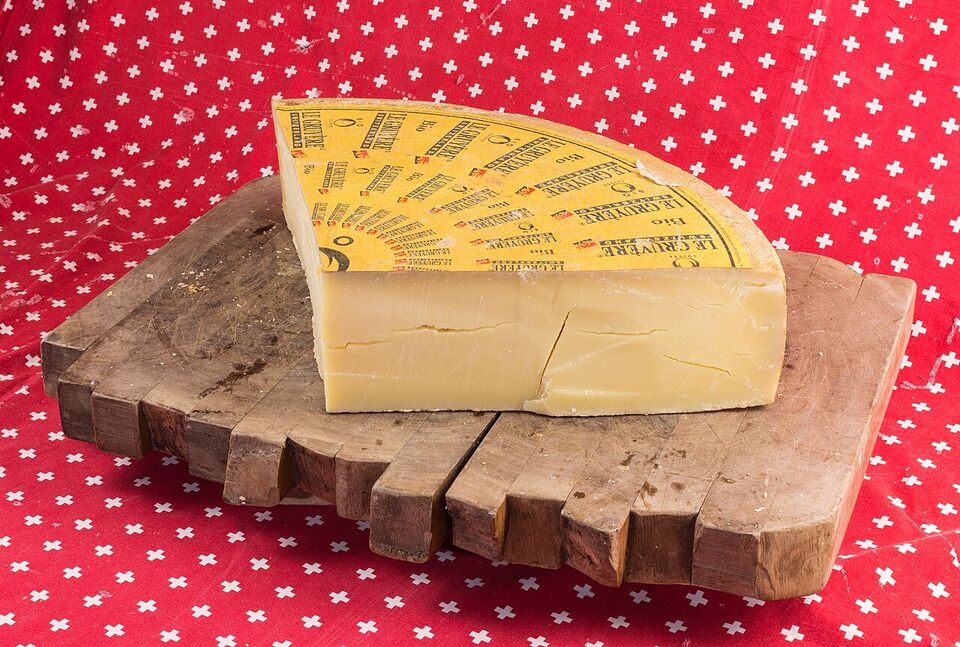
Swiss cheese is more than the holey kind. Many of the best known have an AOP label (Appellation d’Origine Protégée, protected designation of origin), which means the cheese is made in a set region with set methods. It is one of the more useful labels to look for when you buy.
| Cheese | What it is | Good for |
|---|---|---|
| Gruyère | A hard, nutty cow’s-milk cheese from the Fribourg area and its neighbors; the base of most fondue | Fondue, a cheese board, grating |
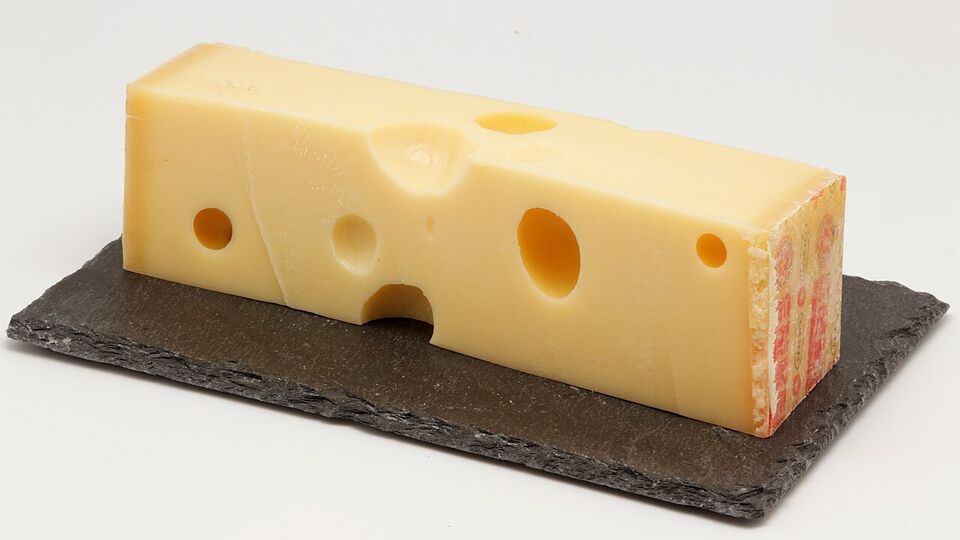
| Emmentaler | The cheese with the holes, from the Emmental valley in the canton of Bern; milder and sweeter | Sandwiches, snacks, a cheese board |
| Appenzeller | A hard cheese from eastern Switzerland, washed during aging in a herbal brine; stronger and spicier | Cheese tarts, a board, after a hike |
| Vacherin Fribourgeois | A semi-soft cheese that melts well; Gruyère’s partner in classic fondue | Fondue, melting |
| Vacherin Mont-d’Or | A very soft, spoonable winter cheese sold in a wooden box; available for part of the year only | Eating with a spoon, baking; check season and travel limits |
| Raclette du Valais | A semi-hard melting cheese from the Valais | Raclette, melted on potatoes |
Emmentaler, Gruyère, Vacherin and Appenzeller are the four cheeses most associated with Switzerland. We have not confirmed the seasonal dates or export rules of the soft Vacherin Mont-d’Or, so ask the shop about both before you plan to carry one home.
Emmental and the show dairies
The Emmental is the rolling hill country east of Bern. It has farms, a show dairy and country walks among the farmhouses with their wide roofs. We have not confirmed the current hours or prices of the show dairy there, so check the Emmental tourism site and the dairy’s own page. You can combine it with a stop in Bern.
Mountain dairies and alpine cheese
In summer, herders take cows to high pastures, and some make cheese on the spot in a small mountain dairy, using a copper kettle over a wood fire. Alpine cheese (Alpkäse in German, fromage d’alpage in French) is made only in the grazing season and tends to have a more distinct flavor, which is why it sells for more. Many alp dairies sell on the spot and a few serve a snack or a lunch. They are open in summer and are shut or empty by November, and the dates change with the weather. Cattle come down from the pastures in autumn, often with a festival; we have not confirmed the dates for 2027. For Appenzell, with its dairy and cheese heritage, see Appenzell, and for the hiking side of alpine life see hiking.
Tasting etiquette
- Ask before you taste. At a cheese counter or chocolate shop, it is polite to ask for a taste of the one you are considering (darf ich probieren? in German, je peux goûter? in French). Take a small piece and do not try six cheeses without buying anything.
- Cut a wedge fairly. When you share a board, cut a slice so that each person gets some rind and some center, rather than slicing off the tip.
- Eat the rind if it is edible, or leave it. On hard cheese, many people leave the rind on the plate. On washed-rind and soft cheeses, follow what the people at your table do.
- Let chocolate melt slowly. Break a square, let it soften on your tongue, and notice the texture before the flavor. Sip water between kinds.
- Pair simply. A cheese board with fruit, bread and a glass of wine is the usual setting. Fondue has its own rules, covered in Swiss Food and Fondue.
Supermarket versus specialty shop
You can buy good Swiss chocolate and cheese in almost every price range.
- Supermarkets (Coop, Migros and others): the best value for bars, bags of small chocolates and packaged cheese. You can fill a gift bag in ten minutes. Many have a cheese counter where staff will cut, weigh and vacuum-pack a piece.
- Specialty chocolatiers: the place for fresh pralines and truffles, which are made in small batches and are meant to be eaten within a short time. Ask how long they keep, and if they are sold from a cooled case, they need to stay cool.
- Cheese shops (fromageries, Käsereien): the place for aged and alpine cheese and for advice. Tell the staff when you will fly, and they will recommend a piece that travels well and wrap it.
- Airport and tourist shops: convenient, and usually the most expensive way to buy the same bar. Buy at a supermarket in town if you can.
Save money
Supermarket own-brand and mainstream bars cost much less than the boxed gifts sold in tourist areas. For visitors from outside the EU, see shopping and bringing things home for how Swiss VAT works on larger purchases, and budget tips for more ways to spend less.
What to buy as gifts
- Chocolate bars and small boxed chocolates: light, stable and easy to pack. These are the safest gifts in a suitcase.
- Vacuum-packed hard cheese: Gruyère, Emmentaler and Appenzeller keep well when sealed and cool. Buy it close to your departure day and pack it in carry-on or in insulated bags.
- Basler Läckerli and gingerbread: spiced honey biscuits and similar bakery items keep for weeks and survive bumps. See food.
- Bündner Nusstorte: a nut cake from the Engadine that keeps well in a sealed box.
- Powdered drinks and sweets: a tin of Ovomaltine or herbal cough drops are light and easy.
- Packaged fondue and raclette mixes: convenient, but treat them as dairy for customs purposes and check the rules below.
Leave behind anything that melts, spoils or is restricted. Fresh truffles and cream-filled pralines do poorly in a hot cabin or checked bag. Soft cheeses leak and smell.
What survives the flight and US customs
Chocolate generally travels well if you keep it out of heat. A suitcase in a hold in summer or a bag on a sunny windowsill can melt a bar into a lump; it still tastes fine but looks worse. Put chocolate in the middle of your clothes, away from the sides of the case, and keep it in your carry-on if the weather is hot at either end.
The US rules for food
US Customs and Border Protection (CBP) says that you may bring bakery items and certain cheeses into the United States, and refers travelers to the Animal and Plant Health Inspection Service (APHIS) for detailed rules. Fresh, dried and canned meat and meat products from most countries are not allowed, and neither is food prepared with meat. The meat rules change often because they follow animal disease outbreaks.
- Chocolate: not named in the CBP text we checked, but chocolate and packaged sweets are generally admissible. Check CBP and APHIS before you go.
- Hard cheese: usually fine, but cheese rules depend on the type and the form. Check the APHIS traveler pages before you buy a soft or raw-milk cheese.
- Dried meat, sausage and meat snacks: do not pack them. Valais dried beef, Graubünden air-dried beef and cervelat are all meat products and are likely to be taken away at the border.
- Declare food: on your US customs declaration, say you have food. An honest declaration costs you at most a piece of cheese; a false one can cost you a fine.
- Alcohol and the dollar limit: a returning US resident gets a personal exemption of $800 once every 31 days after at least 48 hours abroad, including one liter of alcohol for those 21 and over. See Wine and Drinks and shopping and bringing things home.
Watch out
Do not bring meat or dairy products from the US into Switzerland. The Swiss customs site says meat and dairy from outside the EU are prohibited. If you plan a picnic on arrival, buy the cheese and charcuterie in Switzerland.
The US rules change. Check CBP’s prohibited and restricted items page and the APHIS traveler pages in the week before you fly.
A simple plan: chocolate and cheese in two days
- Day 1
Zurich and the Lindt Home of Chocolate
Book a morning slot at the Lindt Home of Chocolate in Kilchberg, spend about two hours there, then have lunch in Zurich and walk through the old town. Buy a few bars in a supermarket in the evening.
- Day 2
Gruyères and Broc
Take the train to Gruyères, visit the dairy in Pringy for the cheesemaking if the times suit, walk up to the village and the castle, and add Maison Cailler in Broc if the hours and booking work out. Have fondue or a cheese plate for lunch. See the regions guide for how this fits a longer trip.
Add it to a route in the trip builder, or ask us to plan the hotels, trains and guides for you.