Overview: what the pass is, and who it suits
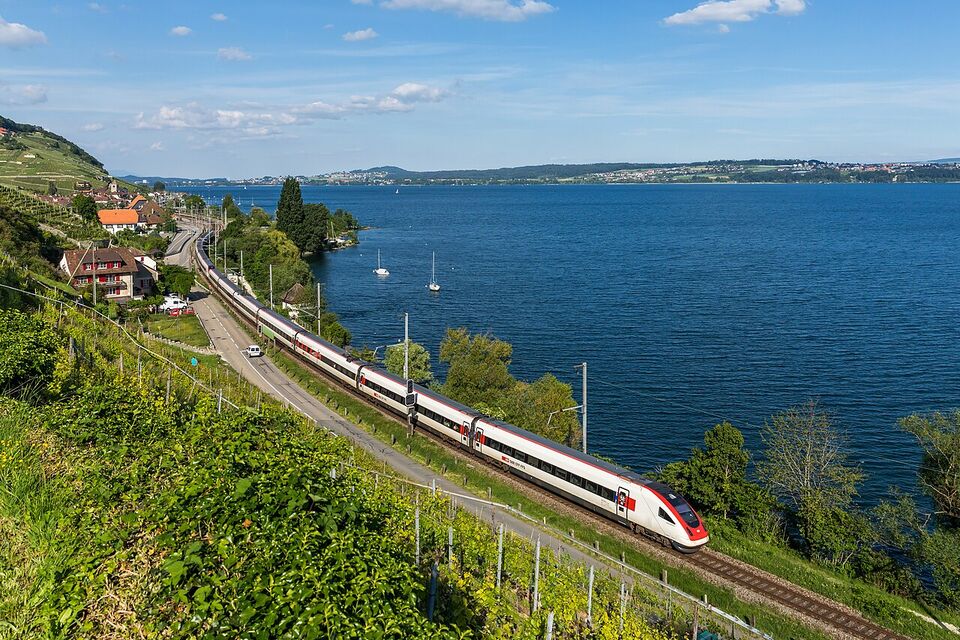
The Swiss Travel Pass is a prepaid ticket for unlimited travel on Swiss trains, most buses and many boats, plus free entry to more than 500 museums. You choose a number of days (3, 4, 6, 8 or 15), a class of travel, and either consecutive days or the Flex version. It is sold only to people who live outside Switzerland and Liechtenstein.
Whether it pays off depends on how much you move and how much you do beyond trains. As a rule, it suits a first trip that covers many towns in a week or so, such as Zurich, Lucerne, Interlaken, Zermatt and Geneva. It suits less well a trip based in one town with a few day trips, where a Half Fare Card or single tickets are often cheaper. We give the arithmetic below so you can test your own plan.
All prices on this page are the 2026 prices, valid through December 31, 2026. The Swiss Travel System says that prices for the Swiss Travel Pass and the Half Fare Card will not increase in the December 2026 fare round, but a 2027 price list was not published on the pages we could read. Check sbb.ch before you buy, especially if you plan a trip in 2027.
What the pass covers
- Trains, buses and boats: unlimited travel on the national network during the validity days, in the class you bought.
- City transport: public transport in more than 90 towns and cities, such as city trams and buses.
- Museums: free entry to more than 500 museums. On the Flex pass, museum entry and discounts apply only on activated days.
- Three mountain excursions: Rigi, Stanserhorn and Stoos are included at no extra cost, subject to their seasons and maintenance closures.
- Discounts: up to 50% off many other mountain railways and cable cars.
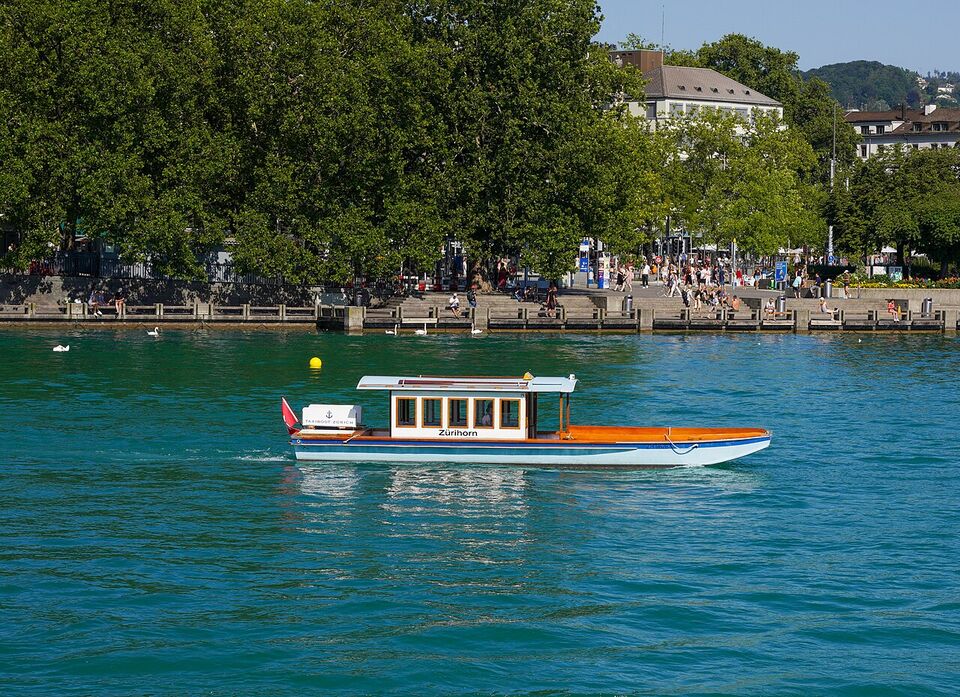
- Boats: Lake Lucerne boats are free with the pass, and many other lake boats are on the network.
The pass is an electronic ticket and can be bought up to 11 months before the first day of validity. You will need a passport or other ID when you travel, because the ticket is personal.
Different from home
In the US, a rail pass is mostly a specialty product. In Switzerland, rail is the main way to get around, and tickets are priced by distance, so a pass is a way to avoid buying many tickets, not a way to unlock service that is otherwise hard to use. Before you buy, check how many separate tickets you would actually need. See getting around Switzerland.
The versions and 2026 prices
Consecutive-day pass
The standard pass runs for 3, 4, 6, 8 or 15 consecutive days. Adult prices are for travelers aged 25 and over, and youth prices are for ages 16 to 24. These are the 2026 prices, valid from January 1 to December 31, 2026.
| Days | Adult 2nd class | US$ (about) | Adult 1st class | US$ (about) |
|---|---|---|---|---|
| 3 | CHF 254 | $300 | CHF 405 | $480 |
| 4 | CHF 309 | $370 | CHF 492 | $585 |
| 6 | CHF 399 | $475 | CHF 634 | $755 |
| 8 | CHF 439 | $520 | CHF 697 | $830 |
| 15 | CHF 499 | $595 | CHF 787 | $935 |
| Days | Youth 2nd class | US$ (about) | Youth 1st class | US$ (about) |
|---|---|---|---|---|
| 3 | CHF 179 | $215 | CHF 285 | $340 |
| 4 | CHF 218 | $260 | CHF 346 | $410 |
| 6 | CHF 282 | $335 | CHF 447 | $530 |
| 8 | CHF 311 | $370 | CHF 492 | $585 |
| 15 | CHF 356 | $425 | CHF 557 | $665 |
Travelers aged 16 to 24 pay the youth price, which is roughly 30% below the adult price. The longer passes get much cheaper per day, as the table in the cost-per-day section shows.
Swiss Travel Pass Flex
The Flex version covers 3, 4, 6, 8 or 15 travel days that you choose within one month. You must activate each day before you travel, at activateyourpass.com, and discounts and museum entry apply only on activated days. It costs more than the consecutive pass for the same number of days.
| Days | Adult 2nd class | US$ (about) | Adult 1st class | US$ (about) | Youth 2nd class |
|---|---|---|---|---|---|
| 3 | CHF 289 | $345 | CHF 461 | $550 | CHF 204 |
| 4 | CHF 349 | $415 | CHF 555 | $660 | CHF 246 |
| 6 | CHF 424 | $505 | CHF 674 | $800 | CHF 300 |
| 8 | CHF 459 | $545 | CHF 729 | $870 | CHF 325 |
| 15 | CHF 519 | $620 | CHF 819 | $975 | CHF 370 |
Choose the Flex when your travel days are spread out, for example four days of travel around a week of hiking from one village. Choose the consecutive pass when you will move almost every day. The Flex is not cheaper per day, so it wins only when it lets you buy fewer days than a consecutive pass would need. For example, a Flex for 3 days costs more than a consecutive 3-day pass, but it can beat a consecutive 8-day pass if you travel on just three days of a week-long stay. Compare the two prices for your plan.
Families and children: the Swiss Family Card
The Swiss Family Card is free. Children aged 6 to 15 travel free on public transport throughout Switzerland when accompanied by at least one parent who holds a Swiss Travel Pass (or the Flex version). A reseller price list says the card also works with a Half Fare Card, but we did not confirm this on an official page, so check before you rely on it. Children under 6 travel free. A child travelling without a parent gets 50% off the pass.
This makes the pass very strong for families: a parent with a pass and two children aged 6 to 15 pays for one pass. Ask for the Family Card when you buy or check the seller's instructions, and keep it with the pass. See Switzerland with kids.
What is free and what is only discounted
This is the part of the pass that causes the most surprise. The pass is not a ticket for everything with a cable car or cogwheel. Mountain railways are separate businesses, and most give you a discount, not free travel. Prices are 2026 adult prices from the operators, and seasons change, so check each operator's site before you plan a day.
| Excursion | With a Swiss Travel Pass | Full price (CHF) | Full price (US$, about) |
|---|---|---|---|
| Rigi, Stanserhorn, Stoos | Included (check seasons and maintenance closures) | Stanserhorn CHF 82 on a reseller list | $98 |
| Pilatus, summer return (May to November) | CHF 42 (50% off) | CHF 84 | $100 |
| Gornergrat, return | 50% off (about CHF 51) | from CHF 102 | $120 |
| Matterhorn Glacier Paradise, return, pre-season | 50% off | CHF 104 (1 November 2026 to 30 April 2027) | $125 |
| Jungfraujoch | Discounted; check jungfrau.ch for your route and date | from CHF 129.60 from Grindelwald Terminal; roughly CHF 200 or more from Interlaken | $155 and up |
| Titlis | Check titlis.ch for the pass discount | CHF 108 on a reseller list | $130 |
| Schilthorn | Check the operator for the pass discount | CHF 92 from Mürren on a reseller list | $110 |
These lifts have seasons and maintenance closures, and several close for weeks in November and again in the spring. We do not say any of them runs on a given date. Check the operator's timetable first. See mountain excursions for each one.
Watch out
Do not buy a pass because a lift "is included" without checking its dates. Rigi, Stanserhorn and Stoos have maintenance and winter breaks. If your trip falls in late November or April to May, check that the lift you want is running before you count its value.
The Jungfrau Travel Pass
If you spend several days around Interlaken, the Jungfrau Travel Pass is a separate regional pass. The published 2026 price list shows regular prices of CHF 210 (about $250) for 3 days up to CHF 330 (about $395) for 8 days, and lower reduced prices (CHF 165 (about $195) for 3 days) for holders of a Half Fare Card, a GA travelcard or a validated Swiss Travel Pass or Flex. It does not include the Jungfraujoch itself: you buy a Jungfraujoch connecting ticket (CHF 63 (about $75) outside the summer period, and CHF 89 (about $105) from May 1 to October 31 including a seat reservation), and pass holders get a discount of up to 50% on that part. Prices and dates are set by the Jungfrau railways, so check jungfrau.ch. See Interlaken and the Jungfrau region.
Panoramic trains still need reservations
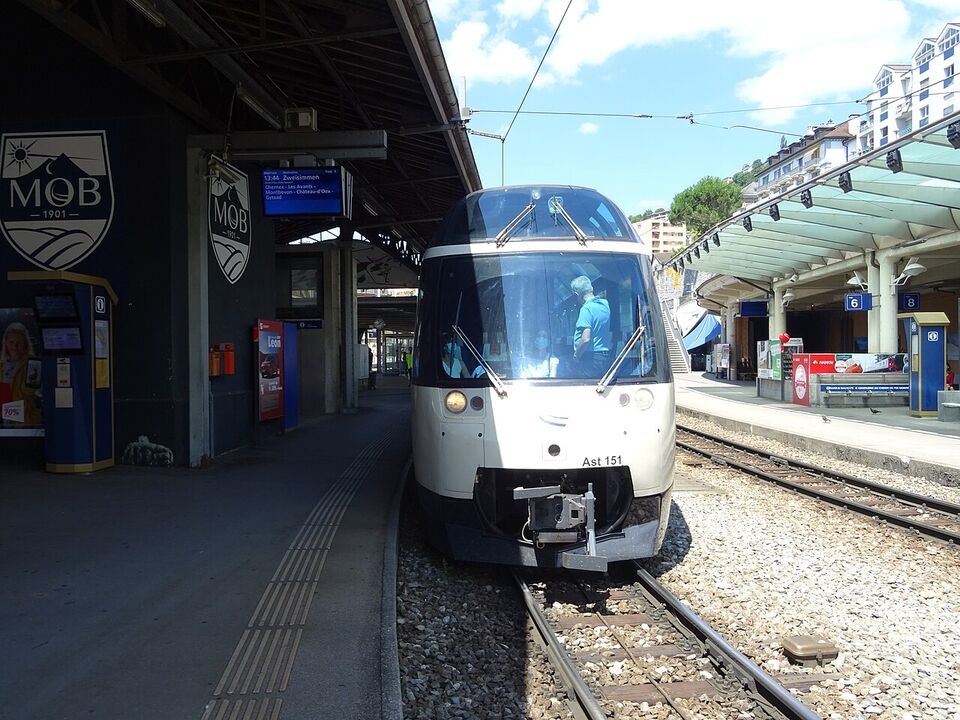
The pass is valid on the Glacier Express, Bernina Express, Gotthard Panorama Express and Palm Express, but each requires a seat reservation with a fee or surcharge, even with a pass. We could not confirm the fees for 2026-27 or the booking windows, so check the operator. For the Glacier Express, reservation is mandatory, and the seat classes are second, first and Excellence Class.
The Glacier Express takes about 8 hours between Zermatt and St. Moritz. The same journey on regular local trains takes just over 8 hours, with changes at Reichenau-Tamins, Disentis, Andermatt and Brig, and needs no seat reservation. A pass covers those local trains without a fee. That can make a pass-only journey good value for travelers who care more about the scenery than the dining car. See scenic trains.
Insider tip
Book panoramic-train seats as soon as you know your dates, especially in high season, then buy the pass. A pass cannot create a seat that is already sold out.
First class or second class?
First-class passes cost about 60% more than second class at every length, for example CHF 405 (about $480) against CHF 254 (about $300) for 3 days. In return you get a quieter, roomier carriage on trains that have a first class. For most travelers, second class is the better value, and the saving buys a lot of mountain excursions. First class makes sense if you travel with a lot of luggage, if you will work on trains, or if you like the quiet.
The class of the pass limits the class you can sit in, but you can upgrade a single journey by paying the difference, and a first-class pass holder can sit in second class. Panoramic-train seats are priced by class and are separate from the pass. Choose by how many long journeys you will make, not by the length of the trip.
Alternatives to the pass
Swiss Half Fare Card
The Half Fare Card (Halbtax in German) costs CHF 150 (about $180) for one month and gives 50% off trains, buses, boats and most mountain railways. It is for people who live outside Switzerland and Liechtenstein, and its price rose from CHF 120 (about $145) to CHF 150 (about $180) on January 1, 2026. The Swiss Travel System says the Half Fare Card will not increase in the December 2026 round.
The card makes sense for travelers who move less, or who take a few expensive journeys. You pay full price for nothing and half for everything else. It does not include museum entry, city transport or any free excursion.
Saver Day Pass and Day Pass
SBB sells Day Passes for a single day of unlimited travel. With a Half Fare Card, the Saver Day Pass starts at CHF 29 (about $35) in second class and CHF 49 (about $58) in first class, and the Day Pass costs CHF 78 (about $93) in second class and CHF 128 (about $150) in first class. Earlier booking is cheaper, and supply is limited. SBB says new prices will apply for certain Day Passes from December 13, 2026. We could not confirm the price without a Half Fare Card or the new December prices, so check the SBB site.
Point-to-point tickets
You can buy single or return tickets for each journey in the SBB app or at a station. SBB also sells discounted advance tickets on some routes. We could not confirm the full fares or the discount levels, and sbb.ch pages did not load for us, so we give no sample fares. Price your own legs in the SBB app for your dates.
Museum and guest cards
The Swiss Museum Pass gives one year of entry to more than 500 museums and castles. Through December 31, 2026, it costs CHF 147 (about $175) for one person as part of an anniversary offer, instead of CHF 177 (about $210). Hotels in some places give guest cards with free local transport: Geneva (free Geneva Transport Card), Basel (BaselCard) and Ticino (Ticino Ticket). See Money in Switzerland for details.
How to decide: the arithmetic
The easiest way to decide is to price your plan. Open the SBB app, enter each leg of your trip on the dates you plan, and note the full second-class fare. Add the costs of the boats and buses you would take. Call this total F. Then compare:
- Pass against full-price tickets: the pass is cheaper if F is more than the pass price (for example, CHF 439 (about $520) for 8 days).
- Half Fare Card against full-price tickets: the card (CHF 150 (about $180)) is cheaper if F is more than CHF 300 (about $355), because you pay CHF 150 (about $180) plus half of F.
- Pass against the Half Fare Card: the pass is cheaper if F is more than twice the difference between the pass price and CHF 150 (about $180).
That last rule gives these break-even totals, using our own arithmetic on the 2026 prices. They ignore museum entry, city transport and excursions, which favor the pass. The pass is the cheapest of the three only when F is above both its own price and the figure in the table.
| Consecutive 2nd class pass | Price | Pass beats the Half Fare Card when your full fares total more than | US$ (about) |
|---|---|---|---|
| 3 days | CHF 254 | CHF 208 | $250 |
| 4 days | CHF 309 | CHF 318 | $380 |
| 6 days | CHF 399 | CHF 498 | $595 |
| 8 days | CHF 439 | CHF 578 | $690 |
| 15 days | CHF 499 | CHF 698 | $830 |
Because the break-even is high, travelers with a calm itinerary often do better with a Half Fare Card. Travelers who add museum days and a lot of city transport tilt toward the pass. Excursions are half price on both. For example, a Pilatus day costs CHF 42 (about $50) either way.
Sample itineraries
We cannot confirm point-to-point fares for the routes below, so we compare the options by structure. Use the SBB app to put numbers on each.
Seven days: Zurich, Lucerne, Interlaken, Zermatt, Geneva
An 8-day consecutive pass (CHF 439 (about $520)) covers all seven days with a spare day. A 6-day pass (CHF 399 (about $475)) works only if the trip fits six consecutive days. The Flex for 6 days is CHF 424 (about $505) and lets you rest days off. Compare with a Half Fare Card plus half-price tickets. A Jungfraujoch day and a Gornergrat day are not included in any option.
One base, day trips
Few long rides and several excursions suit a Half Fare Card (CHF 150 (about $180)) or a Flex with only the days you travel. The pass is hard to justify if you are in one place most days. Add up the day trips first.
Two cities and one mountain
Single tickets, or a Saver Day Pass with a Half Fare Card on the day of the longest ride, are usually cheapest. A 3-day pass (CHF 254 (about $300)) rarely pays off unless you also use museums and city transport.
Family with children aged 6 to 15
Children travel free with a parent who holds a pass and the Family Card, so one adult pass can cover the family on trains, buses and boats. That changes the arithmetic strongly in favor of the pass.
A scenic-train trip
The pass is valid on these trains, but the seat reservation fee is extra. A pass can still be good value if you also ride regional trains before and after, but price the reservation first.
Save money
Count the museums. If you plan three or four museums in a week, entry is free with the pass, and entry prices add up quickly. Compare with the Swiss Museum Pass if you decide against the pass.
Cost per day against separate tickets
The longer the pass, the lower the daily price. This table spreads each adult pass over its days, using our own arithmetic. It does not say what separate tickets would cost; compare it with your own total from the SBB app.
| Days | 2nd class per day (CHF) | US$ (about) | 1st class per day (CHF) | US$ (about) |
|---|---|---|---|---|
| 3 | CHF 85 | $100 | CHF 135 | $160 |
| 4 | CHF 77 | $92 | CHF 123 | $145 |
| 6 | CHF 67 | $80 | CHF 106 | $125 |
| 8 | CHF 55 | $65 | CHF 87 | $105 |
| 15 | CHF 33 | $39 | CHF 52 | $62 |
A 15-day pass is cheap per day, but only if you really travel on most of those days. A pass is not a good deal on days when you stay in one place. That is when the Flex or a Half Fare Card may suit better.
Buying and using the pass
- Buy from an official seller, such as SBB or the Swiss Travel System, or from a US agency, and compare the total in francs. Sellers that show dollars use their own exchange rates.
- Passes can be bought up to 11 months ahead, but check which price list applies if your travel is in 2027.
- Start the pass on the first day you really travel a lot, not on your arrival day if you only ride a short airport train. See flights to Switzerland.
- For a Flex pass, activate each day at activateyourpass.com before you board.
- Keep your passport with you. The pass is personal.
- Ask for the free Family Card if you travel with children aged 6 to 15.
- Reserve panoramic-train seats before you travel, and check mountain-lift dates.
- The Swiss Travel System advertises more than 50% off same-day luggage services for pass holders on journeys from October 1 to December 15, 2026. After that, SBB's station-to-station luggage service costs CHF 12 (about $14) per item (up to 23 kg).
Prices and rules change. When you are ready to buy, compare this page with the SBB site on the day, and see Switzerland on a budget for other ways to save.
Add it to a route in the trip builder, or ask us to plan the hotels, trains and guides for you.