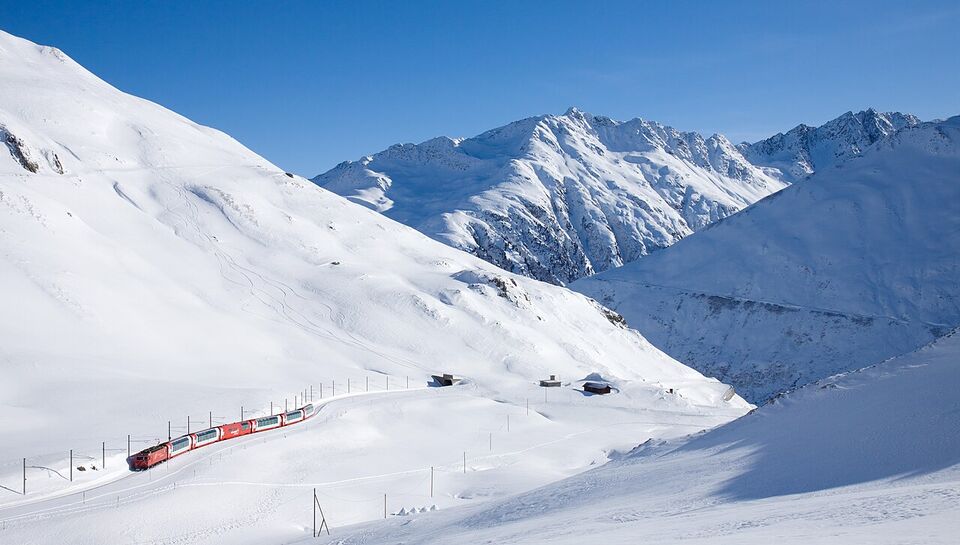
How long to stay and what to expect
For a first trip, plan seven to ten days. That is long enough to see a city, ride up one or two mountains, take a lake boat and cross the country by train without feeling that every day is a transfer. If you have only four or five days, choose Zurich or Lucerne as a base and add one mountain day. If you have two weeks, add Ticino or the Engadine rather than squeezing in more stops.
Switzerland is small, but it is not flat. A route that looks short on the map may involve a climb, a tunnel or a change of train, and the places travelers want most (the Jungfrau region, Zermatt, the Engadine) sit up valleys, not on the main line. Treat each region as a place to stay a night or two, not a quick stop between two others.
Two things shape every plan. The first is weather: views from high stations depend on cloud, so you need slack to move a mountain day. The second is season: many lifts, boats and mountain railways close for weeks in November and in April-May, and prices changed in 2026. Our when to go page covers the calendar. Always check each operator's own site for the dates of your trip.
Different from home
You do not need a car, and in the Alps a car often gets in the way. Trains run on a fixed-interval timetable, platforms are announced in the SBB app, and the national network ties in buses, boats and many mountain railways. Plan around stations, not parking.
How to split your days
Most first trips combine three zones: the cities (Zurich, Bern, Geneva), the central lakes and mountains around Lucerne, and the high Alps (the Jungfrau region and Zermatt). Ticino and the Engadine are the two zones that belong on a second trip or a trip of two weeks. Use this table as a starting point, then adjust for your interests.
| Trip length | Zurich and Lucerne | Interlaken and Jungfrau | Zermatt | Add if you can |
|---|---|---|---|---|
| 4 to 5 days | 3 nights | 1 night or a day trip | Skip | One mountain, one lake boat |
| 7 days | 3 nights | 2 nights | 1 night | Fly into Zurich, out of Zurich or Geneva |
| 10 days | 4 nights | 3 nights | 2 nights | Bern or Lake Geneva on the way |
| 14 days | 4 nights | 3 nights | 2 nights | Ticino or the Engadine, plus Geneva or Lausanne |
Count nights where you sleep, not days where you pass through. A day with a three-hour train ride in the middle is a half day. In winter, daylight is short (about 9 hours in mid-November and under 9 in December, by our calculation), so plan fewer stops.
Where the lakes fit
Lake Lucerne is easiest to fit in because it is the lake you will already be on if you stay in Lucerne. Boats are free with the Swiss Travel Pass, and 50% off with the Half Fare Card. Lake Geneva (Lausanne, Montreux, Lavaux) is a good bridge at the end of a trip, with the Geneva airport at the end. For more, see the lakes guide.
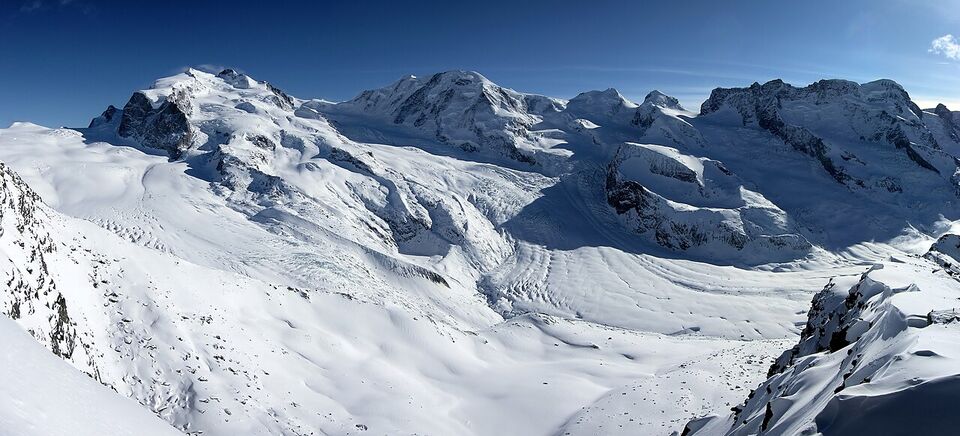
Choosing a base
A base is a town where you sleep four or more nights and make day trips by train. In Switzerland this works unusually well because the rail network is dense, frequent and easy to use with a ticket on your phone. The table compares the four bases most first-timers consider.
| Base | Best for | Day trips | Watch out for |
|---|---|---|---|
| Zurich | First and last night, museums, city life, short transfers to the airport | Lucerne, Rhine Falls, Lindt Home of Chocolate, Appenzell, Bern | Farthest of the four from the high mountains; mountain days are long |
| Lucerne | A first stay of three to five nights: old town, lake, and mountains close by | Pilatus, Rigi, Stanserhorn, Engelberg and Titlis, Zurich, Bern | Busy in summer; a tourist tax of about CHF 1.10 (about $1.30) per person per night since 2026 |
| Interlaken | The Jungfrau region, paragliding and lake views | Jungfraujoch, Grindelwald, Lauterbrunnen, Murren, Harder Kulm, Bern | Two stations (Interlaken Ost and West); the highest mountain trips depend on cloud |
| Bern | A central, quieter base with a Unesco old town | Interlaken, Lucerne, Fribourg and Gruyères, Zurich, Lausanne | Fewer mountain views from town; most big sights are a train ride away |
If you only choose one base, choose Lucerne. If your trip is mostly about the Jungfrau region, choose Interlaken. Zermatt is better as an overnight stop than as a day trip, because the trip from the main line takes a good part of a day each way (check the SBB app for times) and the Matterhorn looks best in the early morning and the evening.
Insider tip
Ask any hotel in Geneva, Basel or Ticino about a guest card. Geneva gives guests in approved accommodation a free Geneva Transport Card for the stay, Basel gives a free BaselCard, and Ticino has the Ticino Ticket with free public transport. Lucerne has a Visitor Card too. Benefits vary, so check with your hotel before you book.
Why a base beats changing hotels daily
A base saves you the least obvious cost of a trip: time. Every hotel change means checking out, hauling bags to the station, finding the right platform, and checking in, and that is easily half a day. Over a week, daily moves can eat two full days of sightseeing.
It also protects you from weather. If cloud sits on the Jungfraujoch on Wednesday, a base lets you swap in a lake or a museum and try the mountain on Thursday. If you are moving every night, you have one shot at each place.
Finally, a base lowers your costs and stress. Swiss hotels are among the most expensive in Europe, and many give a better rate for longer stays or a free guest card. Check dates and cancellation terms.
The exception is where geography forces a move: Lucerne to Zermatt, or the Engadine to Ticino. Treat these as a handful of moves in a trip, and send your bags ahead when it helps. SBB runs a station-to-station luggage service: CHF 12 (about $14) per item up to 23 kg, drop off at a participating station and collect two days later, with a valid ticket for the whole route. Door-to-door luggage and same-day services are priced differently, so check the SBB site.
A first-trip itinerary: ten days
This route covers the three zones with three hotels. Swap days around to follow the weather. Check each operator's calendar, because some of these trips close in the off-season.
- Day 1
Arrive in Zurich
The airport has its own station with frequent trains to Zurich Hauptbahnhof, a ride of about 10 minutes. Keep the day light: walk the old town, eat dinner early and sleep. Jet lag is real, and you will need your energy for the mountains.
- Day 2
Zurich to Lucerne
Take a morning train to Lucerne (check the SBB app for times; it is a short ride). Walk the Chapel Bridge, the old town and the lakefront.
- Day 3
Mountain day from Lucerne
Choose Pilatus, Rigi or a lake boat. Rigi is included in the Swiss Travel Pass at no extra cost. Pilatus costs CHF 84 (about $100) for adults in the summer season (May to November) and CHF 42 (about $50) with a pass or Half Fare Card. Check the Pilatus site, because its gondola and cogwheel lines close for parts of the autumn.
- Day 4
Lucerne to Interlaken
The Luzern-Interlaken Express, run by zentralbahn, is a scenic ride that takes roughly two hours (check the SBB app). Spend the afternoon on Lake Brienz or Lake Thun, or walk along the Aare.
- Day 5
The Jungfraujoch, if the weather allows
The trip from Interlaken Ost to the Jungfraujoch takes about 1 hour 30 minutes each way via the Eiger Express, and the station sits at 11,332 ft (3,454 m). Check the live webcam the day before. See mountain excursions for prices and passes.
- Day 6
Lauterbrunnen and Murren
This is a flexible day for waterfalls, the cable car to Murren and, if the sky is clear, the Schilthorn. Keep this day free to swap with Day 5.
- Day 7
Interlaken to Zermatt
Expect to change trains at least once, typically around Spiez and Visp, before the final leg up the valley (check the SBB app). Zermatt is car-free. Settle in and walk the village in the evening light.
- Day 8
The Matterhorn
The Gornergrat cogwheel train (station about 10,135 ft or 3,090 m) has a return ticket from CHF 102 (about $120), half price with a Swiss Travel Pass or Half Fare Card. Go early, because clouds build by midday. Matterhorn Glacier Paradise is the other choice, with a pre-season return of CHF 104 (about $125).
- Day 9
Zermatt to Geneva or Zurich
Travel through Visp. Use the day to reach your departure city, either Zurich or Geneva (an open-jaw ticket, flying into one and out of the other, avoids doubling back).
- Day 10
Fly home
Allow extra time at the airport on departure: with the EES, the exit check can add a step, and waits vary by airport and day.
Watch out
Do not stack your best mountain day on the day you arrive or the day you fly. Cloud, a closed lift or a delayed train can ruin a single-shot plan. Keep a spare day in the middle for the Jungfraujoch or the Matterhorn.
Shorter versions
- Long weekend (3 nights): Zurich for a night, then Lucerne for two with a half-day on Rigi or Pilatus. Do not try the Jungfraujoch in a weekend.
- Seven days: Zurich (1 night), Lucerne (2), Interlaken (2), Zermatt (1), then fly from Geneva or Zurich. Drop Zermatt if the weather is poor.
- Two weeks: add the Engadine and Ticino at the end, using the Bernina Express or the Gotthard route (both have seat reservations and seasonal timetables; see scenic trains).
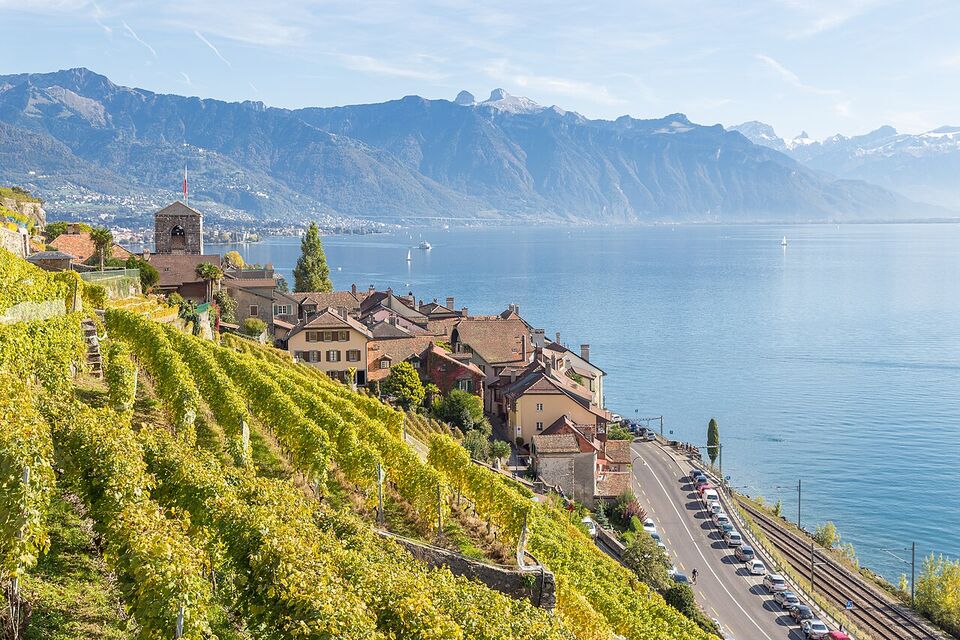
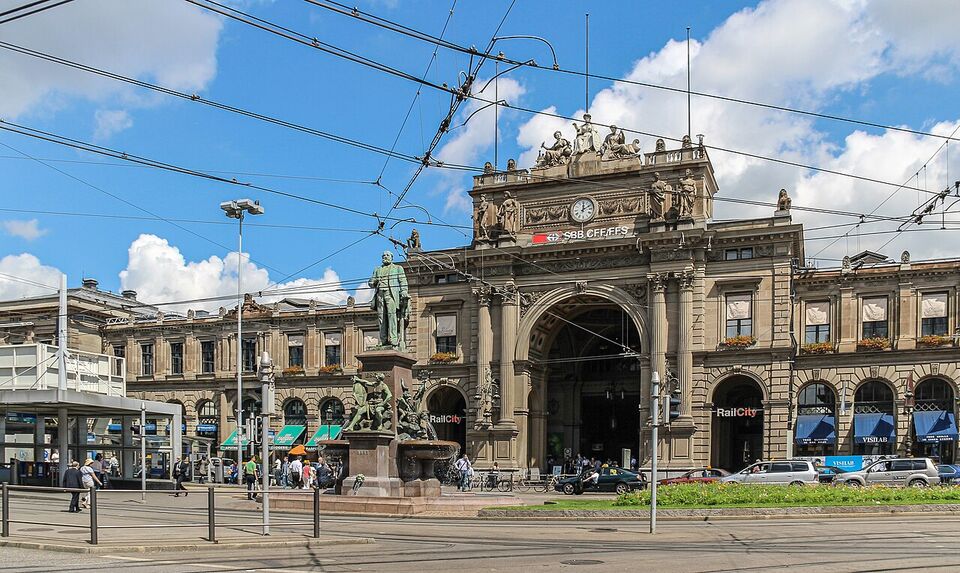
A repeat trip: Ticino, the Engadine and Lake Geneva
If you have been before, or want a quieter route, build the trip around the south and east. The weather in Lugano is milder in spring and autumn than north of the Alps, and the Engadine in the east has a different language (Romansh is spoken in parts) and a high-valley feel.
- Nights 1-3
Lugano and Lake Lugano
Fly into Zurich and take the Gotthard route south. The Lugano and Ticino page covers the lake, Locarno and the Ticino Ticket for guests.
- Nights 4-5
The Engadine
Cross to St. Moritz or a smaller village on the Bernina line. The Engadine page has the details. The Bernina Express reaches Tirano in Italy; a seat reservation or small supplement applies, so check the Rhaetian Railway site.
- Nights 6-7
Bern and Lake Geneva
Stop in Bern for a night, then on to Lausanne or Montreux. Chillon Castle costs CHF 15 (about $18) for adults, with winter opening hours of 10 a.m. to 5 p.m. from November to February.
- Night 8
Geneva
Fly home from Geneva. If you are staying in a hotel there, ask about the free transport card.
For a repeat trip in winter, add a ski or snowshoe stop. The skiing guide covers what is planned for 2026-27, and the hiking guide covers the summer.
Getting in from Zurich or Geneva
Most Americans fly into Zurich or Geneva. Several US cities have nonstop flights to Zurich, and fewer go to Geneva; check the airline for the winter 2026-27 timetable. Our flights guide covers airlines and airports.
Zurich Airport
The airport has a railway station under the terminal, with trains to Zurich Hauptbahnhof (Zürich HB) running several times an hour. The ride takes about 10 minutes. Buy a ticket in the SBB app or at a machine; the fare is a few francs, and we do not quote it here. Some onward trains leave directly from the airport station and others need a change at Zurich HB, so you may be able to skip the city. Check the app for the best option on your arrival time.
Geneva Airport
Geneva airport is about 2.5 miles (4 km) from the center and has its own railway station with trains to Genève-Cornavin. Guests in approved hotels, hostels and campsites in Geneva receive a free Geneva Transport Card for the stay, so ask your hotel before you buy a ticket. Geneva airport also has an exit on the French side, meant for travelers heading into France; if you are staying in Switzerland, follow the Swiss signs and the train symbol. See beyond Switzerland and entry rules.
Basel EuroAirport
Basel-Mulhouse sits on French territory and has Swiss and French sectors. If you land here, follow signs to the Swiss sector for Switzerland. A city bus links the airport with Basel station; check the operator for fares. See our Basel page.
Different from home
Your passport is checked by the EES (Entry/Exit System) on arrival, which records your photo and fingerprints, replacing the stamp. Allow extra time. We cover how it works on the entry rules page.
What to book, and when
Book in the order of what sells out. Hotels and scenic-train seats go first. Mountain tickets can wait until the weather is known. Use this timeline, adjusting for your dates.
| When | What to book | Why |
|---|---|---|
| 9 to 12 months out | Hotels for July-August, Christmas week and ski weeks, especially in Zermatt, Interlaken and Lucerne | Peak-month rooms, and rooms with a view, go first |
| 6 to 9 months out | Glacier Express seats; flights once you have dates | Seat reservation is mandatory, even with a pass; check glacierexpress.ch for when booking opens |
| 2 to 4 months out | Bernina Express and Gotthard Panorama Express seats; rental car if you want one; Swiss Travel Pass if you will use it | A pass can be bought up to 11 months ahead, and seat fees apply even with a pass |
| 2 to 4 weeks out | Lindt Home of Chocolate slot; Jungfraujoch guaranteed seat (CHF 10, about $12); phone plan | The Lindt museum asks you to book online; the guaranteed seat is strongly recommended in good weather |
| 1 to 3 days out | Mountain tickets for the best-weather day | Check webcams and the operator's status page first |
Do not assume a mountain railway or boat is running. Seasons shift, and November and April-May are dead weeks for many lifts. As a snapshot, in mid-November 2026 the Eiger Express was listed as closed for maintenance until November 20, the Wengen-Kleine Scheidegg railway until December 4, and the Grindelwald First cableway until late November, according to a guide that we could not confirm on the operators' sites. Check jungfrau.ch before you go.
The day before every mountain trip
- Open the operator's live webcam and status page.
- Check the weather on MeteoSwiss (meteoswiss.admin.ch).
- Check the SBB app for works or changes on your route.
- Put your passport or ID in your day bag; some online tickets are checked against it.
Pass or point-to-point: the short version
There are three ways to pay for trains: a Swiss Travel Pass, a Half Fare Card, or tickets for each trip. The right answer depends on how many days you travel by rail, not on how many days you stay. Our Swiss Travel Pass page and getting around guide give the full comparison.
- Swiss Travel Pass: consecutive days of unlimited trains, buses and boats, plus free entry to more than 500 museums. In 2026, 8 days in second class costs CHF 439 (about $520) and 4 days CHF 309 (about $370). Rigi, Stanserhorn and Stoos are included; many other mountain trips are discounted by up to 50%.
- Half Fare Card: CHF 150 (about $180) for one month, 50% off trains, buses, boats and most mountain railways.
- Point-to-point: cheapest if you stay put and make one or two big trips. We did not find confirmed point-to-point fares for the main routes, so price your own route in the SBB app.
Save money
If your trip is built on a base with two or three long train days, price them against a Half Fare Card before you buy a pass. The pass prices on this page are 2026 prices; the pass prices are not rising in the December 2026 fare round, but 2027 price lists may differ, so check before you buy.
Money and phones, briefly
Switzerland uses the Swiss franc, not the euro. At the rate we use, CHF 1 = US$1.19. Cards are widely accepted, but carry some francs for small shops, mountain huts and some parking machines. Euros are accepted only in some tourist places, at poor rates. Our money guide covers cards, cash and costs.
For phones, check your carrier's international plan before you go. Verizon TravelPass lists Switzerland at $12 a day (only for days you use it). A Swisscom prepaid SIM is another option: its 7-day Prepaid Flat costs CHF 20 (about $24), and an eSIM works only once the phone first connects to the Swisscom network in Switzerland. See phones and Wi-Fi. Swiss sockets are Type J at 230 V; bring an adapter and check that your charger says 100-240 V.
For a budget, the biggest cost is the hotel, then rail and mountain trips, then food. Swiss hotels are among the most expensive in Europe, so check prices for your dates. Use our budget tool and trip builder to price your own route.
Mistakes to avoid
- Booking too many one-night stops. Two or three bases beat seven.
- Scheduling one shot at the Jungfraujoch. Keep a spare day.
- Visiting in a dead week without checking. Mid-November and April-May bring closures. Check each operator's site.
- Buying a pass by default. Count your rail days first.
- Treating Zermatt as a day trip. It is a long day out and back. Stay a night.
- Forgetting Sundays. Most shops are closed on Sundays except at stations, airports and in tourist resorts; check before relying on it.
- Skipping travel insurance. Buy a policy with medical and rescue cover. A Rega helicopter mission costs around CHF 4,500 (about $5,350) on average, and Rega patronage (CHF 40, about $48, for adults) does not replace insurance. See safety.
Planning with a family? Read the families page. If you are thinking of adding Italy or France, see Italy, France and beyond. For lodging, see where to stay.
Add it to a route in the trip builder, or ask us to plan the hotels, trains and guides for you.