Overview: crossing borders without a border
Switzerland is small, and its neighbors are close: Milan is an easy day from Ticino, the Black Forest and Strasbourg start at Basel, Chamonix is a short ride from the Valais, and Liechtenstein is a bus ride from the east. For an American, the border part is simple. Switzerland is in the Schengen area, so you normally cross to Italy, France, Germany, Austria and Liechtenstein by train, bus or car without a routine passport check. Carry your passport anyway.
The complications are elsewhere. Each country has its own currency (euros in four of them, francs in Liechtenstein), its own trains and tickets, and its own rules. Switzerland is not in the EU, so goods you buy abroad go through Swiss customs when you return. Your pass may stop at the border. And your Schengen day count keeps running. This page covers each side trip, then the border, money and pass questions in one place.
Our rule of thumb is to add another country only if you have time for it. A seven-day trip to Switzerland is full. A ten-day trip can take one overnight in Italy or France. Two weeks can hold a short loop. For the core plan, see plan your trip.
Different from home
You can cross several European borders in a day without ever opening your passport, much as you cross state lines at home. But unlike US states, each country has a different currency, phone rules and customs line, and some have different train booking rules. Treat each crossing as a change of system.
Comparison: where to go and what it takes
The table lists the main side trips from a Swiss base. Journey times depend on the route and the day, so check the SBB app and the foreign operator for your date. We give no minutes where we could not confirm them.
| Destination | Start from | By train | Currency | Worth it? |
|---|---|---|---|---|
| Milan, Italy | Lugano or Ticino (best), Zurich (long) | EuroCity trains through the Gotthard to Lugano and on to Milan | Euro | Yes for a day from Lugano; stay a night from Zurich or Lucerne |
| Lake Como, Italy | Lugano by bus or train, or Tirano on the Bernina Express | Bernina Express to Tirano, then onward by bus or Italian train | Euro | Yes, easier from Ticino than from central Switzerland |
| Chamonix and Mont Blanc, France | Martigny or Geneva | Regional trains over the Valais border, or bus from Geneva | Euro | Yes for views, if the weather is clear; check cable car status |
| Strasbourg and Colmar, France | Basel | Regional and long-distance trains from Basel SBB | Euro | Yes, a pleasant day or overnight; fewer mountains, more half-timbered towns |
| Annecy, France | Geneva | Train with a change, or bus; check the operator | Euro | Yes for a lake town; combine with Geneva |
| Freiburg and the Black Forest, Germany | Basel | Regional trains from Basel Badischer Bahnhof or Basel SBB | Euro | Yes for a day; good rainy-day swap |
| Lake Constance (Konstanz, Lindau), Germany | Zurich, St. Gallen or Appenzell | Regional trains to Kreuzlingen and Konstanz | Euro | Optional; best by boat in summer |
| Vaduz, Liechtenstein | Sargans or Buchs SG | Train to the border station, then bus to Vaduz | Swiss franc | A half-day extra if you are going east anyway |
| Bregenz, Austria | St. Gallen or Zurich | Regional trains via the Rhine valley or the lake | Euro | Optional; a short step from Lake Constance |
| Munich or Vienna | Zurich | Direct long-distance trains; check the SBB app and the Austrian ÖBB | Euro | Separate trips; they need their own days |
The sections below give the detail. For the Swiss end of each route, see Lugano and Ticino, Basel, Geneva and the Engadine.
Italy: Milan and Lake Como
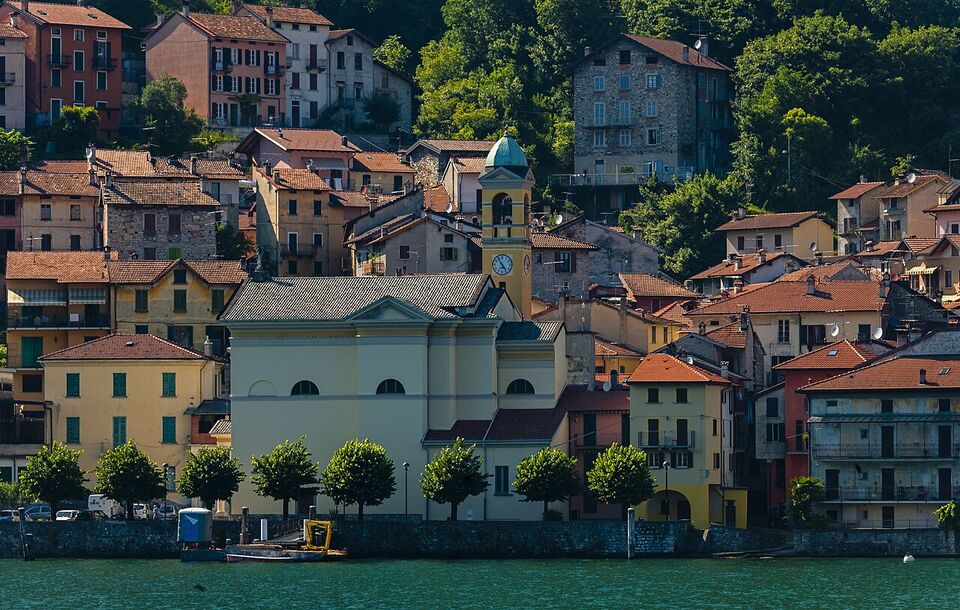
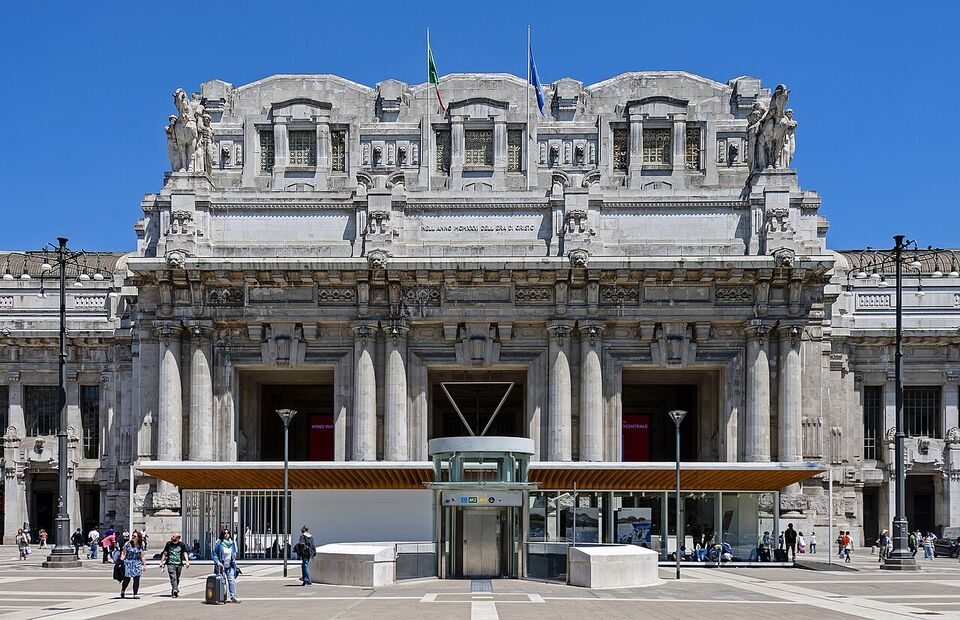
Italy is the easiest add-on, because Ticino, the Italian-speaking canton, already feels halfway there. Lugano sits close to the border, and the Gotthard line connects it to Milan. From Zurich, the same line is a longer day, so most travelers who want Milan stay a night or add it to a trip that already includes Ticino. Check the SBB app for through-trains and journey times for your date; we did not find a confirmed timetable.
Milan
Milan is a city of the Duomo, the Galleria and Leonardo da Vinci's "Last Supper", which is usually visited with a timed ticket (book ahead on the official site). From Lugano it works as a day trip if you start early. From central Switzerland, plan one night. It is a fair swap for a rainy day in Ticino.
Lake Como
You can reach Lake Como from Lugano by bus or train through Como, and from the north on the Bernina Express. The Bernina Express runs from Chur or St. Moritz over the Bernina Pass to Tirano in Italy, with panoramic cars and an average journey of about 4 hours. A seat reservation or small supplement applies, and a bus service continues from Tirano along Lake Como to Lugano. The Palm Express, a panoramic bus between the Engadine and Ticino, also needs a reservation. Check the Rhaetian Railway site for 2026-27 dates and fees, because we could not confirm them. See scenic trains.
Lake Como itself is worth a night, not a rush. Ferries connect the lakeside towns. If you only have a day, base it from Lugano or Como, and avoid weekends in high summer.
Insider tip
If you take the Bernina Express to Tirano, treat the border town as the start of a second trip, not a stop. Tirano is on the Italian side and uses euros. Plan the onward leg (bus to Lake Como and Lugano, or an Italian train toward Milan) before you leave Switzerland.
France: Chamonix, Strasbourg, Colmar and Annecy
Chamonix and Mont Blanc
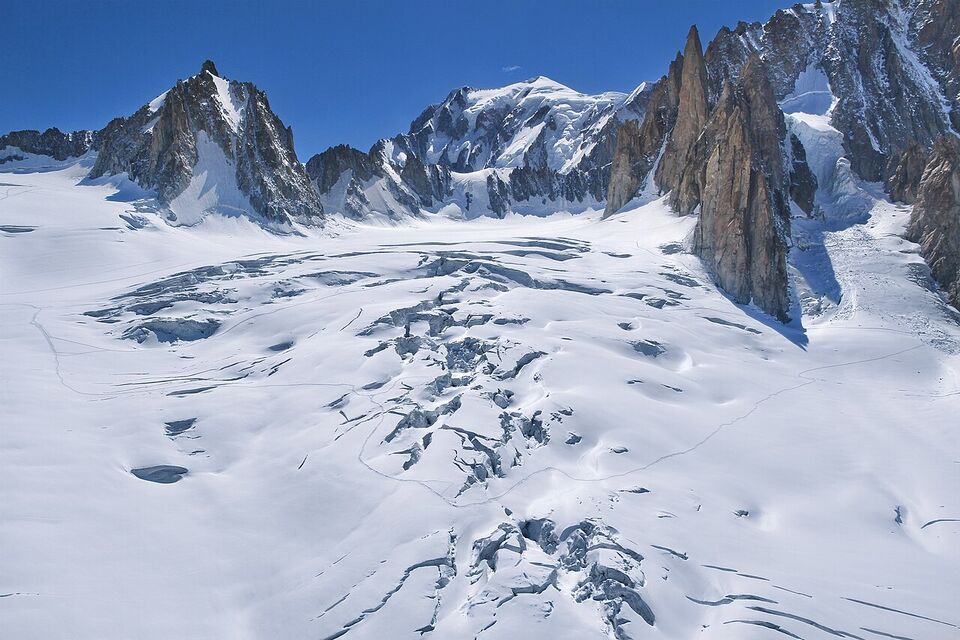
Chamonix sits below Mont Blanc, western Europe's highest peak, just over the Valais border. From Martigny, trains cross the border near Le Châtelard and continue to Chamonix; from Geneva, buses and trains also run. The trip is scenic, and the Aiguille du Midi cable car is the main draw, but both the lifts and the weather vary by day, and we did not confirm French prices or opening dates. Check the operator's site and the live webcam. If the weather is clear, Chamonix pairs well with Geneva or the Valais; in cloud, it is a poor choice. Prices are in euros.
Strasbourg and Colmar
Both are in Alsace, a short ride from Basel. Strasbourg has a cathedral, a canal-side old town and the European institutions; Colmar is smaller, with half-timbered houses and a canal quarter. They work as a day from Basel or as an overnight, and they pair well with the Black Forest. Winter Christmas markets are a draw. See our Christmas markets page for Swiss dates; Alsace dates need a separate check.
Annecy
Annecy is a lake town with canals and a medieval old town, within reach of Geneva. A direct Swiss rail link is not confirmed here, so check whether you need to change trains or take a bus. It makes a good France day for travelers who finish their trip in Geneva.
Watch out
Do not assume your Swiss ticket is valid in France. Foreign rail operators sell their own tickets, and the timetable apps may show French and Swiss legs separately. Buy the cross-border leg before you board, and check whether your pass covers any of it.
Germany: Freiburg, the Black Forest and Lake Constance
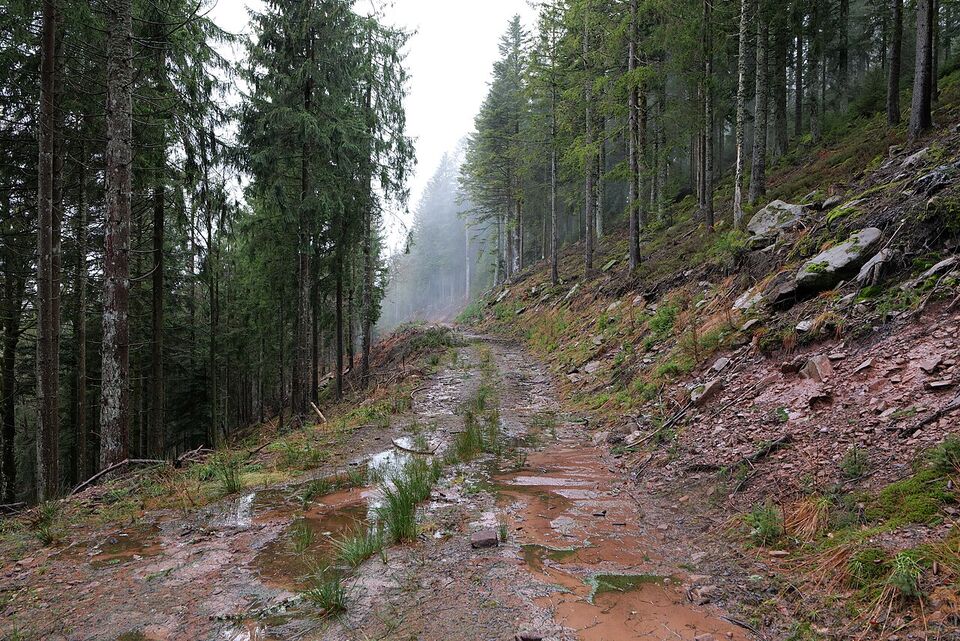
Basel sits on the border with both Germany and France, which makes it the best launch point for the Black Forest. Freiburg, a university city on the edge of the forest, is the natural stop: a pedestrian old town, a Gothic minster and a cable car to a hill above the city. Check the German rail operator for tickets and times, because Swiss and German trains use separate ticketing. Prices are in euros.
Lake Constance (the Bodensee) is shared by Switzerland, Germany and Austria. From eastern Switzerland, you can reach Konstanz by regional train, cross to Lindau or Friedrichshafen by boat, and continue to Bregenz in Austria. In summer, lake boats link several shores; confirm schedules on the operators' sites, because boat seasons shift. See lakes and Appenzell.
For a Munich trip, take a direct long-distance train from Zurich. Munich is a worthwhile city but not a day trip. Check the SBB app and the German rail operator for times and tickets, and consider a night there.
Liechtenstein and Austria
Liechtenstein is a small principality between Switzerland and Austria. It is in Schengen, and it uses the Swiss franc. Vaduz, its capital, is reached by a train to Sargans or Buchs SG followed by a bus. It is a short, easy stop if you are traveling in eastern Switzerland. Its attractions are modest: an art museum, a castle viewed from the town, and a postage-stamp sense of a micro-state. We recommend it as a half-day if you are already nearby. Check the bus operator's timetable.
Austria begins just beyond. Bregenz, on Lake Constance, has a lakeside promenade and a floating stage for its summer festival. Vienna is a long trip from Zurich by direct train; we suggest treating it as its own trip. Both use euros.
If you drive through Liechtenstein or Austria, check the vignette rules. Swiss motorway vignettes do not cover Austria. See driving.
How border checks work for an American
On arrival in Switzerland from outside Schengen, you pass the external border and, since April 10, 2026, register in the EES (see the entry rules). After that, trips among Schengen countries do not normally involve passport control. On a train from Lugano to Milan, officers may occasionally walk through the carriages and check a few people. On a bus or in a car, you may be waved through. The rule: carry your passport, keep it where you can reach it, and be polite.
The customs line is separate
Switzerland is outside the EU customs union, so a customs border still exists even though the passport border is open. Swiss customs can stop and ask what you carry. When you bring goods in from France, Italy or Germany, the Swiss rules apply: goods worth CHF 150 (about $180) or more per person owe Swiss VAT, meat and dairy from non-EU countries are restricted, and alcohol and tobacco have personal limits (5 liters up to 18% alcohol plus 1 liter above, and 250 tobacco units; check bazg.admin.ch). Do not use EU limits. Declare anything above the limits with the QuickZoll app or at the customs lane. Our entry page has the table.
Counting days
Your days in Italy, France, Germany or Austria count toward the same 90 days in any 180 as your days in Switzerland. A two-week trip is nowhere near the limit, but a month in Switzerland plus two months across the border can be. If you go beyond 90 days, you need a visa. See long stays.
Currency, phones and passes
Four of the five neighbors use the euro. At the rate we use, €1 = US$1.12, so €10 is about $11. Cards are widely accepted, but keep some euros for small cafes, markets and public toilets. Switzerland and Liechtenstein use francs, and some border towns in Switzerland accept euros at poor rates, with change in francs. Our money page has the rest.
US phone plans differ by country. Verizon's TravelPass lists Switzerland at $12 per day, and you should check your carrier's plan for Italy, France, Germany and Austria separately. A Swisscom prepaid SIM works in Switzerland; do not assume it roams cheaply abroad. See phones and Wi-Fi.
Does a Swiss pass cover the cross-border part?
The Swiss Travel Pass is designed for travel inside Switzerland, and you can only buy it if you live outside Switzerland and Liechtenstein. Whether it works on Liechtenstein buses is something to check on swisstravelsystem.com. It does not make trains in Italy, France or Germany free. Some cross-border lines have special rules, and panoramic trains such as the Bernina Express need a reservation fee or surcharge. We did not confirm what the pass covers on the Swiss side of each border or beyond, so verify on swisstravelsystem.com for your route and expect to pay for the foreign leg. A Half Fare Card follows the same logic. See Swiss Travel Pass and getting around.
Save money
Before buying a pass for a trip that includes a foreign leg, price the Swiss part and the foreign part separately. If you only cross a border once, buying that single ticket is usually cheaper than extending your pass days.
Three ways to combine Switzerland with a neighbor
Most travelers do better with one clear loop than with a list of stops. These three fit into a normal Switzerland trip without adding more than a day or two.
- Ticino plus Lombardy (two to three extra days). Base in Lugano, ride to Milan for a day, and add Lake Como on another. Finish with the Bernina Express to the Engadine or the Gotthard route north. Everything is on one rail corridor, and you only change currency once. See Lugano and Ticino.
- Basel plus Alsace and the Black Forest (two extra days). Use Basel as the hub, since three countries meet there. One day goes to Strasbourg and Colmar, another to Freiburg. You pay in euros on both days, and you return to a Swiss hotel each night. See Basel.
- Geneva plus Chamonix or Annecy (one to two extra days). Finish a trip in Geneva, then spend a day in the French Alps or at the lake. Fly home from Geneva, and allow extra time at the airport for the EES. See Geneva.
For Liechtenstein, Vaduz and Bregenz, combine them with an eastern Switzerland leg: Appenzell, St. Gallen and Lake Constance. See Appenzell.
Questions to ask before you add a border
- Do I have a full day, or will the border trip eat two half days?
- Does my Swiss pass cover any of it, or do I need a separate ticket?
- Do I need a seat reservation on a scenic or international train?
- Do I have euros, or a card that works without foreign fees?
- Will I carry goods back into Switzerland that exceed the customs limits?
- Is the weather forecast good enough for a mountain stop in France or Italy?
Mistakes to avoid
- Leaving through the wrong side at Basel EuroAirport. The airport lies on French soil and has Swiss and French sectors. Pick the exit that matches your hotel or rental car, and check the airport's map for how many zones there are. See entry rules.
- Confusion on the French side at Geneva. Geneva airport has an exit that leads to France. If your hotel is in Geneva, use the Swiss exit and follow the train signs.
- Forgetting your passport on a day trip. You may not need it at the border, but you will need it if an officer asks.
- Assuming euros work in Switzerland. Some shops accept them, but the rate is poor. Carry francs.
- Booking one-way tickets you cannot change. Cross-border tickets are often tied to a specific train. Read the conditions.
- Bringing meat or dairy back from France or Italy. The Swiss rules ban meat and dairy from outside the EU, and Swiss customs checks apply on return.
- Trying to fit too much in. One extra country in a week is plenty.
When you have chosen, go back to day trips for the Swiss options, or to the FAQ.
Add it to a route in the trip builder, or ask us to plan the hotels, trains and guides for you.