Where the money goes
Switzerland is expensive because wages and prices are high across the board, and a first trip tends to cost more than visitors expect. Four categories take most of the budget: lodging, rail and bus fares, restaurant meals, and the mountain excursions that most people come for. The good news is that each of these has a cheaper version, and the savings add up without ruining the trip.
We do not quote hotel rates or restaurant prices in this guide, because we could not confirm current figures for 2026-27. Where we give a price, it is from an official source or a named reseller, and we say so. For exchange-rate math, we use CHF 1 = US$1.19, the site rate; see money in Switzerland for cards, cash and ATMs, and the budget planner for a calculator.
The order of savings is roughly: lodging and meals first, because you pay them every day; then transport, because the right pass or card can change the total; then excursions, because one expensive ride can cost as much as a night in a hostel. The sections below follow that order.
Rail passes and the Half Fare math
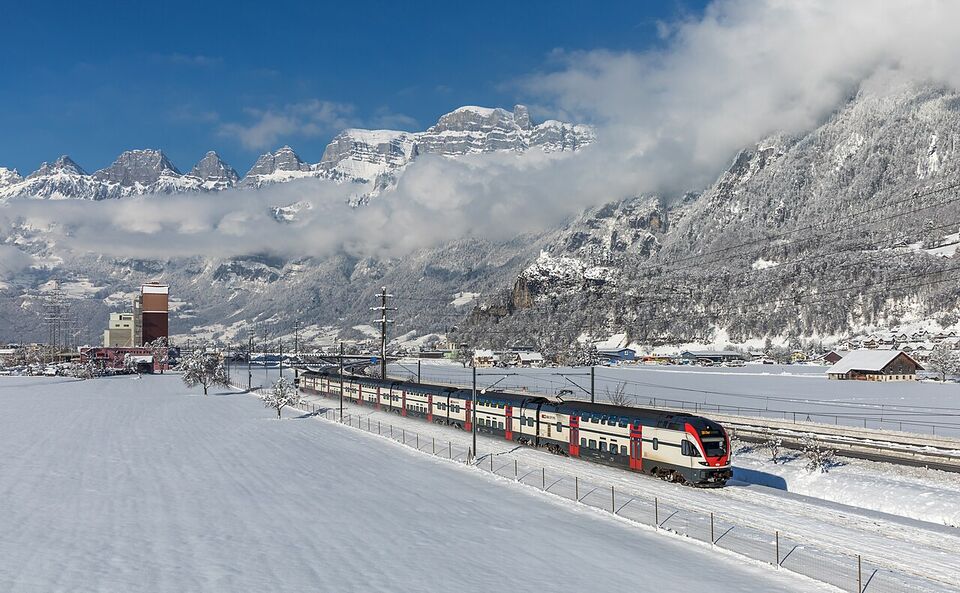
The Swiss Travel Pass gives unlimited train, bus and boat travel for consecutive days (or flexible days in the Flex version), plus public transport in more than 90 towns and free entry to more than 500 museums. Rigi, Stanserhorn and Stoos are included at no extra cost, and many other mountain railways are discounted by up to 50 percent. The 2026 adult prices in 2nd class are CHF 254 (about $300) for 3 days, CHF 309 (about $370) for 4 days, CHF 399 (about $475) for 6 days, CHF 439 (about $520) for 8 days and CHF 499 (about $595) for 15 days. These are 2026 prices; pass prices are not rising in the December 2026 round, but check for 2027 price lists before you buy.
The alternative is the Swiss Half Fare Card at CHF 150 (about $180) for one month. It halves the price of train, bus, boat and most mountain railway tickets. It is only for people who live outside Switzerland and Liechtenstein, and children under 16 travel free with a parent who has the card and the free Swiss Family Card.
Which is cheaper depends on how much you would spend on tickets at full price. This table is our arithmetic, not an official tool. It shows the full-fare value of your train tickets below which the card plus half-price tickets beats each pass. If your point-to-point tickets, at full price, total less than the figure shown, the card wins. If they total more, the pass wins before counting its extras.
| Adult 2nd-class pass | Pass price in francs | Card wins if full fares are under, in francs | US$ (about) |
|---|---|---|---|
| 3 days | 254 | 208 | $250 |
| 4 days | 309 | 318 | $380 |
| 6 days | 399 | 498 | $590 |
| 8 days | 439 | 578 | $690 |
| 15 days | 499 | 698 | $830 |
The math: the pass price minus the card price, doubled. For the 8-day pass, that is (439 - 150) x 2 = CHF 578 (about $690). We could not confirm point-to-point fares for the main routes, so we cannot say where your trip falls. Look up your own legs on the SBB app, add up the full fares, and compare. Also remember that the pass includes museums, boats, local transport and some mountain rides that the card only halves, so a total close to the line favors the pass.
The Half Fare Card also halves ticket prices that the pass only discounts. Two examples at official prices: the Gornergrat railway return from CHF 102 (about $120) falls to CHF 51 (about $61), and the Pilatus summer excursion at CHF 84 (about $100) falls to CHF 42 (about $50). Those two rides alone save CHF 93 (about $110), which is about 60 percent of the cost of the card.
Save money
The Saver Day Pass is an SBB day ticket whose price rises as the date gets closer. With a Half Fare Card it starts from CHF 29 (about $35) in 2nd class and CHF 49 (about $58) in 1st; the regular Day Pass with a Half Fare Card is CHF 78 (about $93) in 2nd class and CHF 128 (about $150) in 1st. New prices apply to certain Day Passes from December 13, 2026, so check the SBB site for your travel date. We could not confirm the price without a Half Fare Card.
Eating well for less
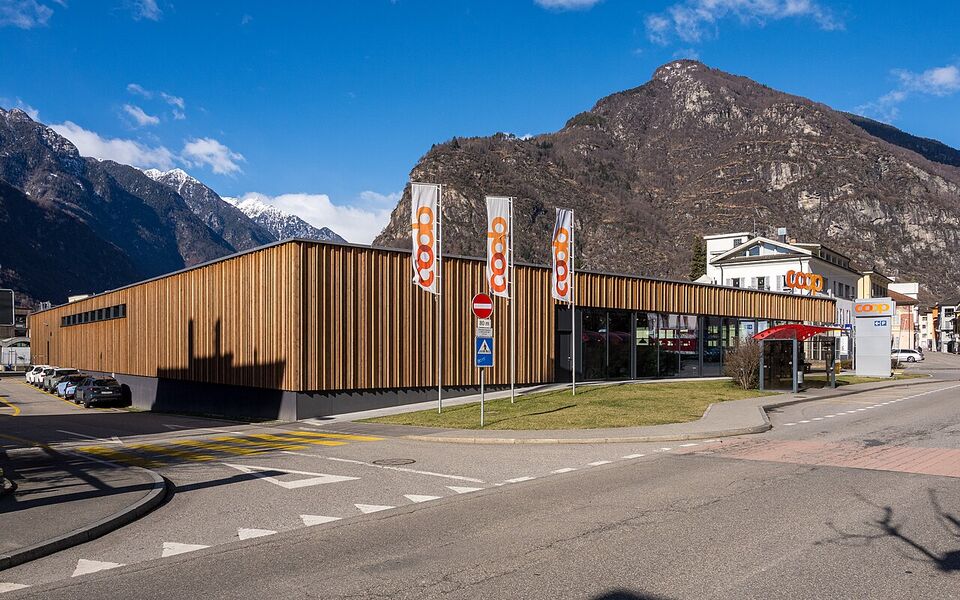
Food is where the savings feel easiest. The two big supermarket chains, Coop and Migros, are common in towns and at many stations, and many have ready-made salads, sandwiches and hot takeaway counters. We have no confirmed prices, so compare a supermarket sandwich and fruit with a restaurant lunch and you will see the gap. A bakery is another cheap stop: a Gipfeli (croissant) or a savory pastry with coffee is a decent breakfast if your hotel does not include one.
- Picnic. Lakefront promenades and park benches are everywhere, and a supermarket picnic with bread, cheese, fruit and chocolate feeds two people better than a restaurant sandwich. Many shops are closed on Sundays except at stations, airports and tourist resorts, so buy on Saturday and check local hours.
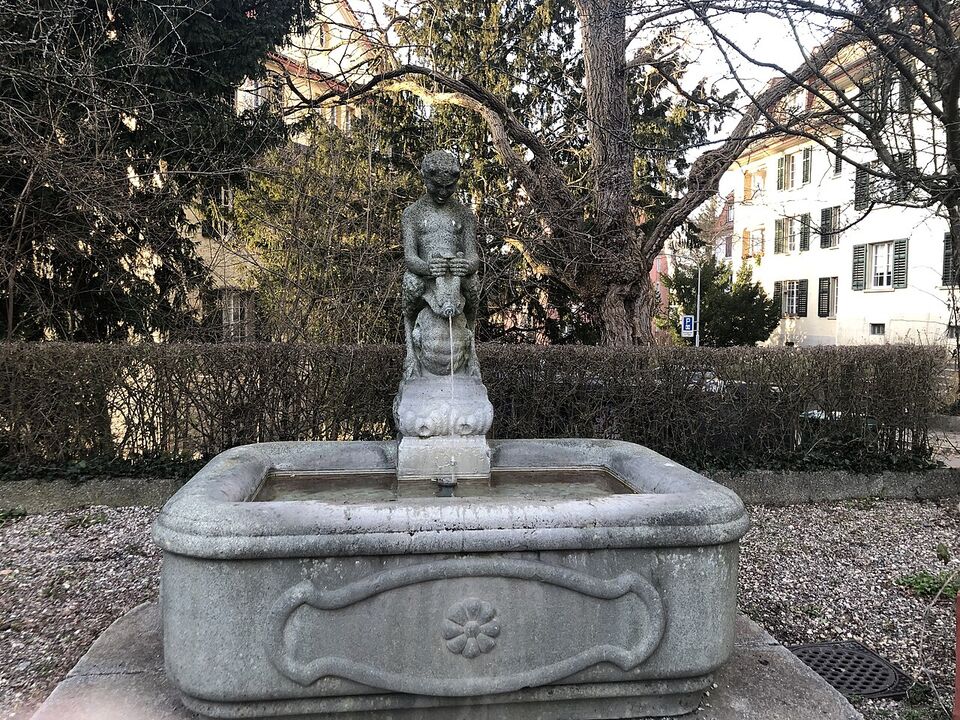
- Tap water. Public fountains in most towns carry drinkable water, unless a sign says kein Trinkwasser (not drinking water). Refill a bottle.
- Lunch menus. Many restaurants offer a set lunch or a dish of the day (Tagesmenü in German, menu du jour in French). Making lunch your hot meal and dinner something light is a classic way to eat out for less. We have no confirmed prices, so check the board outside.
- Service is included. A restaurant bill normally includes service, so you can round up or leave a few francs for good service. You do not need to add 15 to 20 percent. Do not tip out of habit.
- Self-catering. An apartment or a hostel kitchen lets you make breakfast and some dinners. Plan the main restaurant meal for a special place and shop for the rest.
For what to eat, see Swiss food and Swiss chocolate. Chocolate from a supermarket is the cheap souvenir; keep the receipt if you shop heavily, because goods worth CHF 150 (about $180) or more per person trigger Swiss VAT when you enter the country, and US customs gives returning residents an $800 exemption.
Lodging that does not break the budget
Lodging is the largest single cost, and the main choices are covered in where to stay. The budget moves that matter most:
- Choose a hotel with breakfast included. The Federal Tax Administration applies a special VAT rate of 3.8 percent to a night with breakfast, and a big breakfast can replace a meal.
- Ask for the guest card. Geneva gives guests in approved hotels, hostels and campsites a free transport card for the stay. Basel has the free BaselCard, and the Ticino Ticket gives free public transport at partner places. See where to stay.
- Consider a hostel. Many have private and family rooms and are a rare cheap option in Interlaken and Zermatt.
- Use a cheaper base. The headline villages cost the most. A town with a station a few stops away often costs less and reaches the same sights. Bern is a calmer city base, and Lugano and Basel have guest cards. Check prices for your dates, since we cannot confirm rates.
- Travel in the shoulder season. Weekday and off-peak nights are cheaper in many places, and cities may be cheaper at weekends.
- Self-cater. A kitchen cuts costs, especially for families.
Tourist tax is a small extra: about CHF 1.10 (about $1.30) per person per night in Lucerne, and a few francs elsewhere. It is worth knowing about so that it does not surprise you at check-out.
Choosing excursions: cheaper peaks, not just the headline ones
The famous peaks cost the most. Rides to the Jungfraujoch, Gornergrat and Titlis are major expenses, and the best-known view is not always the best value. We have the following official or reseller prices, and all can change.
| Excursion | Price | Notes |
|---|---|---|
| Harder Kulm, Interlaken | From CHF 19 (about $23) | Funicular, 10 minutes; alphorn concerts daily from 6:30 p.m. at the Panorama Restaurant |
| Grindelwald First | From CHF 38 (about $45) | Summit 2,166 m (7,106 ft); the cable car may be closed in late November, so check |
| Pilatus, summer excursion | CHF 84 (about $100) | CHF 42 (about $50) with Swiss Travel Pass or Half Fare Card |
| Gornergrat, Zermatt | From CHF 102 (about $120) | 50 percent off with a Half Fare Card or Swiss Travel Pass |
| Jungfraujoch, from Grindelwald Terminal | From CHF 129.60 (about $155) | From Interlaken, roughly CHF 200 (about $240) or more; check jungfrau.ch |
| Rigi, Stanserhorn, Stoos | Included with the Swiss Travel Pass | Check maintenance closures before you go |
A sensible approach is to pick one headline ride that you truly want, and fill the other days with smaller mountains, lake boats and walks. If you hold a Swiss Travel Pass, use the included rides first, such as Rigi. If the sky is cloudy, skip the expensive ride and use the day for something else. See mountain excursions for the full comparison and hiking for free alternatives.
Timing can save money too. At Matterhorn Glacier Paradise, the pre-season rate from November 1, 2026 to April 30, 2027 is CHF 104 (about $125) for a return, against CHF 132 (about $155) in July and August. Check for closures and construction before you pay: the Titlis Rotair cabin is out of operation until December 12, 2026, and summit works run from December 13, 2026, so part of the summit may be closed.
Insider tip
Look at the operator's live webcam before you buy a ticket for a mountain. If the summit is in cloud, the ride is the same price and the view is gone. Keep one spare day in each mountain base and move your ride to the clearest day.
Shoulder season and weekdays
Timing changes prices as much as choices do. Late spring and early autumn usually bring lower lodging prices than July and August, though many mountain lifts and hotels close for parts of April-May and November. The trade-off is real: you save on the room but may lose the ride. Check the operator's calendar for the exact lifts you want before you book a cheap off-season stay, and have a lower-altitude plan for weather days. Our when to go guide covers the seasons month by month.
Free and cheap things to do
A lot of Switzerland's pleasure costs nothing. Old towns, lake promenades and covered bridges are open to walk through. Lucerne's Chapel Bridge, a wooden bridge first built in the 14th century, is always walkable. Hiking trails are free, and the main cost is the lift. Geneva's Christmas market, Noel au Quai, has free entry from November 19 to December 24, 2026. CERN Science Gateway near Geneva has free admission, and you must register. The Jet d'Eau, 140 m high, can be seen from the lakeside.
For paid museums, the Swiss Travel Pass includes more than 500 of them, and the Swiss Museum Pass gives a year of free entry to more than 500 museums and castles. Until December 31, 2026 it is CHF 147 (about $175) instead of CHF 177 (about $210). It only pays off if you plan many museum visits that it covers, so check the list. If you hold a Swiss Travel Pass, you already have this benefit.
If you are traveling in winter, see December in Switzerland and Christmas markets for free events.
Small costs that add up
- Phone. Verizon TravelPass is $12 per day for the days you use it, so a week is about $84. A Swisscom prepaid flat for 7 days is CHF 20 (about $24), with unlimited surfing in Switzerland. A 30-day flat is CHF 65 (about $77). The Swisscom eSIM can be bought abroad but works only after the phone first connects to the Swisscom network in Switzerland. Check your own carrier's plan first.
- Luggage. SBB sends a bag from one station to another for CHF 12 (about $14) per item, up to 23 kg, which is useful when you change hotels. A valid ticket for the whole route is needed.
- Cards. Pay in francs, not dollars, when the terminal asks, and use a card with no foreign-transaction fee. Euros are accepted in a few tourist places at poor rates.
- Cash for small things. Some huts, farm shops, lifts and parking machines still want cash.
For packing that reduces costs, such as a refillable bottle and layers instead of buying gear, see the packing guide.
A sample low-cost day
Here is a sample day built around Interlaken. We give prices only where they are confirmed, and it is a model, not a promise that every item is available on your date; check operating days before you go.
- Morning
Breakfast at the hotel and a supermarket picnic
Eat the included breakfast, then pick up bread, cheese, fruit and a refillable bottle's worth of tap water. Fill the bottle from a fountain with a drinking-water sign.
- Midday
Harder Kulm
Walk from the station area to the funicular and ride up for a lake-and-peaks view, from CHF 19 (about $23). Have your picnic at the top or in a lakeside park. This is the budget alternative to the Jungfraujoch.
- Afternoon
Lake walk or a free viewpoint
Spend the afternoon on a lakeside walk, which costs nothing. If you hold a pass, add a boat ride included in it.
- Evening
A light dinner
Shop for dinner or share a simple dish, and save the restaurant meal for another night. The operator lists alphorn concerts daily from 6:30 p.m. at the Harder Kulm Panorama Restaurant, if you want to stay for it; check the season.
What not to economize on
- Travel insurance. Medical care in Switzerland is high quality and expensive for visitors. A Rega helicopter mission costs around CHF 4,500 (about $5,350) on average. Rega patronage costs CHF 40 (about $48) for adults and may help with mountain rescue costs in Switzerland, but it does not replace travel insurance. Buy a policy that covers medical care, rescue and evacuation. See health and safety.
- Seat reservations on panoramic trains. The Glacier Express needs a reservation with a surcharge even with a pass. Other panoramic trains such as the Bernina Express also ask for a reservation or a supplement; check the operator. See scenic trains.
- A guaranteed seat on busy mountain trains. The Jungfraujoch guaranteed seat is CHF 10 (about $12) and the operator strongly recommends it in good weather.
- A hotel near the station. Saving a little on a far-off hotel can cost time and taxi fares.
- Footwear and rain gear. Cheap shoes can end a hiking day.
- Flexibility. A canceled-for-free rate is worth a small premium when the weather decides your day.
False economies
- Buying a pass you will not use enough. Do the math above. A pass for 15 days is a poor buy for a trip with 8 train days.
- Skipping the Half Fare Card on a trip full of mountain rides. It halves them.
- Renting a car to save on trains. Fuel, parking and the CHF 40 (about $48) vignette add up, and cities are costly to park in. See driving in Switzerland.
- Staying far away to save on a room. The saving disappears in transport and time.
- Cheapest ticket, wrong train. Discounted tickets can come with conditions on the train or the date. Read them before you buy.
- Not checking closures. Paying for a mountain trip and finding the lift closed costs more than any discount.
For help turning these ideas into a plan, see plan your trip and getting around.
Add it to a route in the trip builder, or ask us to plan the hotels, trains and guides for you.