Overview
Most first trips to India follow the same circuit of Delhi, Agra and Jaipur, and for good reason. But travelers who care about one thing in particular, whether that is food, yoga, wildlife or trains, often get more from a route built around it. This page is the hub for that approach. It matches interests to destinations, points to the full guides, and ends with a short list of what to skip if you only have a week.
It does not repeat the destination pages. Each place named here has its own guide with sights, tickets, seasons and places to stay. Use this page to decide where to look first, then follow the links. If you have not chosen the basic shape of the trip, start with planning your trip, and for geography see India's destinations.
Two general rules apply to every interest. First, match the season to the activity: wildlife, hill stations, beaches and festivals each have a best window and a closed or wet window, and the shoulder months can be disappointing. Second, fewer bases beats more. An interest is better served by three unhurried days in the right place than by a quick visit to five.
Interests and where to go
The table is a starting point. The "pages" column names the guides to read next.
| Interest | Where to go | Pages to read |
|---|---|---|
| History and architecture | Delhi, Agra, Jaipur, Rajasthan's forts, Hampi, Tamil Nadu's temples | Delhi things to do, Agra and the Taj Mahal, Jaipur, Udaipur, Jodhpur and Jaisalmer, Bengaluru, Mysuru and Hampi, Chennai and Tamil Nadu |
| Food | Delhi and Amritsar for northern food, Kolkata for Bengali food, Kerala and Tamil Nadu for southern food, Goa for seafood | Indian food, chai, water and alcohol, Amritsar, Kolkata, Kerala |
| Yoga and wellness | Rishikesh and Haridwar, Mysuru, Kerala | Yoga and Ayurveda, Rishikesh and Haridwar, Bengaluru, Mysuru and Hampi, Kerala |
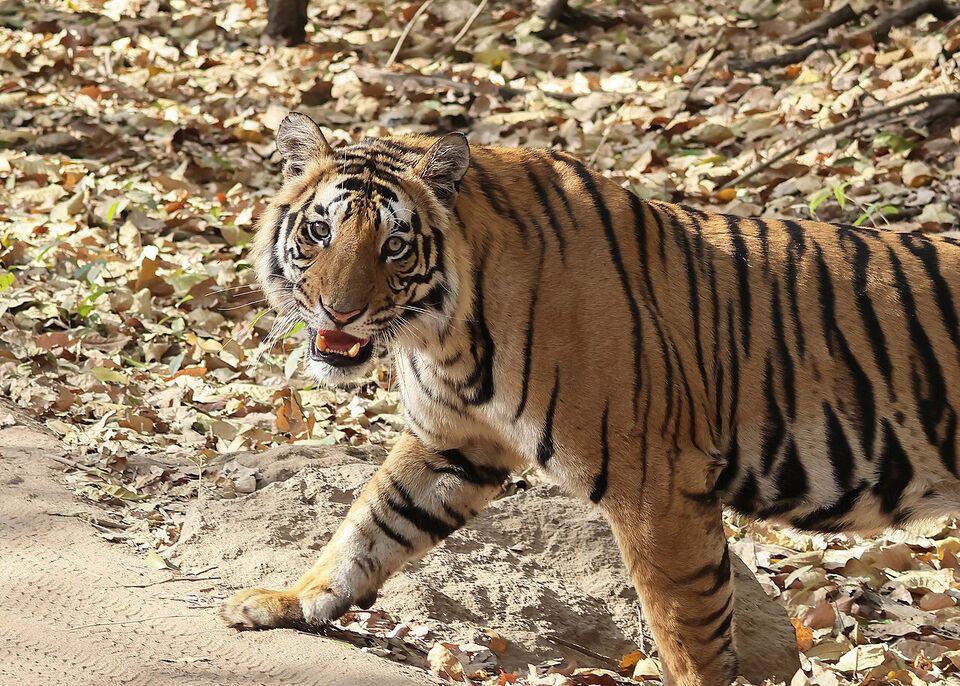
| Wildlife | Ranthambore, Corbett, Bandhavgarh, Kanha, Kaziranga, Periyar, Gir | tiger safaris and wildlife, Jaipur |
| Spirituality and pilgrimage | Varanasi, Amritsar, Rishikesh and Haridwar, Madurai and the south | Varanasi, Amritsar, Rishikesh and Haridwar, visiting temples, mosques and gurdwaras |
| Trains | Any long route; the fast services between big cities; the hill railways | trains in India, flights, drivers and rickshaws, Himachal, Ladakh and Darjeeling |
| Hill stations | Himachal's hill towns, Darjeeling, the Western Ghats | Himachal, Ladakh and Darjeeling, Bengaluru, Mysuru and Hampi, Kerala |
| Beaches | Goa, Kerala's coast, the Karnataka and Tamil coasts | Goa, Kerala, Chennai and Tamil Nadu |
| Himalayan trekking | Himachal, Ladakh, Darjeeling and Sikkim | Himachal, Ladakh and Darjeeling, health and air quality, e-Visa and entry rules |
| Shopping and crafts | Jaipur's bazaars, Delhi's markets, Kolkata, Mysuru, Kerala | shopping and taking things home, Jaipur, Delhi |
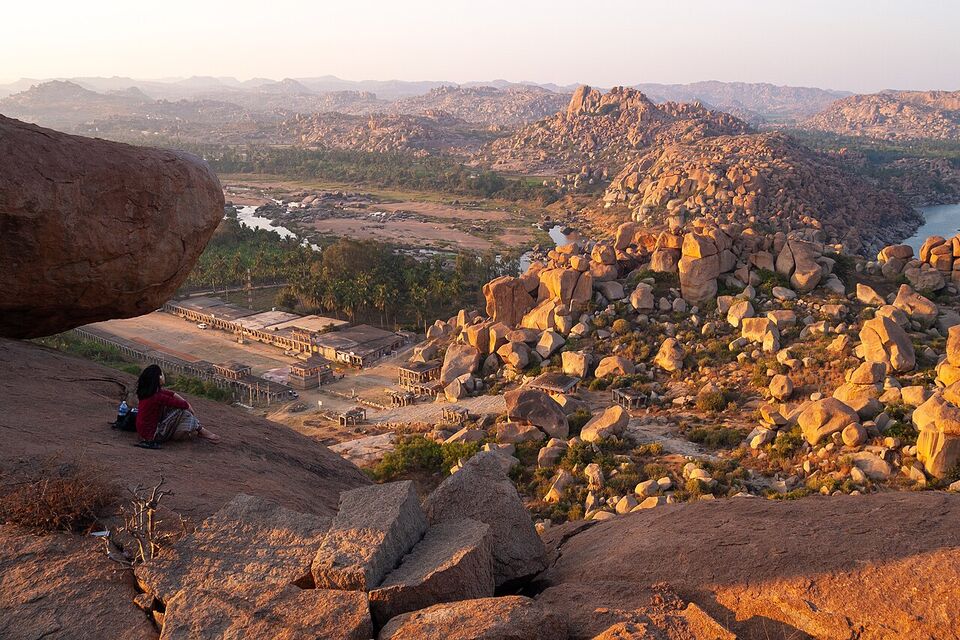
| Photography | Varanasi at dawn, Rajasthan, Kerala's backwaters, Hampi, tiger reserves | Varanasi, Udaipur, Jodhpur and Jaisalmer, tiger safaris and wildlife |
| Festivals | Delhi and the north for Diwali and Holi, Kolkata for Durga Puja, Mysuru for Dasara, Pushkar for the camel fair | Diwali, Holi and festivals, Kolkata, Bengaluru, Mysuru and Hampi |
Beyond these twelve, some trips are shaped by who is traveling. women travelers, families, long stays and visas and traveling with a pet cover those situations, and each links back to the destinations that suit them.
History and architecture
For monuments, the Golden Triangle is the strongest single block: Delhi's forts, tombs and mosques, Agra's Taj Mahal and fort, and Jaipur's palaces and observatory. Rajasthan's lake and desert cities add more fortified palaces, and the south adds a very different tradition of temple architecture in Chennai and Tamil Nadu, with Hampi in Bengaluru, Mysuru and Hampi as the great ruined city.
Foreign visitors pay a higher price than Indian residents at most monuments, and the Taj Mahal is closed on Fridays. Check the price and the closed day for every site you want to see, and group sights by area to avoid doubling back. Delhi things to do does that work for the capital, and Agra and the Taj Mahal covers tickets and the Taj in detail.
Food
Food is a reason to travel in its own right, and the best approach is to follow the regions. The north is known for breads, tandoor dishes, rich curries and Punjabi food in Amritsar. Bengal has fish and sweets. The south has rice, dosas, coconut and banana-leaf meals, and the coast adds seafood. Goa blends Portuguese and Indian influences.
The main food guide, Indian food, covers regional dishes, vegetarian habits and how to eat safely, and chai, water and alcohol covers chai, filter coffee, safe water and alcohol rules. A few practical notes: choose busy stalls where food is cooked fresh and served hot, drink only sealed bottled or filtered water, and be careful with ice and raw salads. Some states are dry, and alcohol rules differ by state, so check before you plan a drinks-centered stop.
Yoga and wellness
Yoga and Ayurveda can be a short class or a long program. Rishikesh and Haridwar on the upper Ganges are the best-known yoga base, Mysuru has a long yoga tradition, and Kerala is known for Ayurveda treatments. The guide at Yoga and Ayurveda explains how to tell a serious program from a tourist trap, what a retreat involves and what health cautions apply.
The e-Visa allows short courses such as yoga, language, cooking and music of up to six months with no certificate, and volunteer work of up to one month without pay. For anything longer or more formal, check the visa rules in long stays and visas and e-Visa and entry rules. Apply only through the official portal, indianvisaonline.gov.in, and ignore look-alike agent sites.
Insider tip
Rishikesh is a vegetarian, alcohol-free city, and that shapes the food and the nightlife. If you want a social scene, choose a different base and visit Rishikesh for a few days of classes.
Wildlife
Tiger reserves, rhino grasslands and lion forests each need their own planning. Ranthambore is the easiest to combine with a classic route; the central Indian parks suit a longer, quieter trip; Kaziranga is for rhinos. The page tiger safaris and wildlife covers the parks, the best months, how to book through the official forest portals, the jeep versus canter choice and the rules.
The key points are the same for every park: book early, plan several safaris in one park instead of one drive in many, and accept that sightings are never guaranteed. Wildlife is also the one interest where the monsoon closes the door, so check the closure dates before you book flights.
Spirituality and pilgrimage
India is home to several living faiths, and many of its great sights are places of worship in daily use. Varanasi on the Ganges, Amritsar's Golden Temple, Haridwar and Rishikesh, and the temple towns of the south reward a respectful, unhurried approach. The practical rules on shoes, dress, head coverings and photography are in visiting temples, mosques and gurdwaras and etiquette.
Go as an observer, not a spectator. Dress modestly, remove shoes where asked, ask before photographing people and ceremonies, and do not treat rituals as a show. In some temples, entry is limited to followers of the faith, and the rules differ by site, so check before you go. We describe customs respectfully and without ranking any tradition, and we recommend following the posted rules and the guidance of staff at each place.
Trains
For some travelers, the train is the trip. India has one of the world's largest rail networks, and the experience, from the platform life to the chai sellers, is part of the country. The comfort of the fast services between big cities is a good place to start, and long overnight journeys are a different kind of adventure. trains in India explains classes, booking, wait lists and safety, and flights, drivers and rickshaws covers alternatives.
Reserved tickets for the general public can be booked up to sixty days ahead, and Tatkal tickets open a day before departure at higher fares and are not refundable once confirmed. Foreign visitors may be able to book further ahead; check IRCTC, and book early on busy routes. The hill railways around Darjeeling and Shimla are covered in Himachal, Ladakh and Darjeeling, and a history-minded rider will find the old narrow-gauge lines worth a morning.
Hill stations and the Himalaya
The hills offer cool air and a break from the plains' heat. Himachal's hill towns, Darjeeling, and the Western Ghats in Karnataka and Kerala are the usual choices, and each has its own season. Roads close or slow in the monsoon and after landslides, and the high passes open only for part of the year, so check with an operator before you go.
For trekking, the main guide is Himachal, Ladakh and Darjeeling. Altitude is the key health issue: Leh sits at 11,562 ft (3,524 m), and a slow ascent and rest days matter. Some border and protected areas need a permit for foreigners; check the rule for your route before you go. health and air quality covers altitude sickness and what to bring, and e-Visa and entry rules covers the permit rules we have confirmed.
Beaches
Goa is the best known beach state, with a long coast of different moods from lively to quiet, and Kerala has beach resorts alongside its backwaters. The dry months, roughly November to February, are the usual beach season, while the monsoon brings rough seas and closed beach shacks. See Goa and Kerala for where to stay and how to choose a stretch of coast.
Swim only where the beach is marked as safe and where lifeguards are present, heed red flags, and avoid swimming after drinking alcohol. Dress conventions differ between a resort beach and a public one, so look at what other people are wearing and follow suit.
Shopping and crafts
India is a good place to buy textiles, jewelry, spices, tea and handicrafts. Jaipur's bazaars are known for crafts and jewelry, Delhi's markets are large and varied, and Kerala and Mysuru have spices, sandalwood and silk. shopping and taking things home covers what to buy, how to bargain, how to avoid fakes and what US Customs allows you to bring home.
Two cautions apply. Be careful with tour-linked shops that pay commissions to drivers and guides, and avoid buying anything that you cannot take home legally, such as ivory or protected-species products. For more on common tricks, see scams.
Photography
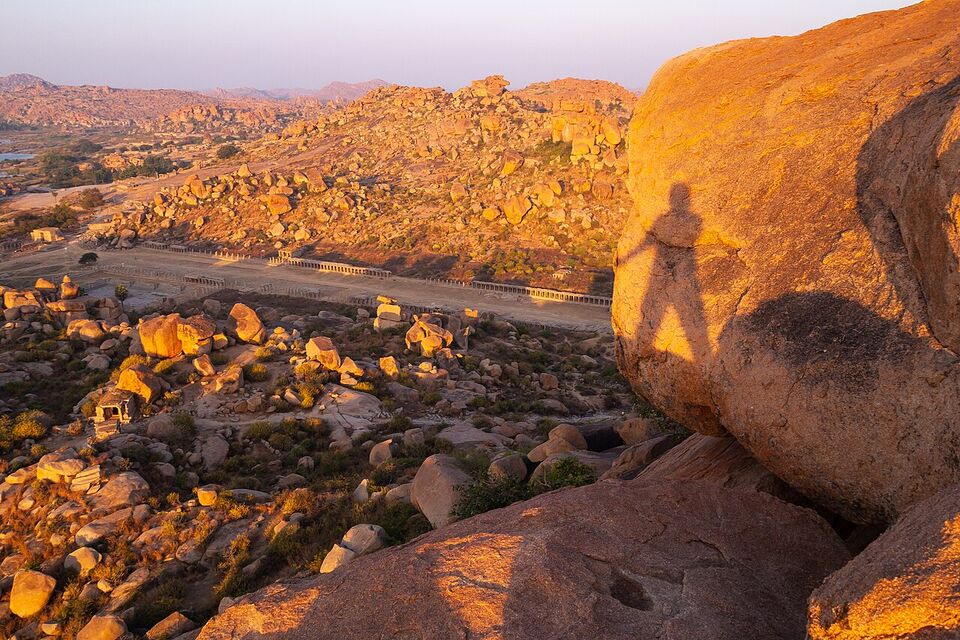
Photographers are well served by India's light, color and street life, and there is no single best place. Varanasi at dawn, Rajasthan's forts and bazaars, Kerala's backwaters, Hampi's boulders and the tiger reserves all repay a patient approach. Early morning and late afternoon give the best light and cooler working conditions.
Ask permission before photographing people, especially at religious sites and during ceremonies, and respect any rules against cameras or tripods. Drones are restricted in many places, including the Taj Mahal, where they are banned. Keep camera gear in a bag that does not look like a camera bag, and carry a rain cover in the monsoon.
Festivals
A festival turns a destination into an event, but it also changes closures, prices and crowds. Diwali, Holi, Navratri, Durga Puja, Eid and regional events all follow calendars that move each year. Diwali 2027 falls on October 29, 2027; Holi falls in March 2027, and the exact date needs checking. Durga Puja in Kolkata is expected in early October 2027. The Hornbill Festival in Nagaland runs from December 1 to 10, 2026, and Republic Day is January 26.
The page Diwali, Holi and festivals explains how each festival affects travel and how to take part respectfully. Book rooms and trains early for any big festival, expect crowds and closures, and treat processions and rituals with the same courtesy as a service in a place of worship. Some festival days are dry days for alcohol, so check state rules.
How to combine interests
Most travelers have more than one interest, and the trick is to give each a place in the route without turning the trip into a checklist. Some combinations are natural. History and food go together in almost every city, because the old quarters of Delhi, Amritsar and Kolkata are where the best-known street food and the oldest buildings sit side by side. Yoga and Kerala share a calm pace and a similar season. Wildlife and Rajasthan share a dry, cold-season window, and a tiger park makes a good rest from sightseeing.
Other pairs compete for the same days. Beaches and hill stations rarely share a good season, so choose one or travel in the months when both work. Festivals and quiet pilgrimage rarely mix, because a major festival fills the very places where you might want calm. Trekking and a rest-focused trip need different fitness and different gear, so keep them in separate blocks.
A useful method is to give each interest a "main stage" and a "side dish." Decide which one the trip is for, give it the most days, and let the others fit around it. If food is the main stage, spend more days in the cities with the strongest regional kitchens and use history as the side dish. If wildlife is the main stage, give the park three nights and let a city stay at either end carry the sightseeing.
Matching interests to the season
Seasons decide which interests are open. The cool, dry months from about November to February are the main window for the plains, the beaches and the parks, and they are also the busiest. The monsoon, from about June to September, closes tiger reserves, makes the beaches rough and turns the south and the west coast green and wet. Spring and autumn are the windows for many hill towns, and Ladakh is a summer destination.
Month-by-month detail is on when to go, and the shorter month pages, India in November, India in December and India in January, cover the busiest part of the year. If your dates are fixed, choose the interest the season supports, not the one it undermines.
What to skip if you have one week
A week in India is short, and the temptation to see everything is strong. The better trip is a smaller one. Here is what we would cut first.
- The second region. Pick the Golden Triangle or Kerala and stay put. A second region costs a day or more of travel.
- Distant parks and the far north. Tiger reserves, Ladakh and the northeast each need extra days for transfers and permits.
- Long overnight trains, unless the train is the point of your trip. A short flight saves a day.
- A third city in the same block. If your week is the Golden Triangle, do not add a fourth stop.
- Anything seasonal that is out of season. Skip beaches in the monsoon, hill stations in a landslide period and parks during their closures.
What to keep: one main interest, a rest day, and a buffer around the flight home. If you want a wildlife taste, add a single park instead of several. If you want yoga, choose one base and stay for the whole week.
Watch out
Do not add distant add-ons at the end of a short trip. A fog-delayed flight or a closed road can strand you, and the international flight home waits for no one. Leave a buffer day at the end.
Common mistakes
- Choosing an interest that is out of season, such as a beach in the monsoon or a safari during a park closure.
- Booking too many bases and spending the trip in transit.
- Booking festivals late, when rooms and trains are full.
- Skipping the official sources: using look-alike e-Visa sites or unlicensed permit agents.
- Forgetting that some interests need health planning, such as altitude, malaria medicine or vaccines.
When you are ready for the next step, the route-planning page at planning your trip and the destinations hub at India's destinations pull the pieces together, and when to go tells you which months suit each interest.
Add it to a route in the trip builder, or ask us to plan the hotels, trains and guides for you.