Overview
India has festivals in every month, and most visitors will meet one without planning to. Some are national, some belong to a single state, and many follow lunar calendars, so their dates shift every year on the Western calendar. Only three holidays have fixed dates for the whole country: Republic Day on January 26, Independence Day on August 15 and Gandhi Jayanti on October 2. Christmas on December 25 is also a fixed holiday.
A festival can be the best part of a trip or the reason a train is full and a shop is shut. The useful questions are when each one falls, which places are busiest, how it changes transport and prices, and how to take part without causing offense. This page answers them. We verified the information in November 2026; for moving dates, confirm with an official calendar or the organizers close to your trip. For the seasons themselves, see when to go to India.
The festival calendar, month by month
Dates marked "check" are not confirmed in an official source we could read. Lunar dates can differ by a day between regions.
| Festival | Season | Dates in 2026-27 | Where it is biggest |
|---|---|---|---|
| Makar Sankranti, Pongal, Uttarayan | January | Around January 14, 2027 (check) | Gujarat (kites), Tamil Nadu (Pongal), much of India |
| Republic Day | January | Tuesday, January 26, 2027 | Delhi parade; national holiday |
| Holi | March | Full moon of Phalguna, March 2027 (check) | North India, Mathura and Vrindavan, Rajasthan |
| Eid al-Fitr | Moves yearly | Follows the Islamic calendar (check) | Cities with large Muslim communities |
| Ganesh Chaturthi | August-September | Late summer (check) | Mumbai, Pune, Maharashtra |
| Onam | August-September | Late summer (check) | Kerala |
| Navratri and Dussehra | September-October | October 2026 (past); check for 2027 | Gujarat, north India, Mysuru |
| Durga Puja | October | October 16-21, 2026 (past); about October 5-10, 2027 (check) | Kolkata and West Bengal |
| Diwali | October-November | November 8, 2026 (past); October 29, 2027 | All of India |
| Pushkar Camel Fair | November | Around November 17-24, 2026 (check) | Pushkar, Rajasthan |
| Guru Nanak Jayanti | November | About November 24, 2026 (some sources say 25) | Amritsar, Punjab |
| Hornbill Festival | December | December 1-10, 2026 | Nagaland |
| Christmas | December | December 25 | Goa, Kerala, Kolkata, the northeast |
| Kumbh Mela | Periodic | Haridwar in March 2027; Nashik-Trimbakeshwar in 2027 (dates conflicting) | Haridwar, Nashik |
The Nashik-Trimbakeshwar Simhastha (a Kumbh Mela) is described by one reference page as taking place in July and August 2027, while news headlines mention a flag-hoisting on October 31, 2026. Bathing dates matter and are not confirmed here; check the Maharashtra government and the official Kumbh pages.
Diwali
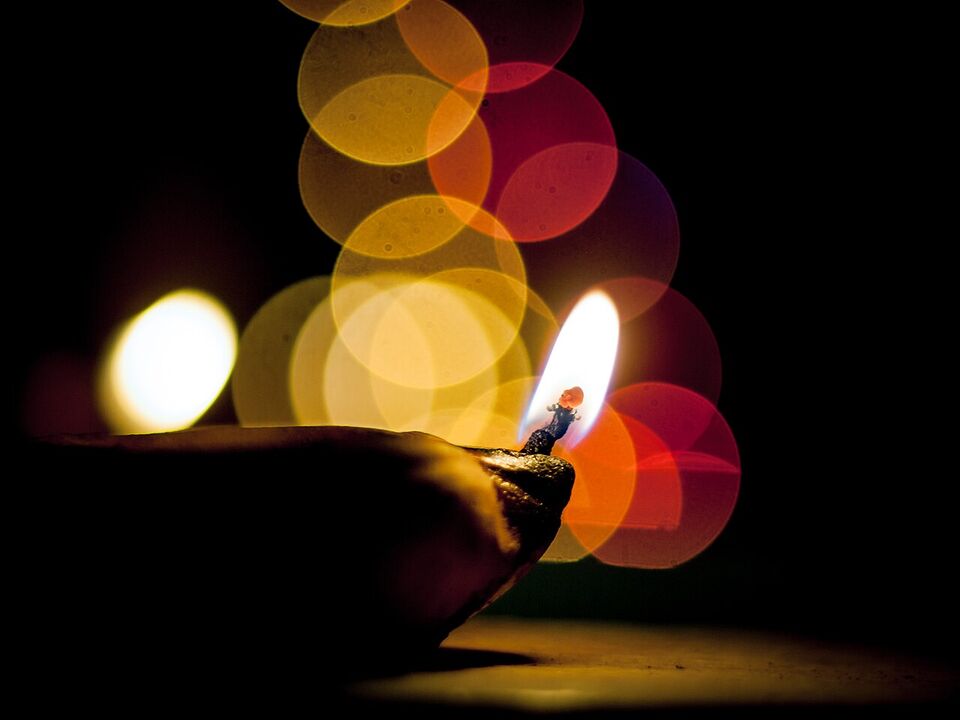
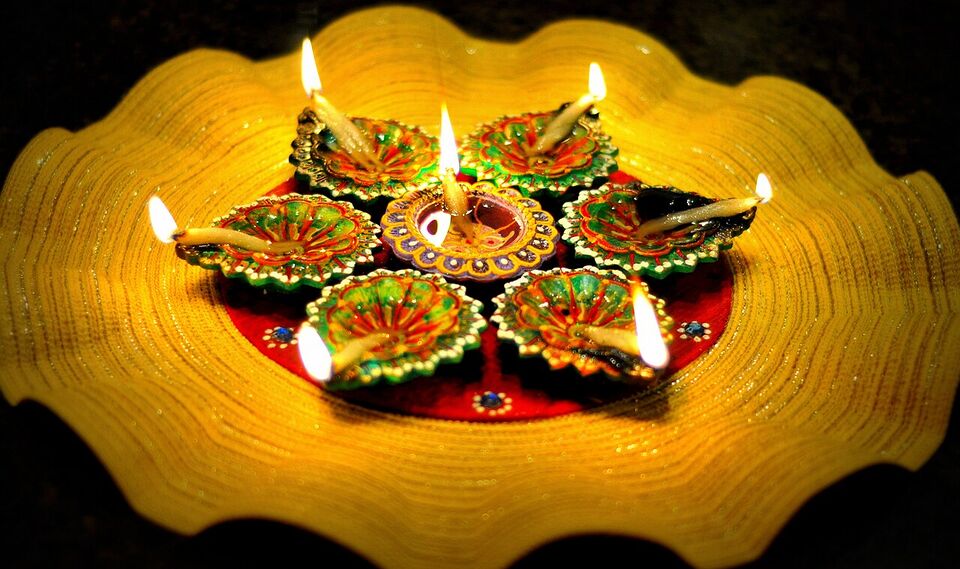
Diwali, the festival of lights, is the biggest holiday in much of India. Homes, shops and streets are cleaned and decorated with oil lamps (diyas), colored floor designs and electric lights, families exchange sweets and gifts, and there are prayers to Lakshmi, the goddess of prosperity. It lasts about five days. In 2026 the days were Dhanteras on November 6, Naraka Chaturdashi on November 7, Lakshmi Puja on November 8, Govardhan Puja on November 9 and Bhai Dooj on November 10. In 2027 the main night is October 29.
What to expect as a visitor
- Light and sound. Streets are lit, markets are packed with sweets and decorations, and fireworks go off in the evenings, sometimes for days around the main night.
- Closures. Many offices, banks and shops close for the main day or two, and some small businesses close for the whole week. Big tourist sights usually stay open but may shorten hours. Check before a long journey.
- Travel. Trains and flights are heavily booked as people go home. See the travel section below.
- Air quality. Fireworks add to the smoke and haze that gather over north India in this season. See the fireworks section.
- Invitations. If you are invited to a home, accept graciously, bring sweets or fruit, and remove your shoes at the door.
Holi
Holi, the festival of colors, marks the arrival of spring. It lasts a night and a day, starting on the evening of the full moon in the Hindu month of Phalguna, which falls around the middle of March. On the first evening, communities light bonfires; on the main day, people throw colored powder (gulal) and water at each other, dance and share food. We have not confirmed the 2027 date, so check an official calendar. It is celebrated in different ways around the country; Mathura and Vrindavan, Rajasthan and the cities of the north are well known for it, and our Rajasthan guide covers a popular region for it.
Holi safety
Holi can be joyful and it can be rough. Plan your day:
- Protect your gear. Water and powder damage phones and cameras. Use a waterproof pouch and leave valuables and passports in the hotel safe.
- Wear what you can throw away. Colors stain. Choose old, modest clothes that cover your shoulders and knees. Wet cotton clings, so layer.
- Protect eyes, skin and hair. Wear sunglasses, rub oil or moisturizer on skin and hair first, and tell people firmly if powder gets close to your face. Colors can irritate skin and eyes.
- Choose organized events. Hotels and private hosts often run Holi events with a defined space and safe, skin-friendly colors. Open street celebrations can be crowded and unpredictable.
- Who not to join. Do not join groups that are drinking heavily or that are pressing people to take part. Anyone has the right to say no, and a polite refusal is normal. Do not throw color or water on people who do not want it, including on the street and at religious sites.
- Be careful with drinks and food. Do not accept an unlabeled drink from people you do not know, and eat only food you know the source of, in line with the CDC's advice in our health guide.
- Stay with people you trust. This is especially useful for solo women travelers, who can find more tips in our women travelers page.
- Know the number. 112 is India's national emergency number.
Watch out
Holi is also a day when transport and many shops stop, and some neighborhoods are closed to vehicles. Plan to be where you want to spend the day by the evening before, keep food and water in your room, and do not schedule an important journey for Holi day.
Navratri, Dussehra and Durga Puja
These autumn festivals overlap. Navratri ("nine nights") is celebrated in different ways around the country, with dancing in Gujarat, plays and effigies in the north, and lights and processions in the south. Dussehra (Vijayadashami) marks the tenth day, and in Mysuru it is a major city event. The festival season falls in September and October.
Durga Puja is the great festival of West Bengal, centered on Kolkata. In 2026 it ran from October 16 to 21. For 2027, a calendar listing puts the main days at about October 5 to 10, but dates differ by a day between calendars, so confirm with the West Bengal government nearer the time. Neighborhoods build elaborate temporary pavilions called pandals, and crowds move through the streets late into the night. Our Kolkata guide covers the city. Book rooms early and expect heavy traffic and road closures.
Ganesh Chaturthi, Onam, Pongal and Eid
Ganesh Chaturthi
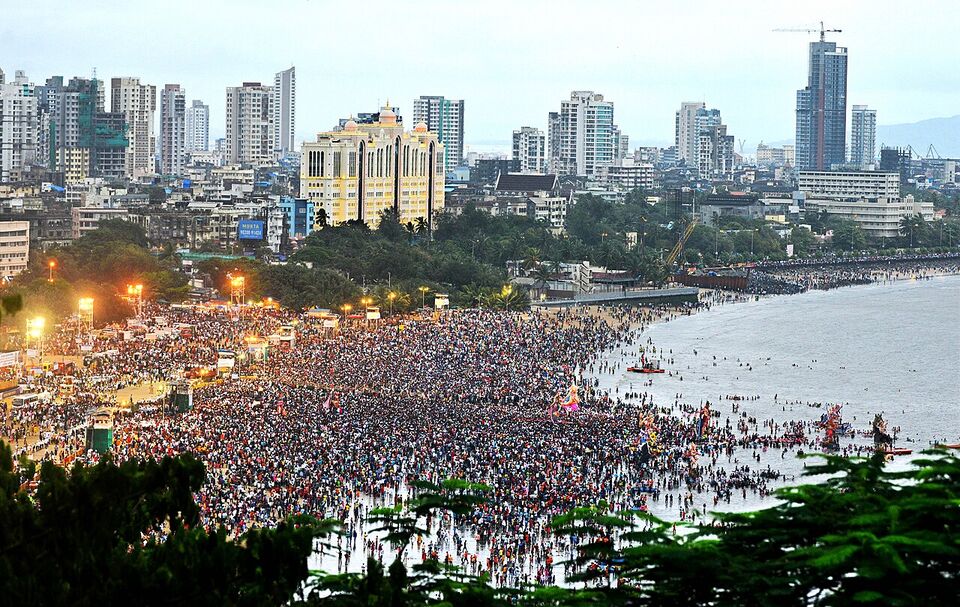
This festival to the elephant-headed god Ganesha falls in late summer (August to September) and is biggest in Maharashtra, especially Mumbai and Pune. Clay idols are placed in homes and in street pavilions, and on the last day they are carried in processions to the sea or rivers. Processions can close roads and slow transport. See our Mumbai guide.
Onam
Onam is Kerala's harvest festival, also in late summer. It is known for a large vegetarian meal served on a banana leaf and for floral carpets in front of homes. Because it falls in or near the end of the monsoon, rain may affect plans. See the Kerala guide.
Makar Sankranti and Pongal
This mid-January harvest festival is called Pongal in Tamil Nadu, where families cook a dish of sweet rice, and Uttarayan in Gujarat, where people fly kites. It falls around January 14; check the exact date. See India in January.
Eid
Eid al-Fitr, which marks the end of Ramadan, and Eid al-Adha follow the Islamic lunar calendar, so they shift earlier on the Western calendar each year, and the date depends on the sighting of the moon. They are public holidays, and markets and food streets in cities with large Muslim communities, such as Old Delhi, Hyderabad and Lucknow, are busy and lively the night before. Mosques are for worshippers on those mornings: do not expect tourist access. We have not confirmed the 2027 dates.
Pushkar, Kumbh and other fairs
The Pushkar Camel Fair in Rajasthan begins with the Hindu month of Kartik and ends on Kartik Purnima, with the last five days as the peak. A news headline puts the 2026 dates at about November 17 to 24. The fair is a working livestock market and a cultural gathering, and also a major tourist event. Rooms fill months in advance. See the Rajasthan guide.
The Kumbh Mela is a rotating pilgrimage of enormous scale, held in four cities in turn. The latest main one was at Prayagraj (January 13 to February 26, 2025), and the next cycle includes the Haridwar Kumbh in 2027 (a season reported from about mid-January to April, with the main bathing days set by the Uttarakhand government) and the Nashik-Trimbakeshwar event in 2027. Crowds are very large and crowd crushes have happened at past events, so safety and the official guidance matter. If you go, book transport and lodging very early, use official arrangements, follow the police and keep to the edge of crowds. See Rishikesh and Haridwar.
Smaller regional events are worth a look as you plan, such as the Hornbill Festival in Nagaland (December 1 to 10, 2026). Some northeastern areas need permits for foreigners; check before you go.
Republic Day
Republic Day, on January 26, commemorates the day the Constitution came into force. It is one of only three fixed national holidays. In 2027 it falls on a Tuesday. In Delhi there is a parade along the ceremonial avenue, and central Delhi has heavy security with road closures. We have not confirmed 2027 restrictions, so check Delhi Police and Delhi Traffic Police notices close to the date. Alcohol sales are usually barred nationwide, and many offices and monuments are closed or crowded. Many states hold their own flag ceremonies. See India in January.
How to take part respectfully
Visitors are generally welcomed at festivals, especially if they show interest and good manners. A few habits help:
- Dress modestly. Cover shoulders and knees at temples and religious events, and choose clothes you do not mind getting dirty at colorful ones.
- Shoes. Be ready to remove your shoes at temples, mosques, gurdwaras and in many homes. Wear shoes that slip off easily. Our temples guide gives the rules for each kind of place.
- Ask before photographing people, and respect any ban on photography at ceremonies or inside shrines. Do not use a drone.
- Do not touch idols, offerings or sacred items, and do not walk in front of people who are praying.
- Watch first. If you are unsure what to do, stand back and watch what others do, or ask a local guide or your host.
- Use your right hand to give and receive sweets and offerings.
- Do not treat worship as a spectacle. Keep voices low near shrines and do not step into roped-off areas.
- Be flexible. Processions and rituals start late and run long. Allow for it.
See our etiquette guide for more on greetings and everyday manners.
Travel disruptions, closures and dry days
Large festivals move millions of people. In the weeks before Diwali, Holi, Durga Puja and the big Eid and harvest days, long-distance trains sell out quickly, flights get more expensive, and roads into the cities can be slow. Reserved train tickets can be booked up to 60 days ahead for the general public, and popular trains fill as soon as that window opens. Foreign visitors may be able to book further ahead, so check IRCTC. Tatkal tickets, released a day before departure, cost more and cannot be refunded if you cancel. See our trains guide.
- Book early. Fix your long journeys and rooms before festival weeks, and avoid traveling on the main day itself.
- Expect closures. Banks, government offices and many shops close on public holidays and some festival days. Tourist sights vary. Check opening days.
- Carry cash. Cards work in many places but small vendors and street stalls often take only cash. See the money guide.
- Dry days. Each state sets days when alcohol sales are barred, often on major religious festivals, and voting and counting days. Republic Day, Independence Day and Gandhi Jayanti are usually dry across India. Five-star hotels are often exempt. City-specific rules vary, and we have not confirmed the current lists, so ask your hotel. Some states, such as Gujarat and Bihar, are always dry. Our drinks guide covers the rules.
Insider tip
Build a buffer day around any journey that touches a major festival. Arriving the day before is almost always cheaper and calmer than arriving on the day, and you get time to see the preparations, which are often as interesting as the event.
Fireworks and pollution
Fireworks are part of Diwali and many weddings and celebrations, and the smoke adds to winter pollution in the north. Delhi's air is often Very Poor to Severe from November through January (300 to 450 or more on bad days), and stage-based restrictions on fireworks and vehicles can apply. If you are sensitive to smoke, avoid the north in the days after Diwali, carry an N95 mask and keep windows closed. Noise can be loud and late, so ask for a quiet room away from the street. See our health guide and the November page.
Prices and crowds
Hotel prices in popular places rise around major festivals. They are highest in Pushkar during the fair, Kolkata during Durga Puja, Goa at Christmas and Jaipur during big events. We do not have verified rate figures, and prices vary a lot, so book early, check the cancellation terms, and compare a few dates. Entry tickets at monuments do not usually change for a festival, but crowds do. Foreign visitors pay more than Indians at most monuments, so use official counters and ignore touts offering "festival passes."
Different from home
In the US, a major holiday usually means a quiet day off. In India a festival can mean the opposite: markets and streets are at their busiest, the whole family travels, and the most important events happen at night.
Common festival mistakes
- Booking trains and rooms late for a festival week.
- Taking a phone into Holi without a waterproof pouch.
- Treating a worship event as a photo opportunity and taking pictures where it is not allowed.
- Assuming a date. Lunar dates move each year, and calendars can differ by a day. Check the year you are traveling.
- Assuming alcohol is available. Dry days and dry states are common, so plan ahead.
- Ignoring the air. Post-Diwali smoke is real in the north.
For the tail end of the year, see India in December.
Add it to a route in the trip builder, or ask us to plan the hotels, trains and guides for you.