Overview
Kerala is a narrow, green state on India's southwest coast, known for its backwaters, tea hills, beaches, spice-country food and Ayurveda. It suits a slower trip than most of India: distances are short on the map, but the roads are winding, so plan fewer stops with more time at each. The best months are November to February, and five days is enough for a first visit.
The language is Malayalam, and English is widely understood in hotels and tourist areas. Signs are often not in Hindi, which surprises some visitors; see our Hindi phrases page for context on how languages change from state to state. Kerala has strong Hindu, Christian and Muslim communities, and the three faiths shape the food, the festivals and the architecture.
The state is long and thin, with a coastline of about 370 miles (595 km), and many small rivers flow from the Western Ghats toward the sea. That shape explains its backwaters, which run behind the coast, and its hill stations, which sit in the mountains farther inland. This page helps you choose between them and build a route. Compare Kerala with other regions on the destinations page.
Kerala at a glance
The table below compares the main places. Travel times are rough and depend heavily on traffic and weather, so add buffer time when you plan.
| Place | Setting | Best for | Suggested time |
|---|---|---|---|
| Kochi and Fort Kochi | Port city and old quarter | History, cafes, kathakali, a gentle first day | 1 to 2 nights |
| Alleppey (Alappuzha) | Backwater hub | Houseboats, canal cruises, village life | 1 night |
| Kumarakom | Lake and bird area on Vembanad | Quiet resorts and bird-watching | 1 to 2 nights |
| Munnar | Tea hills in the Western Ghats | Cool air, tea estates, walking | 2 nights |
| Thekkady | Forest around Periyar Lake | Wildlife, spice gardens, boat rides | 1 to 2 nights |
| Varkala | Cliff-top beach | Beach days, yoga, sunsets | 2 nights |
| Kovalam | Curved beaches near Thiruvananthapuram | Easy beach stays and Ayurveda | 2 nights |
The backwaters: Alleppey and Kumarakom
The Kerala backwaters are a network of lagoons, lakes and canals that run parallel to the Arabian Sea, with more than 560 miles (900 km) of waterways. Vembanad is the largest lake, and the Kochi, Kuttanad and Kumarakom areas lie along it. Three wetlands in the region are listed as wetlands of international importance under the Ramsar Convention. The scenery is flat water, coconut palms, rice paddies and villages, and the pace of travel is slow.
Alleppey (Alappuzha) is the best-known base and the easiest to reach. Kumarakom, on the eastern shore of Vembanad, is quieter and has a number of resorts and a bird area. Most visitors do one of three things: take a houseboat, a day boat or a homestay stay. The right choice depends on how long you have and what you want to see.
Houseboat, day boat or homestay
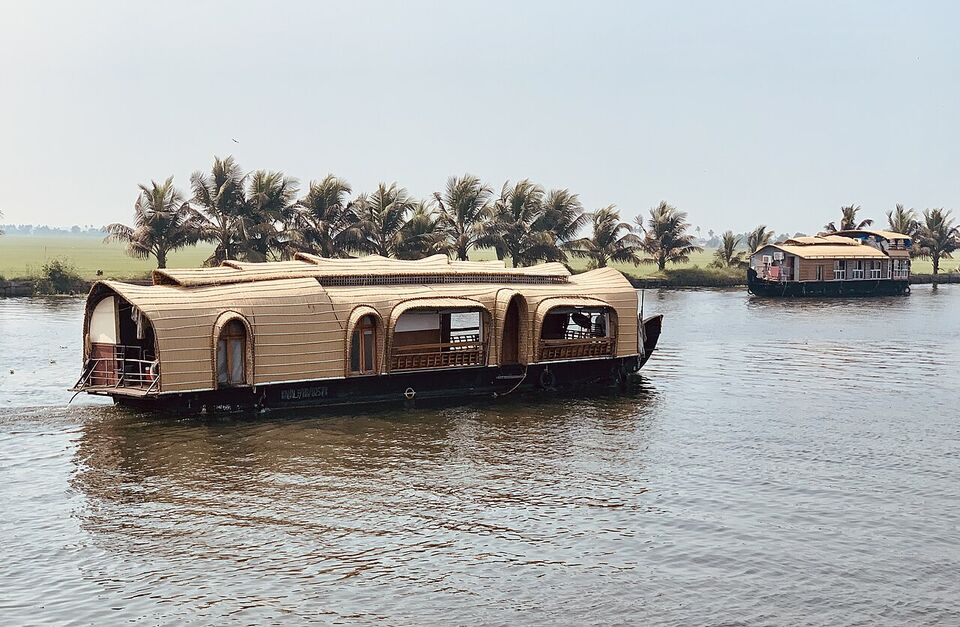
The traditional houseboat is called a kettuvallam, a thatched, wooden-hulled boat once used to carry rice and other goods. More than 2,000 now operate on the waterways. Modern boats have bedrooms, a deck and a crew that cooks on board.
Houseboat (overnight)
An overnight cruise gives you sunset and sunrise on the water, meals cooked on the boat and private space. It suits couples, small groups and people who want a special night. The trade-offs are cost, the number of boats in peak season, and the environmental impact: waste and fuel on shared waterways is a concern raised about the industry. Ask how the boat handles waste, and choose a smaller or less crowded operator if you can.
Day boat
A half-day or full-day cruise is cheaper and works if you have little time or are unsure about sleeping on the water. You see the same canals, usually with lunch, and you sleep on land. It is a good first step for families with young children.
Homestay
A homestay in a village near the water gives you the quietest experience. You eat with a local family or in the home's kitchen, often take a small canoe or country boat, and see daily life up close. It is the best way to meet people and to spend less on a houseboat, but there is less privacy and fewer facilities.
Watch out
Houseboats in Kerala are classified by the state into categories such as platinum, gold and silver, but we could not confirm the current licensing and safety rules. Before you book, ask to see the boat's registration and classification, confirm life jackets for every guest, and check that the price states what is included (meals, air conditioning hours, fuel and docking). Check Kerala Tourism's website, keralatourism.org, for current guidance. If the weather turns, do not insist on sailing.
- Book direct or through a reputable agent and get the booking in writing.
- Ask about the route. Some day trips stay on busy main canals, and others use quieter ones.
- Check the kitchen. Eat freshly cooked food, and drink sealed bottled water.
- Ask about mosquito protection and bring repellent for dusk.
- Cash and cards: many small operators take cash; ask before you board.
Kochi and Fort Kochi
Kochi (Cochin) is a port on the coast and Kerala's main arrival point. It is made of several parts joined by bridges and water: the modern mainland (Ernakulam), the old peninsula of Fort Kochi, and Mattancherry. The Cochin International Airport is the first in the world to run entirely on solar power, according to the Ministry of Tourism, and it is on the official e-Visa airport list. Kochi also has a metro and boat services across the water, and we cannot confirm current routes or fares, so check at the pier.
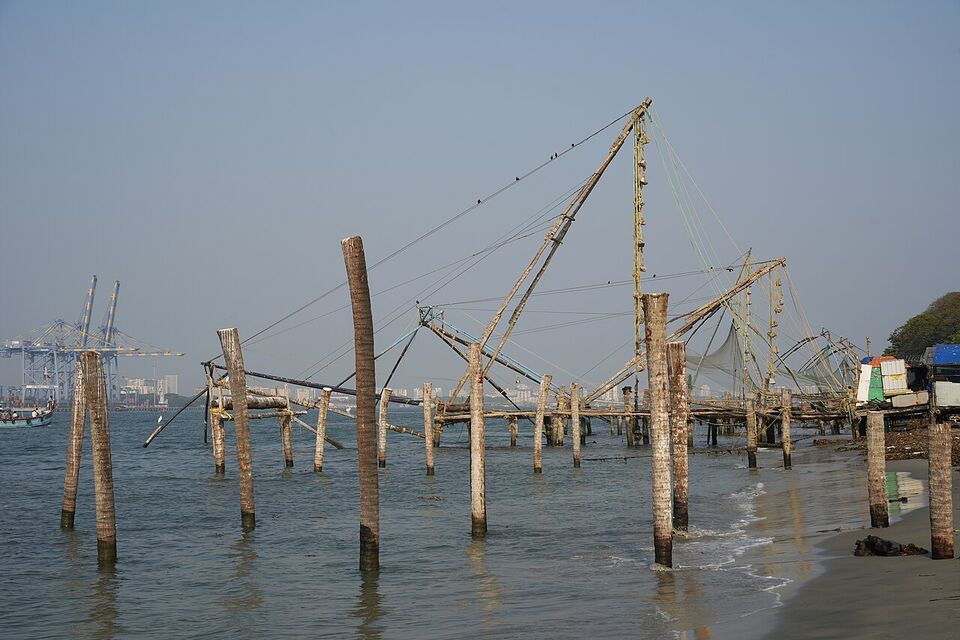
Fort Kochi is the visitors' area, with narrow streets, old churches, colonial houses, cafes and shops, and the Chinese fishing nets on the waterfront. Many of the buildings reflect Dutch, Portuguese and British influence. It is best seen on foot or by bicycle in the morning and late afternoon. Mattancherry is next door and has the old spice and antique trading lanes, which are lively on weekdays.
Insider tip
Spend your first night in Fort Kochi, not on the mainland. It is a gentler place to recover from a long flight, and walking distances are short. From there you can reach Alleppey in a half-day trip or a transfer.
Kathakali and other performances
Kathakali is a dance-drama from Kerala in which actors in elaborate makeup and costume tell stories from Hindu epics through gesture and expression. Several venues in Fort Kochi put on shortened shows for visitors, often with a chance to watch the makeup being applied beforehand. Arrive early, check the start time, and expect a short explanation of the hand gestures. Kerala Tourism also highlights theyyam, a ritual performance of the northern Malabar region, which is part of local worship and is best attended in the right season with respect.
Munnar: tea country
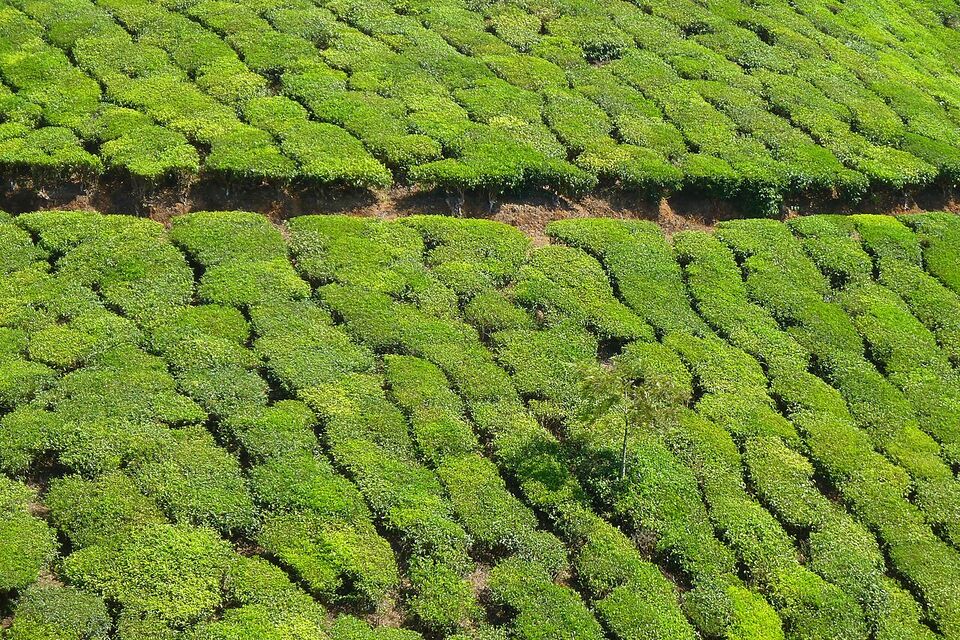
Munnar sits in the Western Ghats at roughly 5,000 to 5,200 ft (1,530 to 1,600 m) and is dominated by tea estates planted in the late 1800s. The air is cooler, the hills are covered in neat rows of tea, and the roads wind through plantations. It is a good place for walks, viewpoints and estate visits.
The drive from Kochi is about 80 miles (130 km) and takes longer than the map suggests because of the climb and the bends; allow most of a day. Munnar has no airport or railway, so you travel by road. Roads in the hills can be affected by heavy rain and landslides, so check the weather and road status in the monsoon. Families with young children may want to plan breaks, since the bends can cause motion sickness.
Carry a light jacket, since evenings are noticeably cooler than on the coast. Visit tea factories and plantations with a guide, wear shoes that grip, and do not wander off the paths on private estates.
Thekkady and Periyar
Thekkady is the base for the Periyar wildlife area, a forest around a lake in the Western Ghats. Boat trips and guided forest walks are the common ways to see it, and spice gardens in the surrounding hills are a popular add-on. Wildlife sightings cannot be guaranteed, and tigers are very rarely seen. We cannot confirm current boat prices, hours or booking rules, so check the Kerala Forest Department and Kerala Tourism before you travel. Our wildlife page explains how to choose parks and book safaris.
Thekkady is about 70 miles (110 km) from Munnar by road. Drive times vary by road conditions, so allow a half day.
Varkala and Kovalam
Kerala has beach options in the south. Varkala is known for a cliff-top setting above the sea, with cafes, small guesthouses and yoga studios. Kovalam is closer to the state capital, Thiruvananthapuram, with a curved beach and larger resorts.
Both beaches have strong currents and can be dangerous to swim in. Swim only where it is clearly safe, follow lifeguard instructions and flags, and never swim in the monsoon. We cannot confirm which beaches have lifeguards or when, so do not assume. Women should dress modestly away from the main tourist stretches, and see our women travelers page for advice.
Ayurveda in brief
Ayurveda is a traditional system of medicine and wellness, and Kerala is well known for it. Visitors typically book massages, oil treatments and herbal therapies at a resort or specialized center. Kerala Tourism promotes Ayurvedic treatments, yoga retreats and wellness resorts.
The quality varies widely. Choose a center that explains what it will do, uses trained practitioners, and does not push expensive packages or supplements. If you have a health condition, are pregnant or take regular medicine, talk to a doctor first. If you want to bring Ayurvedic products home, check the rules on the US Customs and Border Protection and FDA websites before you buy. Our yoga and Ayurveda page covers this in more detail.
Food: fish curry, appam and banana chips
Kerala's cooking uses coconut, curry leaves, tamarind, black pepper and other spices that grow in the state. Fish curry with rice is an everyday meal on the coast, often made with coconut milk or tamarind. Appam is a bowl-shaped pancake made of fermented rice batter, often served with a vegetable or meat stew. Banana chips fried in coconut oil are a popular snack and a good thing to take home.
A sadya is a vegetarian feast served on a banana leaf, associated with festivals such as Onam. Restaurants serve smaller "meals" that give you rice with several dishes. Kerala is a spice-trading region, and spices are good gifts. We do not name individual restaurants, because we cannot confirm which are open. Use the same food-safety habits as elsewhere: busy places, hot food, sealed water, and care with ice and raw salads. See our food page and drinks page.
Kerala allows alcohol in most hotels, bars and airports. Dry days apply on national holidays, and rules change, so check ahead if a drink matters to your plans.
A sample five-day route
- Day 1
Fort Kochi
Arrive, rest, and walk the old quarter at sunset. See a kathakali show if you have energy.
- Day 2
Kochi to Munnar
Leave early for the hills. Stop at a viewpoint or waterfall if the weather is clear, and settle in with a short walk among the tea.
- Day 3
Munnar
Visit a tea estate and walk in the hills. Keep the day flexible for weather.
- Day 4
Munnar to the backwaters
Travel down to Alleppey or Kumarakom. Spend the night on a houseboat or in a lakeside stay.
- Day 5
Back to Kochi
Take a morning cruise if you wish, then transfer to Kochi for your flight. Leave a long buffer.
With two more days, add Thekkady between Munnar and the backwaters, or finish with a beach stay at Varkala or Kovalam. If you are coming from Goa, see Goa, and for the neighboring state see Chennai and Tamil Nadu.
Monsoon, rain and when to go
The southwest monsoon normally reaches Kerala at the start of June. At Kochi, June averages about 23 rain days and July about 24, and annual rainfall is about 116 inches (2,954 mm). The northeast monsoon also affects the south, and Kochi still sees about 14 rain days in October and about 7 in November. December to February is much drier, with daytime highs of about 91°F to 95°F (33°C to 35°C). March and April get hotter and more humid.
In the monsoon, expect heavy rain, rough seas, some boat and beach closures, and a risk of landslides on hill roads. Kerala is also prone to floods. We could not confirm the current rainy-season guidance or closure dates, so check Kerala Tourism before you book. Some travelers like the green scenery and lower prices, and Ayurveda is often marketed for the rainy season, but plan for flexible bookings and slower travel.
Events can change plans. Kerala's Champions Boat League runs in the monsoon season, and the Nehru Trophy Boat Race at Punnamada Lake in Alappuzha has been held in August; we could not confirm the 2027 date. See our when to go page and festivals page.
Getting there and around
Kerala has four airports on the official e-Visa entry list: Cochin (Kochi), Thiruvananthapuram, Calicut and Kannur. Cochin is the usual choice for the backwaters and Munnar, and Thiruvananthapuram for Kovalam and Varkala. Check airlines and schedules, as direct flights from the US to Kerala are not confirmed in our sources. See our flights page and entry page: Americans need a visa, and the only official e-Visa site is indianvisaonline.gov.in.
Trains link Kochi, Alleppey and Thiruvananthapuram. Indian Railways reservation rules and booking windows change, so check IRCTC and see our trains page. For Munnar, Thekkady and village stays, a car with a driver is the usual choice, and a driver also saves you from the stress of mountain roads. India drives on the left. Agree the price and the itinerary first. See getting around.
India Standard Time (UTC+5:30) applies all year. It is 10 hours 30 minutes ahead of New York in US winter and 9 hours 30 minutes in US summer time.
Health: dengue, mosquitoes and malaria
The CDC lists dengue as present in India and the risk of chikungunya as elevated; both are spread by mosquitoes. Malaria prevention depends on where you travel, and the CDC advises prescription medicine for certain areas, so check its India page and talk to a doctor at least a month before you go. We could not confirm the current area-by-area status for Kerala.
- Use an insect repellent, and reapply it as directed.
- Wear long sleeves and trousers at dawn and dusk.
- Choose rooms with screens or air conditioning; a boat or homestay near water has more mosquitoes.
- Dengue mosquitoes bite in the daytime too.
- Drink only sealed bottled or filtered water.
- Seek medical care if you have fever; see our health page.
Different from home
Many Kerala shops and some religious places close in the middle of the day, and some temples admit only Hindus. Look for signs at the entrance, and if in doubt, ask politely or watch what others do. Wear covered shoulders and knees and remove shoes where asked.
Add it to a route in the trip builder, or ask us to plan the hotels, trains and guides for you.