Overview
November is a good month for India's classic routes, with one big caution. The southwest monsoon has withdrawn from the north and west, skies are mostly clear, and daytime highs in Delhi, Agra and Jaipur are in the mid-80s°F (about 29°C) instead of the 100s of May and June. The caution is the air around Delhi, which turns bad as the cooler weather traps smoke and dust. We cover it in detail below because it should shape how you plan the first days of a northern trip.
It is also the start of the main tourist season, which runs through February. Early November is quieter and cheaper than December, and by the last week hotels in Rajasthan and Goa begin to fill. If you can choose, a trip that starts in the second half of the month in the south and on the coast, then moves north in December or January, avoids the worst of Delhi's smoke season. Our guide on when to go to India compares all the months side by side.
This page was verified in November 2026. Dates for festivals that follow the lunar calendar change every year, so treat the 2026 dates as a guide to the pattern and confirm the current year's dates with the organizers before you book.
Weather by region
These are long-term averages from India Meteorological Department data (mausam.imd.gov.in is the official source for forecasts). Any single day can be warmer or cooler, so use them as a guide to what to pack, not a forecast.
| Place | Typical high | Typical low | What to expect |
|---|---|---|---|
| Delhi | 83°F (28°C) | 55°F (13°C) | Dry and sunny; hazy and smoky on bad air days |
| Agra | 85°F (29°C) | 56°F (13°C) | Dry; cool mornings and evenings |
| Jaipur | 85°F (30°C) | 58°F (14°C) | Dry and pleasant; good for walking forts |
| Varanasi | 85°F (29°C) | 58°F (15°C) | Dry; river mornings can be misty |
| Mumbai | 93°F (34°C) | 74°F (24°C) | Hot and humid by day, almost no rain |
| Goa | 91°F (33°C) | 72°F (22°C) | Sunny; about 2 or 3 rainy days in the month on average |
| Kochi (Kerala) | 91°F (33°C) | 73°F (23°C) | Warm and humid; about 7 rainy days on average |
| Darjeeling | 63°F (17°C) | 43°F (6°C) | Cool and mostly dry; clear mountain views are likelier than in summer |
| Leh (Ladakh) | 51°F (11°C) | 19°F (-7°C) | Winter has arrived; very cold nights |
Tamil Nadu and the Chennai coast are in their northeast monsoon season, which normally starts around October 20 and brings most of that state's yearly rain. Expect showers and the occasional heavy day there, and allow slack for flights and trains. Kerala is drier than in October but still gets some rain.
Leh and the high Himalayas are not a November destination for most visitors. Mountain roads and passes close or become unreliable as snow arrives, and we cannot confirm opening dates for this winter, so check with the operator, a local tourism office or the road authority before planning anything above the hill-station level. Our Himalayas guide covers seasons and access.
Delhi air quality in November
Delhi's air is at its worst from about November to January. Cool, still air holds pollution near the ground, and smoke from crop-stubble fires in neighboring states, vehicle exhaust, dust, and in some years Diwali fireworks add to it. A Wikipedia summary of the city's air-quality records lists the November average in the 401 to 500 band, the highest category, and the Supreme Court told Delhi and neighboring states on November 6, 2026 to file vehicle-emission plans. The Commission for Air Quality Management invoked GRAP Stage III (the Graded Response Action Plan) across the National Capital Region on the same day. The stage changes with the readings, so stage-based restrictions apply on bad days and you should check the current one.
What that means for a visitor, in plain terms:
- On a bad day the sky is a flat gray-brown, eyes and throat sting, and views at monuments are muted. It is not the same every day: wind and rain can clear the air for a day or two.
- Our working range is "often Very Poor to Severe, 300 to 450 or more on bad days." Check the live AQI (air quality index) each morning on the Central Pollution Control Board's site or a reputable app before you plan outdoor days.
- Carry a fitted N95 mask (surgical masks and cloth masks do little against fine particles). Buy it before you leave; quality varies in local shops.
- If you have asthma, heart or lung disease, are pregnant or are traveling with young children or older adults, talk to a doctor before a November stay in Delhi. Our health guide covers air quality and the rest of the CDC advice.
- Keep Delhi short. Many travelers spend one or two nights, then move on to Rajasthan or fly south, where the air is much better.
Watch out
Air quality is the one November problem you cannot fix with a better hotel. Build in a spare day, choose hotels with air purifiers if you are sensitive, and be ready to swap outdoor sightseeing for museums and indoor sights when the index is high. Agra, Jaipur and other cities in the north can also be hazy, though readings are usually lower than in Delhi.
Our Delhi guide has the city's practical side, including the Metro and the airport.
Festivals and events in November
India's festival calendar mixes fixed dates with lunar ones. These are the ones that matter for travelers in and around November. For the full year, see our festivals guide.
Diwali
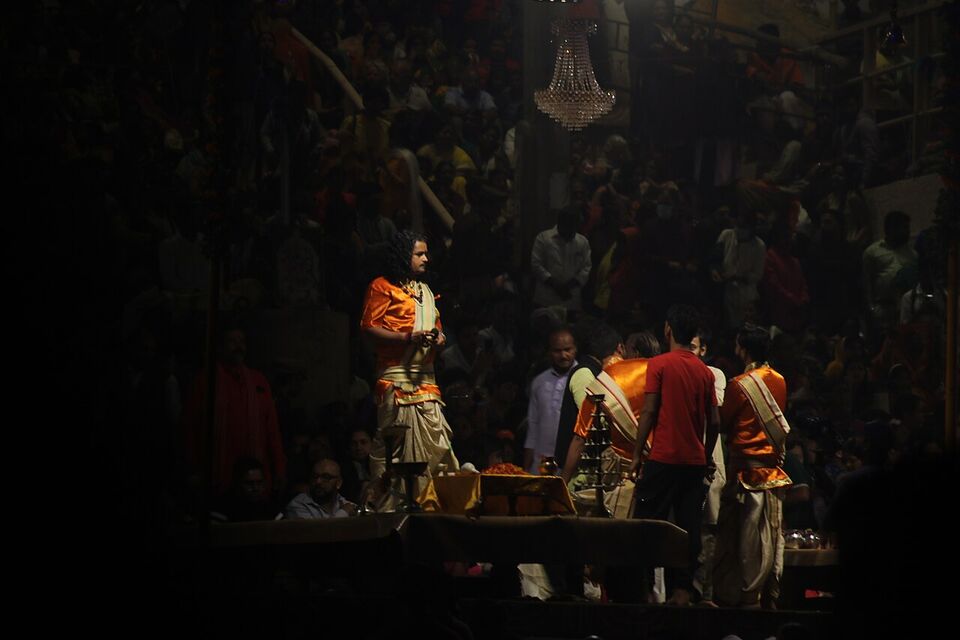
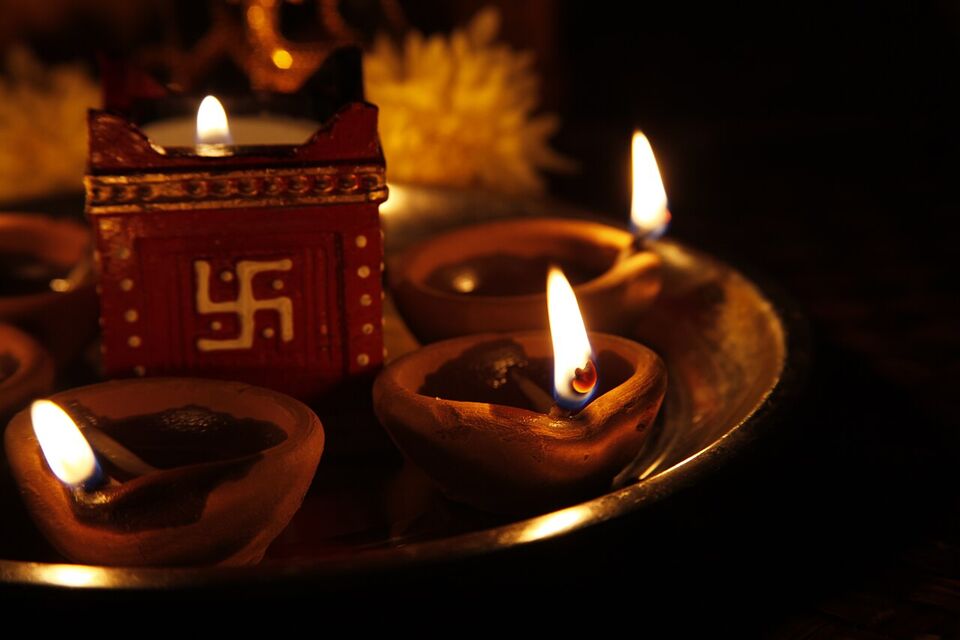
Diwali, the festival of lights, falls in October or November. In 2026 the main night, Lakshmi Puja, was on November 8, with Dhanteras on November 6, Govardhan Puja on November 9 and Bhai Dooj on November 10, so it has already passed. In 2027 it falls on October 29. In the days around it, many shops and offices close, trains and flights sell out as families travel home, and fireworks add to the haze in the cities. If you arrive just after Diwali, expect some businesses to reopen slowly and prices for rooms to ease.
Pushkar Camel Fair
The Pushkar fair in Rajasthan is a livestock and cultural fair that begins with the Hindu month of Kartik and ends on Kartik Purnima (the full moon), with the last five days as the peak. A news headline puts the 2026 fair at around November 17 to 24, and Kartik Purnima is on November 24, but we have not seen the Rajasthan tourism department's own notice, so confirm the dates before you book. Rooms in Pushkar sell out well ahead and prices jump, so reserve as early as you can, or stay in nearby Ajmer or Jaipur and visit for the day. Our Rajasthan guide covers the region.
Guru Nanak Jayanti
This Sikh festival marking the birth of Guru Nanak falls on the full moon of Kartik. In 2026 it is about November 24 (some sources say November 25, so confirm locally). It is a major day in Amritsar and across Punjab, with processions, and the Golden Temple is crowded. Our Amritsar guide covers visiting respectfully.
Other November and early December events
- The Hornbill Festival in Nagaland runs December 1 to 10, 2026 at Kisama Heritage Village near Kohima. Foreigners need to check permit rules for the northeast before booking; we do not give a rule we have not confirmed.
- A headline says the Rann Utsav tent-city season in Kutch, Gujarat, begins November 1, 2026. We have not confirmed its end date or prices; check the organizer.
What is open, crowds and prices
Almost everything that is open in winter is open in November: the Taj Mahal (closed Fridays), forts, museums and the Delhi Metro. Beach shacks in Goa and seasonal services on the coast reopen over the course of the month, so the first weeks can feel quiet, and some places only start trading in earnest in December. Houseboats in the Kerala backwaters operate in this season, but expect some rain.
Crowds and prices rise through the month. Early November sits between the monsoon low season and the December peak, so hotels are usually cheaper than in the weeks around Christmas, but we have no verified rate figures to quote: rooms in the same hotel can vary a lot by date, and festival weeks (the Pushkar fair, Diwali) are the exceptions. Book rooms for festival dates and for the last week of the month early.
The Taj Mahal ticket for foreign visitors is ₹1,100 (about $12), plus an optional ₹200 (about $2) to enter the main mausoleum, with a ₹50 (under $1) online discount (check the official site, tajmahal.gov.in, before you go). The Taj is closed on Fridays. Other Agra monuments are open every day. See our Agra guide for the visit.
Save money
The first half of November is usually the best-value window for the north, because the high-season rates and crowds of December have not arrived. Avoid the exact days of the Pushkar fair and the days right after Diwali, when trains and flights are full. Foreigners are charged a higher ticket price than Indians at most monuments, so pay at official counters or online and ignore touts selling "special entry."
What to pack
Pack for warm days and cool evenings in the north, and for heat and humidity on the coast. A full list is in our packing guide; for November, the essentials are:
- An N95 mask (bring several if you will be in Delhi or Agra for more than a day or two).
- Light layers: a fleece or light jacket for evenings in the north, and a warmer one for Darjeeling and the hills.
- Light, breathable clothing that covers shoulders and knees, which is the norm at temples and also suits the heat.
- Sun protection: sunscreen, sunglasses and a hat. Days are sunny even when the air is hazy.
- A compact rain jacket if you are going to Kerala, Tamil Nadu or the Chennai coast.
- Comfortable closed shoes that are easy to slip off at temples.
- Insect repellent: mosquitoes are active in the south and near water, and the CDC advises preventing bites. See the health guide.
- A plug adapter: India uses 230 V, 50 Hz and sockets of types C, D and M. Most phone and laptop chargers are dual-voltage, but check the label.
A sample one-week route
This plan fits seven days and gives the air a chance to behave. It uses the Golden Triangle, the route most first-time visitors take. Each road leg is about 4 to 6 hours. Our Golden Triangle guide has longer versions.
- Day 1
Arrive in Delhi
Land, rest and keep the first day light. If the air is bad, stay indoors and pick one short outing. India Standard Time is 10 hours 30 minutes ahead of New York in winter, so expect jet lag. See the flights guide.
- Day 2
Delhi sights
Choose a few sights by air quality: monuments in the morning and museums or a Metro ride later. Check the AQI before you go. Move to Agra the same evening or next morning.
- Day 3
Agra
The Gatimaan Express is listed as leaving Hazrat Nizamuddin at 8:10 a.m. and reaching Agra Cantt at 9:50 a.m., and not running on Fridays (confirm on IRCTC). Visit the Taj Mahal and Agra Fort. Remember the Taj is closed on Fridays.
- Day 4
Fatehpur Sikri and on to Jaipur
Stop at Fatehpur Sikri on the road, then continue to Jaipur. Allow a long day: the Agra to Jaipur leg is among the 4-to-6-hour road legs.
- Day 5
Jaipur
Amber Fort, the City Palace and the old bazaars. Prices for foreigners at Rajasthan's state-run monuments were reported to rise on January 1, 2026, so check current tickets. See the Jaipur guide.
- Day 6
Jaipur free day
A flexible day for shopping, a cooking class or a village drive. In pollution weeks this is your spare day.
- Day 7
Return to Delhi and fly out
Allow a full day for the road back and an airport buffer.
If you would rather avoid Delhi's November air, fly into Mumbai or Kochi instead. A week in Kerala (Kochi, the backwaters and Munnar's tea hills) or in Goa is a good November alternative, though Kerala can be wet. See our Kerala and Goa guides.
Common November mistakes
- Booking several Delhi nights up front. Keep Delhi to one or two nights unless you have a reason to stay, and book the first hotel flexibly.
- Ignoring the live air index. Check it every morning in the north and change the plan on the worst days.
- Arriving at a festival without a room. Pushkar and Amritsar fill early around the full moon.
- Assuming the south is dry. Chennai and parts of Kerala can be rainy in November. Pack a rain jacket and leave slack in the schedule.
- Applying for the e-Visa late. Apply only on the official portal, indianvisaonline.gov.in/evisa, at least 4 days before arrival and up to 120 days ahead; check the fee on the official page. Look-alike agent sites charge extra for no benefit. See the entry guide.
Different from home
In the US, "wildfire smoke days" are occasional. In north India, the smoky season is annual and predictable, so many residents already run air purifiers and mask outdoors. Treat it as a normal part of planning rather than a surprise.
Next month the north gets colder and foggier and the beaches get busier: see India in December.
Add it to a route in the trip builder, or ask us to plan the hotels, trains and guides for you.