Overview
India is too big to treat as one destination. A flight from Delhi to Kochi crosses more of the map than most European trips, and the climate, food, language and pace change at every step. This page is the hub: it lists every destination in the guide, compares them in one table, sorts them into six regions and shows how to join two or three of them without rushing.
It does not repeat what the destination pages say. Each place below links to its own guide for sights, tickets and where to stay. If you have not chosen a route yet, start with planning your trip, then come back here to check the geography.
Where we have a confirmed distance or timetable we give it; where we do not, we describe the trip in plain terms. Timetables change, so check the railway enquiry site (IRCTC) or an airline for today's schedule before you book.
All destinations at a glance
Use the table to shortlist. "Days" means the time we suggest on the ground, not counting arrival days. "Best months" is a rule of thumb from monthly climate averages, not a promise: festivals, fog and the monsoon shift from year to year. The last column gives the distance from Delhi or Mumbai only where an official timetable or road figure is confirmed.
| Destination | Best for | Days | Best months | From Delhi or Mumbai |
|---|---|---|---|---|
| Delhi and Delhi things to do | First arrivals, history, food, museums | 2 to 3 | November to February (watch the air quality) | Entry city; Delhi is the main airport |
| Agra and the Taj Mahal | The Taj Mahal, Agra Fort, Fatehpur Sikri | 1 to 2 | November to February | About 130 miles (210 km) from New Delhi by road; the Gatimaan train is reported to take about 1 hour 40 minutes and not to run on Fridays; check IRCTC |
| Jaipur | Forts, palaces, bazaars, crafts | 2 to 3 | November to February | A leg of the Golden Triangle, 4 to 6 hours by road |
| the Golden Triangle | The classic first route | 5 to 8 | November to February | The circuit is about 447 miles (720 km) by road |
| Udaipur, Jodhpur and Jaisalmer | Lakes, palaces, desert forts | 5 to 7 | November to February | A flight or a long ride from Delhi; check the schedules |
| Varanasi | The ghats, the Ganges, pilgrimage | 2 to 3 | November to February | The Delhi Vande Bharat takes about 8 hours for 472 miles (759 km) |
| Mumbai | Colonial buildings, food, markets, local trains | 2 to 3 | November to February | Entry city; Mumbai is the second main airport |
| Goa | Beaches, old churches, seafood | 3 to 5 | November to February (many beach shacks close in the monsoon) | The Vande Bharat from Mumbai CSMT takes about 7 hours 45 minutes for 360 miles (580 km) |
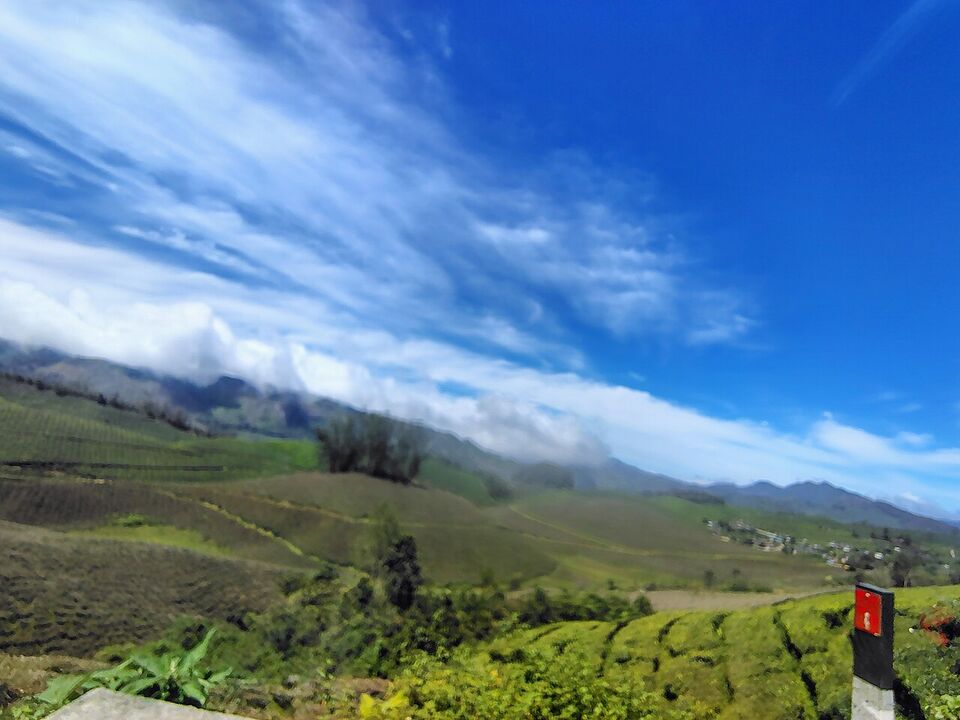
| Kerala | Backwaters, tea hills, Ayurveda | 4 to 7 | November to February (still some rain in November) | A flight from Mumbai or Delhi; check the schedules |
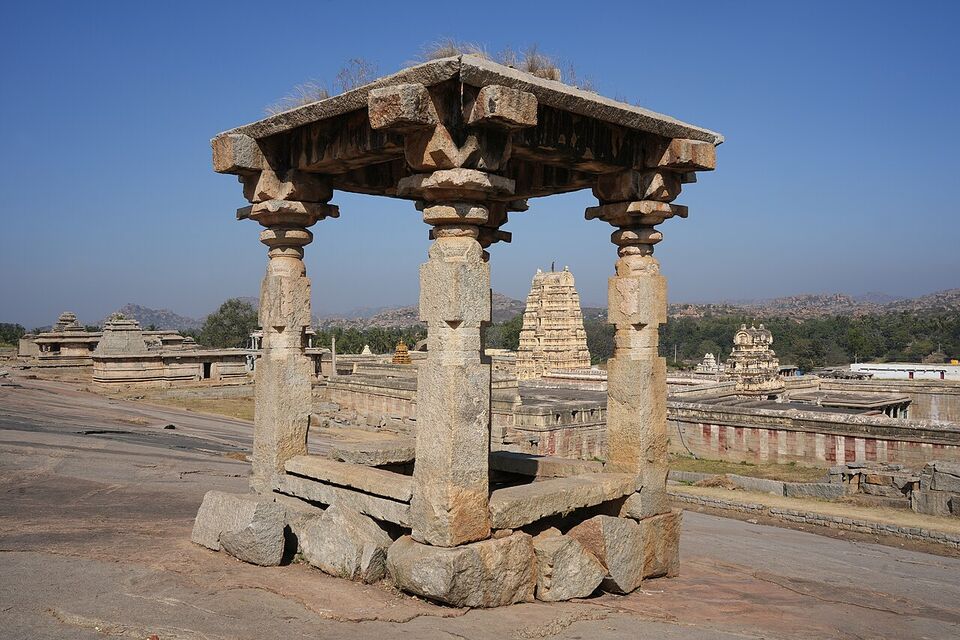
| Bengaluru, Mysuru and Hampi | Palace city, Hampi's ruins, coffee hills | 5 to 7 | October to February | A flight; Bengaluru is the gateway |
| Chennai and Tamil Nadu | Dravidian temples, Chennai, Pondicherry | 5 to 7 | Roughly January to March (the northeast monsoon brings rain from about October 20) | A flight; Chennai is the gateway |
| Rishikesh and Haridwar | Yoga, ashrams, the Ganges, rafting | 2 to 4 | Check the season locally | Dehradun is about 4 hours 45 minutes from Delhi by Vande Bharat; Rishikesh is a short drive on |
| Amritsar | The Golden Temple, Punjabi food, the border ceremony | 1 to 2 | November to February | The Delhi Vande Bharat takes about 5 hours 30 minutes for 278 miles (447 km) |
| Kolkata | Colonial architecture, Bengali food, Durga Puja | 2 to 3 | Cooler months; Durga Puja is in early October 2027 | A flight or a long train ride; check the schedules |
| Himachal, Ladakh and Darjeeling | Hill towns, Ladakh, Darjeeling | 5 to 10 | Varies by range; Ladakh is a summer destination | Check road and flight access by season |
| tiger safaris and wildlife | Tiger reserves, rhinos, lions | 3 to 5 | The dry season, roughly November to April | Varies by park |
Insider tip
November to February is the busiest and most comfortable window in the north and the south. If you travel in December or January, book trains, hotels and safari seats early, and expect fog to delay flights and trains on some mornings in the north.
The six regions
India does not divide neatly, but these six groups cover the destination pages and make planning easier. Travel inside a region is short; moving between regions is where days disappear.
North: Delhi, Agra and Amritsar
The north is where most trips begin. Delhi is the main gateway and the heart of the Golden Triangle, and Delhi things to do sorts the Red Fort, Humayun's Tomb and the Qutub Minar into day plans. Agra and the Taj Mahal is the Taj Mahal, which is closed on Fridays. Amritsar sits in Punjab, close to the Pakistan border, and is built around the Golden Temple; the Attari-Wagah crossing is the only open land crossing for non-citizens, and the border ceremony has run in a limited form since May 2025, so check the time before you go.
The Delhi area has winter air pollution. On bad days the air quality index is often Very Poor to Severe, and the guide to health and air quality explains what to do about it.
Rajasthan: Jaipur, Udaipur, Jodhpur, Jaisalmer
Rajasthan is the desert state of forts and palaces. Jaipur is on the Golden Triangle; the other three cities have their own page at Udaipur, Jodhpur and Jaisalmer. They are far apart, so choose two of the three rather than all three on a short trip. Summer is very hot, and the guide on when to go has the monthly figures. Ranthambore, the tiger reserve, sits within reach of Jaipur and is covered on tiger safaris and wildlife.
Central and east: Varanasi and Kolkata
This region has the spiritual center of the Ganges and the former colonial capital. Varanasi is intense, rewarding and best at dawn on the river. Kolkata is a city of old buildings, trams and some of the best-loved Bengali food in India, and the usual base for Darjeeling. Several tiger reserves lie in central India (Kanha and Bandhavgarh in Madhya Pradesh). Some parts of central and east India with Maoist activity are on the State Department's Do Not Travel list; check the advisory for your route.
West: Mumbai and Goa
Mumbai is a dense, fast port city with its own local trains. Goa is a beach and church state with a seasonal feel: it is at its best in the dry months, and many beach shacks close for the rains. Mumbai and Goa are joined by a fast train and a short flight, which makes them an easy pair.
South: Kerala, Karnataka and Tamil Nadu
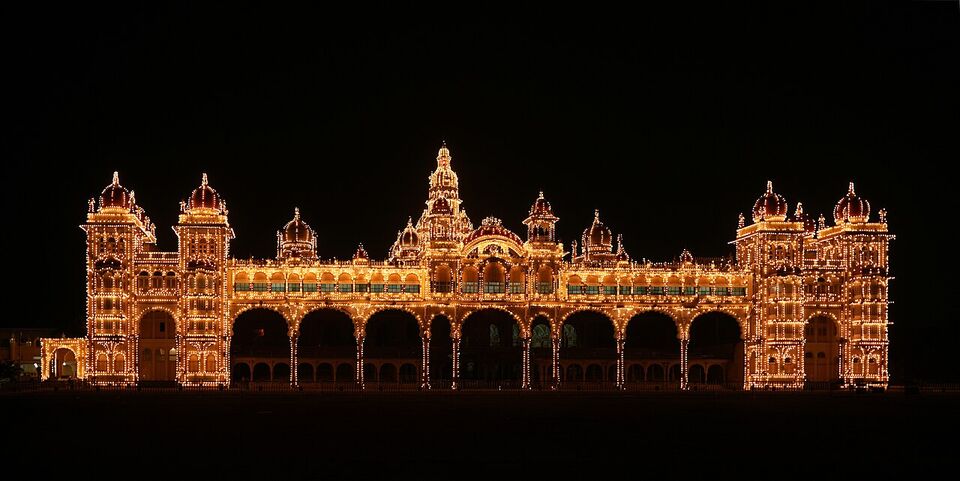
The south has a different feel from the north: more rice and coconut, more temples in the Dravidian style, a greener landscape and a language other than Hindi on the signs. Kerala is backwaters, tea hills and Ayurveda; Chennai and Tamil Nadu is temple towns, Chennai and Pondicherry; Bengaluru, Mysuru and Hampi is Bengaluru, Mysuru and Hampi. The southwest monsoon hits Kerala and the coast first, while Tamil Nadu gets most of its rain from the northeast monsoon, which starts around October 20.
The Himalaya: Rishikesh, Himachal, Ladakh and Darjeeling
The mountains add both beauty and logistics. Rishikesh and Haridwar is the gateway to yoga and the upper Ganges and an easy extension to a Delhi trip. Himachal, Ladakh and Darjeeling covers the high ground: Himachal's hill towns, Ladakh and Darjeeling. Leh sits at 11,562 ft (3,524 m), and altitude sickness is a real planning factor. Roads and high passes open and close with the seasons, and some border and protected areas need extra permits, so check with a licensed operator before you go.
How to combine regions without rushing
The mistake is to count places, not nights. Each new base costs a morning of packing, a transfer and a half day of settling in, and in India, transfers are long. A good rule is one base for every three or four nights, and no more than two regions in a week.
- One week: the Golden Triangle alone, or Kerala alone, or Delhi plus Varanasi.
- Two weeks: the Golden Triangle plus one southern or western region, such as Kerala or Goa, or Rajasthan plus Varanasi.
- Three weeks: a north-to-south arc, such as the Golden Triangle, Varanasi and Kerala, with a tiger reserve or the hills as an optional add-on.
Pair places with the same season. The north is comfortable from November to February, and so is much of the south and the coast, which is why those months are busy. Ladakh, by contrast, is a summer destination, with Leh averaging a January low of 8°F (-13°C) and a July high of 83°F (28.5°C), so it rarely combines with a winter trip to the plains.
Different from home
A short stretch of map can mean a long day on the road. Even the legs of the Golden Triangle take four to six hours, because of traffic, cattle, villages and two-lane highways. Plan distances in hours, not miles, and add buffers.
Time zone is the other quirk: India Standard Time is UTC+5:30 all year, with no daylight saving. It is 10 hours 30 minutes ahead of New York in winter and 9 hours 30 minutes ahead in US summer time. The half-hour offset is normal, and the whole country uses one time.
Trains versus flights between regions
The rule we suggest is simple: take the train when the journey is up to about 8 hours and the line is a fast one, and fly when it is longer. Fast Vande Bharat trains now link several pairs of cities: the Delhi-Varanasi service takes about 8 hours, Amritsar-Delhi about 5 hours 30 minutes, and Mumbai CSMT-Madgaon (for Goa) about 7 hours 45 minutes. These are the timetable figures we could confirm; check today's times on the railway enquiry site.
Reserved train tickets for the general public can be booked up to 60 days ahead, and Tatkal tickets, which open a day before departure, cost more and are not refundable if confirmed. We could not confirm the window or the registration rules for foreign visitors, so check IRCTC and book early on busy routes. Full detail is on trains in India.
Flights save days on long gaps. The main domestic carriers are Air India, Air India Express, Akasa Air, IndiGo and SpiceJet; fares and schedules change, so check each airline. Winter fog disrupts air travel on roughly 15 to 20 days a year, so avoid tight connections on the same day as an international flight home. Airport transfers, drivers and city transport are covered at flights, drivers and rickshaws.
Watch out
The e-Visa works only at designated airports. Leh, Udaipur, Jodhpur, Dehradun and Srinagar are not on the entry list, so fly into a listed airport first and connect. Check e-Visa and entry rules for the full rules, and apply only through the official portal, indianvisaonline.gov.in; look-alike agent sites charge extra.
How many places? A short guide
We suggest sizing the trip by days on the ground, not by wish list.
- One week: two or three bases in one region. Most first-timers choose the Golden Triangle.
- Ten days: three or four bases, or one region plus a short flight to a second. Add Varanasi or Goa.
- Two weeks: two regions and a rest day. This is the sweet spot for a first trip.
- Three weeks or more: three regions, or two regions plus a slower stay (a yoga program, a safari lodge, a homestay).
If you cannot decide, remove places until each base gets at least two full days. A tiger reserve usually needs three nights to be worth the transfer, and the mountains need a buffer day for weather and altitude. For help pairing interests with places, see India by interest.
Choosing between similar places
Several destinations answer the same need, and a short trip rarely has room for both. These are the usual forks, with the reasoning rather than a ranking.
- Goa or Kerala for a slower stretch. Goa suits people who want beaches, cafes, old churches and an easy social scene; Kerala suits people who want quiet water, tea hills and a food culture built on coconut and spices. Both are best in the dry months and both need a rest from the monsoon. Pick one unless you have two weeks or more.
- Jaipur or Udaipur for a first taste of Rajasthan. Jaipur sits on the Golden Triangle and is easy to reach; Udaipur is lakeside and calmer but needs a flight or a long transfer. First-timers on a short trip usually get more from Jaipur.
- Varanasi or Rishikesh for the Ganges. Varanasi is a dense, intense riverside city of ghats and old lanes. Rishikesh is a smaller foothill town for yoga, rafting and quiet mornings. They give very different experiences of the same river.
- Mumbai or Kolkata for a big-city stop. Mumbai is fast, modern and coastal, with colonial buildings, markets and local trains. Kolkata is older and slower, with trams, tea houses and a strong literary culture. Choose by mood and by the rest of your route.
- The hills or the plains. The Himalaya adds space, cool air and views, but also seasonal roads, altitude and weather delays. If your dates are fixed and tight, the plains and the coast are the safer choice.
A sample three-region route
This outline shows how the pieces fit on a three-week trip. It is a pattern, not a prescription: swap in the destinations that match your interests and the season, and check the schedules before you book.
- First week
North: Delhi, Agra and Jaipur
Land in Delhi, spend two nights recovering and seeing the old city, then take the fast train to Agra for the Taj Mahal and continue to Jaipur by road. See the the Golden Triangle page for sample plans.
- Second week
Central and east: Varanasi
Fly or take the Vande Bharat to Varanasi for two or three nights on the river. It is a strong contrast to the palaces, and an early-morning boat ride is the usual highlight.
- Third week
South: Kerala
Fly south for beaches, backwaters and tea hills. Use the last two or three days to rest and leave a buffer for the flight home, rather than packing in one more city.
The same structure works for other trips: a hard, busy block first, a cultural block in the middle, and a slow, scenic block at the end. Put the busiest, most tiring region near the start while your energy is high, and leave the quietest for last.
Seasons by region
Because the climate varies so much, the best advice is to choose the region that suits your dates rather than forcing your dates to suit a region. In the north, the winter months bring cool, dry days and chilly mornings, but also winter fog and the worst air quality of the year around Delhi. In the south and on the west coast, the same months are dry and warm, with a few lingering showers in November in Kerala. The monsoon, from June to September, dominates the west coast and the south, and in July Mumbai sees rain on most days.
In the mountains, the pattern flips: Ladakh is a summer destination, with winter travel limited by extreme cold and road conditions (check before you go), while the hill towns in Himachal and Darjeeling have their own spring and autumn windows, described on Himachal, Ladakh and Darjeeling. Month-by-month advice is on when to go, and the shorter monthly pages, India in November, India in December and India in January, cover the busiest part of the year.
Save money
Shoulder months are cheaper and quieter in many regions, but the savings depend on the region. In the north, October and March are warmer but still workable; in the south, the early monsoon brings lower prices at the cost of rain. Match the trade-off to the region before you book.
Common mistakes
- Planning by distance in miles instead of by travel time, then arriving at night and leaving at dawn every day.
- Flying out of a smaller airport on the same day as the international flight home, with no buffer for fog.
- Combining Ladakh or the high Himalaya with a winter trip to the plains.
- Booking trains late in the high season, when the popular services sell out.
- Treating Rajasthan as a single stop: Jaipur, Udaipur, Jodhpur and Jaisalmer are far apart.
Once you have a shortlist, the planning your trip page covers sample routes and the budget, and when to go gives the seasons in detail.
Add it to a route in the trip builder, or ask us to plan the hotels, trains and guides for you.