Overview: how to see Delhi's sights
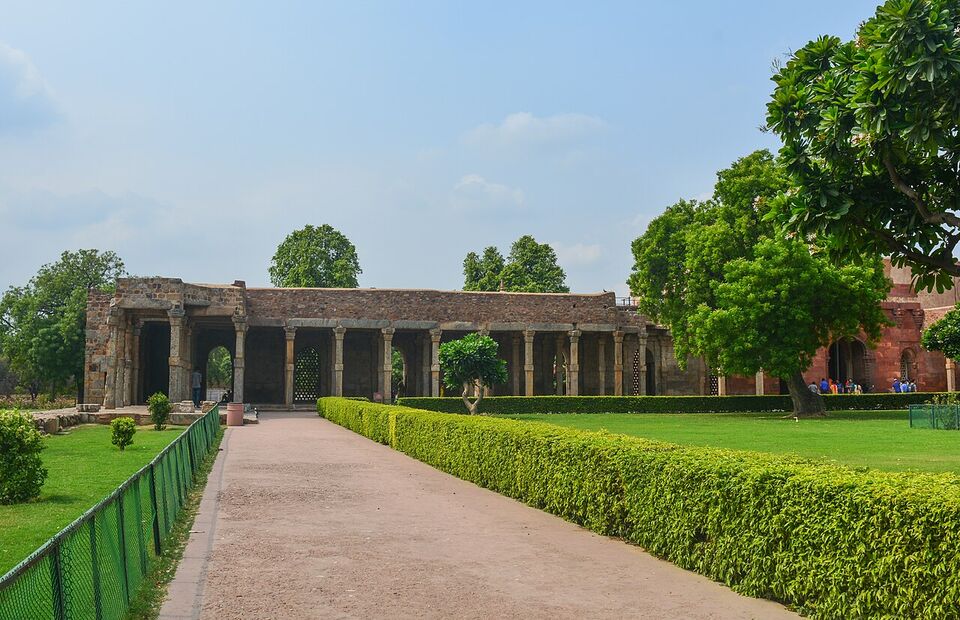
Delhi has several of India's finest monuments, from the Sultanate-era Qutub Minar to the Mughal Red Fort and Humayun's Tomb, and from the colonial boulevards of New Delhi to modern temples. They are spread over a large city, so the most useful way to plan is by area. Old Delhi is one cluster, the center and Lutyens Delhi are another, and the south (Mehrauli, Nizamuddin, Humayun's Tomb) is a third.
This page covers the main sights, who each suits, the best time of day, how long to allow, the ticket system, dress and photography. Our Delhi guide has the practical side (airport, Metro, where to stay, air quality), and our Golden Triangle guide shows how Delhi fits into a longer route. For the Taj Mahal and Agra, see Agra.
How tickets work
Most of Delhi's big monuments are run by the Archaeological Survey of India (ASI). Foreign visitors pay a much higher ticket price than Indian residents, a two-tier system that the government confirmed in a parliamentary answer on March 16, 2026, with no plan to change it. We could not confirm the current foreigner prices for the Red Fort, Humayun's Tomb or the Qutub Minar from an official source, so we do not state them: check the ASI site (asi.nic.in), which links to online ticketing. Buying online is usually the easiest route and avoids a queue, but have your passport with you, as foreigners may be asked for ID.
Carry some cash in small notes for the gate, tips, shoe-keeping at temples and small purchases. Cards and UPI are common in the city, but foreigners cannot use most UPI apps, so rely on cards and cash.
Watch out
Buy tickets only at the official counters or through the ASI's own online ticketing page. Look-alike ticket sites and people outside the gate offering "skip-the-line" tickets or guided packages are a common way to overpay. If a ticket price looks very different from the official one, stop and check.
Old Delhi: the Red Fort, Jama Masjid and Chandni Chowk
Red Fort (Lal Qila)
The Mughal emperor Shah Jahan began the Red Fort in 1639 when he moved his capital from Agra, and it was built over about nine years. It is a UNESCO World Heritage Site and the main monument of Old Delhi.
Jama Masjid
One of India's largest mosques, built by Shah Jahan between 1644 and 1656, with two minarets 135 ft (41 m) high and room for around 25,000 worshippers.
Chandni Chowk
The main street of the old walled city, with side lanes of spices, jewelry, paper and food. Go on foot or by cycle-rickshaw.
Red Fort
Who it suits: anyone interested in Mughal history and architecture, and a good first stop for a Delhi day. Best time: early morning, before the heat and the crowds. How long: two to three hours with a walk through the museums and gardens. Tickets: a foreigner price applies; we could not confirm the amount, so check asi.nic.in and buy online if possible. Closed days: the fort may close one day a week, and it can close at short notice for security reasons, so check the day on the ASI site. The surrounding area may be restricted during national events such as Independence Day (August 15) and Republic Day (January 26, 2027).
Enter through the Lahori Gate, walk down the covered market (Chatta Chowk) and visit the audience halls and the marble pavilions. The fort has strict security checks, so bring a small bag and your passport or a copy. Large bags and some items may be refused, so travel light.
Jama Masjid
Who it suits: visitors who want to see a working mosque and the view from the minaret. Best time: morning or late afternoon, outside prayer times (noon prayers on Fridays draw large crowds). How long: about an hour. Tickets: we could not confirm whether there is an entry fee or a camera fee for foreigners, so ask at the gate and check the mosque's official page. Dress: cover shoulders and knees, and you will take off your shoes. You may be asked to cover your head or legs; ask at the gate what is expected. Bring socks if the stone is hot or cold.
Worship takes priority: do not walk in front of people praying, and be quiet inside. Opening hours and any restrictions on non-worshippers at prayer times can change, so check locally. Read our etiquette guide and temples guide for dress and shoe rules at religious sites.
Chandni Chowk food walk
Chandni Chowk and Chawri Bazar have vendors who have sold street food for three or more generations. A food walk is a good way to taste chaat, paratha, kebabs, sweets and lassi in one place. Go in the late morning or late afternoon, bring small notes, and stay with a guide if you are nervous about stomach trouble. Choose stalls that are busy and cook to order, drink only sealed water, and skip ice. See our food guide. The area is crowded and narrow: keep your phone and wallet secure, and keep a hand on a small bag.
Insider tip
Take the Metro to Chandni Chowk or Lal Qila station rather than a taxi. Traffic around Old Delhi can be heavy, and the Metro drops you within walking distance of the Red Fort and the market. Then take a cycle-rickshaw from the Red Fort end of the street for the lanes.
The south: Humayun's Tomb, Hazrat Nizamuddin and Mehrauli
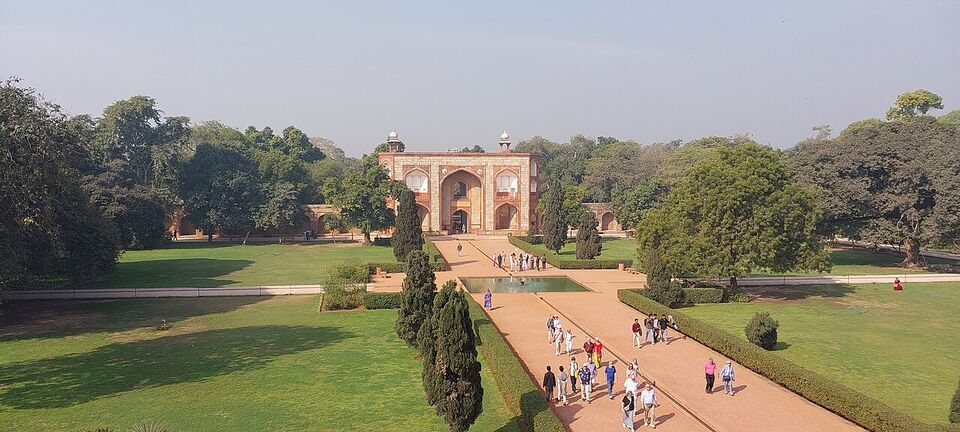
Humayun's Tomb
This is the first garden tomb on the Indian subcontinent. It was commissioned by Humayun's first wife, Bega Begum, in 1558, and designed by Persian architects. It was the first building to use red sandstone at this scale and is seen as a forerunner of the Taj Mahal. UNESCO listed it in 1993, and it has had a long restoration.
Who it suits: almost everyone, including people who find Old Delhi tiring. It is calm and spacious. Best time: morning or late afternoon, when the stone glows. How long: about two hours, longer if you add the smaller tombs and gardens around it. Tickets: a foreigner price applies, which we could not confirm; check asi.nic.in. Closed days: check the ASI site.
Hazrat Nizamuddin
Close to Humayun's Tomb is the Nizamuddin neighborhood, with the dargah (shrine) of the Sufi saint Nizamuddin Auliya and the tomb of the poet Amir Khusrau. The area is known for devotional music called qawwali, which is sung at the shrine in the evening. We could not confirm the current schedule, so ask locally. Dress modestly, cover your head if asked, and leave your shoes at the gate (small fee for the shoe-keeper). Alleys are narrow and busy, and there is a food lane nearby. Keep photography respectful: do not photograph people in prayer without permission.
Qutub Minar and Mehrauli
The Qutub Minar is a victory tower and minaret, 238 ft (72.5 m) tall, built mostly between 1199 and 1220, and is part of a UNESCO World Heritage complex. It has 399 steps and shows the first buildings of the Delhi Sultanate. The grounds have an old iron pillar and the ruins of a mosque.
Who it suits: history lovers and photographers. Best time: morning, as the complex fills later. How long: an hour and a half. Tickets: a foreigner price applies, which we could not confirm. The Qutub Minar complex is generally open daily, but we could not confirm this from an official page, so check asi.nic.in. The nearby Mehrauli Archaeological Park has older tombs, a stepwell and quiet paths and suits a second visit, with shoes you can walk in.
New Delhi: India Gate, the Lutyens area and Lodhi Garden
India Gate
A war memorial arch designed by Edwin Lutyens and unveiled in 1931, honoring Indian soldiers who died in the First World War and the Third Anglo-Afghan War.
Lutyens Delhi
Broad avenues, the Rashtrapati Bhavan, Parliament and the ministries along Kartavya Path (formerly Rajpath). Best seen from outside and by car.
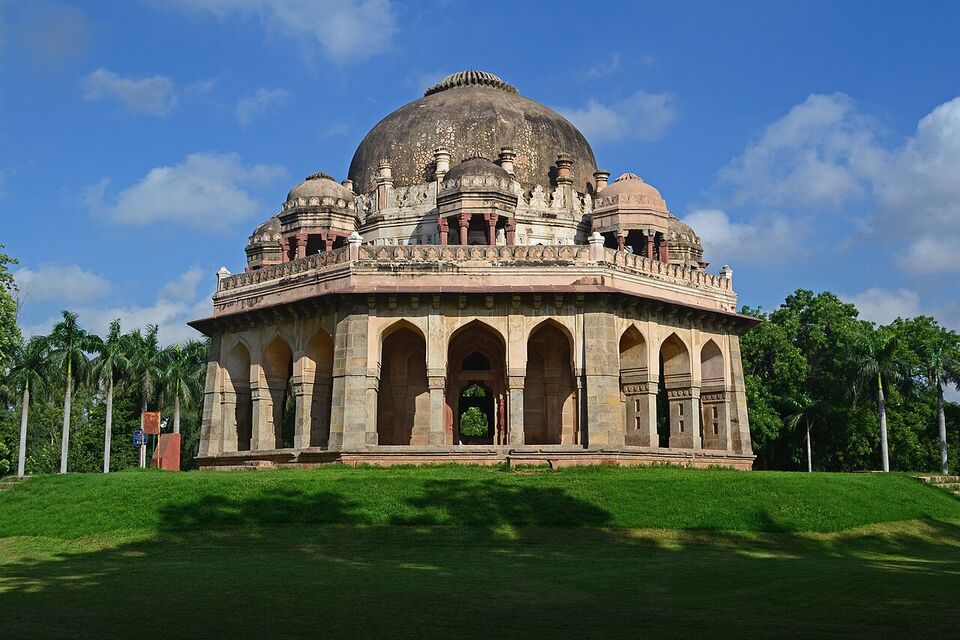
Lodhi Garden
A large city park with 15th and 16th century tombs and tree-lined paths. Popular with joggers and families.
India Gate. Best at sunrise or early evening, when the lawns fill with families and the arch is lit. It sits at the end of the ceremonial axis, and you can walk the lawns freely. Opening and security arrangements around it can change during national events, and large crowds are normal on weekends. Check Delhi Police advisories if you plan to go around Republic Day. We could not confirm hours or any ticket for the memorial area, so check locally.
The Lutyens area. Most government buildings are closed to visitors, but the avenues are worth a drive or short walk. A quick drive past takes an hour, and it fits well before or after India Gate. Photography near government buildings and military sites may be restricted, so follow signs and guards' instructions.
Lodhi Garden. A pleasant, shaded break in the middle of the day or at sunset. It suits families, runners and anyone who wants a calm hour. Wear shoes for the paths. We could not confirm opening hours or whether any fee applies, so check locally.
Temples: Akshardham and the Lotus Temple
Delhi has several modern places of worship that attract large numbers of visitors. They are good for people who prefer something quieter than a fort and who want to see living religious architecture.
Swaminarayan Akshardham
Opened on November 6, 2005, Akshardham is a large Hindu temple and cultural complex in east Delhi near the Noida border. Its main shrine is a carved stone temple built in a traditional style, with exhibitions, gardens and an evening show. It is known for strict security: expect to leave phones, cameras and bags in a cloakroom, but we could not confirm the current rules from an official page, so check the temple's own website before you go. Dress modestly, covering shoulders and knees. We could not confirm the closed day or the ticket prices for exhibitions, so do not rely on memory. Allow half a day if you want to see the exhibitions.
The Lotus Temple
The Bahá'í House of Worship in south Delhi opened to the public on January 1, 1987, and is shaped like a half-open lotus made of 27 marble-clad petals, 134 ft (40.8 m) high. It is open to people of all faiths. You enter in quiet, take off your shoes and sit in the central hall in silence. Allow an hour. Photography is generally not allowed inside, and it is quiet, so follow staff instructions. The nearest Metro station is Kalkaji Mandir on the Magenta Line. We could not confirm the closed day, so check before you go. Our temples guide covers how to behave at places of worship.
Raj Ghat and museums
Raj Ghat is the memorial to Mahatma Gandhi on the banks of the Yamuna, a quiet garden with a black marble platform. It suits visitors who want a calm stop and are interested in modern Indian history. Remove your shoes, dress modestly and keep your voice low. We could not confirm hours or fees.
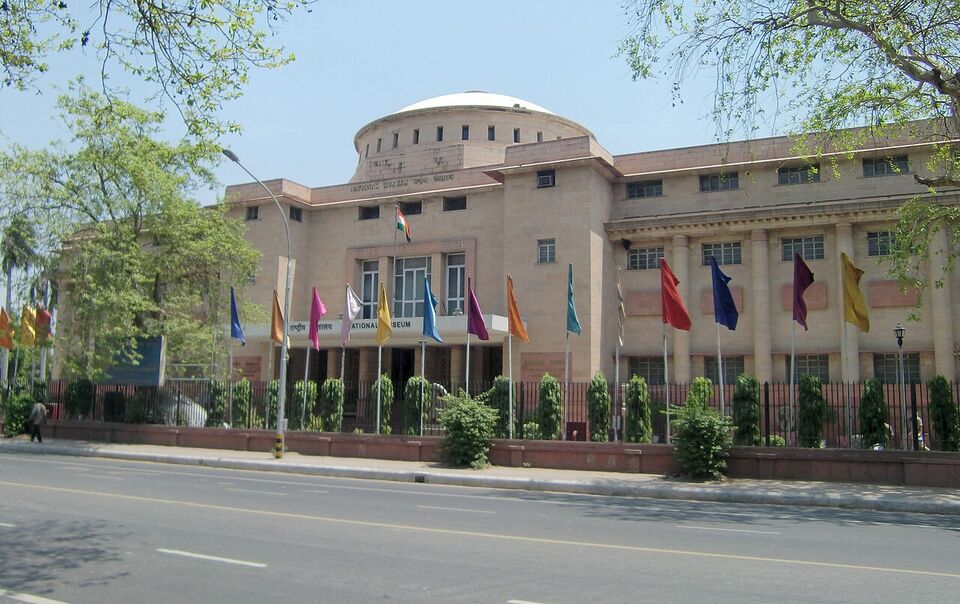
Museums. Delhi has a number of national museums, including the National Museum and galleries of modern art, but we could not confirm hours or ticket details for them. They suit rainy days, very hot afternoons and days of poor air, because they are indoors. Closing days differ by museum, so check each museum's own site.
One-day and two-day plans by area
Group the sights by area to save time on the road, and keep to a rhythm of one big monument in the morning and a quieter stop later. The table shows the clusters, and the plans below show how to combine them.
| Area | Sights | Best time | Time needed |
|---|---|---|---|
| Old Delhi | Red Fort, Jama Masjid, Chandni Chowk | Morning | Half to full day |
| Central and Lutyens Delhi | India Gate, Kartavya Path, Lodhi Garden | Early morning or evening | 2 to 3 hours |
| Nizamuddin and the east | Humayun's Tomb, Hazrat Nizamuddin | Morning, then dusk for Nizamuddin | Half day |
| Mehrauli and the south | Qutub Minar, Mehrauli Archaeological Park | Morning | Half day |
| Temples | Akshardham, Lotus Temple | Afternoon | Half day each |
One day
- Morning
Old Delhi
Metro to Lal Qila. Red Fort, then a walk or cycle-rickshaw through Chandni Chowk, with a snack.
- Afternoon
Humayun's Tomb
Taxi or app cab to the tomb. Sit in the garden and see the smaller tombs.
- Evening
India Gate
A short ride to India Gate at dusk, then dinner near Connaught Place or Khan Market.
Two days
- Day 1
Old Delhi and Nizamuddin
Red Fort and Jama Masjid in the morning, a Chandni Chowk lunch, Humayun's Tomb in the afternoon, and Hazrat Nizamuddin at dusk if you are comfortable with the crowds.
- Day 2
New Delhi and Mehrauli
Qutub Minar and Mehrauli in the morning, Lodhi Garden at lunchtime, India Gate and the Lutyens area in the late afternoon.
With a third day, add Akshardham or the Lotus Temple, Raj Ghat or a museum. Our Delhi guide explains how to get between the areas.
Dress and photography
What to wear
For mosques, temples and gurdwaras, cover your shoulders and knees, carry a light scarf or shawl and expect to take your shoes off. Loose cotton clothes are comfortable in the heat and acceptable almost everywhere. Choose slip-on shoes and carry socks. Dress and shoe rules vary by place and are set by each site, so follow signs and staff. Read our etiquette guide.
Cameras and drones
Photography is generally allowed outdoors at ASI monuments, but there may be a fee for video, restrictions on tripods, and no photography in some interior spaces. Drones are widely banned at monuments and near government areas, and we advise you not to fly one. Do not photograph military or police installations, government buildings, airports or bridges where signs forbid it. Ask permission before photographing people up close, especially at shrines and in markets. At places of worship, follow signs and staff instructions on photography.
Timing, heat and air
Mornings are best for monuments: they are cooler, less crowded and the light is better. In November to January, winter air in Delhi can be Very Poor to Severe (see our Delhi guide), so check the AQI each morning, carry an N95 mask and keep indoor options ready. In the hot months, April to June, start at opening time and break at midday.
Security checks are common. Bring only a small bag, and do not carry items that could look like weapons. If you use a tour guide, hire one from an official source or through your hotel, and agree the price first.
Mistakes to avoid
- Ignoring weekly closures. Some monuments close one day a week. Check before you go, and see more than one site that day if you can.
- Trying to do too much. Delhi's traffic is slow. Group sights by area.
- Buying from ticket touts. Use only official counters and the ASI site.
- Dressing without thought. Pack a scarf and slip-on shoes.
- Skipping the south. Many first-time visitors stay in Old Delhi and miss Humayun's Tomb, which is often a favorite.
- Heading out on days of the worst air. Plan an indoor alternative.
For help with your whole route, read our trip planning guide.
Add it to a route in the trip builder, or ask us to plan the hotels, trains and guides for you.