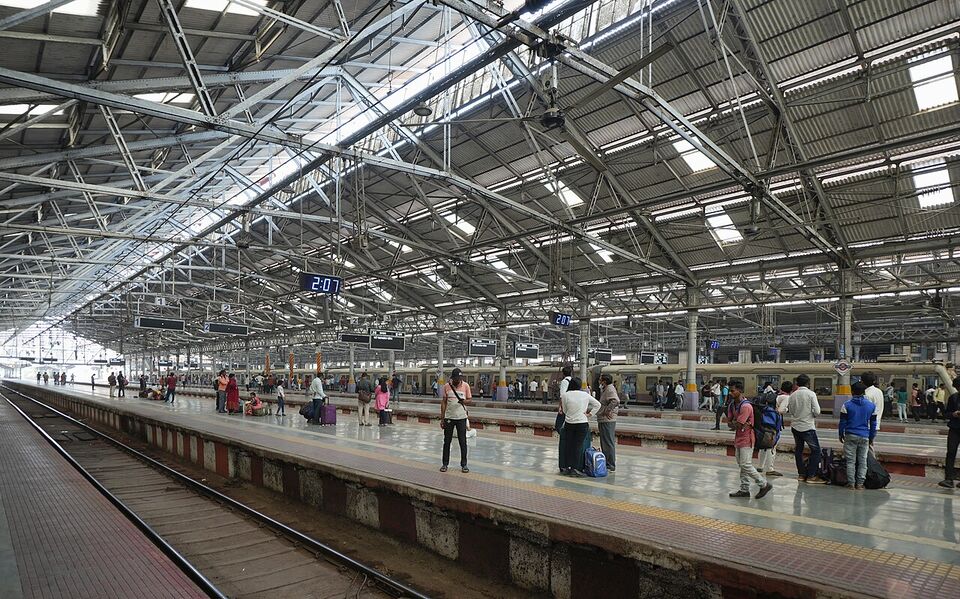
How Indian trains work for visitors
Trains are the best way to cover long distances in India if you book early and pick the right class. Indian Railways is one of the largest networks in the world, and its fast day trains between big tourist cities are comfortable, cheap by US standards and often quicker than driving. Overnight sleeper trains save a hotel night. The catch is that popular trains sell out, and seats are rationed through a quota system that is unfamiliar to Americans.
Every reserved seat or berth carries a class, a coach letter and a number, printed on your ticket. A train is named by a five-digit number and a name (for example a Shatabdi or Rajdhani), and you search for it by number on the booking site. Most tourist routes also have flights (see getting around India), but trains give you scenery, a look at everyday India and no airport security queue.
Two things to keep in mind from the start. First, timetables use the 24-hour clock, so 16:30 is 4:30 p.m. Second, India is on India Standard Time (UTC+5:30) all year, with no daylight saving: it is 10 hours 30 minutes ahead of New York in winter and 9 hours 30 minutes ahead in US summer time. Station boards and your ticket use local time.
Classes of travel compared
Classes come in two families: seats for day trains and berths (beds) for overnight trains. Not every train has every class. The table lists the ones visitors use most. The relative cost column is a guide only, because fares depend on distance and train type. We give no fare figures here, since they change; the fare appears when you search a train on the official booking site.
| Class | Code | What it is | Relative cost | Good for |
|---|---|---|---|---|
| AC First | 1A | Private air-conditioned cabins with lockable doors, bedding, an attendant, and meals on many trains | Highest | Couples, families, anyone who wants a locked door |
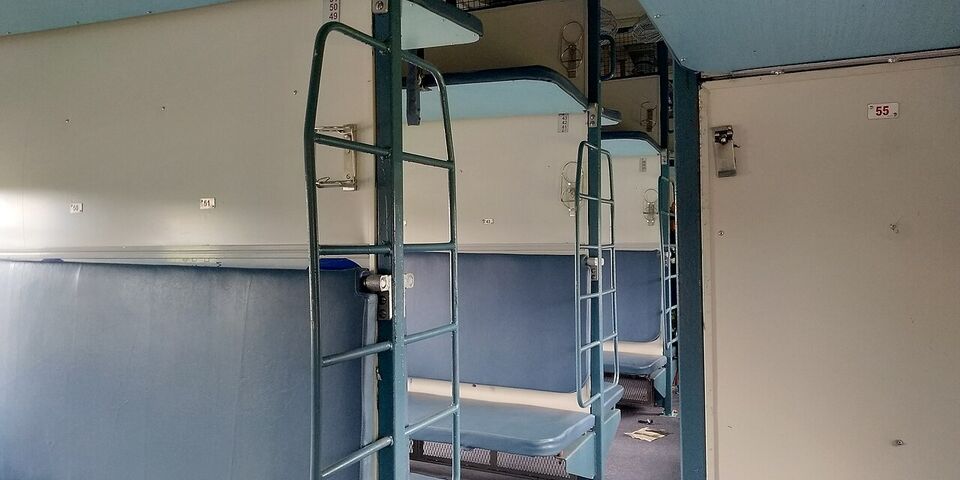
| AC 2-tier | 2A | Air-conditioned open bays of four berths plus two side berths, with curtains, bedding and reading lights | High | Overnight trips; a good balance of comfort and price |
| AC 3-tier | 3A | Air-conditioned bays of six berths plus two side berths; the middle berths fold down | Medium | Budget-minded overnight travelers who want air-conditioning |
| AC Chair Car | CC | Air-conditioned reclining seats, 3 + 2 across, with tray tables; meals included on many daytime trains | Medium | Day trains such as Shatabdi and Gatimaan |
| Executive Chair Car | EC | Wider seats, 2 + 2 across, with more legroom; on Vande Bharat the seats rotate | Higher | Comfort on short fast journeys |
| Sleeper | SL | Non-air-conditioned berths in open bays, with windows that open | Lowest of the berths | Experienced budget travelers in cool months only |
The AC 3-tier economy class (code 3E) is another option on a few trains such as Garib Rath. It packs in more berths, and bedding may be rented separately. The vistadome coaches with glass roofs run on some scenic routes. Second-class unreserved coaches exist, but they are crowded and are not a sensible choice for a first trip.
Different from home
There is no Amtrak-style open seating. Almost every long-distance train is reserved, and you need a ticket with a coach and seat or berth number. Berths turn into seats by day, so people share the lower berth for sitting until bedtime. Bring a light layer: AC coaches can feel cold at night.
For most Americans, we suggest AC Chair Car for day trips and 2AC for overnight trips. Choose 1A if you travel as a pair or a family of up to four and want privacy. We suggest skipping Sleeper class on a first visit: it is not air-conditioned, it is often crowded, and it is hot from March onward in the north. Check when to go for how the seasons change a rail trip.
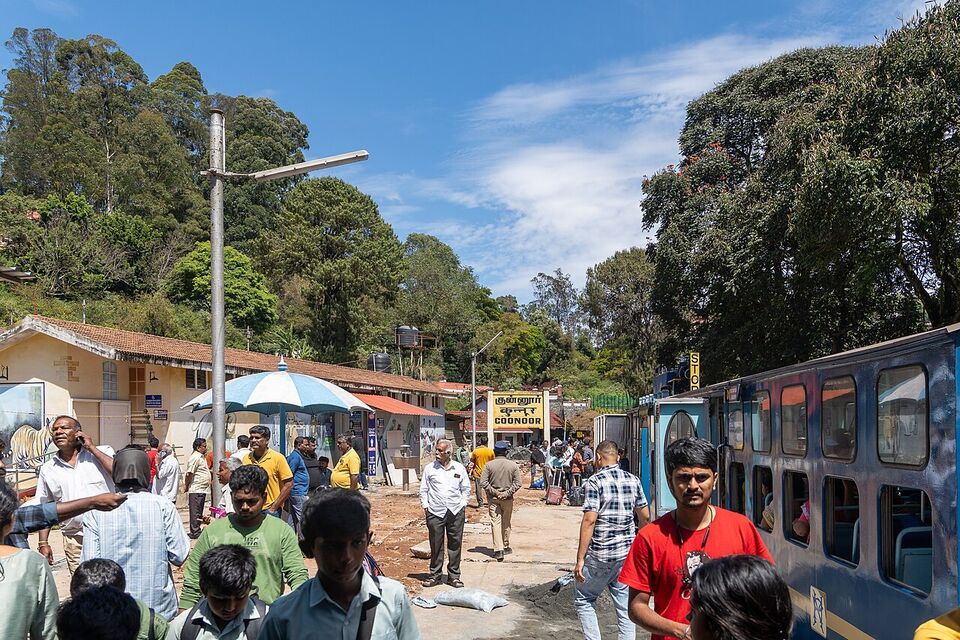
The fast trains: Vande Bharat, Shatabdi, Rajdhani and Gatimaan
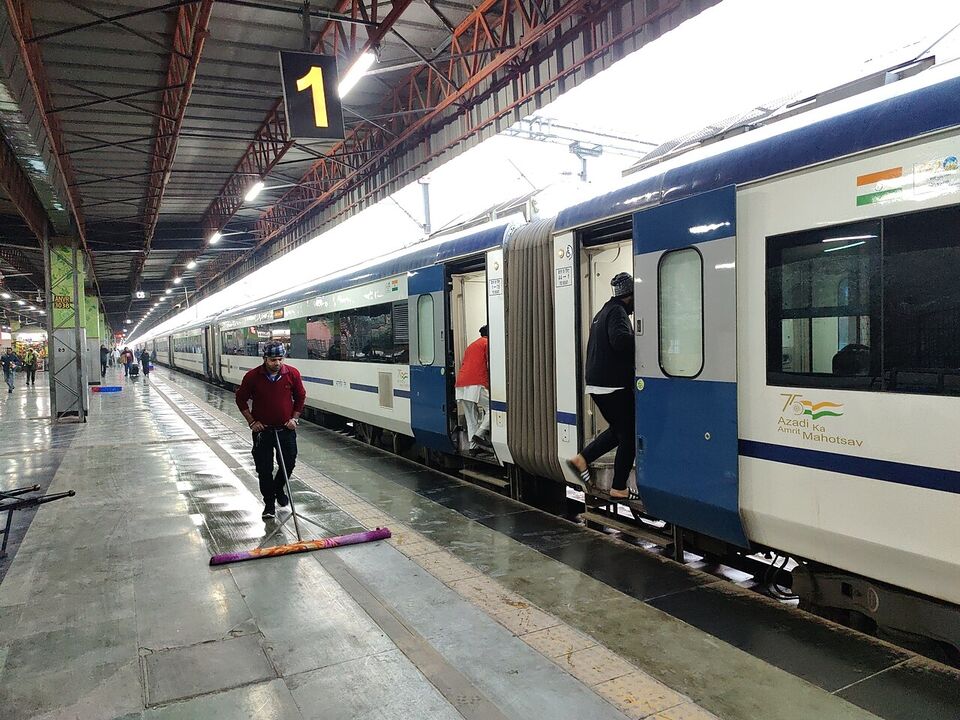
Indian Railways sells several named train types. The ones below suit tourists because they stop rarely, run on key routes and often include a meal.
Vande Bharat Express
A modern semi-high-speed train with air-conditioned chair car and executive chair car seats. The first service ran from New Delhi to Varanasi on February 15, 2019. Sample times from the Wikipedia timetable: New Delhi to Varanasi about 8 hours (472 miles, 759 km); Amritsar to Delhi about 5 hours 30 minutes (278 miles, 447 km); Mumbai CSMT to Madgaon in Goa about 7 hours 45 minutes (360 miles, 580 km). Check NTES (the official train enquiry site) for the current timetable.
Vande Bharat Sleeper
Sleeper versions of the Vande Bharat began service in January 2026, with 16 air-conditioned sleeper coaches. Routes and fares are still growing, and we could not confirm a current list, so search the booking site for your route.
Shatabdi Express
A daytime intercity train that runs out and back the same day between a big city and a nearby one, with chair car seating and meals served on board. Some routes now also have Vande Bharat trains.
Rajdhani Express
The first Rajdhani ran from New Delhi to Howrah (Kolkata) in March 1969. These fast, long-distance trains link Delhi with state capitals and big cities, usually overnight, in AC classes only, with meals on board.
Gatimaan Express
Introduced in 2016, it reaches 160 km/h (99 mph) on the Delhi-Agra section. One timetable aggregator (not an official source) shows it leaving Hazrat Nizamuddin at 8:10 a.m. and reaching Agra Cantt at 9:50 a.m. (about 1 hour 40 minutes, 117 miles or 188 km), and not running on Fridays. Verify on IRCTC, because timetables change.
For a Delhi to Agra day trip, a fast morning train gets you to the Taj Mahal area with time to spare. Read Agra guide for the Taj Mahal's own closed day (Friday) before you pick your travel date, and Golden Triangle guide for how this fits a Delhi, Agra and Jaipur route. Fast trains on this corridor take under two hours; slower Express trains take longer and stop more often.
How to book on IRCTC
The official booking site is IRCTC, at irctc.co.in, and it also has an app. IRCTC is the Indian Railway Catering and Tourism Corporation, the state company that sells tickets online. Train times and seat availability are also on the Indian Railways enquiry site at indianrail.gov.in, which offers PNR enquiry, trains between stations, seat availability and fare enquiry.
The basic steps
- Create an IRCTC account. The sign-up flow changes, and foreign visitors may be asked for passport details and a mobile number verification. Look for the international-user option or the foreign-visitor help pages. We could not confirm the current steps, so check the site.
- Search by stations (the three- to five-letter code on your ticket, such as NDLS for New Delhi) and the travel date.
- Pick a train and class, and look at availability (see the next section on waitlists).
- Enter passenger names exactly as in each passport, then pay. Foreign cards may need extra steps or may be declined, so have a backup.
- Save the ticket (e-ticket) and the PNR number. Carry ID: the name on your ticket has to match your passport.
Reserved tickets for the general public open 60 days before the journey. Foreign visitors may be able to book further ahead, but we could not confirm what applies now. Check IRCTC, and book early for busy routes such as Delhi to Varanasi or Mumbai to Goa in winter.
Watch out
Do not rely on look-alike sites or apps that use "IRCTC" in the name. Use the official addresses above. Third-party agents (licensed agents and foreign-run booking sites) can book trains for you, usually for a service fee and with a markup. They are an option if the official site rejects your card or login, but compare the total price, read the cancellation terms and never pay a stranger in person for a "ticket".
Foreign tourist quota, Tatkal and why quotas matter
Indian Railways holds back a share of seats on many trains in special quotas. The one that matters to visitors is the foreign tourist quota, which may set aside a few seats on popular trains for foreigners. It exists because general-quota seats often sell out within hours, and a visitor on a short trip cannot afford a waitlist. Whether it applies on your train and how to use it online or at a station counter must be checked on IRCTC, since we could not confirm the current rules. At large stations, a foreign-tourist reservation counter or help desk may exist; ask station staff, not touts.
Tatkal ("immediate") is a separate system for short-notice booking. A set number of seats on selected trains opens a day before departure at higher fares, and the Tatkal waiting list is separate. Confirmed Tatkal tickets are not refundable if you cancel. Whether foreign visitors can use Tatkal on all trains, and with which payment, is something we could not confirm, so look at the official rules before you rely on it.
Save money
Booking early is the cheapest strategy: Tatkal costs more, and a last-minute flight (see getting around India) can cost far more than a train. Daytime chair car is often the best value on fast routes.
Reading a ticket, PNR, waitlists and RAC
Your ticket shows the train number and name, date, boarding and destination stations, class, the PNR (a ten-digit passenger name record), and one line per passenger. The status of each passenger line is the key:
- CNF: confirmed, with a coach and berth or seat number (for example B3, 42).
- WL: waitlisted. You have no berth yet. A number such as WL 12 means 12 places in line. You move up as others cancel.
- RAC: reservation against cancellation. You may board and share a berth in sleeper classes; you may get a full berth later.
- RLWL, PQWL and others: other waitlists, such as remote location or pooled quota, which are less likely to clear.
Check the PNR status on the official sites above (or in the IRCTC app) a few times before the day. Charts (the final passenger lists) are usually prepared several hours before departure and may change status. A waitlisted ticket that has not cleared by chart time is canceled automatically and refunded under the usual rules. This is why we suggest booking a confirmed ticket and keeping a backup (a flight or a different train) if your trip depends on one train.
Stations, platforms and signs
Large stations are busy, but they are logical once you know three things. The platform for your train is shown on large display boards and announced in Hindi and English, but it can change at short notice. Coach positions are marked on electronic boards on the platform at big stations, or on a printed chart near the platform entrance. Find your coach letter before the train comes in, as trains stop for only a few minutes.
In the north, signs are in Hindi and English. In Tamil Nadu, Kerala and West Bengal, you will also see signs in the local language, but English is almost always on boards. Station names have codes (NDLS New Delhi, CSMT Mumbai, HWH Howrah in Kolkata). Many cities have more than one station, so check the one on your ticket: Delhi alone has New Delhi, Old Delhi, Hazrat Nizamuddin and others.
Arrive 45 to 60 minutes before departure at a big station on your first trip. Footbridges can be long, and there are security checks at some entrances.
Avoiding touts and common scams
Tout means a person who tries to steer you to an agency or hotel for a commission. At stations, they may say your train is canceled, the platform has changed, the tourist office is "closed", or the booking counter is "only for locals", and offer to take you somewhere "official". This is the classic route to an overpriced agency. Read scams guide for the full list.
- Check train status yourself on the official sites or app, or on the station's display boards.
- Only buy tickets on IRCTC, at the station's ticket counters, or from a licensed agent you chose in advance.
- Do not hand your passport or ticket to a stranger who offers to "check" it.
- If a porter (in a red or similar uniform with a badge) carries your bag, agree the price first and keep your valuables on you.
Safety, luggage, food and toilets
Indian trains carry enormous numbers of passengers daily, and most trips go without trouble. Take sensible precautions, especially at night.
- Luggage: use a small padlock and a chain or cable to secure your bag to the berth frame. Keep your passport, phone, cash and card on your body. Upper berths have the least foot traffic.
- Sleeping: in a shared AC coach, do not leave valuables under your pillow where hands can reach in; keep them in a daypack you sleep with.
- Women traveling alone: AC classes are the better choice. See advice for women travelers for practical advice, and keep 112 (India's emergency number) handy.
- Food: daytime Shatabdi, Vande Bharat and Rajdhani meals are often included. On other trains you can pre-order through the IRCTC app on some routes, or buy packaged snacks at stations. Choose sealed bottled water and watch for ice (see health guide).
- Toilets: most are Indian-style (squat) or Western-style, depending on the coach. Carry tissues or a small water bottle, hand sanitizer and a plastic bag.
- Bedding: provided in AC classes on most trains, often as part of the fare. In some, it is extra.
What to pack for a night train
- A small padlock and a chain or cable
- A light jacket or scarf for the AC
- Earplugs and an eye mask (lights and voices carry)
- Hand sanitizer, tissues and a plastic bag
- A power bank (sockets may be shared or limited)
- Printed or saved copy of your ticket and passport copy
- Bottled water and a snack
See packing list for a full list.
Fog season and delays
Winter fog hits north India from around December to January, and trains on routes through Delhi, Agra, Varanasi and Lucknow can run hours late. The Wikipedia climate page notes that fog also disrupts air travel on roughly 15 to 20 days in a year, but we could not find a reliable source on exactly how train delays work, so treat this as a general warning. Check the live status of your train on the Indian Railways enquiry site before leaving your hotel. We suggest leaving at least one buffer day before any flight home and not booking a tight connection after a long train trip. A full day of slack costs less than a missed flight.
Also check December guide and January guide for the season, and festivals guide for holiday periods when trains fill fast.
Common mistakes
- Booking at the last minute on a popular route and ending up on a waitlist.
- Choosing Sleeper class for comfort, then finding it hot and crowded.
- Typing a name that does not match the passport.
- Trusting someone at the station who says your train is canceled.
- Skipping a buffer day in fog season.
- Not checking the platform and coach position before the train arrives.
Add it to a route in the trip builder, or ask us to plan the hotels, trains and guides for you.