Overview
January is a strong month for India. It is still cool and dry, the beaches are warm, tigers can be seen in the reserves, and the crowds thin once the New Year week is over. It is also a month of festivals: kite days around January 14, the Jaipur Literature Festival and Republic Day on January 26.
The cost is cold. Nights in the north can be near freezing in some places, fog can still delay trains and flights, and the air in Delhi and the plains is often poor. If you are coming from a US winter, the days are comfortable and the nights are not. This page covers what to expect and how to plan around it. For the full year, see when to go to India.
Weather by region
These are long-term averages from India Meteorological Department data (forecasts are at mausam.imd.gov.in). Any one day can be colder or warmer.
| Place | Typical high | Typical low | What to expect |
|---|---|---|---|
| Delhi | 68°F (20°C) | 45°F (8°C) | Cold mornings, fog, hazy air |
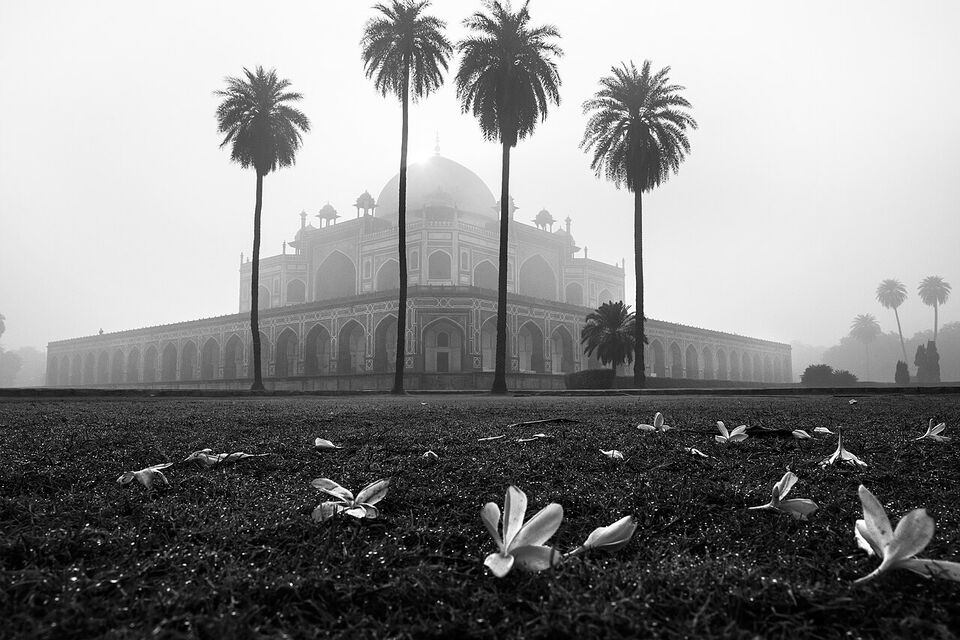
| Agra | 72°F (22°C) | 45°F (7°C) | Cold at dawn; fog can hide the Taj Mahal |
| Jaipur | 73°F (23°C) | 47°F (8°C) | Sunny days, chilly evenings |
| Varanasi | 71°F (22°C) | 48°F (9°C) | Cold, misty river mornings |
| Mumbai | 86°F (30°C) | 67°F (19°C) | Warm, dry and pleasant |
| Goa | 89°F (32°C) | 67°F (20°C) | Sunny beach weather, almost no rain |
| Kochi (Kerala) | 93°F (34°C) | 69°F (21°C) | Hot and humid by day, dry |
| Darjeeling | 52°F (11°C) | 35°F (2°C) | Cold; bring a proper coat |
| Leh (Ladakh) | 35°F (2°C) | 8°F (-13°C) | Deep winter; not for most visitors |
In the Thar Desert of Rajasthan (Jaisalmer, Jodhpur and the camps around them), days are bright and nights are cold. We have no climate table for the desert, so ask your camp or hotel about the night temperature and bedding, and pack for near-freezing evenings. In the Punjab plains, lows can fall below freezing; Amritsar can drop to about 27°F (-3°C). In the mountains, snow closes roads and passes. Check road status with the local authorities and your operator, and see our Himalayas guide.
Fog and air quality in January
January is the tail of the northern fog season. A climate summary of India notes that fog thick enough to hinder visibility disrupts air travel on 15 to 20 days a year, and January still has foggy mornings. Allow slack on any northern train or flight, avoid tight connections, and check live running status before you leave for the station or airport. We have not confirmed this winter's schedule changes.
Delhi's air does not improve much. A reference summary lists January readings in the 301 to 400 band (Very Poor), a step down from November and December, but still unhealthy on many days. Carry an N95 mask and check the live index each morning. See the health guide for air quality and the CDC's advice for travelers.
Watch out
Do not schedule a tight onward connection after a northern train or flight in January. A fog delay of several hours is common enough that you should assume it will happen once on a two-week trip, and keep a spare night before any non-refundable booking, especially your flight home.
Festivals and events
Makar Sankranti, Pongal and kites
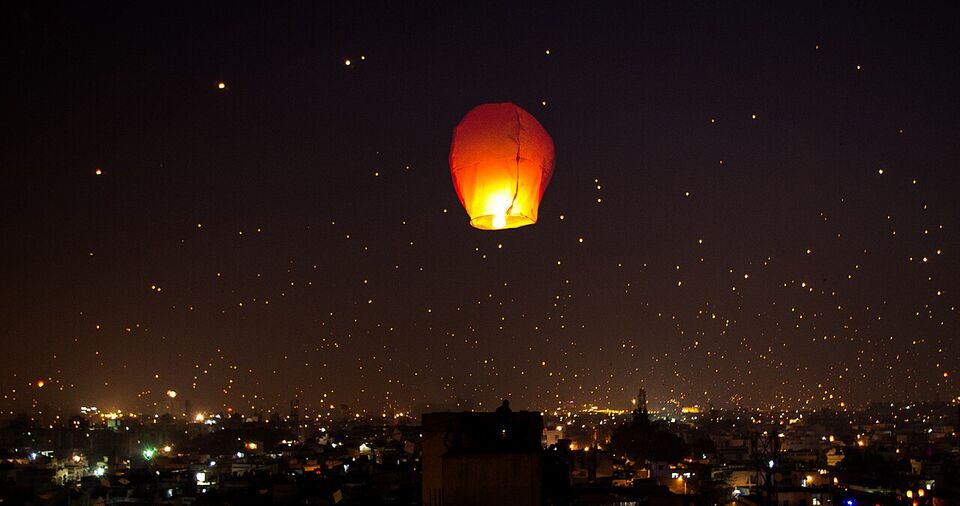
Makar Sankranti marks the sun's move into Capricorn and falls in mid-January. It is celebrated as Pongal in Tamil Nadu, and in Gujarat as Uttarayan, the kite festival, where the skies fill with kites. Uttarayan is usually on January 14, and we have not confirmed the 2027 dates, so check with local tourism sources. Gujarat is a dry state; foreigners can apply online for a liquor permit, but we have not confirmed the current process.
Jaipur Literature Festival
A headline lists the 20th Jaipur Literature Festival for January 14 to 18, 2027. Confirm the dates on the festival's own website before you book, because we have not seen the organizers' notice. The festival draws large crowds, and hotels in Jaipur fill up early and cost far more than usual during it. See the Jaipur guide.
Republic Day, January 26
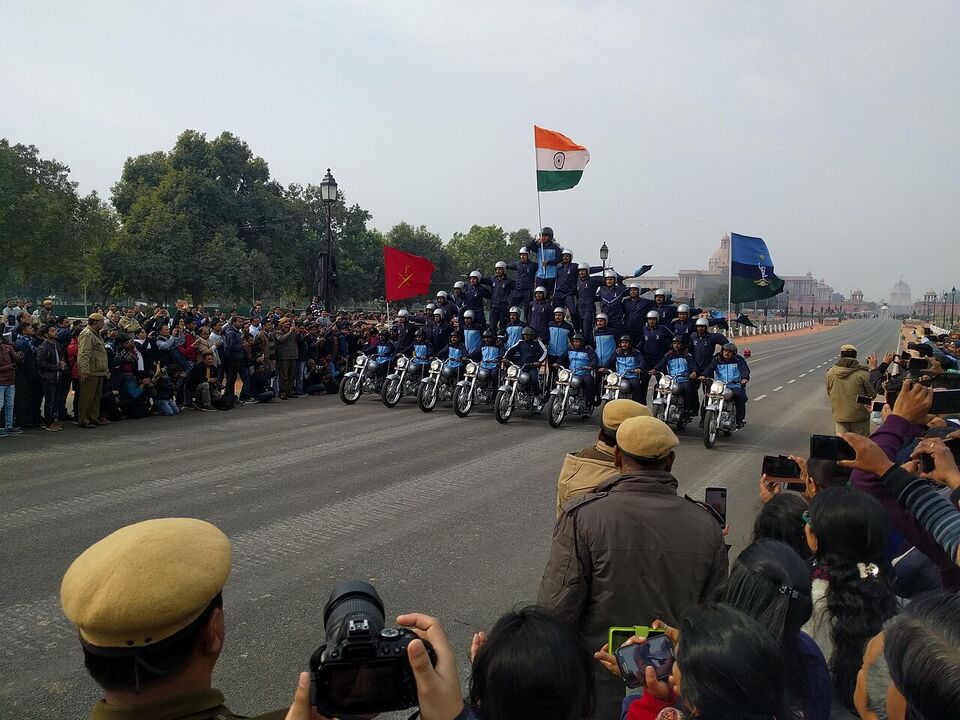
Republic Day, one of India's three national holidays, falls on Tuesday, January 26, 2027. Delhi holds a parade along the ceremonial avenue, and security is tight in central Delhi, with closures around the parade route and restrictions on traffic in the days before. We have not confirmed 2027 closures; Delhi Police and Delhi Traffic Police publish advisories close to the date. It is also a dry day across the country, so alcohol sales are usually prohibited, though some five-star hotels may still serve guests. Plan your Delhi sightseeing for other days, and allow extra time for airport transfers on that day. Monuments and shops may be closed or crowded. See the festivals guide for the rest of the year.
Rann Utsav
A headline said the Rann Utsav season in Kutch, Gujarat, begins on November 1, 2026. We have not confirmed its end date or prices; check the organizer and Gujarat Tourism. It is a tent-city festival near the white salt desert.
Tiger safaris and wildlife
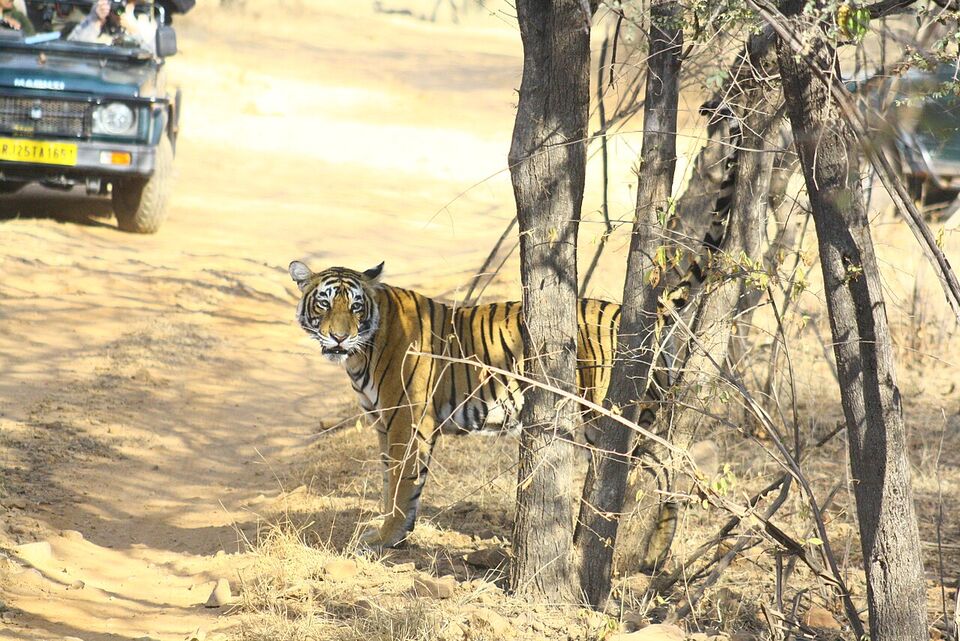
January is among the most comfortable months for safaris in the tiger reserves of central and north India: the parks are open, the days are mild and the grass is lower than in the rains. It is also cold. Open jeeps at dawn feel far colder than the daytime temperature suggests, so pack a warm jacket, gloves and a hat. One guide quoted on the reference page for Jim Corbett National Park notes that tiger sightings improve late in the dry season, April to mid-June, when animals gather near water, so winter trades some sighting odds for comfort. No park can promise a tiger.
- Corbett (Uttarakhand): has core and buffer zones; morning fog is common in winter. Bookings go through the official Corbett booking site, corbettonline.uk.gov.in.
- Bandhavgarh (Madhya Pradesh): main zones are Tala, Magdhi and Khitauli; bookings go through forest.mponline.gov.in.
- Ranthambore (Rajasthan): a classic Rajasthan add-on; we could not confirm the official booking portal, zone prices or the current rules, so check the Rajasthan forest department.
Zone access, vehicle quotas and permit rules change, and some zones close for management reasons. Always check the official booking site for the zones open on your dates, and book through it rather than through a stranger offering "last-minute permits." Our wildlife guide explains how safaris are booked and how to choose a responsible operator.
Crowds and prices after the holidays
Once the New Year week is over, the biggest crowds and highest prices ease in Goa, Kerala and Rajasthan, usually from the first week of January. January remains high season, so do not expect bargains, but rooms are easier to find than in late December. We have no verified rate figures, and prices vary a lot by city and date. Events like the Jaipur Literature Festival and Republic Day are exceptions: prices spike and rooms disappear.
Foreign visitors pay a higher ticket price than Indians at most monuments. The Taj Mahal's foreign ticket is ₹1,100 (about $12), plus an optional ₹200 (about $2) for the main mausoleum, and it is closed on Fridays (official site: tajmahal.gov.in). Rajasthan's state-run monuments were reported to raise foreigner prices on January 1, 2026: Amber Fort ₹1,000 (about $11), Hawa Mahal ₹600 (about $6) and Jantar Mantar ₹600 (about $6), with a composite ticket at ₹5,500 (about $59). That is from local news, so check the current price. See the Agra and Jaipur pages.
Save money
Shift your trip a week later. The first week of January is still expensive, but the second and third weeks, outside festival dates, are usually the better-value part of the high season. Check the cancellation terms before you pay, and avoid booking safaris and rooms on the days of the Jaipur festival unless you plan to attend.
What to pack
Pack layers. Mornings and nights are cold in the north, while the south is hot. More on the packing page.
- A warm jacket, gloves, a scarf and a hat for dawn safaris, boats and the desert.
- Thermal base layers if you are going to the desert, Darjeeling or the Punjab plains.
- Light clothing for beaches and Kerala.
- An N95 mask for Delhi and other northern cities.
- Sturdy shoes and warm socks that are easy to remove at temples.
- Sun protection: days are sunny.
- A plug adapter (230 V, types C, D and M) and a power bank.
A sample 9-day route
This route links Delhi, Agra, a tiger reserve and Jaipur. It keeps buffers for fog. India Standard Time is 10 hours 30 minutes ahead of New York in winter. Check current train and flight schedules, since we have not confirmed them.
- Days 1-2
Delhi
Arrive, rest and see two or three sights, with the air index in mind. Avoid January 26 for central Delhi. See the Delhi guide.
- Day 3
Agra
The Gatimaan Express is listed at 8:10 a.m. from Hazrat Nizamuddin to 9:50 a.m. at Agra Cantt, not running on Fridays (confirm on IRCTC). The Taj is closed Fridays.
- Days 4-6
Ranthambore or another tiger reserve
Book safari zones through the official site in advance. Two safaris (morning and afternoon) give a fair chance, but no guarantee. Allow a day for travel.
- Days 7-8
Jaipur
Amber Fort, the City Palace and the bazaars. If the literature festival is on, book rooms very early or skip those dates.
- Day 9
Return to Delhi
Leave a full spare day before any international flight home.
For a warmer second half, replace the last days with Kerala or Goa. See Kerala and Goa.
Common January mistakes
- Underestimating the cold. A desert camp or a dawn safari can be near freezing. Bring real layers.
- Ignoring fog. Do not schedule a same-day connection after a northern train.
- Arriving in Delhi or Jaipur on a major event day without a plan. Republic Day and the literature festival change traffic and hotel prices.
- Buying safari permits from strangers. Use the official booking site only.
- Applying for the e-Visa late. Apply only at indianvisaonline.gov.in/evisa; look-alike agent sites charge extra. See the entry guide.
Different from home
Buildings in the Indian plains are often not heated, and a winter indoor temperature can match the outdoors. Ask a hotel about heaters before you book, and bring layers to wear indoors as well.
Add it to a route in the trip builder, or ask us to plan the hotels, trains and guides for you.