Overview
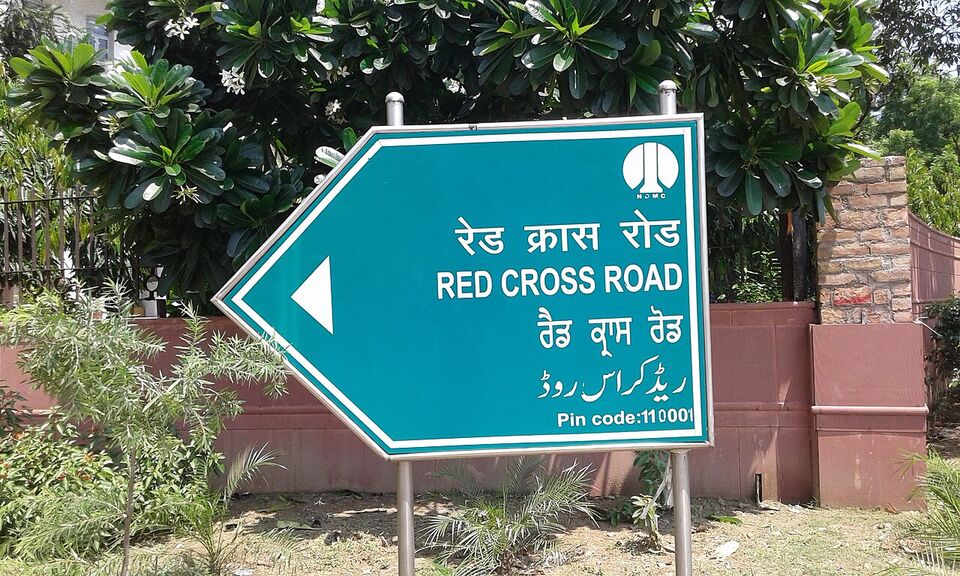
You do not need Hindi to travel in India. English is widely used in hotels, airports, trains, tourist sites, restaurants and shops, and most signs in cities carry English. But a few Hindi phrases make daily life easier, and people notice the effort. A namaste, a dhanyavaad and a kitna? will carry you a long way.
This page gives you phrases for greetings, thanks, yes and no, numbers 1 to 10, prices, directions, food, rickshaws and taxis, polite refusals and emergencies. Each phrase has the Devanagari script, a plain romanization and a rough pronunciation. In the pronunciation guide, capital letters show the stressed part of the word. These are approximations, since Hindi has sounds that English does not.
Hindi is one of many languages
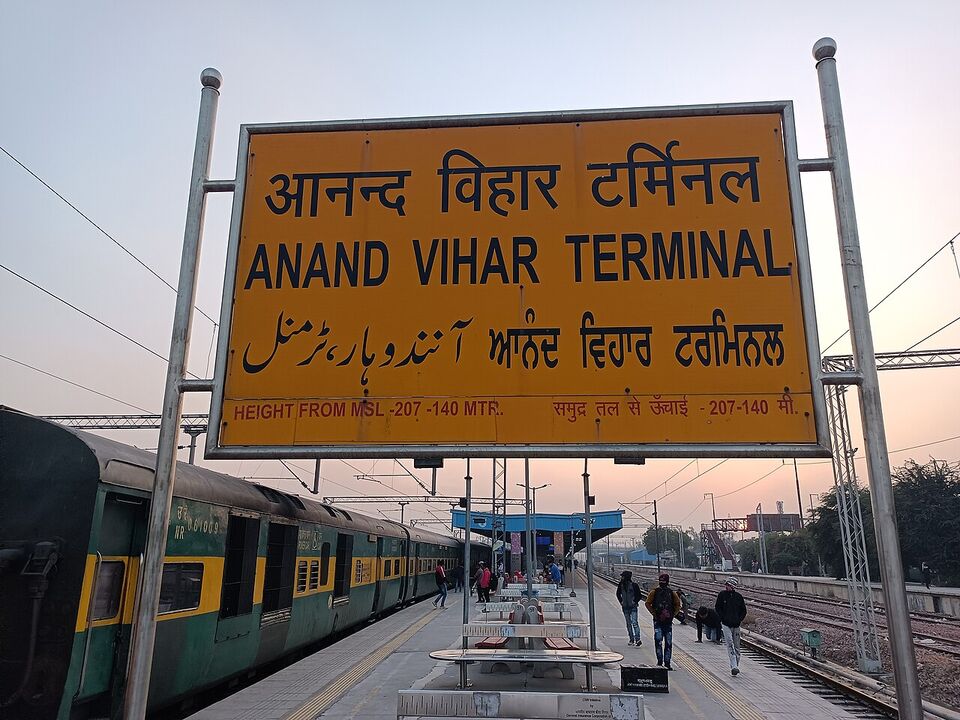
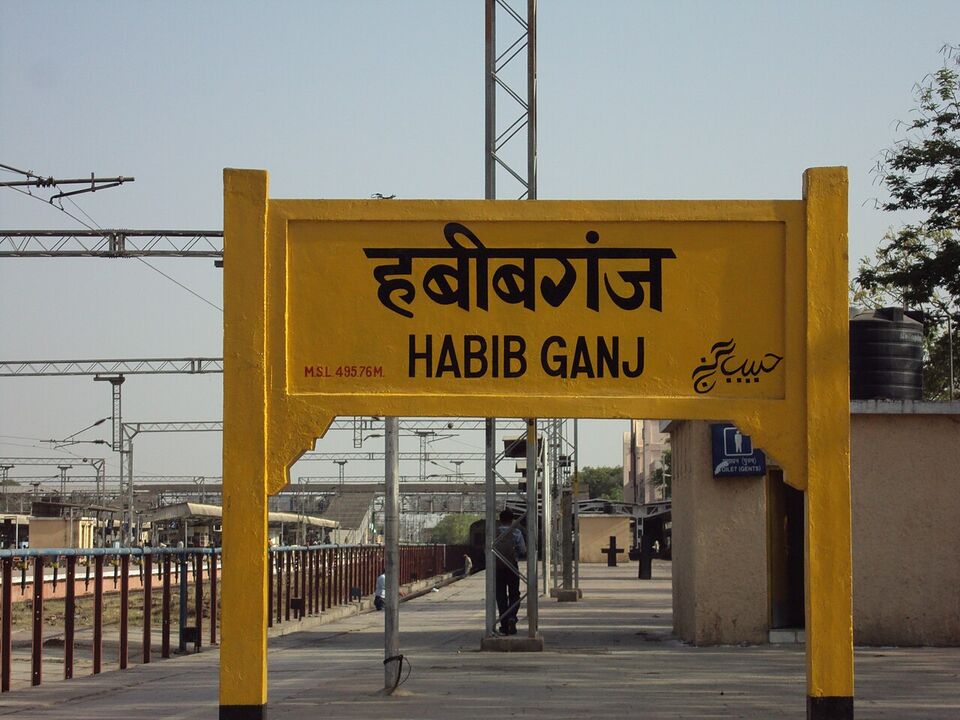
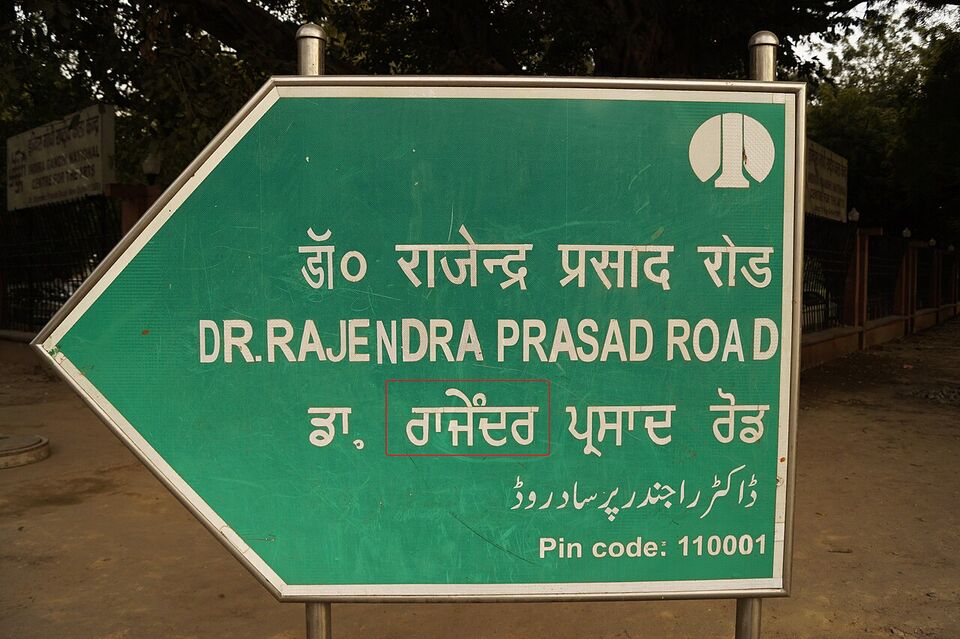
Hindi is an official language in ten states and six union territories, including Delhi, and with English it serves as a common language across much of the north, center, west, east and northeast. South India is the main exception. It is written in Devanagari, a script that runs left to right and hangs letters from a line.
India has many other major languages: Tamil in Tamil Nadu, Malayalam in Kerala, Kannada in Karnataka, Telugu in Andhra Pradesh and Telangana, Bengali in West Bengal, Marathi in Maharashtra, Gujarati in Gujarat, Punjabi in Punjab, and more. Signs in Tamil Nadu, Kerala and West Bengal are often not in Hindi. In the south and east, English is the safer bridge, and in Delhi, Rajasthan, Uttar Pradesh and the north, Hindi works for daily needs. See the Tamil Nadu, Kerala and Kolkata guides for those regions.
Watch out
Do not assume Hindi will work in Tamil Nadu or Kerala. Many people there do not speak Hindi, and some prefer English with outsiders. Start with English, and learn "nandri" (thank you in Tamil) or "nanni" (thank you in Malayalam) for those regions.
Aap or tum: the right level of politeness
Hindi has three words for "you," and the choice shows respect. Aap is the polite, formal form, used with strangers, elders, officials, shopkeepers and anyone you want to honor. Tum is a familiar form for friends and people of the same age or younger. Tu is very intimate or can be rude, so avoid it. As a visitor, use aap every time.
You can add -ji to a name or title as a mark of respect, as in "Sharma-ji" or "Guide-ji." Add "sir" or "madam" with care. It is polite, but it is not needed for every person, and addressing everyone as "sir" or "madam" can sound stiff or strange, especially with someone your age or with children. Use a name when you know it, and "bhaiya" (older brother) or "didi" (older sister) in casual settings for a shopkeeper or rickshaw driver, which sounds warm. The etiquette guide explains other manners.
Hindi verbs change with the gender of the speaker. A man says "main bolta hoon" (I speak) and a woman says "main bolti hoon." The phrases below avoid this where possible. Do not worry about getting the gender right, since people will understand you.
Greetings and basics
Namaste works as hello and goodbye, and you can say it with palms together. For thank you, dhanyavaad is formal and shukriya is the everyday word. In shops and restaurants, many people will answer in English, and that is fine.
| English | Hindi | Romanization | Say it |
|---|---|---|---|
| Hello / goodbye (respectful) | नमस्ते | namaste | nuh-mus-TAY |
| How are you? | आप कैसे हैं? | aap kaise hain? | aap KAY-say hain |
| I am fine, thank you | मैं ठीक हूँ, धन्यवाद | main theek hoon, dhanyavaad | main teek hoon, DHUN-ya-vaad |
| Thank you (formal) | धन्यवाद | dhanyavaad | DHUN-ya-vaad |
| Thank you (everyday) | शुक्रिया | shukriya | SHOO-kri-ya |
| Please | कृपया | kripya | KRIP-ya |
| Excuse me / sorry | माफ़ कीजिए | maaf keejiye | maaf KEE-jee-yay |
| Yes | हाँ | haan | haan, with a soft nasal sound |
| No | नहीं | nahin | na-HEEN |
| OK / fine | ठीक है | theek hai | teek hai |
| My name is ... | मेरा नाम ... है | mera naam ... hai | MAY-ra naam ... hai |
| I do not understand | मुझे समझ नहीं आया | mujhe samajh nahin aaya | MOO-jay sa-MUJH na-HEEN AA-ya |
| Do you speak English? | क्या आप अंग्रेज़ी बोलते हैं? | kya aap angrezi bolte hain? | kyaa aap ang-RAY-zee BOL-tay hain |
Pronunciation tips
- Say "aa" long, as in "father," and "a" short, as in "about."
- Hindi has a "retroflex" T and D, said with the tongue curled back. English speakers can say a normal T or D and still be understood.
- Words ending in "n" after a vowel, such as haan, are lightly nasal.
- Stress is light. Say each syllable clearly and evenly.
Numbers 1 to 10
Numbers are useful for prices, bus and train numbers and bargaining. Indian prices are often said in English numerals, so you may hear both. Here are 1 to 10 in Hindi.
| English | Hindi | Romanization | Say it |
|---|---|---|---|
| 1 | १ एक | ek | ayk |
| 2 | २ दो | do | doh |
| 3 | ३ तीन | teen | teen |
| 4 | ४ चार | chaar | chaar |
| 5 | ५ पाँच | paanch | paanch |
| 6 | ६ छह | chhah | chheh |
| 7 | ७ सात | saat | saat |
| 8 | ८ आठ | aath | aath |
| 9 | ९ नौ | nau | now, as in "cow" |
| 10 | १० दस | das | duss |
Hindi numbers above 10 are less regular and are learned one by one, so most visitors use English numbers for prices. Shopkeepers will often switch to English or a calculator. We give amounts in rupees, such as ₹100 (about $1), as in the money guide.
Asking prices and shopping
| English | Hindi | Romanization | Say it |
|---|---|---|---|
| How much is this? | यह कितने का है? | yeh kitne ka hai? | yeh KIT-nay ka hai |
| How much? | कितना? | kitna? | KIT-na |
| That is too expensive | यह बहुत महँगा है | yeh bahut mehnga hai | yeh ba-HOOT MEH-nga hai |
| Make it a little less | थोड़ा कम कीजिए | thoda kam keejiye | THO-da kum KEE-jee-yay |
| I do not need it | मुझे नहीं चाहिए | mujhe nahin chahiye | MOO-jay na-HEEN chaa-HEE-yay |
| Please give me a bill | बिल दीजिए | bill deejiye | bill DEE-jee-yay |
When you bargain, keep it friendly. A smile and "thoda kam" (a little less) go further than a hard stare. If the price is fixed, you will hear "fixed price." See the etiquette guide for bargaining manners, and the scams guide for common tricks.
Directions
| English | Hindi | Romanization | Say it |
|---|---|---|---|
| Where is the ...? | ... कहाँ है? | ... kahaan hai? | ka-HAAN hai |
| Straight ahead | सीधा | seedha | SEE-dha |
| Left | बाएँ | baayen | BAA-yen |
| Right | दाएँ | daayen | DAA-yen |
| Near / far | पास / दूर | paas / door | paas / door |
| Stop here, please | यहाँ रोकिए | yahaan rokiye | ya-HAAN ROH-ki-yay |
| Station / airport | स्टेशन / हवाई अड्डा | station / havai adda | STAY-shun / ha-WAI AD-da |
People are generally willing to help with directions, but they may answer even if they are not sure, because saying "I do not know" can feel impolite. Ask two or three people, or use a map app on your phone, and confirm with a landmark. See the getting around guide for transport.
Food and restaurants
| English | Hindi | Romanization | Say it |
|---|---|---|---|
| Water | पानी | paani | PAA-nee |
| Bottled water, please | बोतल का पानी दीजिए | botal ka paani deejiye | BO-tul ka PAA-nee DEE-jee-yay |
| I am vegetarian | मैं शाकाहारी हूँ | main shaakaahaari hoon | main shaa-ka-HAA-ree hoon |
| Less spicy, please | कम मिर्च | kam mirch | kum MIRCH |
| No ice, please | बिना बर्फ़ के | bina barf ke | BEE-na barf kay |
| A little more | थोड़ा और | thoda aur | THO-da or |
| Enough, thank you | बस, धन्यवाद | bas, dhanyavaad | buss, DHUN-ya-vaad |
| Tea, please | चाय दीजिए | chai deejiye | chai DEE-jee-yay |
| I am allergic to ... | मुझे ... से एलर्जी है | mujhe ... se allergy hai | MOO-jay ... say AL-er-jee hai |
| The bill, please | बिल लाइए | bill laaiye | bill LAA-ee-yay |
Say "kam mirch" when you order, not after the food arrives. Most restaurants have menus in English. For what to order, see the food guide, and for safe water, see the drinks guide.
Getting a rickshaw or taxi
Auto-rickshaws (auto or tuk-tuk) and taxis are part of daily travel. Ride apps are easier for fixed prices, and they need no Hindi. If you hail one in the street, agree on the price or the meter before you get in.
| English | Hindi | Romanization | Say it |
|---|---|---|---|
| I want to go to ... | मुझे ... जाना है | mujhe ... jaana hai | MOO-jay ... JAA-na hai |
| Please go by the meter | मीटर से चलिए | meter se chaliye | MEE-ter say CHA-li-yay |
| How much to go to ...? | ... जाने का कितना लेंगे? | ... jaane ka kitna lenge? | JAA-nay ka KIT-na LAYN-gay |
| Wait here, please | यहाँ रुकिए | yahaan rukiye | ya-HAAN ROO-ki-yay |
| Slow down, please | धीरे चलिए | dheere chaliye | DHEE-ray CHA-li-yay |
Polite refusal
Touts, sellers and guides can be persistent. A calm, firm and friendly refusal works. Say it once, smile, and keep walking. Eye contact is not needed, and you do not need to explain.
| English | Hindi | Romanization | Say it |
|---|---|---|---|
| No, thank you | नहीं, धन्यवाद | nahin, dhanyavaad | na-HEEN, DHUN-ya-vaad |
| I am not interested | मुझे दिलचस्पी नहीं है | mujhe dilchaspi nahin hai | MOO-jay dil-CHUS-pee na-HEEN hai |
| Maybe later | बाद में | baad mein | baad main |
| Please do not follow me | मेरे पीछे मत आइए | mere peechhe mat aaiye | MAY-ray PEE-chay mut AA-ee-yay |
Hospital and emergency
India's national emergency number is 112. US citizens who need help can call the State Department at +1-202-501-4444 from abroad. These phrases can help you get attention. Most hospital staff and doctors speak English, but a few words help in an emergency. See the health guide and the safety guide.
| English | Hindi | Romanization | Say it |
|---|---|---|---|
| Help! | मदद कीजिए! | madad keejiye! | MA-dud KEE-jee-yay |
| Please call a doctor | डॉक्टर बुलाइए | doctor bulaaiye | DOC-tor boo-LAA-ee-yay |
| I need a hospital | मुझे अस्पताल जाना है | mujhe aspataal jaana hai | MOO-jay as-pa-TAAL JAA-na hai |
| I am not well | मेरी तबीयत ठीक नहीं है | meri tabiyat theek nahin hai | MAY-ree ta-BEE-yat teek na-HEEN hai |
| Call the police | पुलिस को बुलाइए | police ko bulaaiye | po-LEES ko boo-LAA-ee-yay |
Common mistakes
- Calling everyone "sir" or "madam." It is polite, but it can sound distant or odd with people your age or with children. Use "aap," a name with -ji, or "bhaiya" and "didi" where it fits.
- Assuming Hindi works in Tamil Nadu or Kerala. Use English there, and learn a word of the local language.
- Using "tum" or "tu" with strangers. Use "aap."
- Taking "no problem" or a head wobble as a firm yes. Confirm in words.
- Speaking quickly. Slow, clear words in simple English are understood better than fast ones.
- Relying only on phone translation. Download the Hindi pack offline for your translation app, since signal may be weak.
Learning a few words is not a test. People appreciate the effort, and a smile does most of the work. Back to the planning guide for the rest of your trip.
Add it to a route in the trip builder, or ask us to plan the hotels, trains and guides for you.