Overview
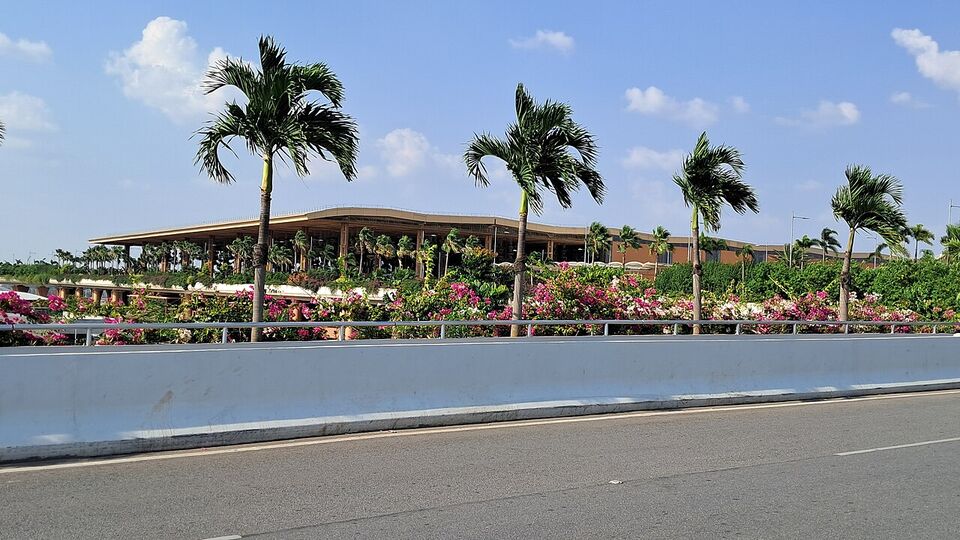
You can fly nonstop from several US cities to Delhi and from the New York area to Mumbai, and you can reach almost every other Indian city with one stop. The trip is long: about 14 to 16 hours in the air nonstop is typical, plus the connection if you take a one-stop itinerary. Most flights from the US land in India at night or in the early morning, and the time difference is between 10 and 13.5 hours depending on where you start, so plan for a rough first day.
This page covers the routes, the arrival airport you should choose, jet lag, the Indian airports and the arrival steps, domestic airlines and their strict baggage rules, tips for open-jaw tickets, how a flight compares with a train, and the mistakes that cost travelers the most. We do not name specific fares because they change daily. For the visa you need before you book, see e-Visa and entry rules.
Watch out
Apply for your e-Visa before you buy a ticket if your dates are firm, and use only the official site, indianvisaonline.gov.in/evisa. Look-alike agent sites charge extra, and the government charges no express or emergency fee. The official minimum is to apply at least 4 days before arrival, but apply well ahead.
Nonstop routes
These are the US nonstops we could find listed for the main Indian airports. They come from airport reference listings and not from the airlines' own schedule pages, so confirm each one on the airline site before you plan around it. Airlines add and drop routes between seasons.
| Indian airport | US departure city | Airline listed |
|---|---|---|
| Delhi (DEL) | Chicago O'Hare | Air India |
| Delhi (DEL) | New York JFK | Air India, American Airlines |
| Delhi (DEL) | Newark | Air India, United Airlines |
| Delhi (DEL) | San Francisco | Air India |
| Mumbai (BOM) | New York JFK | Air India |
| Mumbai (BOM) | Newark | Air India |
We could not confirm nonstops from the US to Bengaluru, Hyderabad or Chennai for winter 2026-27, or whether Delta flies to Mumbai this winter, so check airline sites for those. Reports about new Air India routes from other US cities are also unconfirmed. Booking the airline directly or through a major airline-booking site is fine; use the airline's own page to check bags and change rules before you pay.
One-stop routes
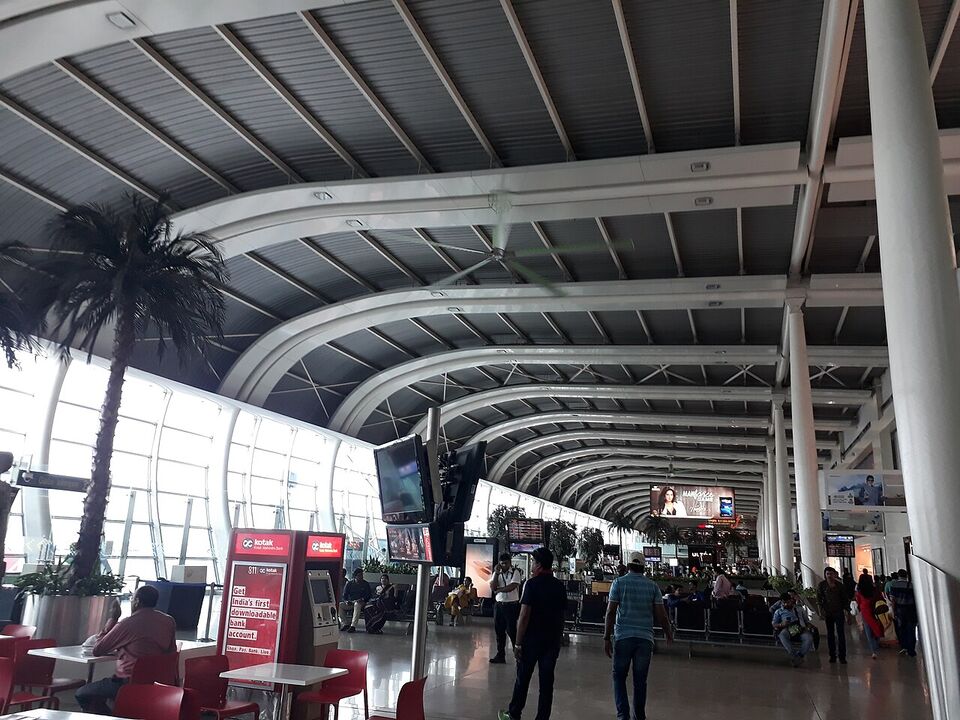
Most routes to Indian cities other than Delhi and Mumbai have a stop. The usual hubs are in Europe, the Gulf and East Asia, and the airline decides which combination your fare uses. A one-stop trip can take 18 hours or more door to door and can cost less than a nonstop, and it gives you more departure cities and times. It also means a second boarding pass, a second bag check and, sometimes, a transit visa or a transit rule that applies to the stop country.
What to check before you book a one-stop itinerary:
- Is the connection on one ticket? If your first flight is late, the airline rebooks you only if both flights are on the same booking.
- How long is the layover? Very short connections are risky, and very long ones are tiring. Many travelers prefer 2 to 4 hours in a large hub.
- Do you change airports or terminals? That adds time and can mean going through security again.
- Does the stop country need a visa or transit permit for a US passport? Check the country's official website.
Airspace and flight times
Pakistan has been extending a ban on Indian-registered and Indian-operated aircraft in its airspace, most recently through a notice running to November 23, 2026 according to a news report. That applies to Indian carriers such as Air India and IndiGo, not to US carriers, but it can lengthen some Indian-carrier routes, and airlines reroute when airspace closes. We could not confirm the effect on any specific US route, so treat the typical 14 to 16 hours as a guide and check your own itinerary for the scheduled time. Check the news and your airline site for airspace changes as your trip date nears.
The long trip and jet lag
India Standard Time is UTC+5:30 all year with no daylight saving, so the gap depends on your US time zone and on the time of year. From New York it is 10 hours 30 minutes ahead in US winter and 9 hours 30 minutes ahead in US summer time. From Chicago it is one hour more than New York, and from Los Angeles and San Francisco it is 13 hours 30 minutes in winter and 12 hours 30 minutes in summer. The half-hour offset is normal.
Because the flight crosses so many time zones, your body will need several days to adjust, and most people find travel east harder than travel west. These steps help:
- Shift your sleep a little earlier in the days before you fly, if you can.
- On the plane, set your watch to Indian time as soon as you board and sleep when it is night there.
- Drink water, and limit alcohol and caffeine on the flight.
- When you land, get outdoors in daylight, eat at local meal times, and stay up until the local evening before you sleep.
- Plan an easy first day with no early tours, and book the first hotel night so that you can check in on arrival.
A first day with hotel check-in, a short walk and an early dinner works better than a full sightseeing day. See health and air quality for travel health advice and planning your trip for pacing a first trip.
Choosing your arrival airport
Pick the airport nearest to where your trip starts, not the cheapest fare to a city you do not plan to visit. An extra domestic flight or a long road trip on your first day adds fatigue and risk. The e-Visa works only through the airports on the official entry list, which has 37 airports. Leh, Udaipur, Jodhpur, Dehradun and Srinagar are not on that list, so fly into a listed airport first and connect by domestic flight or road.
Delhi (DEL)
The best-served gateway for US flights and the usual start for Agra, Jaipur and the north. The airport has Terminals 1, 2 and 3 and an Airport Express metro line. See Delhi and the Golden Triangle.
Mumbai (BOM) and Navi Mumbai
Mumbai has nonstops from the New York area. Navi Mumbai International Airport opened in December 2025 as Mumbai's second international airport and is on the e-Visa list. See Mumbai and Goa.
Bengaluru, Hyderabad, Chennai
All are on the e-Visa list and are the practical gateways for Karnataka and Tamil Nadu. Usually reached with a stop in Europe, the Gulf, or another Indian city. See Bengaluru, Mysuru and Hampi and Chennai and Tamil Nadu.
Kochi and Thiruvananthapuram
Both are on the e-Visa list and are the closest gateways to Kerala. See Kerala.
Kolkata, Amritsar, Varanasi
All are on the e-Visa list. Most visitors reach them from Delhi or another major airport. See Kolkata, Amritsar and Varanasi.
Noida International Airport (Jewar) was inaugurated on March 28, 2026 and sits about 87 miles (140 km) from Agra. A new airport near Delhi has opened, but we could not confirm which airlines serve it. Most visitors still use Delhi, so check the airline before you book it.
Open-jaw tickets
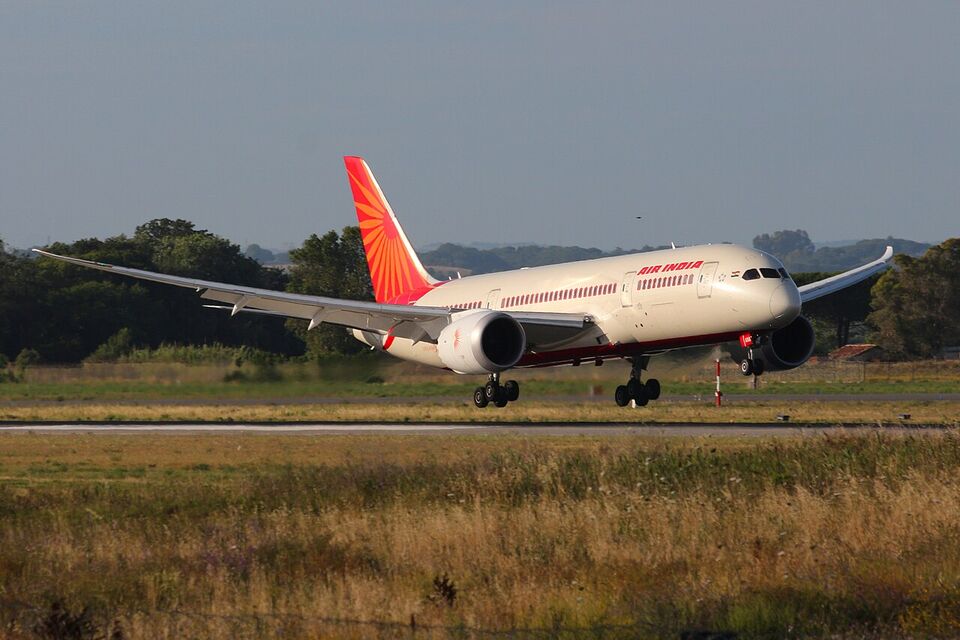
An open-jaw ticket lets you fly into one city and out of another, such as into Delhi and home from Mumbai, which saves a backtrack across the country. The e-Visa allows you to enter only through a listed airport or seaport, but you may leave through any immigration checkpoint, so open-jaw routes are fine. A Delhi-to-Mumbai route covers the Golden Triangle, Rajasthan and the west coast without doubling back.
- Price a round trip and an open-jaw trip side by side, because the open-jaw fare is sometimes the same or only a little higher.
- Book the inside-India leg between your first and last cities early, since it is often a domestic flight or a long train ride.
- Make sure your arrival airport is on the e-Visa list. You can leave from any airport.
- Leave a buffer day before your flight home, especially in winter fog season.
Airports and terminals
Delhi's Indira Gandhi International Airport has Terminals 1, 2 and 3, and its official site shows live flight information, immigration wait times and a DigiYatra check-in lane. We could not confirm whether DigiYatra is open to foreign visitors, so do not count on it. Terminal assignments change between seasons, so check your boarding pass and the airport site rather than an old guide. The airport site also offers cab, metro and private-car options and an app for services.
The Airport Express metro line runs from New Delhi station through the airport to Dwarka Sector 25 (22.7 km, 14 miles in all), with trains about every 10 minutes and a ride of about 16 minutes to the airport. The Delhi Metro network runs from about 5 a.m. to midnight. The fare is well under ₹100 (about $1), but check delhimetrorail.com for today's fare. A new Golden Line to Aerocity and Terminal 1 is planned for December 2026; treat it as planned, not guaranteed. For taxis, use the prepaid taxi counter or a ride app, and agree the price first.
For Mumbai, see Mumbai. For all airports, the Airports Authority of India site (aai.aero) lists the airports it manages, and each large airport has its own site with live flight information.
Insider tip
Book your first night's hotel with an airport pickup or arrange a driver in advance. After a long overnight flight, a driver holding your name at arrivals is worth the extra cost.
Arriving: immigration and the first hour
You will need your passport (valid for at least six months when you applied, with blank pages), a printed copy of your e-Visa approval (the ETA), and your onward or return ticket details. The e-Visa is stamped at immigration, and your fingerprints and photo are taken on arrival. Check that your e-Visa status shows "Granted" before you fly.
India also has an online e-Arrival card that foreigners can submit within 72 hours before arrival at boi.gov.in, at indianvisaonline.gov.in or in the "Indian Visa Su-Swagatam" app. It is for arrival information and is not a visa. We could not confirm whether it is mandatory, so submit it and follow your airline's instructions. See e-Visa and entry rules for the full steps.
After immigration, collect your bags, pass customs (declare large amounts of cash and anything you are unsure about), and head out. Plan for the immigration queue to take from a short wait to an hour or more when several international flights land together, and avoid tight onward connections on the same day. At night, many arrivals land between midnight and 5 a.m., so book the hotel from the day before.
Flights inside India
The main domestic airlines are Air India, Air India Express, Akasa Air, IndiGo and SpiceJet. We could not confirm current fares or the status of each airline, so check each airline's site and compare the total price, not just the base fare. Flights are useful for long distances, such as Delhi to Kochi, and for places that are far from a railway.
Baggage rules on domestic fares are strict, and they are the reason travelers pay unexpected fees. Cabin bag size and weight limits can be enforced at the gate, and checked bag allowances on cheaper fares can be small, and vary by airline and fare type. We did not confirm the current numbers, so read the baggage rules on the airline site when you book and weigh your bag at home. If your international ticket allowed a 50-pound (23 kg) bag, check that your domestic ticket allows the same, or pay for extra weight when you book, which is usually cheaper than paying at the airport.
- Book domestic flights on the airline's own site or a trusted booking site, and keep the confirmation.
- Arrive earlier than you would in the US, and allow extra time for security and the bag drop.
- Check your terminal and your gate on your boarding pass and the airport screens.
- Keep power banks and lithium batteries in your cabin bag and not in your checked bag.
Winter fog
Winter fog disrupts flights in northern India on roughly 15 to 20 days a year, in the cooler months. Do not book a tight connection between a domestic flight and an international flight in winter, and give yourself a buffer day before your flight home.
Flight time versus train time
For distances under about 500 miles (800 km), a fast train often matches a flight once you add the airport time, and it gives you a view. For longer distances or when time is short, fly. The table gives the trains we could confirm. See trains in India for booking.
| Route | Distance | Fast train time |
|---|---|---|
| Delhi to Agra (Gatimaan Express) | about 117 miles (188 km) | about 1 hour 40 minutes; does not run on Fridays |
| Amritsar to Delhi (Vande Bharat) | about 278 miles (447 km) | about 5 hours 30 minutes |
| Mumbai CSMT to Madgaon, Goa (Vande Bharat) | about 360 miles (580 km) | about 7 hours 45 minutes |
| New Delhi to Varanasi (Vande Bharat) | about 472 miles (759 km) | about 8 hours |
Check the National Train Enquiry System or IRCTC for today's timings, since they change. Compare a flight and a train by adding the transfer to the airport, the arrival time before departure, and the baggage wait.
When to book and what drives prices
We do not name fares here, because they change by the day. Prices are usually highest in the cool season, from about November to February, and around Christmas and New Year, and in the summer travel season, when many people fly between the US and India. Prices are often lower outside these peaks, though the monsoon (from about June to September in most regions) and the heat of April to June change the experience a lot. Use the fare calendar on an airline or booking site to compare dates, and check when to go for the weather by month.
Book earlier for peak dates, and keep the ticket flexible if you can. Some airlines allow changes for a fee, and travel insurance may cover some cancellations. Check the fare rules before you pay.
A note on aviation safety
Some travelers ask about Air India Flight 171, which crashed on June 12, 2025 shortly after takeoff from Ahmedabad on a flight to London Gatwick; 241 of the 242 people aboard and 19 people on the ground died. The investigation is continuing, and we could not confirm whether the final report has been published. We do not draw conclusions from a single event, and we suggest that you check the airline's information and the official findings if the question matters for your choice.
Mistakes to avoid
- Tight connections. A connection under about two hours at a large hub, or under three in winter fog season, is risky. Keep both flights on one ticket.
- The second-airport transfer. Mumbai now has two international airports and the Delhi area has a new one; check which airport your ticket uses and how far it is from your hotel.
- Heavy checked bags on domestic fares. A bag that was free on the international leg may cost extra on a domestic ticket.
- Landing at an airport not on the e-Visa list. Fly into a listed airport first.
- Booking the e-Visa through an agent. Use only indianvisaonline.gov.in/evisa.
- Booking a long day right after landing. Leave your first day open.
Before you go
- Check your passport: valid for 6 months at the time of application, with two blank pages.
- Get the e-Visa and print the approval; submit the e-Arrival card within 72 hours of landing.
- Check the airline's baggage rules for each flight, especially domestic legs.
- Check the terminal and the schedule on the airline and airport sites close to departure.
- Arrange a hotel pickup or a prepaid taxi for arrival.
- Set up your phone for arrival (see phones, data and power) and bring some rupees or a card (see money in India).
Add it to a route in the trip builder, or ask us to plan the hotels, trains and guides for you.