
Should you take a pet to India?
You can bring a dog or cat from the US to India, but it needs planning, paperwork and a flight that suits an animal. For most trips of a few weeks, we suggest that you consider leaving the pet with a sitter. India is hot for much of the year, travel days are long, hotels rarely accept animals and the street-dog and rabies situation adds risks of its own. If you are moving for a long stay with a pet, the effort is worth it. See long stays guide for the wider picture.
This page gives the steps in the order you will meet them. The rules are set by the Indian and US governments and the airlines, and they change. We could not confirm the current text of any of them from official pages, so treat what follows as a checklist of what to look up, not as the rules themselves. Check each official site named below.
Entry rules for dogs and cats
India's import rules for pets are handled by the Animal Quarantine and Certification Service (AQCS), part of the Indian government. Its site is aqcsindia.gov.in. As we understand it, the usual requirements include the following. Confirm each one on the official site before you rely on it.
- A microchip that a scanner can read, implanted before the rabies vaccination so that the vaccine record matches the chip.
- A valid rabies vaccination, given after the microchip and at least a stated number of days before travel.
- A veterinary health certificate issued by a licensed US vet, in the form India asks for, within a short window before departure.
- An import permit or no-objection certificate from AQCS, applied for online before you travel.
- An arrival airport that is approved for pet imports. Not every airport accepts animals, so check which ones do.
- Inspection on arrival, and possibly a short stay at the airport's quarantine area if papers are incomplete.
Watch out
An error in the paperwork can mean that your pet is sent back or held. Apply for the import permit early, keep copies of every document, and ask AQCS directly if any rule is unclear. Do not rely on a forum post or an agent's summary from a different year.
An import agent or pet relocation company in India or the US can handle the steps for a fee. If you use one, compare more than one quote and ask for a written list of what is included. Ask AQCS whether you can apply yourself, since the application is online.
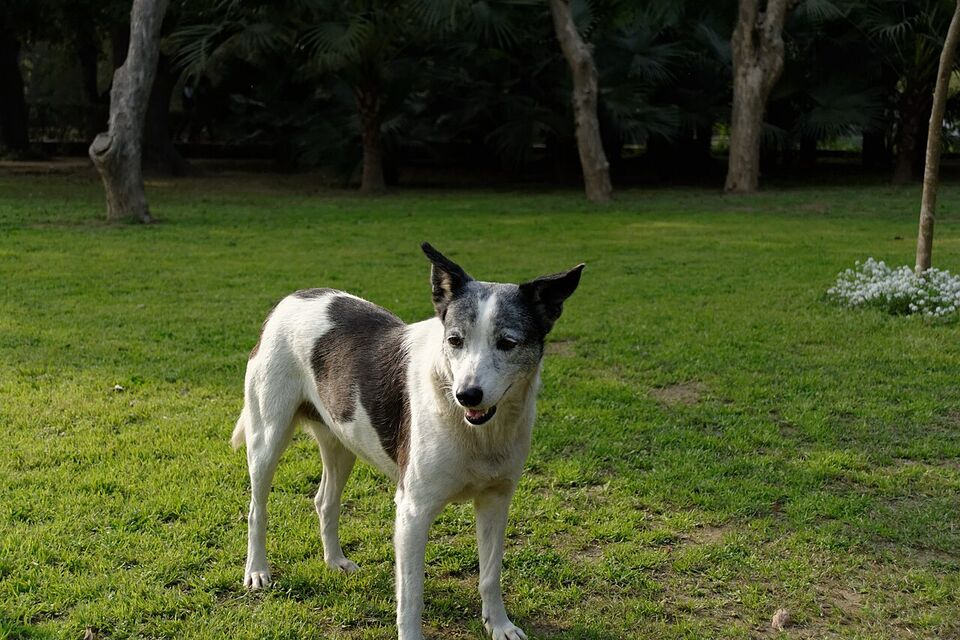
The US side: USDA APHIS endorsement
For many countries, a US vet's health certificate must be endorsed by USDA APHIS (the Animal and Plant Health Inspection Service) before the pet travels. The usual route is as follows. Check the APHIS pet travel pages at aphis.usda.gov for India's current requirements and the right forms.
- Choose a vet who is accredited by USDA to issue international certificates. Not every vet is.
- Check the timing: the exam and certificate are normally allowed only within a short window before departure, so do not do them too early.
- Complete the Indian health certificate form or the format AQCS requires, together with vaccine and microchip details.
- Submit it for USDA APHIS endorsement, which is normally done online through the APHIS system for a fee, or by mail through the local office.
- Keep the endorsed original and copies with you in your carry-on bag. Do not pack them in checked luggage.
Build in extra days for the endorsement, since delays can happen. We suggest starting at least two to three months before you fly, and sooner if your pet needs a rabies vaccination or a titer test.
Flying: cabin or cargo, and heat
Airline pet policies differ and change often. Some carriers allow small dogs and cats in the cabin in a carrier that fits under the seat, some carry pets only as checked baggage or cargo, and some do not carry pets on certain routes. We could not confirm current policies for flights to India, so call the airline and ask for the answer in writing. Ask about these points:
- Whether your pet can travel in the cabin, as checked baggage or as cargo, on every leg including any connection.
- The carrier size and type, the pet's weight limit and the fee.
- The temperature limits and "heat embargo" dates, when airlines refuse pets because of hot weather at either end or in a connecting city.
- How the airline handles a delay or a layover with an animal.
- Whether the airline needs the import permit before it will sell the ticket.
Flights from the US to India take roughly 14 to 16 hours nonstop, longer with a connection, so ask your vet whether your pet can manage the trip. Short-nosed dog breeds (brachycephalic) are often restricted or refused by airlines. Choose the coolest time of day for flights in warm months, and avoid connections in hot cities if you can. See flights guide for international routes.
Where to stay with a pet
Most Indian hotels do not accept pets, and the places that do may limit size or ask for a deposit. Some chains and boutique hotels in big cities may allow dogs, but this changes by property, so ask in writing and get confirmation of the room, fees and rules. Do not rely on a booking site's pet filter alone.
- Ask whether cats and dogs are both allowed, the maximum size, and extra cleaning fees.
- Ask where the pet can walk and relieve itself, and whether lifts and lobbies are off-limits.
- Think about rentals for long stays: a landlord may accept a pet if you ask first.
- Plan transport: some taxis and ride-app drivers refuse animals. Confirm before you ride, or hire a private car.
See where to stay for the types of stay and what to check at booking. Heritage hotels with steps, gardens and open courtyards can be hard for a pet, and busy streets are unsafe for a dog that is not used to traffic.
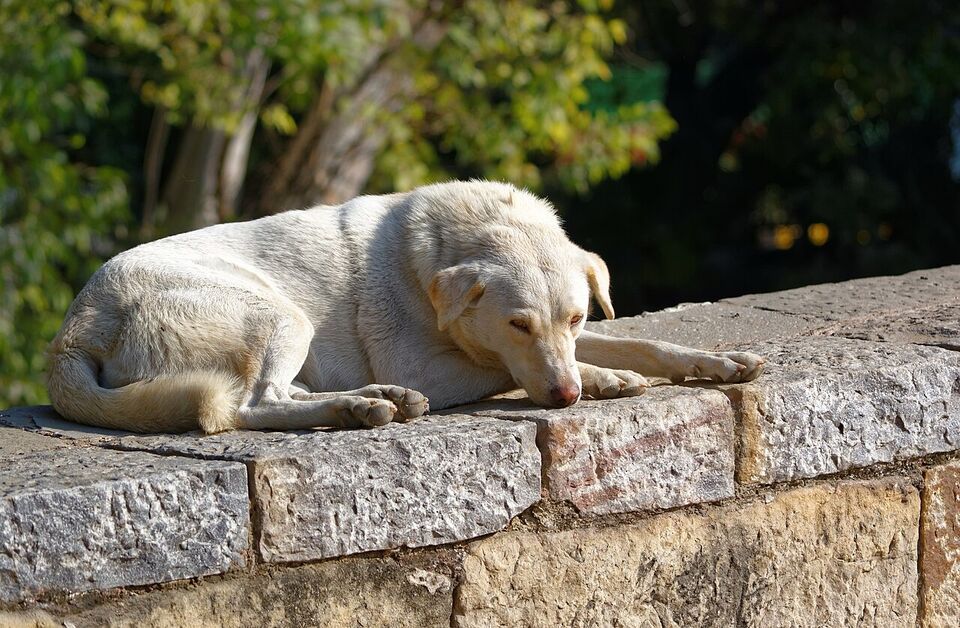
Street dogs, rabies and avoiding bites
India has a large number of street dogs, and the CDC's page for India says that dogs with rabies are commonly found there. That affects you and your own pet. Rabies is almost always fatal once symptoms start, but it is preventable if you get treated quickly after an exposure.
- Do not pet, feed or play with stray dogs, cats or monkeys.
- Keep your own dog on a short leash in public, and do not let it greet street animals. An unfamiliar dog can bite a pet or a person.
- Check that your pet's rabies vaccine is current, and ask your vet about extra precautions.
- Walk with care at dusk and at night. Do not run past dogs, since that can trigger a chase.
- If you are bitten or scratched, wash the wound with soap and running water for several minutes and seek medical care at once. Do not wait to see if symptoms develop.
The CDC also reports a counterfeit rabies vaccine called ABHAYRAB found in Delhi, according to the Delhi Drugs Control Department, so get treatment at a reputable hospital or clinic. Ask your doctor before you go whether pre-exposure rabies vaccination makes sense for you, because it depends on your plans and on access to care. See health guide and safety guide.
Returning to the US with a dog or cat
The CDC controls the entry of dogs into the US to guard against rabies. Rules for dogs from countries where dog rabies is a high risk are stricter than for others, and the rules have been revised in recent years. We could not confirm India's status or the current requirements from the CDC pages, so check cdc.gov (dog importation) before you leave, and again before you fly home. Points to look up:
- Whether India is on the list of high-risk countries for dog rabies, and what that means for a dog that is returning to the US.
- Whether you need a CDC Dog Import Form receipt, a microchip, a minimum age and proof of rabies vaccination that meets CDC rules.
- Which US airports can receive dogs from high-risk countries, and whether you need to book ahead.
- The rule for cats, which the CDC treats differently from dogs, and any state or local rules where you will land.
For your own visa and passport steps, see entry and e-Visa guide. Keep your pet's papers together, and consider carrying copies in a folder and on your phone.
A timeline to work backward from
Because several steps have time windows, plan from your flight date backward. The exact windows are set by India, the USDA and your airline, so fill in the numbers from the official pages. A typical order looks like this:
- Three months or more before: call the airline, check the AQCS and APHIS pages, and ask your vet whether your pet is fit to fly. Book a microchip if your pet has none.
- Two months before: vaccinate against rabies after the microchip, and apply for the Indian import permit.
- One month before: confirm the airline booking and carrier rules, and train your pet to rest in the travel crate.
- In the final days: see your accredited vet for the health certificate within the allowed window, send it for USDA APHIS endorsement, and print copies.
- Travel day: carry the papers in your cabin bag, give a light meal and water as the airline allows, and arrive early.
Looking after a pet in India
India is hot, humid and dusty for much of the year. Walk your dog early in the morning and in the evening, keep it out of parked cars, and carry water. Many hotels and homes have no garden, and in a city such as Delhi, winter air pollution can be bad for animals as well as people (see safety guide). Ticks and fleas are common, so ask your vet about prevention that suits India and the places you will visit. Use bottled or filtered water for your pet as you would for yourself. Find a local vet through your hotel or host before you need one, and save the phone number.
Do not take a pet to places with heavy crowds, to temples (where shoes come off, and animals are generally not welcome), or on long road trips in summer. See etiquette guide for the customs at religious sites.
Mistakes to avoid
- Starting too late and missing a vaccination or timing window.
- Using an old microchip type, or vaccinating before the chip is implanted.
- Booking a flight before the airline confirms your pet can travel.
- Assuming a hotel is pet-friendly because a website says so.
- Ignoring heat limits in warm months.
- Letting your dog meet street dogs.
- Not checking the CDC rules for coming home.
For answers to other planning questions, see FAQ.
Add it to a route in the trip builder, or ask us to plan the hotels, trains and guides for you.