India with children: the honest summary
Families do well in India when they travel slowly. Children tend to like what India offers in abundance: animals, trains, boats, forts with towers to climb, beaches and a lot of people who say hello. What tires them, and their parents, is the pace of a typical first-time itinerary: a new city every night, long drives, heat, noise and dinner at nine. If you plan fewer places and more rest, the trip becomes much easier.
This page covers which regions suit which ages, how to handle trains, flights and cars, what children can safely eat, the health items to pack and to ask your pediatrician about, kid-friendly sights, a sample route and the mistakes that families often make. For the big picture on timing see our when-to-go guide, and for the medical details see Health and Air Quality.
Which regions suit which ages
| Age | What works | What to watch |
|---|---|---|
| Babies and toddlers (under 3) | One or two bases: Kerala's coast and backwaters, or Goa; short transfers; a hotel with air conditioning and a pool | Heat, mosquitoes, safe water for formula, and vaccines that are not yet possible by age; a long itinerary is hard |
| Preschool (3 to 5) | Beach and backwater stays, a short safari, a toy train ride, a hill station in the cooler months | Naps, food they will eat, and the pace of sightseeing; keep hands held in crowds |
| School age (6 to 12) | The Golden Triangle with a slow pace, Rajasthan's forts, a tiger-reserve safari, Kerala, Mumbai's harbor and caves | Too many temples and museums in a row; one big sight a day is enough |
| Teens | Delhi and Old Delhi, Varanasi, Mumbai, the Himalayas, river rafting where age rules allow, cooking classes | Altitude, heat and the temptation to try everything; agree on rules for food and water |
Winter, from about November to February, is the easiest season on the northern plains for heat. It is not the easiest for air. Children breathe more air for their size than adults, and Delhi and other northern cities often have poor air from November to January (see the section on air below). If you are traveling with an infant, a child with asthma or a family member with lung disease, think about spending winter in the south, in Goa or in Kerala, where the sea air is cleaner and the weather is warm and dry.
- Kerala and Goa: best for little ones. Easy days, beaches, houseboats and gentle sightseeing. See Kerala and Goa.
- Rajasthan: good for ages 6 and up, with forts, palaces and desert. See Rajasthan and the Golden Triangle.
- Himalayas and hill stations: cool in summer, cold in winter, with winding roads that can make children carsick and high places that affect everyone. See the Himalayas.
Trains and flights with kids
Getting there
Flights from the US to Delhi or Mumbai are long, and typically 14 to 16 hours nonstop depending on the route (airlines reroute, so check your itinerary). India Standard Time is 10 hours 30 minutes ahead of New York in winter and 9 hours 30 minutes in US summer, and the half-hour offset is normal. Jet lag hits children hard. Many families plan a quiet first two days with no timed bookings, and a night or two at an airport hotel or a good city hotel. See our flights guide for routes.
Trains
Trains are one of the best parts of India for children, and the right train makes a hard journey easy. Reserved tickets can be booked up to 60 days ahead for the general public, and foreign visitors may be able to book further ahead (check IRCTC and book early on busy routes). For short hops, fast daytime trains with air-conditioned chair cars are easiest. For example, the Gatimaan Express is reported to leave Hazrat Nizamuddin in Delhi at 8:10 a.m. and arrive in Agra at 9:50 a.m., about 1 hour 40 minutes, and not to run on Fridays. Check IRCTC or the National Train Enquiry System for the current timetable. Our trains guide explains classes and booking.
- For night trains, choose an air-conditioned sleeper class with berths for the family, and book the lower berths for young children, if possible.
- Carry your own snacks, wipes, a small blanket and toilet paper. Train toilets vary in cleanliness.
- Children's fares and berth rules depend on age. We could not confirm the current rules, so check the Indian Railways or IRCTC pages when you book.
- Arrive early, and keep luggage in a few pieces that you can all carry. Stations are crowded and platforms change.
Domestic flights are useful for the long legs, such as Delhi to Kochi or Mumbai to Goa, because they save a day. The main airlines include Air India, IndiGo, Akasa Air, Air India Express and SpiceJet. Book through the airline's own site, and note baggage limits, which can be lower than on US flights.
Cars, drivers and car seats
India drives on the left, and traffic is dense and unpredictable. The CDC advises using a licensed driver, avoiding night driving, wearing seat belts and sitting in the back seat, and we agree. For a family, a car with a driver is the best way to cover distances between cities. Agree on the price and the route before you start, and check that the car has rear seat belts that work.
Child seats are not common. Most taxis and hired cars do not provide them, and auto-rickshaws (tuk-tuks) have no belts at all. We suggest bringing a lightweight travel car seat or a belt-positioning booster from home, installing it yourself and letting the driver know ahead of time. If you hire a car for several days, tell the company that you will install a seat, and check that the belt can lock it in place. For short rides in a city, a ride-hailing app with a car is safer than an open auto, and a lap held child is not safe in any vehicle. Let the driver know you want a slow, steady pace, and do not be shy about asking.
Plan a day's drive to be no more than 4 to 6 hours. The Golden Triangle of Delhi, Agra and Jaipur is about 720 km (447 miles) by road in all, and each leg is about 4 to 6 hours of driving. Allow stops, and plan to arrive before dark. Winter fog can slow roads and trains.
Insider tip
Bring a few entertainments that do not need a signal: books, cards, drawing pads, a small tablet with downloaded shows. Long drives and train rides are more bearable with something to do, and a small bag of snacks makes everyone happier.
Heat, sun and food for children
Heat and sun
Children overheat faster than adults. On the plains, Agra's May average high is about 107°F (42°C), and April to June is not a good time for sightseeing with young children. In winter the days are mild, around 83 to 85°F (28 to 29°C) in November in Delhi and Agra, and cooler in December and January. Use a wide-brimmed hat, sunscreen and light, loose clothes that cover shoulders and knees. Offer water often, and do sightseeing in the morning and late afternoon, with a rest indoors in the middle of the day.
Food and water
Indian food is good for children, and much of it is not spicy at all. The rules for children are the same as for adults, and stricter in practice because children get dehydrated faster.
- Choose food that is freshly cooked and served hot: rice, dal (lentil stew), roti or naan (bread), plain paratha, idli (steamed rice cakes), dosa (a thin crepe), boiled eggs, grilled chicken and simple vegetable dishes. Ask for it "mild" or "not spicy".
- Yogurt (curd) and fruit are good choices from a hotel. Peel fruit yourself, and be careful with pre-cut fruit, raw salad and juices made with tap water.
- Use sealed or filtered water for drinking, tooth-brushing and formula. Skip ice unless you know it is from filtered water.
- Bring familiar snacks from home for picky eaters: crackers, granola bars, peanut butter, dried fruit.
- Wash hands before eating, and carry sanitizer and wipes.
Ask your pediatrician in advance about oral rehydration salts, which are the first treatment for a child with diarrhea, and about the dose and when to call a doctor. A child with a fever, blood in the stool, repeated vomiting or signs of dehydration needs medical care promptly. Our food guide and drinks guide have more on what to order.
Health items for kids
Talk to your pediatrician or a travel clinic at least a month before you fly. The CDC's India page, checked in November 2026, gives these recommendations.
- Hepatitis A: recommended for unvaccinated travelers 1 year and older, and infants 6 to 11 months should also be vaccinated (that dose does not count toward the routine series).
- Typhoid: recommended for most travelers.
- Measles (MMR): all travelers should be fully vaccinated, including an early dose for infants 6 to 11 months.
- Routine vaccines: be up to date, including tetanus, diphtheria, pertussis, polio, chickenpox and flu.
- Hepatitis B: recommended for unvaccinated travelers under 60.
- Malaria: the CDC reports transmission throughout the country below 2,000 m (6,500 ft), and recommends prescription medicine for certain areas. Child doses depend on weight, so ask your doctor.
- Rabies: the CDC notes that dogs with rabies are common. It does not advise one rule for everyone and leaves the pre-travel vaccine to a clinician, who weighs your activities and how quickly you could reach care.
Rabies caution for children
Children want to pat the dog, and street dogs and monkeys are everywhere. Tell your children the rule once and repeat it: do not touch, feed or run from an animal, and tell an adult at once about any lick, scratch or bite. Young children may not mention a minor scratch. If it happens, wash the wound with soap and water and go to a hospital for post-exposure treatment that day. The CDC also warns about counterfeit rabies vaccine in Delhi, so use a large hospital. See our health page for more.
Sunscreen, bugs and air
Take sunscreen and a hat, and reapply often. Mosquito repellent is the main defense against dengue and malaria, and the age rules on products differ, so ask your pediatrician which kind and strength are right for each child. Dress children in long, light sleeves at dusk. For air, carry masks that fit. Adult N95 masks do not fit small faces well, so ask your doctor and avoid heavy traffic and outdoor activity on the worst days. Children are more vulnerable to poor air, and Delhi's winter pollution is often at Very Poor to Severe levels.
Kid-friendly sights
Forts and palaces
Towers, ramparts, tunnels and mirrored halls hold a child's attention more than museum cases. Agra Fort is open every day, and foreign tickets are ₹650 (about $7) on most weekdays (₹600, about $6, on Friday). Many forts have steps and uneven stone, so bring a carrier for the smallest children.
Toy trains
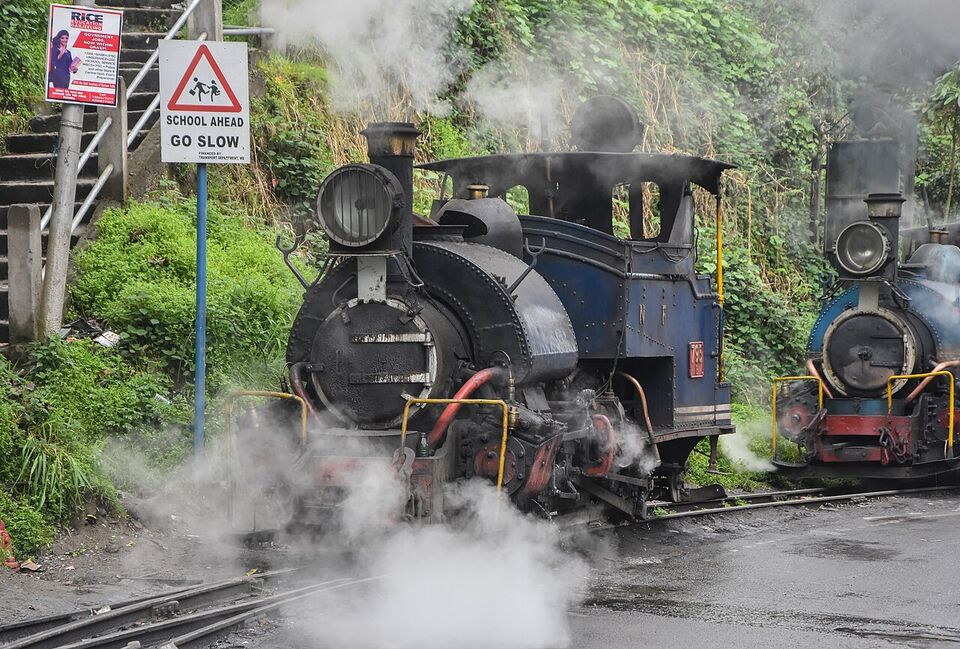
The Darjeeling Himalayan Railway is a narrow-gauge line (2 ft gauge) that runs between New Jalpaiguri and Darjeeling. The Kalka-Shimla Railway is a UNESCO World Heritage line. Both are slow and scenic. Check the operator's timetable and book ahead, as services and fares change.
Tiger reserves and safaris
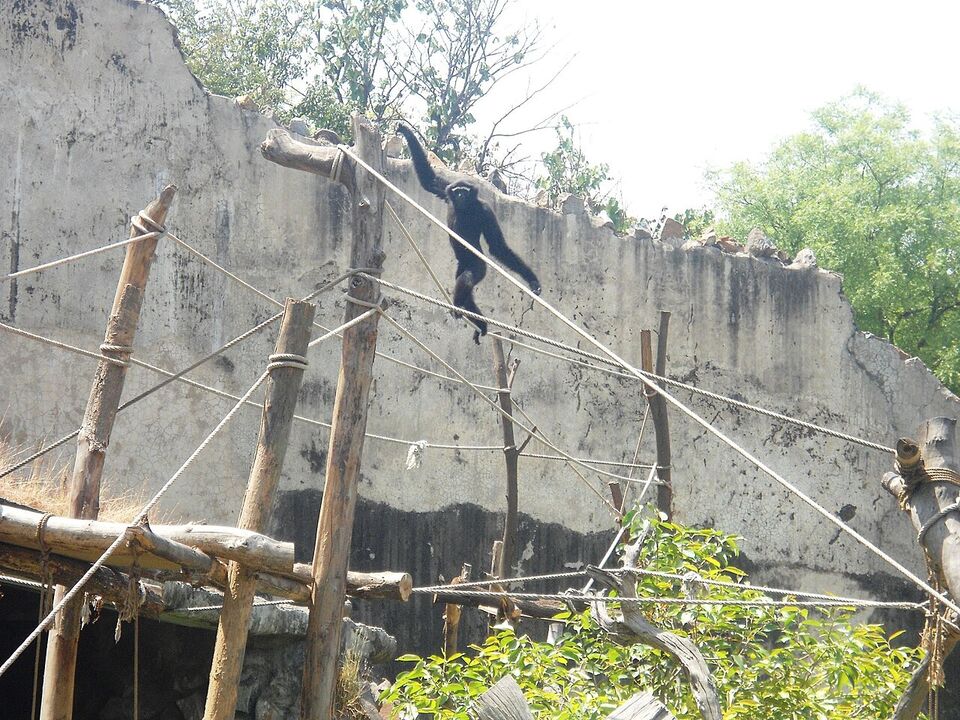
A jeep safari is one of the best family experiences. Tigers are not guaranteed, but deer, monkeys, peacocks and birds usually are. Age limits and rules differ by park, so check the booking pages before you commit. See our wildlife guide.
Science museums and planetariums
Science City and the Birla Planetarium in Kolkata are good rainy-day or smoggy-day choices, and other big cities have science centers too. Hours and prices change, so check the websites before you go.
Beaches and backwaters
Swim only where lifeguards are on duty and the flags say it is safe, and watch for strong currents. On Kerala's backwaters, a houseboat or a small canoe is a gentle way to see village life. Ask about life jackets in children's sizes.
Mumbai harbor and Elephanta
The ferry to the Elephanta Caves leaves from the Gateway of India. The caves are closed on Mondays. A boat ride and cave sculptures are a good mix for school-age children. Check the ticket price and ferry times before you go.
Border ceremony at Wagah
The Attari-Wagah ceremony is loud and lively, and children often enjoy the marching and the drums. It was reported to run about 6:00 to 6:30 p.m. from May 1, 2026, and the start is usually earlier in winter, so check the time before you go. Arrive well ahead, since the crowds are big. See Amritsar.
Animal encounters without elephants
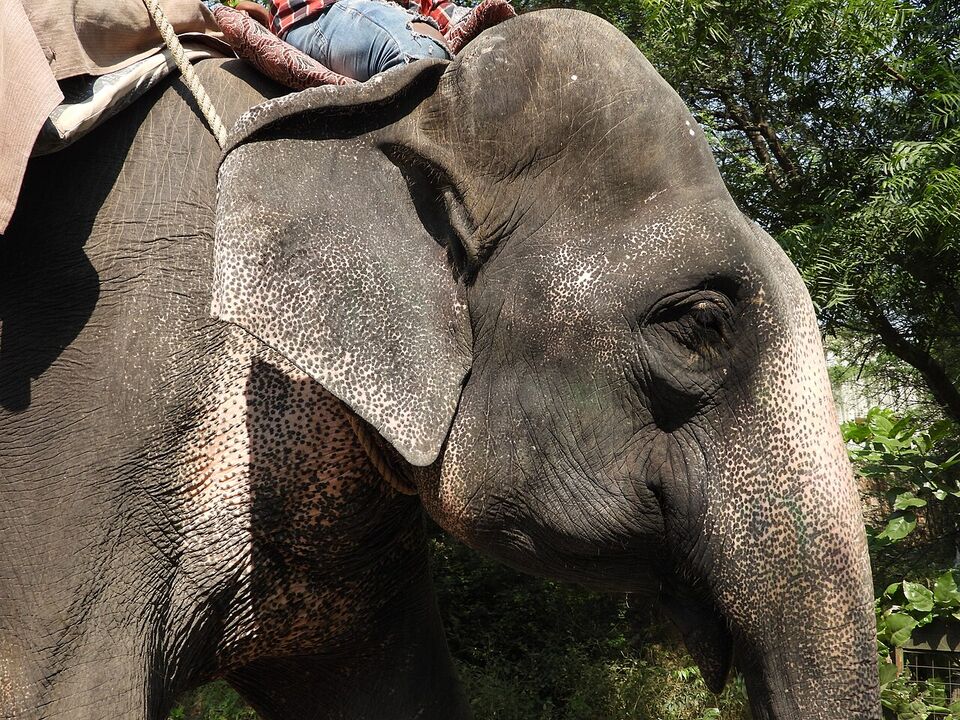
Elephant rides, such as the ones offered at some forts, are a source of concern about animal welfare. We suggest skipping rides and shows that use captive elephants, and choosing walks, jeeps or boats in protected areas instead. Many forts can be reached on foot or by a vehicle, so ask how to get up to a fort without an elephant. Avoid any place where you can pose with chained or drugged animals.
Ticket policies for children
The official Taj Mahal site says children under 15 enter free, and it charges foreign adults ₹1,100 (about $12), plus an optional ₹200 (about $2) for the main mausoleum. It is closed on Fridays, and you get a discount of ₹50 (about $1) per foreign ticket if you buy online. We could not confirm child rules for other monuments, trains or parks, so check at each official site. Hotels have their own age rules for free stays and extra beds, so ask when you book.
A sample family route
This 12 to 14 day plan has three bases, short transfers and rest days. It suits school-age children, and works for younger ones if you drop a stop. If you travel in November to January, think about swapping Delhi for a longer stay in the south because of the air.
- Days 1-3
Delhi: arrive and adjust
Take it easy for the first day because of jet lag. Then pick one sight a day: for example, Humayun's Tomb with its gardens, or a morning in the parks and a visit to a museum. Use the Metro for short trips if the family is comfortable with crowds, or a hired car. A 1-day tourist card is ₹200 (about $2), including a refundable ₹50 (about $0.50) deposit.
- Days 4-5
Agra: the Taj Mahal and the fort
Go by fast train (under 2 hours) or by car, about 130 miles (210 km) by road. See the Taj in the early morning, when it is cooler, and kids under 15 are free. Keep the afternoon for the pool and a rest, then Agra Fort the next morning. Avoid Friday for the Taj, since it is closed.
- Days 6-8
Jaipur: forts and a market
Choose between Amber Fort and the City Palace, not both in a day. Walk the old city in the early evening and watch the colors of the bazaar. Skip the elephant ride and take a jeep or walk up.
- Days 9-10
Ranthambore or another reserve
Book a jeep safari in advance, and plan two drives, one morning and one afternoon, with time to rest in between. Check booking and age rules on the official site.
- Days 11-14
Beach and backwaters
Fly to Kochi or Goa for a slow finish: a beach, a pool, a houseboat or a canoe, and a spice garden visit. Keep the final day empty before the flight home.
Hotels, strollers and carrying
Hotels and pools
A pool saves a family trip. A swim in the late afternoon turns a hot, tiring day into a good one. Many mid-range and upscale hotels in Rajasthan, Agra, Goa and Kerala have pools, and a courtyard or garden is useful too. Hotel tiers are $ under $120 a night for a double, $$ $120 to $300, and $$$ over $300. Ask whether the pool is open and heated in winter, because a pool can be too cold to use in December and January in the north. Look for a family room or adjoining rooms and air conditioning that works, and ask about a cot (crib) and a bath. See where to stay for how to choose.
Strollers and carriers
Pavements are uneven, steps are common and many sights have cobbles, ramps and stairs. A small, light umbrella stroller works in airports, malls and hotels, but a soft baby carrier is more useful at forts and in markets. Bring a stroller that folds with one hand, because you will do it often. For older children, think about a light pair of walking shoes with covered toes: shoes come off at temples, so socks that are easy to remove help.
Packing for kids
See the packing guide for the full list. For families, add a small first-aid kit, rehydration salts, wipes, sunscreen, a hat, a few comfort items, a plug adapter (India uses 230 V and type C, D and M sockets) and plenty of snacks.
Attention from strangers
Indians generally love children, and visitors with young kids often get smiles, greetings and requests for photos. Light-haired or very young children can get a lot of attention. Strangers may want to take a selfie, pat a child's cheek or hold a baby. Most of this is friendly, but you are in charge of what is comfortable for your family.
- Smile and say no politely if you do not want a photo or a touch: a hand on your heart and "no, thank you" works. Move on.
- Do not hand your child to a stranger, even for a photo, and keep a hand on small children in crowds.
- Agree a meeting place and a rule for getting lost: stay put and find a uniformed person or a shop. Put a card with the hotel's name and a phone number in each child's pocket.
- Prepare older children for stares and questions, and let them decide how they feel about photos.
- For tips on manners with children and dress, see etiquette.
Common family mistakes
- Too much in too little time. The standard two-week route is built for adults. Cut a stop, or add a rest day for every three days of travel.
- Long drives on arrival. After a long flight, stay close to the airport on the first night.
- Midday sightseeing. Plan outdoor sights for early morning and late afternoon, and rest in the middle of the day.
- Booking every hour. Leave blank time. Children get tired and sick, and a spare afternoon is helpful.
- Ignoring the air. Check the AQI before you go and plan indoor days in the north in winter.
- Skipping the pediatrician. Book the visit a month ahead.
- No car seat plan. Decide before you leave whether you will bring one.
- Letting kids pat animals. See the rabies advice above.
Different from home
Dinner is late in India, often after 8 p.m., and many restaurants are quiet before then. For young children, eat early at the hotel or order room service, and keep the late dinners for special days.
Add it to a route in the trip builder, or ask us to plan the hotels, trains and guides for you.