Overview
For an American in India, three drink questions matter most: which water is safe, how to enjoy chai and other local drinks, and how alcohol rules work. The short answers are these. Do not drink tap water. Say yes to chai, filter coffee and lassi when you trust the source. And check the state's alcohol rules before you plan a night out, because India has dry states, dry days and rules that vary from one state to the next.
This page covers chai types and how to order, coffee, lassi and juices, safe water, alcohol laws by state, beer, wine and spirits, bars, drink-driving, spiked-drink safety and what to bring home. For what to eat with your drink, see the food guide.
Chai: the drink you will have every day
Chai means "tea" in Hindi and several other languages, and in India it almost always means black tea boiled with milk and sugar, often with spices. Chai sellers (chaiwalas) work on nearly every street, station and market, and a cup is a basic social exchange. Masala chai, the spiced version, is the one most Americans think of. It comes from India.
Types of chai you will see
- Masala chai: tea boiled with milk, sugar and spices such as ginger, cardamom and cloves. Widely available.
- Adrak chai: ginger tea, a common winter and cold-remedy order.
- Cutting chai: a half-glass, strong and sweet, popular in Mumbai.
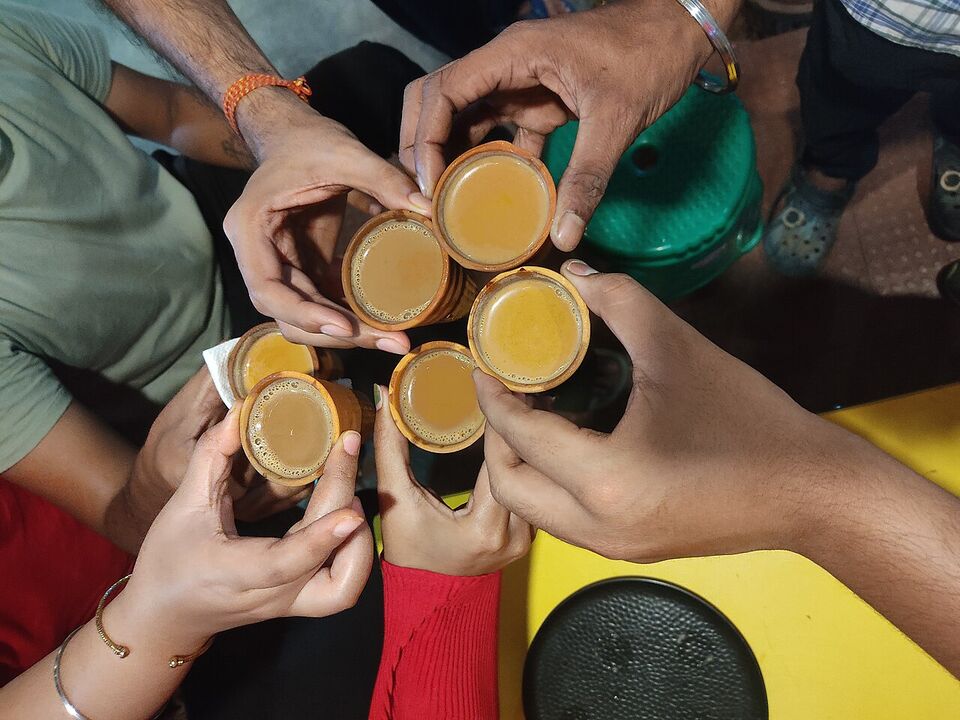
- Kulhad chai: tea served in a small unglazed clay cup (kulhad) that you throw away. The clay gives a faint earthy flavor, and it is disposable.
- Kahwa and noon chai: Kashmiri teas. Kahwa is a green tea with spices and almonds, and noon chai is a pink, salty milk tea.
- Black tea or "lemon tea": tea without milk, available in most cafes and hotels if you prefer.
Darjeeling, Assam and the Nilgiri hills grow much of India's tea, and tea estates can be visited in those regions. See the Himalayas guide for Darjeeling and the Tamil Nadu guide for the south.
How to order chai
Say "one chai, please." Chai is sweet by default, so say kam chini (less sugar) or bina chini (no sugar) if you prefer. Ask for doodh kam (less milk) or "tea without milk" for a lighter cup. Chai made on a roadside stove is boiled for a long time, which makes it safer than most drinks, because the water has been heated well. Choose a stall where the milk and water look clean and the cup is washed or disposable.
Insider tip
A freshly boiled cup of tea at a busy stall is one of the safer drinks you can have on the street. If you do not like sweet drinks, ask for less sugar before the chaiwala adds it, since the sugar goes into the pot.
Coffee
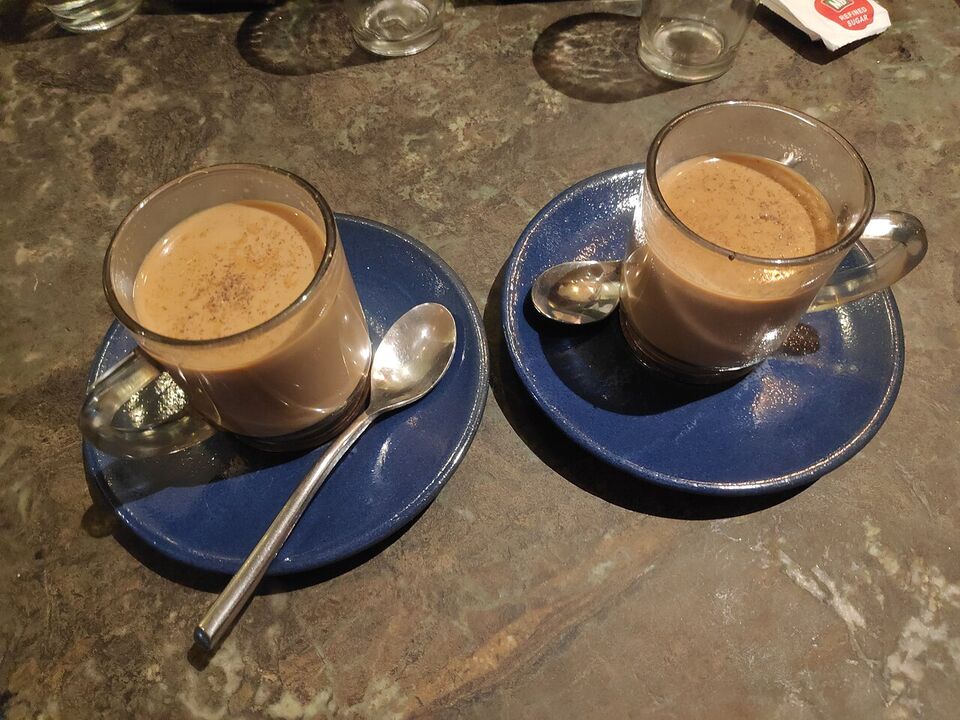
India drinks both tea and coffee, and the south prefers coffee. In Tamil Nadu, Karnataka and Kerala, filter coffee is the signature drink: strong decoction brewed in a metal filter, mixed with hot milk and sugar, and served in a small steel tumbler and saucer (a "davara"). Pouring it back and forth between the two vessels cools it and makes it frothy. It is worth trying at a local "tiffin" place at breakfast.
Elsewhere, you will find instant coffee in many places, and good espresso and cold coffee in cafes in Delhi, Mumbai, Bengaluru, Goa and Kerala. Hotel breakfasts usually offer both tea and coffee. If you want coffee without sugar, say so first, since many places pre-sweeten it. The Karnataka guide covers coffee country around Coorg and Chikmagalur.
Lassi, juices and other cold drinks
Lassi is a yogurt drink, served sweet, salty (namkeen) or flavored with mango or rose. It is a classic in Punjab and across north India, and it is filling enough to be a snack. Amritsar and Varanasi are known for thick lassi served in clay cups or steel glasses. A related drink, chaas or buttermilk, is thinner, salted and spiced, and it is common with lunch in Gujarat and the south.
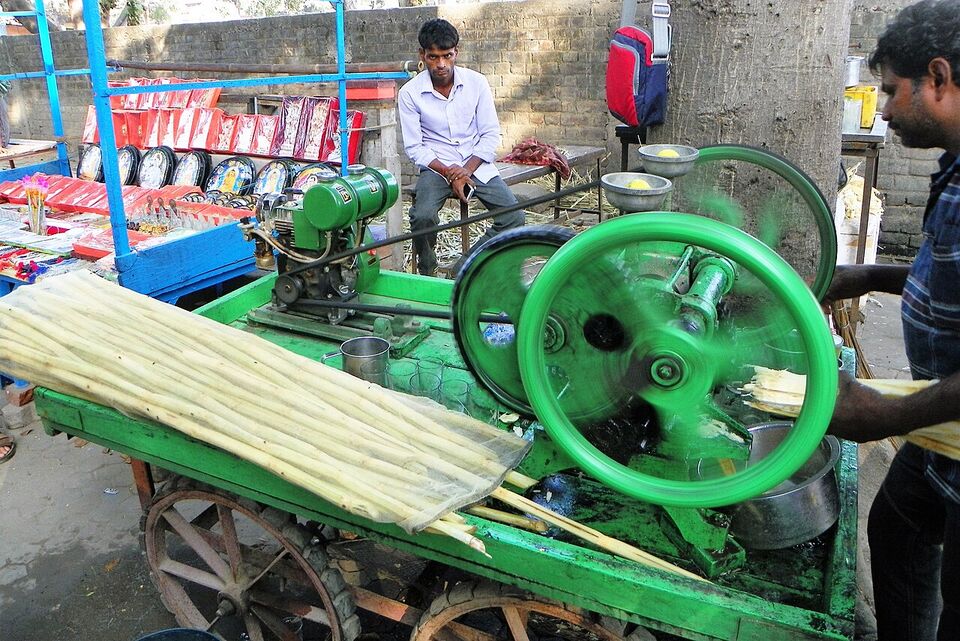
Fresh juice stalls sell sugarcane, sweet lime (mosambi), pomegranate, orange and watermelon. Tender coconut water (nariyal pani) is sold from the shell by street vendors and is one of the better cold drinks, since it comes sealed in its own husk.
How to lower the risk
- Ask for juice with no ice and no added water. Sugarcane juice is usually pressed with ice and a splash of water, so skip it if you have a sensitive stomach.
- Pick shops that are busy and clean, and where you can see the fruit pressed or the lassi poured fresh.
- Fresh coconut water is usually a safe choice.
- Choose bottled soft drinks or sealed juice boxes if you cannot judge the source. Check the seal.
- Skip anything that has clearly been sitting out in the sun.
Soft drinks such as colas and local brands are sold in sealed bottles everywhere. Packaged drinks, including nimbu soda (soda with lime) and bottled juice, are fine if the seal is intact. Nimbu pani, a salted or sweet lime drink, is made with water, so apply the same caution as for any freshly made drink. Do not try bhang or "special" lassi sold as a cannabis drink. See the section on spiked drinks below.
Which water is safe
Do not drink tap water in India, and do not use it for brushing your teeth or rinsing a toothbrush. Drink sealed bottled water or water that has been properly filtered. The CDC advises travelers to drink bottled or properly filtered water and to eat only properly prepared food. Travelers' diarrhea is common, particularly in the first two weeks of a trip.
Bottled water and the seal check
- Buy bottled water from shops, restaurants and hotels you trust. Buying from a busy store is better than from a roadside vendor with a pile of bottles.
- Check the seal every time. The cap should be factory-sealed with a ring that breaks when you open it. A cap that turns without resistance, or a bottle with a damaged seal, is a warning sign.
- Look at the label, which should show a brand name, batch information and an official quality mark. A bottle with no label or a blurry one is not a good sign.
- In restaurants, ask for water to be brought at the table, and open it yourself.
- If the seal does not feel right, ask for another bottle.
Ice, filtered water and hotels
Ice can be made from unsafe water, so skip it in street drinks and small restaurants. Many hotels in cities and tourist areas serve ice made from filtered water, and large hotels and good restaurants often use proper systems. If you are unsure, ask, or take your drink without ice. Many hotels provide filtered or bottled water in the room. Check whether the bottles are sealed and whether the water is complimentary.
A filter bottle, purification tablets or a travel water purifier can reduce plastic waste and give you a backup. Make sure the method you choose is rated for bacteria, viruses and protozoa, and follow the instructions. Boiled water is safe, and hot tea and coffee are generally safe because the water was heated.
Watch out
Tap water is not safe for visitors, and that includes rinsing fruit, brushing teeth and ice in drinks. A glass of tap water, even one time, can cause a stomach illness that costs you several days. If you get sick, drink oral rehydration solution and see the health guide for when to see a doctor.
Alcohol laws by state
India does not have one alcohol law. Each state sets its own rules for sale, drinking age, hours, dry days and licensing. Most states allow alcohol, a few prohibit it, and some regulate it closely. We only state what our sources confirm, so for your exact stop, check the state excise department's website.
Dry states and areas
As of November 2026, the sale and consumption of alcohol is prohibited in Bihar, Gujarat, Mizoram and Nagaland. All other states and union territories permit it. Some smaller areas are also dry: in April 2025, Madhya Pradesh imposed prohibition in 19 religious places, including urban areas of Ujjain, Orchha and Maihar, and two districts of Maharashtra, Wardha and Gadchiroli, remain dry. Rishikesh in Uttarakhand is an alcohol-free, vegetarian-only city. See the Rishikesh guide.
| State or area | Rule as of November 2026 | What a visitor should do |
|---|---|---|
| Gujarat | Prohibition. Foreigners and visitors from other states can apply online for a liquor permit; about 35 stores sell on production of a permit. | Apply through the Gujarat government's official process before you buy. Do not buy from street sellers. |
| Bihar | Prohibition since April 2016. | Do not carry or drink alcohol. |
| Mizoram and Nagaland | Prohibition (Nagaland since 1989; Mizoram re-imposed in 2019). | Check with your tour operator before you travel. |
| Madhya Pradesh | Prohibition in 19 religious places since April 2025. | Check whether your stop (for example Ujjain or Orchha) is covered. |
| Wardha and Gadchiroli (Maharashtra) | Dry districts. | The rest of Maharashtra, including Mumbai, allows alcohol under license. |
| Kerala | Allowed in most hotels, bars and airports. | Ask your hotel about local hours and rules. |
| All other states and union territories | Alcohol permitted, with state rules on licensing, hours and drinking age. | Ask your hotel about local rules. |
Gujarat's permit process, the 35-store figure and Madhya Pradesh's list come from a reference source that may lag changes. Confirm with the state excise department or the Gujarat government before you rely on them. Lakshadweep's rules are unclear in our sources, so check with an official source if you plan to go. We have not listed it as dry.
Drinking age
The legal drinking age is set by each state and ranges from 18 to 25, and rules have changed in recent years. A headline reports that Delhi lowered its age from 25 to 21, but we could not confirm it on an official page. Carry your passport or a copy, and check the current rule with your hotel or the state excise department. Bars and shops that look young drinkers over will ask for ID.
Dry days
A dry day is a day when alcohol sales are banned in a state that otherwise allows them. Each state government sets its own, usually on major religious festivals, voting days and counting days. The national holidays, Republic Day (January 26), Independence Day (August 15) and Gandhi Jayanti (October 2), are usually dry throughout India. Republic Day 2027 falls on Tuesday, January 26, 2027.
Dry days apply mainly to shops and small bars. Five-star hotels often do not have to observe all of them, and they may still serve guests, but that varies. For the dates in your trip, check the state excise department's holiday list or ask your hotel. For festival timing, see the festivals guide. Guru Nanak Jayanti falls around November 24, 2026, and Holi falls in March 2027. We could not confirm each state's dry-day list for those dates, so check locally.
Beer, wine and spirits
Beer is the most common alcoholic drink in India. Local lagers and strong beers are sold in bars, restaurants and licensed shops, and craft breweries have opened in Bengaluru, Mumbai, Delhi and Goa. Beer is usually sold in large bottles (650 ml) that are meant to be shared. Check that the bottle is sealed and cold.
Wine is made in Maharashtra (around Nashik) and Karnataka, and good bottles are available in cities. Imported wine and spirits are widely sold in cities but cost more than local products because of taxes.
Spirits include whisky, rum, brandy, vodka and gin. India has a huge domestic whisky market, with many "Indian Made Foreign Liquor" (IMFL) brands. Local drinks include feni, a Goan spirit made from cashew fruit or coconut sap, and toddy, a palm-sap drink in Kerala and Goa. Rice and grain drinks are made in parts of the northeast.
Watch out
Avoid cheap, unlabeled or street-made spirits, including "country liquor" sold in plastic bags or unmarked bottles. Illicit liquor has caused serious poisonings in India, including in dry areas where black-market sales are common. Buy from licensed shops, bars and hotels, and from sealed bottles.
Bars, shops and local rules
Where alcohol is allowed, you can drink in licensed bars, restaurants and hotels. Shops are often state-run or tightly licensed, and in some states they close early and on dry days. You may see queues, separate counters and bars attached to restaurants. Some states limit hours, and prices vary because of state taxes.
- Open drinking in public places such as streets and parks is generally not allowed; check local rules.
- Women may feel more comfortable in hotel bars, rooftop restaurants and well-known cafes. See the women travelers guide.
- Do not carry alcohol into temples, gurdwaras, mosques or other religious sites.
- Nightlife is concentrated in big cities and Goa. In small towns, licensed bars can be few.
- Keep receipts for bottles you buy for your hotel room, particularly in states with controls.
Drink-driving
Drinking and driving is illegal in India and enforced, with checks in cities and on highways, especially at night and on holidays. Roads are risky even for sober drivers, with mixed traffic and driving on the left. Do not drive after drinking, and do not ride with a driver who has been drinking. Use a ride app, a hotel taxi or a driver you have arranged. If you plan to drive at all, the CDC advises hiring a licensed driver and avoiding night driving. See the getting around guide.
Spiked drinks and staying safe at bars
Drink spiking happens in India as it does elsewhere, mostly in nightlife areas. You can reduce the risk with the same habits you use at home, adjusted for local conditions.
- Watch your drink being poured and keep it in your hand or in sight. Do not accept drinks from strangers.
- Order sealed bottles of beer when you can, and open them yourself.
- Do not leave your drink on a table when you dance or use the restroom. If you do, order a new one.
- Go out with friends and agree on a plan for getting back. Do not leave a bar with someone you have just met.
- Be very careful with "special" lassi, bhang or edibles sold as a festival tradition. They can contain cannabis and affect people unpredictably. Cannabis is restricted under Indian law, so avoid it.
- If you feel unusually dizzy or drowsy, tell a friend or the staff, leave with someone you trust and seek medical help. In an emergency, call 112, India's national emergency number.
- US citizens who need help can call the State Department's 24-hour line: +1-202-501-4444 from abroad.
Our scams guide and safety guide cover other nightlife problems, such as inflated bills.
What to bring: duty-free and customs
Returning to the US, CBP allows 1 US liter of alcohol duty-free per person if you are 21 or older, it is for personal use and it is legal in your arrival state. Extra liquor is dutiable. The overall duty-free exemption is $800 for returning residents after 48 hours abroad. Check the CBP website before you buy. Pack bottles in checked luggage, well padded, and keep receipts.
For entering India, we could not confirm the current Indian customs allowance for alcohol on the official customs site (cbic.gov.in). Small personal allowances apply. Check Indian customs before you fly and declare anything you are unsure about. Do not bring alcohol into dry states such as Gujarat or Bihar without checking.
Duty-free shops at Indian airports sell liquor, tea and spices. For food and plant products you want to take home, see the shopping guide. CBP says packaged spices, honey, coffee and tea are generally admissible, while meat products and bouillon or soup mixes are not.
Common mistakes
- Drinking tap water or using it to brush your teeth. Use bottled or filtered water.
- Not checking the seal on a water bottle. A refilled bottle is not safe.
- Accepting a drink you did not see poured. Spiking is a risk at bars everywhere.
- Buying cheap spirits from unlicensed sellers. Illicit alcohol is dangerous.
- Planning a drinks evening without checking dry days. You may find the bar shut on a festival or election day.
- Assuming Gujarat or Bihar allows tourists to drink freely. They do not. Gujarat has a permit process.
- Ordering ice in a small restaurant. Skip it unless you know the source.
- Drinking and then driving or riding with a drinker. Use a ride app or a hotel taxi.
Different from home
In the US, you can usually buy alcohol on any day, and tap water is drinkable. In India, rules vary state by state and day by day, and tap water is not for drinking. Plan for both: carry a bottle of sealed water everywhere, and check your state and date before you plan a drink.
For a full trip plan with these details in mind, see the planning guide, and check the rules on the etiquette page for how to behave when you are invited to a home or a celebration.
Add it to a route in the trip builder, or ask us to plan the hotels, trains and guides for you.