Overview
Mumbai (Bombay) is India's biggest city by population and its commercial and film capital. It sits on a narrow peninsula on the Arabian Sea, and it feels different from Delhi: hotter and more humid, more compact in the south, and built around the sea, the railways and the working day. Two or three days is enough to see the main sights, and November to February is the best time.
The city is formally in the state of Maharashtra, and the main local language is Marathi. You will hear Hindi everywhere and English in hotels, shops and on signs, so getting around is easy for English speakers. See our Hindi phrases page for a few words that help.
The southern tip, known as South Mumbai or the Island City, holds most of what visitors come to see: colonial and Art Deco buildings, the Gateway of India, the ferry to Elephanta, and the waterfront at Marine Drive. The suburbs to the north, such as Bandra and Juhu, have cafes, beaches and the airport. The distance between the two ends is far greater than it looks on a map, because traffic is heavy. Plan your days around one area at a time.
Two to three days at a glance
The table below puts the main sights in the order we suggest. Times are rough visiting times, not opening hours. Most opening hours and ticket prices are not confirmed here, so check each attraction's own page or ask your hotel on the day.
| Sight | Area | Time to allow | Notes |
|---|---|---|---|
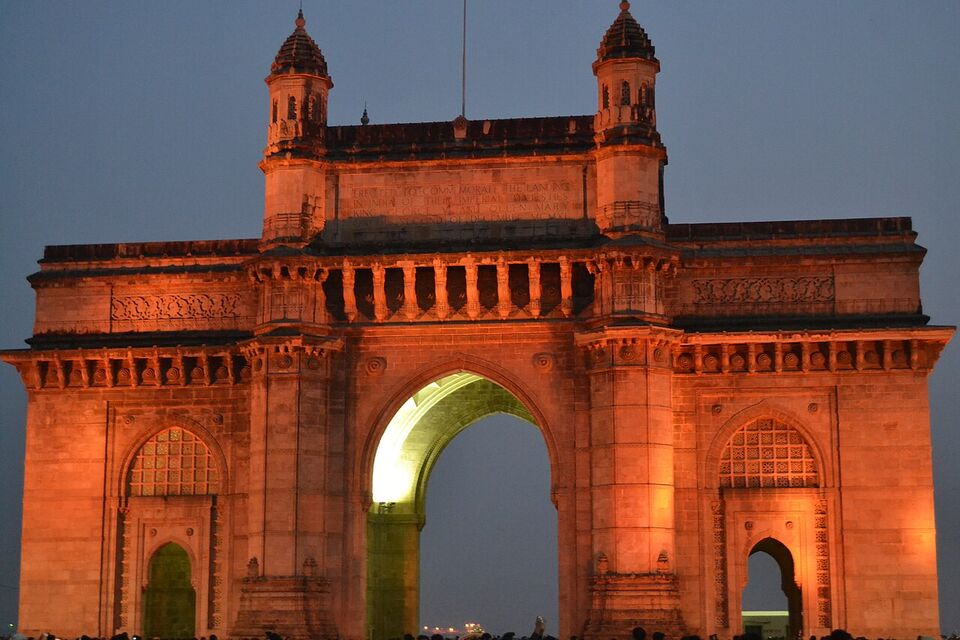
| Gateway of India | Colaba | 30 to 45 minutes | Waterfront arch, and the departure point for Elephanta ferries; crowded by mid-morning |
| Colaba and Fort area | South Mumbai | Half a day | Colonial and Art Deco streets, cafes, markets; best on foot in the cooler morning |
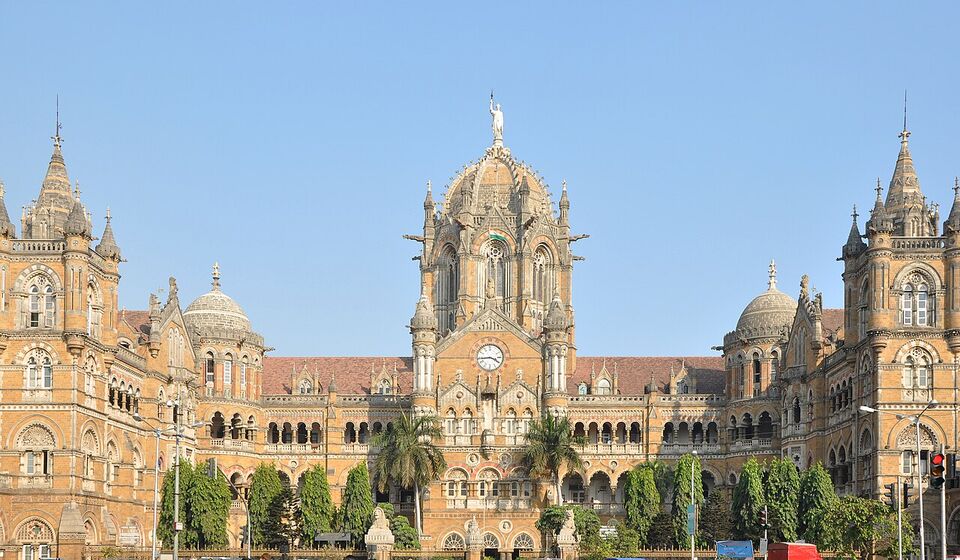
| Chhatrapati Shivaji Maharaj Terminus (CSMT) | Fort | 45 minutes | Victorian Gothic railway station; still a working terminus, so look from outside and the concourse |
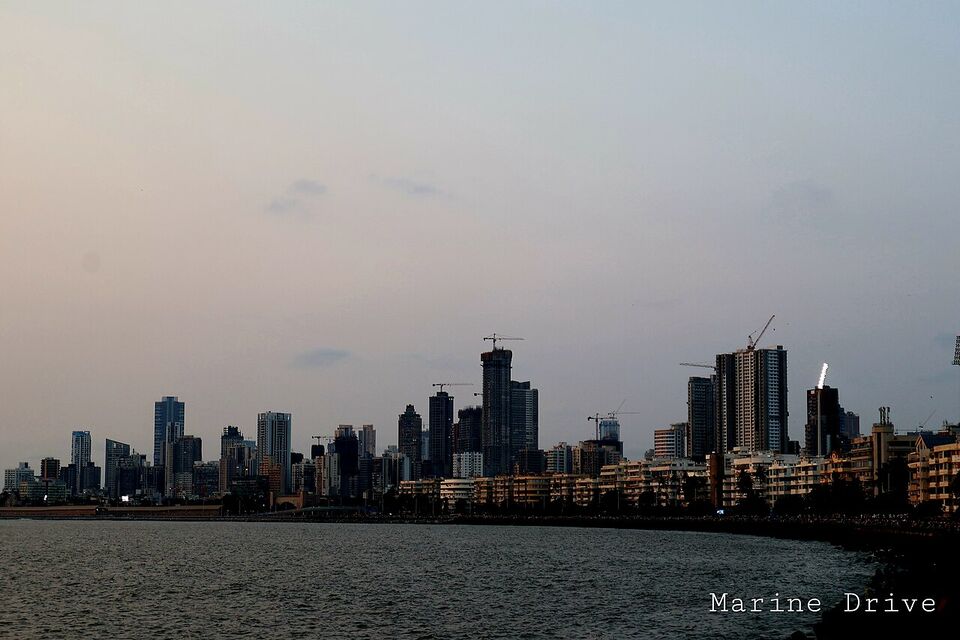
| Marine Drive | Churchgate | 1 hour | Curved seafront promenade; a good late-afternoon walk |
| Elephanta Caves | Island in the harbor | Half a day | Closed Mondays; ferry from the Gateway of India |
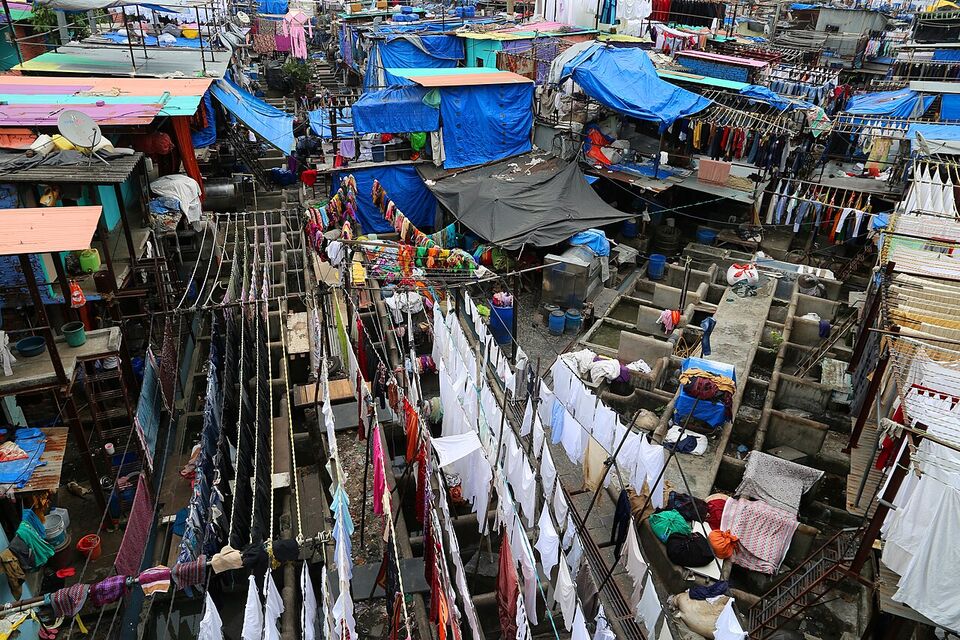
| Dhobi Ghat | Mahalaxmi | 30 minutes | Open-air laundry area, seen from a bridge or on a tour |
| Dharavi tour | Central Mumbai | 2 to 3 hours | Guided only; choose an ethical operator (see below) |
| Bollywood | Suburbs (Film City area) | Half a day | Studio tours and cinema visits; options change, so check before you book |
A sample plan
- Day 1
Colaba, Fort and Marine Drive
Start early at the Gateway of India, before the heat and the crowds, then walk north through Colaba and the Fort district. Look at the Victorian Gothic and Art Deco buildings, stop for a long tea or coffee in a cafe, and end at CSMT. Take a taxi to Marine Drive for the sunset walk. Keep this day light: it is hot, and walking in Mumbai is slower than it looks.
- Day 2
Elephanta Island
Take a morning ferry from the Gateway of India (not on a Monday, when the caves are closed). Allow a half day with the crossing, the climb up from the pier and time in the caves. Return for a late lunch, then rest, since the sun and the stairs tire most people.
- Day 3
Dharavi, Dhobi Ghat and Bandra
Book a small-group Dharavi tour in the morning with an operator that is run by, or employs, local residents. Pass the Dhobi Ghat if your route allows. Spend the afternoon in Bandra for cafes, street art and the sea. If you have a late flight, this is the best area to stay near the airport side of the city.
With only two days, merge Days 1 and 3 and keep Elephanta. If you have a fourth day, use it for slow neighborhood walks, the markets, or a film or cricket outing rather than another rush to see sights.
Gateway of India and the Colaba and Fort area
The Gateway of India is a large stone arch on the harbor. It is the city's best-known landmark and the place most boat trips start. It is free to approach and usually crowded, with photographers and sellers working the crowd. Politely decline photo offers if you do not want one, and agree any price before you accept a service.
The streets of Colaba and the Fort district hold much of the city's colonial architecture, from the Victorian Gothic to the Art Deco seafront. Walk rather than ride: the buildings are best seen at street level, and distances are short. Early morning and the hour before sunset are the most comfortable times for a walk in the dry season.
CSMT, the former Victoria Terminus, is a working railway station and a World Heritage listing for its architecture. Thousands of commuters use it at all hours, so be considerate when taking photos and keep your bag in front of you. The Taj Mahal Palace hotel by the Gateway and the Rajabai Clock Tower are also part of the city's recognizable skyline.
Marine Drive and the waterfront
Marine Drive is the curved promenade along the sea at the western edge of South Mumbai, usually walked late in the day when people gather to watch the light. Mumbai's famous traffic stops for no one, so cross at lights or underpasses rather than dodging cars. India drives on the left, which means traffic comes from the opposite direction to what you are used to at home: look right first, then left.
The city has two long road crossings over water. The Bandra-Worli Sea Link joins South Mumbai to the western suburbs. The Mumbai Trans Harbour Link is 13.5 miles (21.8 km) long and was opened on January 12, 2024; it connects Mumbai with Navi Mumbai. Both can save time, but both are tolled and neither avoids congestion at the ends. We cannot confirm current toll amounts or whether a given route is faster; ask your driver or app.
Different from home
Mumbai's heat is humid and constant. Carry water in a sealed bottle, avoid ice unless you know the source, and plan indoor stops in the middle of the day. Tap water is not safe to drink.
Elephanta Caves and the ferry
Elephanta Island sits in the harbor east of the city. The rock-cut caves on it are dedicated to Shiva and are usually dated between the fifth and seventh centuries, and they are a UNESCO World Heritage Site. The main cave contains large carved figures, and a climb of about 120 steep steps leads from the ticket counter up to it. A small tourist train runs from the pier to the foot of the stairs.
Ferries leave from the Gateway of India. The caves are closed on Mondays, so do not plan an Elephanta day for a Monday. We could not confirm current ferry timetables, the ticket system or the entry price for foreigners, and Wikipedia's quoted ferry hours do not look reliable, so we give none. Check the current times at the Gateway of India ticket counters, or ask your hotel, on the day before.
Practical tips for Elephanta
- Go early. The crossing, the climb and the stairs are easier before the heat builds.
- Wear comfortable shoes with grip, a hat and sunscreen; the stairs can be slippery after rain.
- Take water. There are sellers on the island, but prices can be high and you should only use sealed bottles.
- Be firm but polite with guide touts. Official guides can be useful, but agree the price and the length of the tour first.
- Macaque monkeys live on the island. Do not feed them and keep food out of sight.
- Rough seas can stop ferries in the monsoon, so check before you travel from June to September.
Dhobi Ghat and Dharavi
The Dhobi Ghat at Mahalaxmi is a large open-air laundry where washers (dhobis) scrub clothes in rows of stone troughs. Most visitors see it from an overlooking bridge for a short time. It is a place where people work, so keep a respectful distance and do not photograph people without asking.
Dharavi is one of Mumbai's best-known informal settlements. It is a dense area of homes, workshops and small factories, and some local operators offer guided walks through it. We could not confirm the current rules for tourist visits to the area, so ask your chosen operator what applies before you book.
How to choose an ethical Dharavi tour
- Local involvement: look for a company that is run by, or that employs and trains, people from the area, and that says how it shares income with the community.
- Small groups: a handful of people causes less disruption than a large bus tour.
- No photography of people: good operators tell you not to take pictures of residents' homes or faces without consent, and some ban cameras in certain zones.
- Honest framing: avoid tours that present the area as a spectacle or use language about poverty as entertainment. A good tour shows the businesses, recycling and craft trades that make the neighborhood work.
- Clear pricing: ask what the fee covers and what share goes to local projects. Be wary of any tour that cannot answer.
Local trains, taxis and app rides
The Mumbai suburban railway, called the locals, is run by Central Railway and Western Railway and is the backbone of the city. The system carries enormous numbers of commuters each day, and a ride is a real experience of Mumbai life. It is also demanding: at peak hours carriages are so full that boarding takes effort.
Avoid the weekday morning and evening peaks, roughly 8 to 11 a.m. and 5 to 9 p.m. Travel in the middle of the day or on weekends, buy your ticket before you board, and do not stand in the doorway or lean out. There are carriages set aside for women, which many women travelers prefer; look for the signs. We could not confirm current fares or ticket rules, so check at the station or the railway's own pages.
For most visitors, taxis and app rides are simpler. The black-and-yellow taxis run by meter, and auto-rickshaws are allowed only in the suburbs, not in the south of the city. Ride apps such as Uber, Ola and Rapido operate in Mumbai. Check that the app shows the car and the driver's details, and share the trip with someone if you are traveling alone.
Insider tip
Ask your hotel to book an airport transfer, or use the prepaid taxi counter or a ride app and agree the price first. Do not accept a ride from someone who approaches you in the arrivals hall.
The city's metro lines have been opening in stages, and we cannot confirm which lines run now or their timetables. Check the operator's own site, mmrcl.com, before you rely on one. For wider guidance see our getting around and trains pages.
Traffic, the sea links and timing
Traffic is the main reason Mumbai takes more time than you expect. A trip that looks short on the map can take an hour or more at peak times. Plan one area per half day, and leave generous time before flights and train departures.
The same rule applies to the suburbs: the airport, Bandra and Juhu are far from Colaba. If you stay in the south and have an early flight, add a long buffer, or sleep near the airport the night before. For long distances at off-peak times, a taxi over one of the sea links may be quicker, but we cannot confirm times or tolls.
Food: vada pav, Parsi cafes and seafood
Vada pav is a spiced potato fritter in a soft bun with chutney, and it is Mumbai's characteristic street snack. Other street foods include bhel puri and pav bhaji. Choose busy stalls with fresh frying and high turnover, and avoid raw salads, cut fruit and ice unless the place is reputable.
Mumbai has the world's largest population of Parsi Zoroastrians, about 60,000 people according to reference sources, and the old Parsi and Irani cafes are a part of the city's food story. Expect simple, old-style interiors and menus built around eggs, bread and baked dishes. Many of these cafes have limited opening hours, so check before you go.
The coast makes seafood a strong choice, from fried fish to coastal curries. Go to a restaurant with steady customers, and ask what is fresh that day. If you do not eat fish, vegetarian options are abundant. We do not name individual restaurants because we cannot confirm which are open and unchanged. Our food page and drinks page cover general advice, including water and alcohol.
Where to stay
Choose by what you want to be near. Hotel prices change by season and day, so the tiers below are a guide only: $ is under $120 a night for a double, $$ is $120 to $300 and $$$ is over $300.
Colaba and Fort
The closest base to the Gateway of India, the Fort district and CSMT. Good for a first visit and for walking, but a long way from the airport.
Churchgate and Marine Drive
Near the sea promenade and the western railway line. A practical middle choice with easy taxi access to the sights.
Bandra
Cafes, shopping and the sea. The US Consulate General is nearby at Bandra Kurla Complex, which matters if you need help with a passport.
Juhu
A beachfront area closer to the airport. Good for a short stay around a flight, but far from the old city sights.
Near the airport
Useful for early or late flights. It is not an attractive area for sightseeing, so treat it as a transit stop.
Our where to stay page explains how to read hotel descriptions and book. Mumbai also has a second international airport, Navi Mumbai International, which opened in December 2025; most visitors still arrive at the main Chhatrapati Shivaji Maharaj International Airport, and you should check which airport your flight uses.
Monsoon season and the best months
Mumbai's dry season runs from about October to May, and the cooler stretch from December to February is the most comfortable. In November the average daytime high at Colaba is about 93°F (34°C), at night about 75°F (24°C), and there is almost no rain. By January the high is about 86°F (30°C).
The southwest monsoon runs from June to the end of September. Colaba averages about 14 rain days in June, 22 in July, 20 in August and 14 in September, with about 87 inches (2,213 mm) of rain across the year. The city is prone to flooding in heavy rain, which can stop trains and roads and cause delays at the airport. If you travel in this season, allow extra time, carry a light rain jacket, and keep flexible bookings. The ferry to Elephanta may not run in rough seas. Our when to go page compares regions month by month.
Safety and scams
The US State Department lists India at Level 2, Exercise Increased Caution, as of November 2026; check travel.state.gov for the current advisory. Most visitors to Mumbai do not have problems, but the usual precautions apply in a crowded city. The US Consulate General is at C-49, G-Block, Bandra Kurla Complex, Mumbai 400051, phone +91-22-26724000. In an emergency in India call 112. From the US you can reach American citizen services at +1-888-407-4747, or +1-202-501-4444 from abroad.
- Taxis and rickshaws: use the meter or an app. If a driver says the meter is broken or quotes a high flat fare, find another one.
- Touts and guides: people near the Gateway and stations may offer help with tickets, a "closed attraction" story or a shop visit. Check opening information yourself.
- Crowds: keep phones and bags secure at stations, on trains and at festivals. Do not carry more cash than you need.
- Water and food: drink only sealed bottled or filtered water.
- Women traveling alone: daytime is comfortable for most visitors. At night, use a registered taxi or an app ride and share the trip. See our women travelers page.
Watch out
Do not accept packages or "gifts" to carry, and do not hand your passport to anyone who is not a hotel or immigration official. Also, apply for your visa only on the official e-Visa site, indianvisaonline.gov.in; look-alike agent sites charge extra.
More detail is on our safety, scams and health pages. Mumbai is in an area where the CDC reports malaria transmission and dengue is present, so use insect repellent, particularly in and just after the monsoon, and ask a doctor about prevention before you go.
Bollywood and the evening
Mumbai is the center of the Hindi film industry, popularly called Bollywood. Studio tours and visits to see where films are made are sold by private operators, and the details change often. We cannot confirm any specific tour, so choose one with clear terms and recent traveler reports, and avoid prepaying a large sum to a stranger.
A simpler way to enter that world is to see a Hindi film in a cinema. Films often include an interval, and English subtitles are not guaranteed, so check before you buy a ticket. For other local culture see our festivals page, since Mumbai celebrates big public festivals that can close roads and change travel plans.
Getting here and moving on
Mumbai has direct flights to the US: Air India lists nonstops from Mumbai to New York JFK and Newark. Airlines and schedules change, so check airline sites. Flying times vary with routing, and 14 to 16 hours is typical for flights between the US and India. India Standard Time is UTC+5:30 all year, with no daylight saving. It is 10 hours 30 minutes ahead of New York in winter and 9 hours 30 minutes in US summer time. The half-hour offset is normal. See our flights page for more.
For Goa, the Vande Bharat train from Mumbai CSMT to Madgaon covers 360 miles (580 km) in about 7 hours 45 minutes by the published timetable; check the current timings with Indian Railways before you go. See our Goa page for what to do on arrival. For the south, see Kerala and Chennai and Tamil Nadu. The destinations page lists every region.
Add it to a route in the trip builder, or ask us to plan the hotels, trains and guides for you.