How to choose: flights, trains, drivers or apps
India is large, and the right choice depends on distance, time and how much you want to see on the way. In short: fly for long distances, take a fast train between big cities (see our trains guide), hire a car with a driver for a multi-stop route such as the Golden Triangle, and use ride apps, autos or the metro inside a city. Do not drive yourself.
This page covers each option, what to agree in advance and where visitors lose money or time. We give no fares or day rates that we cannot confirm: prices change, so we show how the cost is built and what to ask. Two things differ from home from the first minute: India drives on the left, and traffic uses the horn as a signal. Cross streets slowly and let vehicles go around you.
Which option for which situation
| Situation | Best option | Why | Watch for |
|---|---|---|---|
| Delhi to Mumbai, Goa, Kerala, Leh | Domestic flight | Long distances take a day or more by train or road | Fog delays in winter; bag limits on cheap fares |
| Delhi to Agra or Varanasi | Fast train | Comfortable, cheap, city-center to city-center | Book early; fog delays in winter |
| Delhi, Agra, Jaipur in one trip | Car with driver | Door to door, and you can stop on the way | Agree the price and itinerary in writing |
| Inside Delhi, Mumbai, Bengaluru | Metro or ride app | Traffic is slow; the metro is predictable | Rush-hour crowds; use the women's coach if you prefer |
| Short hops of 1-3 miles (2-5 km) | Auto-rickshaw | Cheap and quick in traffic | Meters ignored; fare disputes |
| Old city lanes | Cycle rickshaw, e-rickshaw or walking | Narrow streets that cars cannot enter | Agree the price first, and per person or for the ride |
| Kerala backwaters, Elephanta, rivers | Ferry or boat | The only practical way to cross water | Check timetables and weather |
| Short city trips on a budget | City bus | Cheapest option | Crowded; routes are hard to read |
Domestic flights
Flying is the practical choice when a train would take more than a day. The mainline airlines are Air India, Air India Express, Akasa Air, IndiGo and SpiceJet. Check each airline's own website for routes and schedules, because they change often. Book through the airline or a major travel site and keep the confirmation email on your phone.
When flying beats the train
- For long distances such as Delhi to Kochi, Delhi to Goa or Mumbai to Kolkata.
- To Leh in Ladakh: the road is long and closes in winter, and flights are the usual way in. Read Himalayas guide for the region and how altitude affects you.
- When you have a short trip and a train would cost a night.
Between Delhi and Agra, Jaipur or Varanasi, the train is often as fast once you count the airport transfers and check-in. Many of these routes have fast daytime trains.
Luggage and booking
Cheap fares often come with a smaller checked-bag allowance than US domestic flights. Check the fare rules before you buy, and compare the extra bag fee at booking, which is usually cheaper than at the airport. Carry-on weight limits are also strict on some Indian airlines. Arrive at the airport earlier than you would at home: security is thorough, and Delhi and Mumbai airports are large. Your international ticket may be on a different booking from your domestic one, so leave a gap of several hours between them. See flights guide for international flights and airport details.
Watch out
In winter, fog around Delhi and other northern airports disrupts flights on 15 to 20 days of the year, according to the Wikipedia climate page. Do not book a tight connection with an international flight. Leave a buffer day before flying home, and see January guide for the season.
Hiring a car with a driver
For a route of several cities, a car with a driver is the most relaxed way to travel, and Indian roads are not a place to learn. The driver knows the roads and the parking, waits while you sightsee, and often doubles as an informal guide. The Golden Triangle is about 720 km (450 miles) by road, and each leg takes about 4 to 6 hours of driving. See Golden Triangle guide.
How the cost is built
We give no day rates because we could not confirm current prices. The cost normally has these parts. Ask which are included and get them in writing:
- The car and the days or the distance: a flat rate per day or a total for the route, with a kilometer limit.
- The driver's night allowance when you stay overnight: a daily amount for food and lodging, sometimes included.
- Tolls, parking and state taxes when you cross state lines: included or paid as you go.
- Fuel: usually included in the per-kilometer price.
- Air-conditioning: some drivers charge less if you do not use it.
- Tip: modest tips are common at the end of the trip. See below.
How to vet an agency
- Choose a company with a real office, a website with reviews and a written confirmation that lists the car type, route, dates, what is included and the cancellation terms.
- Ask for the driver's name and phone number before you land and confirm the pickup in writing.
- Avoid paying a large deposit by transfer to a personal account. Pay a small deposit by card and the rest at the end.
- Ask your hotel to recommend a driver they use often.
- Tell the driver on day one that you do not wish to stop at shops or "factories".
Night driving and tipping
The CDC advises hiring a licensed driver and avoiding night driving, wearing seatbelts and sitting in the back seat. Plan long legs to finish by dusk. Roads have unlit trucks, animals and pedestrians. On tipping, modest tipping is common: small amounts for drivers, guides and porters. We suggest a tip at the end of a multi-day trip, an amount that reflects the service, and giving it directly to the driver in cash.
Insider tip
Share the day's plan with the driver each morning and ask for the time he expects to finish. A clear plan avoids detours to shops that pay him a commission. For the same reason, see scams guide.
Why not to self-drive
We advise against renting a car without a driver. India drives on the left, with a mix of trucks, buses, motorbikes, cows and handcarts sharing the same road, and rules are applied loosely. A small accident can turn into a long dispute. The CDC says that if you do drive, you should carry an International Driving Permit along with your US license. We could not confirm the current legal requirement for foreigners, so check with the rental company and the Indian embassy before you plan to drive. A driver costs little compared with the stress and risk.
Ride apps and taxis
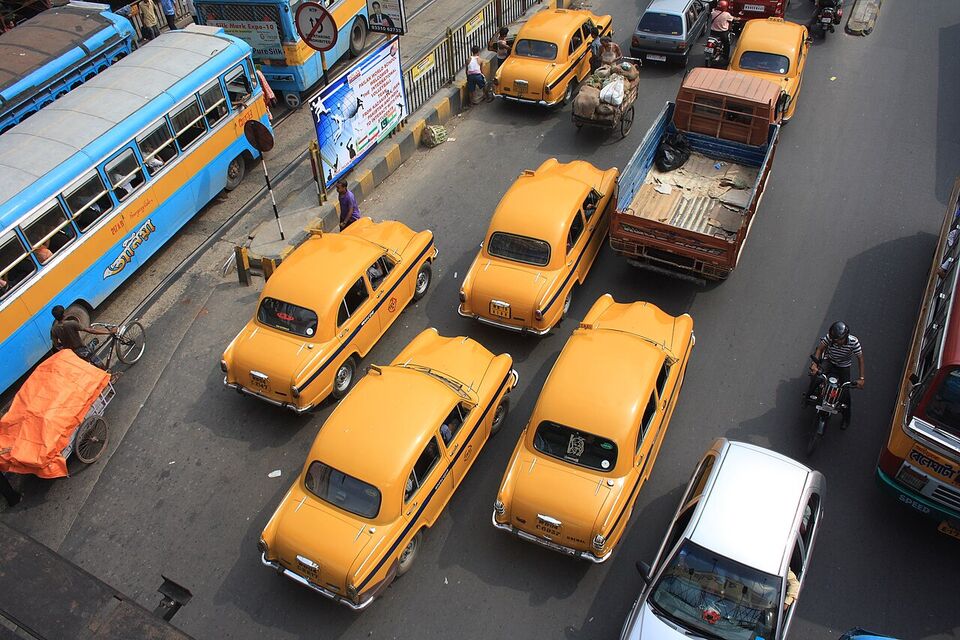
Ride apps such as Uber, Ola and Rapido are commonly used in large Indian cities. Apps give you a fare before you ride, a driver's name and plate and a record of the trip, which suits visitors and women traveling alone. Whether the apps accept your foreign card, whether you must pay cash, and which cities are served can differ, and we could not confirm these. Install an app and test it before you travel, and keep some cash.
- Check the plate and driver's name against the app before you get in.
- Share your trip with someone using the app's share feature.
- Expect the driver to call you to confirm the pickup point. A few words of Hindi or a typed message in the app helps.
- Airport pickup zones can be far from the terminal door. Follow the app's instructions.
At airports and big stations, a prepaid taxi counter fixes the price before you go. We could not confirm current rates, so ask the price at the counter, pay there rather than the driver, and keep the receipt. See phones and apps guide for phone and app setup.
Auto-rickshaws, e-rickshaws and cycle rickshaws
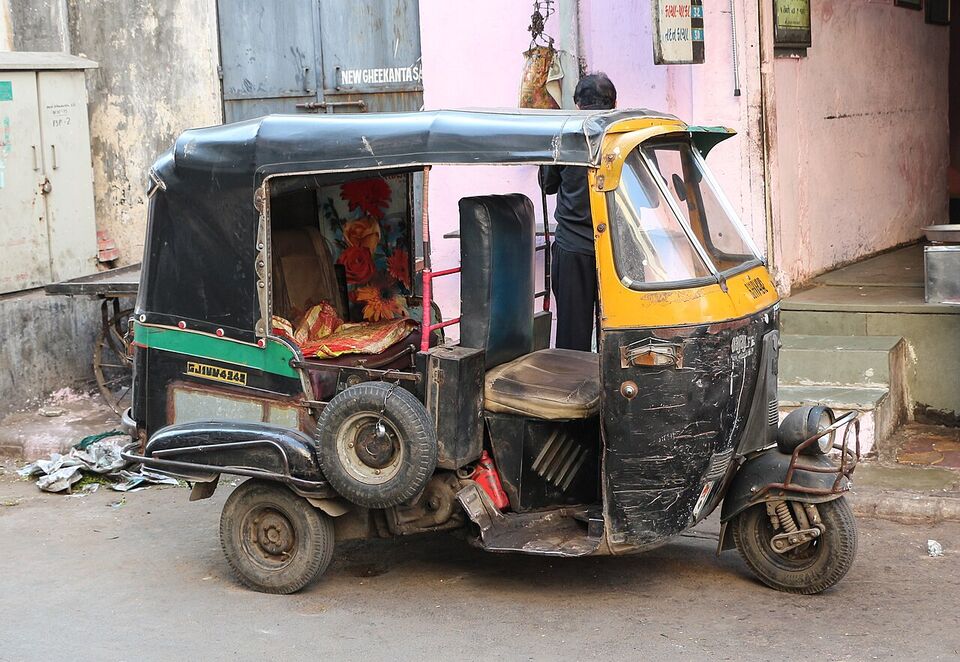
An auto-rickshaw (also called an auto or tuk-tuk) is a three-wheeled taxi with open sides. Fares are government-regulated in principle, but meters and haggling vary by city. In a city where meters are used, ask the driver to use the meter (a polite "meter, please" is enough). In a city where they are not, agree the price before you get in and confirm it covers all passengers and bags. If you disagree on arrival, stay calm, pay the agreed amount and walk away rather than argue.
E-rickshaws are battery-powered three-wheelers that run on short fixed routes, often shared, and are common near metro stations in Delhi. Cycle rickshaws are pedal-powered and suit old-city lanes at walking speed. Agree the price first, and say whether it is for the ride or for each person.
Save money
Do not accept the first price. Check the fare on a ride app for the same trip and use it as a guide. Pay with small notes so there is no argument about change. Haggling blindly, without any idea of the fare, is the most common mistake: you will pay more than a local.
Metros and city trains
Several cities have metro systems, and they are the fastest, cheapest and most predictable way across town at rush hour.
Delhi Metro
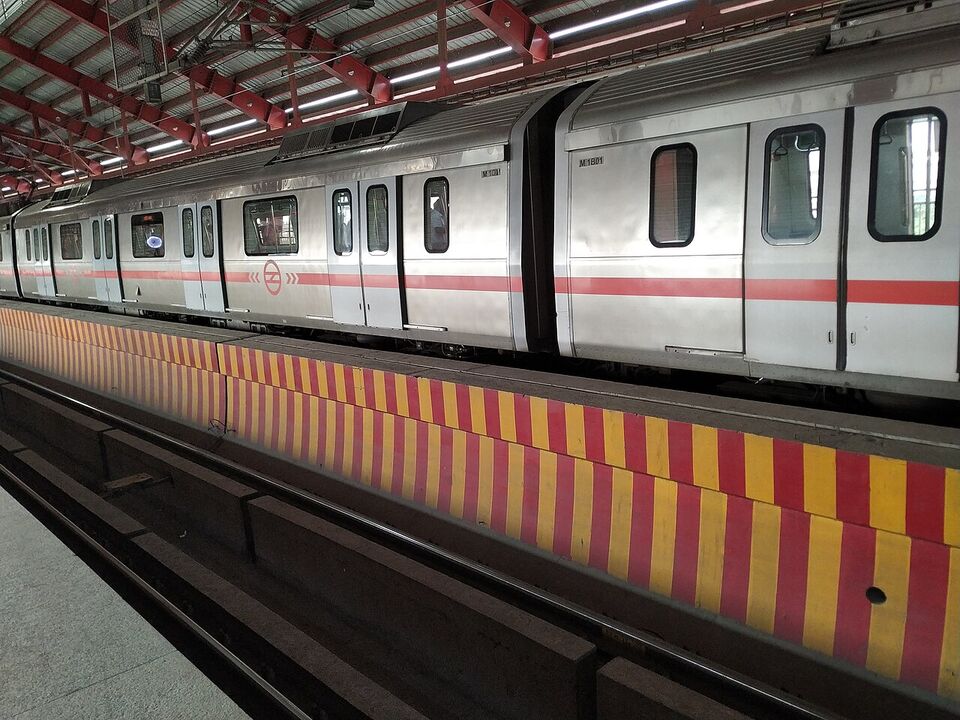
The network runs from about 5 a.m. to midnight, with trains every 1 to 10 minutes. The Airport Express runs 22.7 km (14 miles) from New Delhi to Yashobhoomi Dwarka Sector 25, takes about 16 minutes from New Delhi, and runs every 10 minutes. Tourist cards cost ₹200 (about $2) for one day and ₹500 (about $5) for three days, including a refundable ₹50 (about $0.50) deposit. The first coach is reserved for women. Eating, drinking and smoking are not allowed. A new Golden Line to Aerocity is planned for December 2026, but not guaranteed. See Delhi guide.
Mumbai
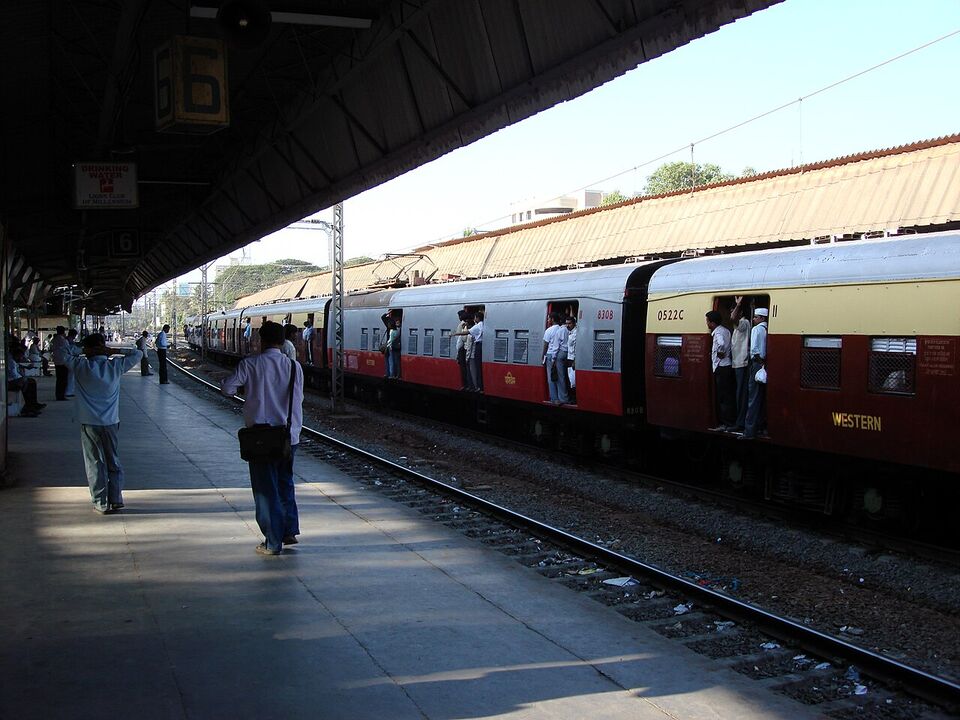
Mumbai's suburban "locals" on the Central and Western railways are the city's backbone and are extremely crowded at rush hour. Visitors may prefer a ride app, a taxi, or the metro lines where they fit. Fares and women's compartment rules need checking locally. See Mumbai guide.
Kolkata
The Kolkata Metro opened on October 24, 1984, and is the oldest in India. It is a quick way to avoid traffic.
Bengaluru and Chennai
Both cities have metro lines that help with traffic. Routes and fares change as lines open, so check the operator's site.
Kochi
Kochi has a metro and a Water Metro ferry network, a useful link to nearby islands. See Kerala guide.
Buses and ferries
City buses are the cheapest transport, but routes and stops are hard to read for visitors and they can be very crowded. We suggest using them only with local help. Intercity buses connect places that trains do not reach, such as many hill towns. State-run and private operators both exist, and sleeper buses run overnight. For an overnight trip, a train in an AC class is usually safer and more comfortable. For hill roads, a hired car with a driver is a better choice. Roads and passes close in winter or after landslides, so check locally.
Ferries cross rivers and harbors. Examples: boats from the Gateway of India to Elephanta Caves in Mumbai (the caves are closed Mondays), and boats and houseboats in the Kerala backwaters. Check the timetable and weather on the day.
Paying for transport: cash, change and small notes
India still runs on cash for many everyday rides. Autos, cycle rickshaws, e-rickshaws and many city buses expect rupees, and drivers often claim they have no change for large notes. Keep a stack of small notes (the ₹10 to ₹100 notes, worth about $0.11 to $1) in a separate pocket from your main wallet, and break large notes at a hotel, a shop or an ATM. Ride apps may let you pay in the app or in cash, depending on the city, so check the payment options on the screen before you confirm a ride. See money guide for ATMs, cards and how cash works.
Most foreign visitors cannot use the main Indian UPI payment apps. The UPI One World wallet for visitors was announced in July 2024, but we could not confirm that it is available now, so do not count on it. Plan to pay cash for street transport and by card or app where those work.
Crossing the street and moving on foot
Walking in an Indian city takes practice. Traffic comes from the right first, because India drives on the left: look right, then left, then right again. Vehicles rarely stop for pedestrians at crossings, and the usual way to cross is to move at a steady, predictable pace so that drivers can steer around you. Do not run or stop suddenly. Pavements are broken or blocked in many places, so walk on the side of the road facing traffic where there is no pavement. Take care at night, in the monsoon, and near open drains.
Look out for motorbikes in lanes and on pavements, and for animals on roads. If you find a crossing hard, cross with a local group, or use a footbridge or a metro station underpass.
Sample plans by trip type
- First trip, Delhi, Agra and Jaipur: arrive in Delhi, use the Airport Express or a prepaid taxi into town, take a fast morning train or a car to Agra, then a car with a driver to Jaipur and back to Delhi. Use the metro or a ride app inside Delhi. See Golden Triangle guide.
- Delhi and Varanasi: a Vande Bharat to Varanasi takes about 8 hours, so one traveler may choose a flight to save a day. In Varanasi, walk the ghats and use cycle rickshaws or e-rickshaws near the old city. See Varanasi guide.
- Mumbai and Goa: a flight is quickest, but a fast train from Mumbai CSMT to Madgaon takes about 7 hours 45 minutes on the Vande Bharat timetable. See Goa guide.
- Kerala: fly into Kochi, take the Kochi metro and water metro in the city, and hire a car and driver for the hills and backwaters. See Kerala guide.
Different from home
Traffic rules are suggestions in practice: lanes are optional, horns are used as "I am here" rather than as anger, and a green light does not guarantee that cross traffic has stopped. Sit in the back seat of any car, wear the seatbelt where one is fitted, and let the driver handle it.
Mistakes to avoid
- Haggling blindly. Learn the likely fare from an app or your hotel before you bargain.
- Accepting a tout's story. If someone tells you that your hotel is closed or full, or that you must go to a "government" shop, do not follow. Call the hotel yourself.
- Getting into an unmarked car at an airport or station.
- Paying a large deposit to an unknown driver or agency.
- Booking a tight flight connection in fog season.
- Driving yourself on your first trip.
For more on safety, see safety guide and scams guide. For women traveling alone, advice for women travelers has additional advice about transport at night.
Add it to a route in the trip builder, or ask us to plan the hotels, trains and guides for you.