Overview
Indian manners are warm, relaxed about many things and exact about a few. Most visitors get through a trip with a handful of habits: greet with a smile and a namaste, use your right hand, take off your shoes where others do, cover your shoulders and knees at religious sites, and ask before you photograph a person. If you do those five things and stay patient, you will be fine.
India is also huge and varied. A Mumbai office, a village in Rajasthan, a Kerala church, a Sikh gurdwara and a Himalayan monastery all have different norms. This page gives you the rules that apply almost everywhere, flags where they differ, and offers a simple way to behave when you are unsure: watch what the people around you do, and ask politely. Indians are generally forgiving of visitors who make a sincere effort.
For specific places of worship, see the temples guide. For food manners, see the food guide.
Greetings and the namaste
Namaste (also namaskar) is the standard Hindi greeting: palms pressed together at the chest, a small bow of the head, and the word. It works for hello and goodbye, in every setting, and with people of any age. It is a safe choice when you are not sure what to do. In Sikh communities, the greeting is sat sri akal. Muslims may say as-salaam alaikum. In the south, "vanakkam" (Tamil) or "namaskara" (Kannada) may be used. You do not need to know them all, and a namaste is accepted everywhere.
Handshakes are common between men in business and with visitors. Between men and women, wait for the other person to offer a hand. Many women, especially in more traditional settings, prefer a namaste to a handshake with a man, and some men do the same with women. Do not take it personally, and do not hug or kiss as a greeting.
Use titles and polite forms: "sir," "madam," or a name with -ji added as a mark of respect (for example, "Sharma-ji"). Older people, teachers and officials are addressed with extra care. The Hindi phrases page explains the polite aap form and how to use it.
The right hand and the left hand
In many Indian households, the left hand is used for cleaning after using the toilet, so it is considered unclean for eating and giving. Use your right hand to eat, to pass food, to hand over money, to give or receive a gift and to point or touch things in a respectful way. For anything formal, use both hands, or your right hand with the left touching your right forearm.
This rule is not absolute in daily life. People use their left hand to hold a phone, a glass or a bag. But when you are eating, handing something to an elder, giving a tip or taking a cup of tea, the right hand is the polite one. If you are left-handed, practice with your right. In a restaurant, ask for a fork and spoon. See the food guide for the details.
Avoid pointing your feet at people, a sacred image or a shrine. Feet are considered low, so do not step over a person's legs or outstretched feet, or touch someone with your foot. If you do, a small apology gesture (touching the person or object with your fingers, then your chest) shows respect.
Dress codes by setting
Comfort and modesty are the practical rules. India is hot for much of the year, and light, loose, long clothing is cooler than shorts. Cotton and linen work well. For both men and women, covered shoulders and knees are accepted nearly everywhere, and they matter at religious sites. Dress is more conservative in small towns and rural areas, and in some conservative areas, and more relaxed in big-city restaurants, hotels and beach towns.
| Setting | Men | Women |
|---|---|---|
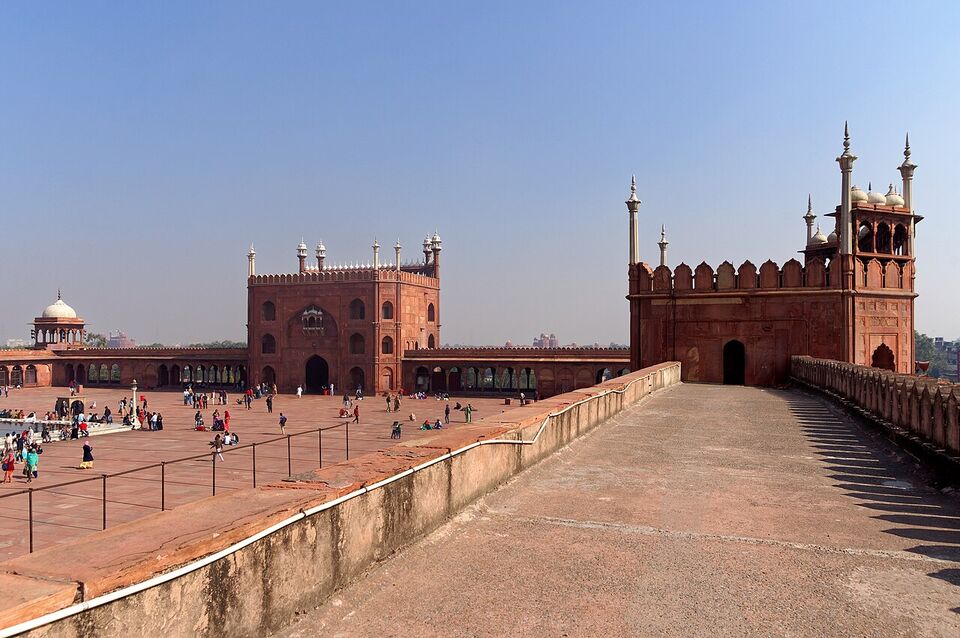
| Temples, mosques and gurdwaras | Long pants; shirt with sleeves; shoes off | Cover shoulders and knees; a scarf is useful; shoes off |
| Gurdwaras (Sikh temples) | Cover your head, usually with a scarf or cloth the gurdwara provides; shoes off | Cover your head and shoulders; shoes off |
| Mosques | Long pants and shirt with sleeves | Cover hair if asked, long sleeves and long skirt or pants |
| City streets and markets | Shorts are less common away from beaches; pants or knee-length shorts are fine | Loose pants, long skirts or knee-length dresses; a scarf for sun and for covering up |
| Hotels, restaurants and nightlife in big cities | Smart casual | Smart casual; many women wear Western clothes |
| Beaches (Goa, Kerala and others) | Swim trunks on the beach, a shirt away from it | Swimsuits are accepted at tourist beaches; cover up when you leave the beach |
| Rural areas and small towns | Long pants, shirt | Long skirt or pants and a loose top with sleeves |
Details at each site change, so check the rules posted at the entrance or on the official site. We only give the general customs here: shoes off, covered shoulders and knees, a head cover in a gurdwara, and no leather in some temples. For women's advice on dress and safety, see the women travelers guide. For what to pack, see the packing guide.
Regional differences
Dress and drinking norms vary. Goa's beaches, Mumbai, Delhi and Bengaluru are used to visitors in Western clothing. Smaller towns, pilgrimage cities such as Varanasi, Amritsar and Rishikesh, and rural Rajasthan or the Himalayas are more conservative. When in doubt, dress one step more modestly than you would at home. See the drinks guide for alcohol rules, which differ by state.
Shoes off, and what to do at the door
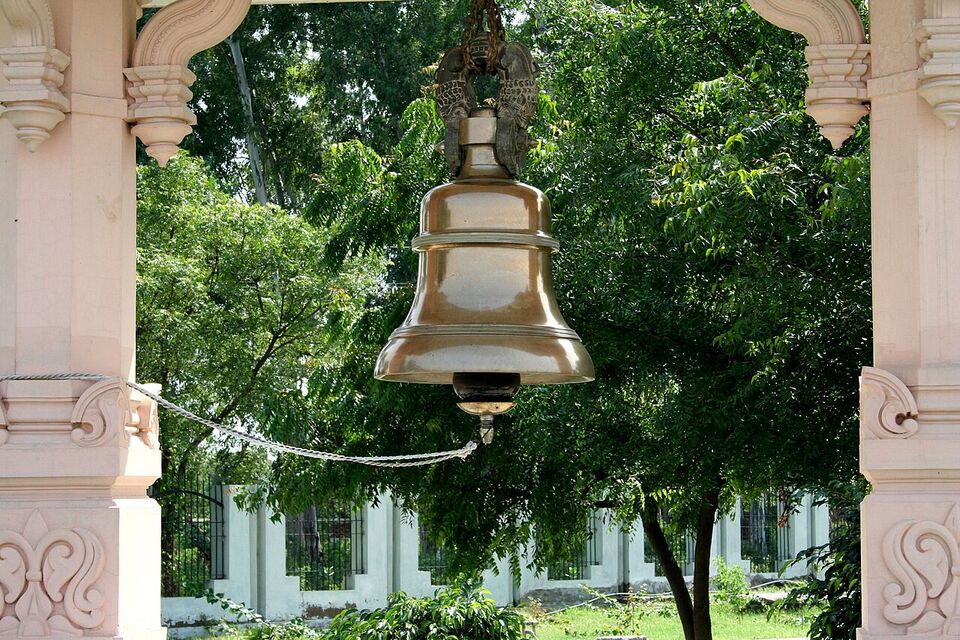
Shoes come off before entering temples, mosques, gurdwaras, many homes, some shops and some hotel rooms or small guesthouses. Look at the doorway: if there is a pile of shoes, take yours off. At religious sites, there is usually a shoe-keeping counter, often run by volunteers, and you receive a token. A small donation or tip is common. Pavements near temples can be hot or dirty, so carry socks, which are accepted at some sites, and check the rules.
Leather is not allowed in some temples, including belts and wallets, so carry non-leather items if you plan to visit several. Many temples and homes also ask you to leave the shoes outside and wash your feet.
Touching feet and sacred objects
Younger people sometimes touch the feet of elders as a sign of respect. It is not expected of visitors, and you are not required to do it. If someone offers a blessing, accept it with a smile or a namaste.
Sacred objects, images, books and people deserve care. Do not touch a statue, a priest or a holy book unless invited. Do not point your feet at them, or place your bag or shoes on them. At a temple, follow the lead of worshippers. Food offered as prasad (a blessed offering) is taken with the right hand and eaten, not discarded. Do not walk between a person praying and the image.
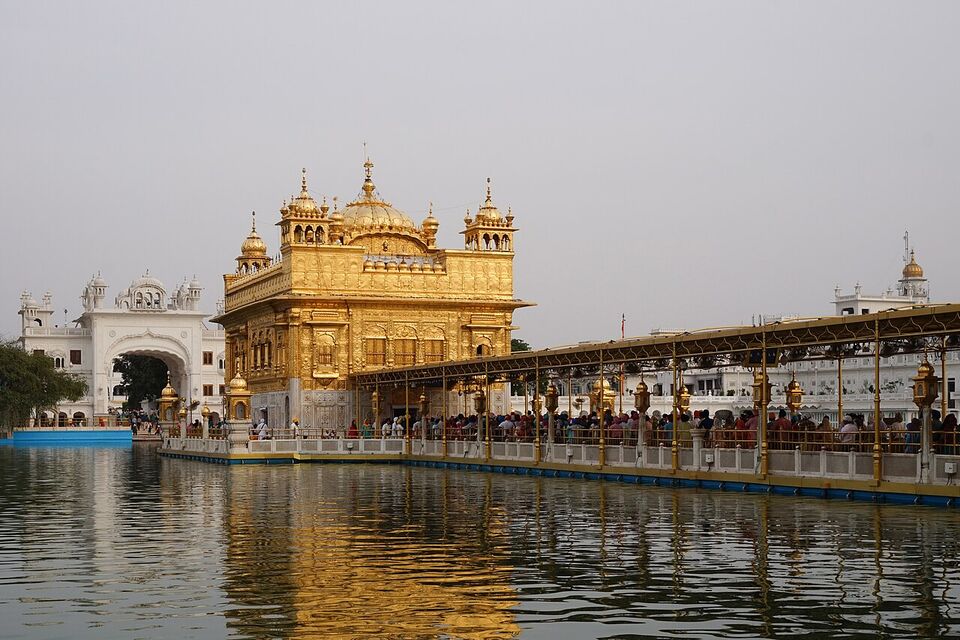
At Sikh gurdwaras, a head cover is required, and the community kitchen (langar) serves free meals to everyone. Eat what you are given, and cover your head when you eat. See the Amritsar guide.
Photography etiquette
Photos are part of any trip, but India is full of people going about their lives, not a set. Ask permission before you photograph individuals, particularly women, children, worshippers, sadhus and street vendors. A smile, a camera raised with a questioning look and a nod are usually enough. If someone says no or turns away, respect it. If you take a portrait and the person asks for money, you can pay a small amount or decline politely and delete the photo.
- At temples, mosques and shrines, photography may be banned inside, sometimes entirely. Look for signs and ask staff.
- Do not photograph military or security sites, and obey any sign that bans photos at bridges, stations or airports.
- Be respectful at cremation sites and in ceremonies. In Varanasi, photographing the burning ghats is a sensitive issue, and many people ask you not to. See the Varanasi guide.
- At monuments, rules on tripods, drones and video differ. At the Taj Mahal, drones are banned in and around the monument and tripods need ASI permission.
- Selfie requests from strangers are common. You may say yes or no. If you say yes, keep it brief and pleasant.
Personal space, queues and staring
Crowds are a fact of life, and personal space is smaller than in the US. In markets, buses, metro trains and temples, you will be touched and pressed from all sides. Most of it is not meant personally. Keep your bag in front of you, and hold your ground gently.
Queues exist, but the line can be loose, and people may step in front. Stand where you are, say "excuse me," and be patient. At ticket counters and at security, you may need to be firm, calm and polite. In Delhi Metro, the first coach on every train is reserved for women.
Staring and how to respond
Many visitors, especially women and those who look different, experience staring and requests for photographs. It is often curiosity, but it can be uncomfortable. You do not owe anyone your attention. Options include looking away, putting on sunglasses, moving to a busier or better-lit place, and walking with a purpose. A calm "no, thank you" in a firm voice works for requests. If the attention becomes unwelcome or threatening, go into a shop, a hotel or a place with other people, and call 112, India's national emergency number. Our safety guide explains more.
Bargaining
Bargaining is normal in markets, with rickshaw drivers who do not use a meter, at street stalls and in many small shops. It is not appropriate in restaurants, malls, supermarkets or shops with fixed price tags. A good approach: decide what the item is worth to you before you start, ask the price, offer less and settle at a point both sides accept, with a smile. Do not offer a price you are not willing to pay. If you reach an agreement, honor it.
Government emporiums have fixed prices, which can help you learn what an item costs. Be wary of touts and commission shops, and see the scams guide and shopping guide. Agree on a rickshaw or taxi fare before you start, or insist on a meter or use a ride app. We give no fixed rates, since they change by city and season.
Tipping
Modest tipping is common. In sit-down restaurants, about 10% is usual when no service charge is on the bill. A service charge, if printed, is voluntary, and you may ask to have it removed. For drivers, guides, porters and hotel staff, small amounts are appreciated. Give tips in cash, with your right hand, and hand it over discreetly. At religious sites, donate in the box rather than to people who approach you. See the money guide for cash habits.
Gifts, invitations and eating in homes
If you are invited to a home, accept if you can. It is an honor. Arrive a little late rather than early, and take a small gift, such as sweets, fruit or flowers, from a good shop. Avoid giving leather items or alcohol unless you know that your hosts drink. Give and receive gifts with both hands or the right hand, and do not expect the host to open it in front of you.
- Take off your shoes at the door, unless your host says not to.
- You may be offered food repeatedly. It is polite to accept a little and to say that you have had enough.
- Wash your hands before eating, eat with your right hand, and do not share food from your plate or take a bite from another person's. Food that has touched someone's mouth is considered contaminated.
- Do not criticize the food. If it is too spicy, say that you enjoy it, ask for yogurt, and move on.
- Strict vegetarians and non-vegetarians may eat together, but keep the serving spoons separate.
- Compliment the host and thank them. A follow-up message is welcome.
Public displays of affection
Holding hands is generally fine in cities and tourist areas. Kissing and other physical affection in public is not common and can draw stares, complaints or occasionally a police warning, depending on the place. Keep it low-key, particularly outside big cities, near religious sites and in smaller towns. Same-sex couples should read the current local situation and the State Department's advice before traveling, and use discretion in more conservative areas.
Talking about religion, politics and Pakistan
Indians talk about cricket, food, family, films and their country with pleasure, and many will ask you questions about your family, your job and your marital status. These are friendly, not intrusive. You can answer briefly and ask the same.
Religion, politics and the border with Pakistan are more sensitive. Listen, ask open and respectful questions, and avoid comparing faiths or giving opinions on disputes between communities. Do not make jokes about religion, caste, food or national symbols, and do not assume someone's faith or background from their name or dress. Keep any views on India-Pakistan relations to yourself, and do not describe territorial disputes or take a side. Names and borders are touchy subjects. Use place names as travelers find them, and follow the State Department advisory for restricted areas. The visa and the situation at the border are covered on the entry page and in the safety guide.
The head wobble
You will see a side-to-side tilt of the head that is not quite a nod and not quite a shake. It can mean yes, okay, understood, thank you or "I hear you," depending on the situation. It is a friendly gesture. If you need a clear answer, ask a follow-up question or confirm in words ("so we leave at nine?"). You can also smile and nod back.
Loud behavior and public conduct
India is loud, with horns, music, markets and festivals. At temples, mosques, cremation sites and in homes, keep your voice low, silence your phone and avoid arguments. Do not sit with your back to a shrine or lie on a sacred spot. Do not litter, spit or smoke in places of worship, and ask before smoking near other people. Public arguments or shouting at staff is poorly received, and staying calm often gets a better result.
Beggars and children
You will meet people asking for money, including children, people with disabilities and elderly people. It is a hard part of travel, and there is no single right answer. Some visitors give small amounts to individuals. Others prefer to donate to a trusted charity, a temple or a local organization. Giving food, rather than money, is another option. Whatever you decide, a polite "no, thank you" with a smile and eye contact is better than ignoring the person.
Do not give money to children asking in the street, since it can keep them away from school. If a child tries to sell you something, you can decline, buy from the adult nearby or buy from a shop. Do not hand out candy, pens or coins. Be cautious about organized "charity" requests and school donation stories. See the scams guide.
Do and don't
| Do | Don't |
|---|---|
| Greet with a namaste and a smile | Hug, kiss or touch people you have just met |
| Use your right hand to eat, give and receive | Eat, pass food or hand over money with your left hand |
| Take off your shoes where others do | Walk into a temple, mosque, gurdwara or home in shoes |
| Cover shoulders and knees at religious sites | Wear shorts, sleeveless tops or short skirts at religious sites |
| Ask before photographing people | Photograph inside shrines or security sites |
| Bargain politely in markets | Bargain at fixed-price shops or after agreeing a price |
| Accept chai or snacks when offered a little | Share food from your own plate or criticize the food |
| Stay calm and patient in crowds and delays | Shout at staff or lose your temper in public |
| Ask if you are unsure | Make jokes about religion, caste or food |
Common mistakes
- Wearing shorts and sleeveless tops to a temple. Carry a scarf and a light long-sleeve shirt in your day bag.
- Using the left hand to give or eat. Switch to the right, especially at meals.
- Taking photos of people without asking. Ask, and accept a no.
- Pointing your feet at people or sacred objects. Sit with your feet tucked in.
- Paying a price you have not agreed. Settle fares and prices first.
- Taking personal questions as an insult. They are usually warm and curious.
- Giving a strong opinion on politics, religion or Pakistan. Listen and change the subject politely.
- Losing patience. Delays are common, and calm is respected.
Different from home
Americans often value directness, and a firm "no" is normal at home. In India, a polite refusal may be softened ("I will try," "maybe," a head wobble), and the listener is expected to read the tone. If you want a clear answer, ask a simple question and confirm in words.
Watch out
Customs rules and dress norms at specific sites can change. Read the signs, ask the staff, and check the official site of a temple or monument before you visit. We did not find a recent customs advisory for visitors as of November 2026. Check the State Department's page at travel.state.gov for the latest.
Add it to a route in the trip builder, or ask us to plan the hotels, trains and guides for you.