Overview
March is the month the season turns. The first half is still a good time for Delhi, Agra, Rajasthan and the hills: warm days, mild nights, clear skies and fewer visitors than the winter peak. By the last week the plains are hot, the south is hot and humid, and the main tourist season is ending. If you are choosing dates for a first trip, early March is much better than late March.
It is also a month of festivals. Maha Shivratri falls on March 6, 2027, Holi around March 22, Eid al-Fitr around March 10 and Easter on March 28. This page covers the weather, the festivals, how to join Holi safely, what is crowded or closed, and where to go. For the months on either side, see February and the whole-year view in when to go to India.
Weather by region
These are long-term averages from India Meteorological Department data as published in reference summaries (forecasts are at mausam.imd.gov.in). Any one day can be hotter or cooler, and late March is usually warmer than early March.
| Place | Typical high | Typical low | What to expect |
|---|---|---|---|
| Delhi | 86°F (30°C) | 60°F (16°C) | Warm, hazier, hot afternoons late in the month |
| Agra | 90°F (32°C) | 58°F (14°C) | Hot by midday; go at first light |
| Jaipur | 90°F (32°C) | 63°F (17°C) | Hot afternoons, mild nights |
| Varanasi | 91°F (33°C) | 62°F (17°C) | Hot by day; river mornings are pleasant |
| Mumbai | 89°F (32°C) | 73°F (23°C) | Hot and humid, dry |
| Goa | 90°F (32°C) | 74°F (23°C) | Hot, sunny and humid; sea is warm |
| Kochi (Kerala) | 95°F (35°C) | 75°F (24°C) | Hot and humid |
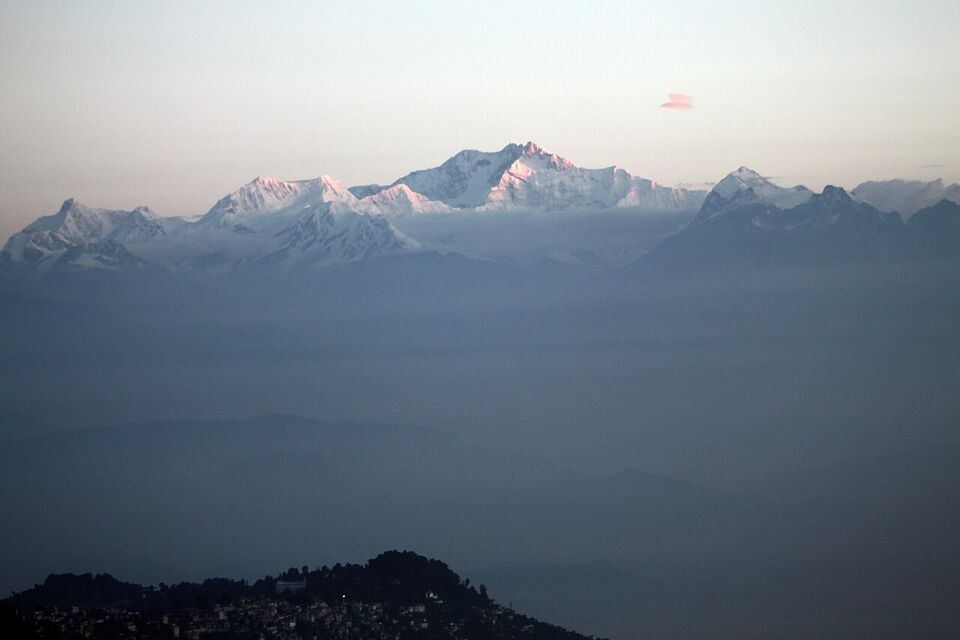
| Darjeeling | 61°F (16°C) | 43°F (6°C) | Cool; a jacket is needed |
| Leh (Ladakh) | 50°F (10°C) | 25°F (-4°C) | Still very cold, thawing |
The plains warm quickly through March. Our when-to-go page notes that Delhi's average high reaches 98°F (37°C) in April, so March is the last comfortable month before the heat. In the Thar Desert, days are hot and nights are cooler. In the mountains, snow thaws and some roads reopen during the month. Check road status with local authorities and your operator, and see our Himalayas guide.
Insider tip
Plan outdoor sightseeing for the first and last hours of the day. Start monuments at opening time, rest in an air-conditioned room or cafe from noon to 3 p.m., and drink bottled or filtered water through the day. See the health guide.
Air quality and fog
Fog is usually over by March. Delhi's air is typically better from March to September, when a reference summary describes it as Satisfactory to Moderate, so March is a good month for visitors with asthma or a heart condition. Dust and heat haze increase in late March, and bad days still happen. Carry an N95 mask and check the live index for the city you are in. See our Delhi guide.
Holi
Holi, the festival of colors, marks the arrival of spring. It begins on the evening of the full moon in the Hindu month of Phalguna with bonfires, and the next day people throw colored powder (gulal) and water at each other, dance and share food. The full moon is on March 22, 2027. That puts the bonfire evening on March 21 and the color day on March 22, a Monday, but we have not confirmed the dates against an official calendar, so check them with an almanac or your hotel. Calendars sometimes differ by a day.
Where to see it
Holi is celebrated across the country, and each region does it differently. Mathura and Vrindavan, Rajasthan and the cities of the north are well known for it. For a first-time visitor, the easiest option is a hotel or hosted event with a set space and skin-friendly colors. Our festivals guide covers the festival and our Rajasthan guide covers a popular region for it.
Staying safe at Holi
Holi can be joyful and it can be rough. Plan your day:
- Protect your gear. Water and powder damage phones and cameras. Use a waterproof pouch and leave valuables and passports in the hotel safe.
- Wear what you can throw away. Colors stain. Choose old, modest clothes that cover your shoulders and knees, and remember that wet cotton clings.
- Protect eyes, skin and hair. Wear sunglasses, rub oil or moisturizer on skin and hair first, and tell people firmly if powder gets close to your face.
- Choose organized events. Open street celebrations can be crowded and unpredictable.
- Say no when you want to. Anyone has the right to refuse, and a polite refusal is normal. Do not join groups that are drinking heavily or pressing people to take part, and do not throw color or water on people who do not want it, including at religious sites.
- Watch food and drink. Do not accept an unlabeled drink from people you do not know, and eat only food whose source you know. See the health guide.
- Stay with people you trust. This matters most for women traveling alone; see our women travelers page for practical tips on transport, dress and registered taxis.
- Know the number. 112 is India's national emergency number.
Watch out
On Holi day transport and many shops stop, and some neighborhoods close to vehicles. Be where you want to spend the day by the evening before, keep food and water in your room, and do not schedule an important journey or flight transfer for that day. Some states also treat Holi as a dry day, so alcohol may not be sold.
Other festivals and holidays
Maha Shivratri, March 6
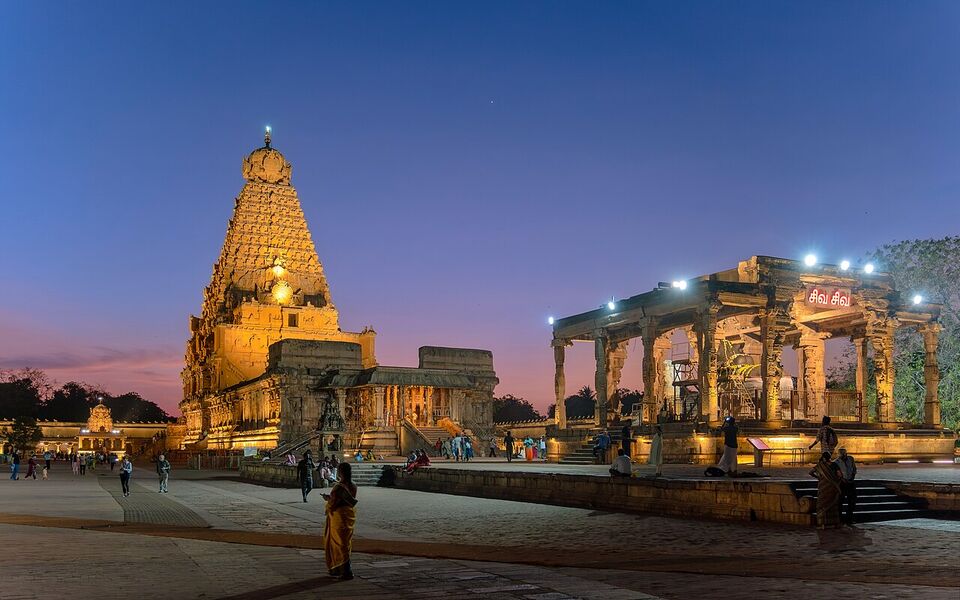
Maha Shivratri, the great night of Shiva, falls on Saturday, March 6, 2027 according to a holiday listing, and it is a regional holiday, not a national one. Devotees fast and keep a night vigil at Shiva temples, and big temples, including those in Varanasi and Tamil Nadu, are busy. Plan around crowds and closures, and follow the dress and shoe rules at each site. See our temples guide.
Eid al-Fitr, around March 10
Ramadan is expected to end and Eid al-Fitr begin around March 10, 2027, depending on the moon sighting, so the date can move by a day. Eid is a holiday in many states, and shops and some businesses in Muslim neighborhoods may close for a day or two. Sightseeing continues, but expect crowds near mosques and busier markets in the days before.
Easter and Holy Week
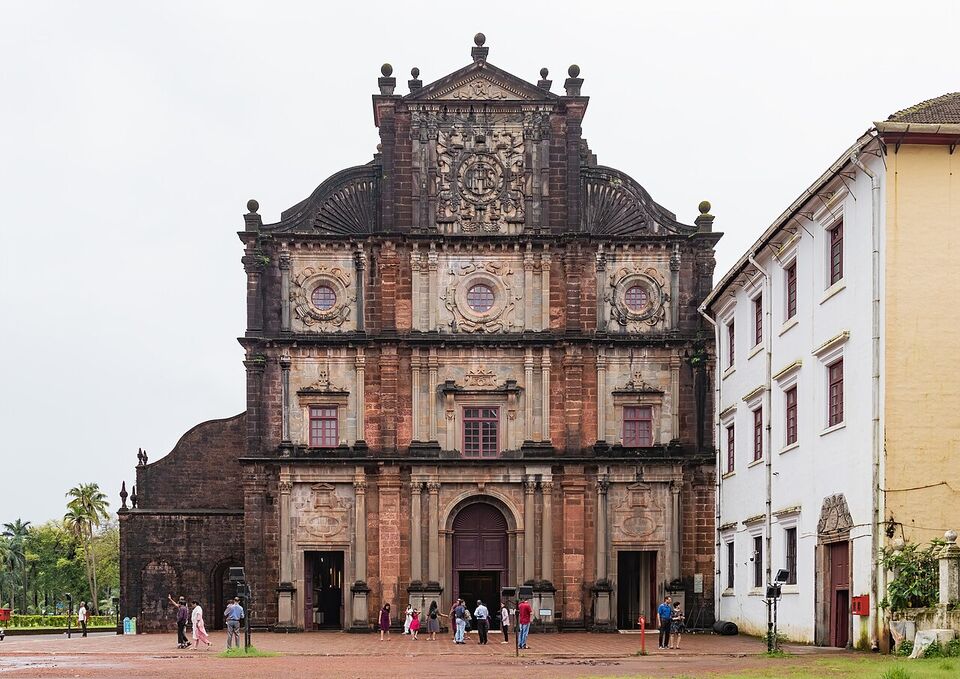
In 2027, Palm Sunday is March 21, Holy Thursday March 25, Good Friday March 26 and Easter Sunday March 28. Goa, Kerala and other areas with large Christian communities hold services and processions, and some shops close on Good Friday. Hotels and beaches in Goa can be busy over the Easter weekend. Visitors are welcome at services if they dress modestly and stay quiet. See the Goa guide and Kerala guide.
Shigmo in Goa
Goa Tourism's festival list shows the Shigmo spring festival in March 2027, and says the dates are tentative. Check goatourism.gov.in for the schedule.
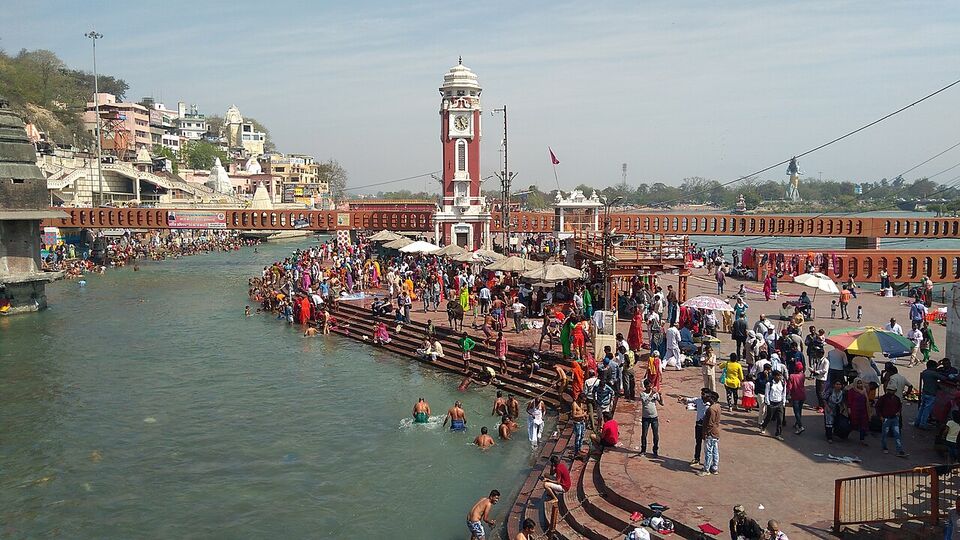
Haridwar Kumbh
A Kumbh Mela (an Ardh, or half, Kumbh) is expected at Haridwar in 2027. News headlines give a season of about January 14 to April 20, and our festivals guide lists March. The main bathing days within the season are set by the Uttarakhand government, and we have not confirmed them, so March may or may not include one. Crowds on those days are very large, and crowd crushes have happened at past Kumbh events. If your route passes through Haridwar or Rishikesh, check kumbh.gov.in and the Uttarakhand government, expect trains, roads and hotels to be full, and avoid the main bathing days unless you plan to join. See our Rishikesh guide.
Crowds, prices and tickets
March is the end of the peak season in the north. Crowds thin after the first two weeks, and hotel prices can ease in Delhi, Agra and Jaipur as the heat arrives, but we have no verified rate figures, so check live prices. Holi, Eid and Easter are exceptions: transport and rooms tighten around them. Many American universities and schools have spring breaks in March, so flights from the US can be busier. The US moves its clocks forward on Sunday, March 14, 2027, so India Standard Time changes from 10 hours 30 minutes ahead of New York to 9 hours 30 minutes ahead. India does not change its clocks.
Foreign visitors pay a higher ticket price at most monuments. The Taj Mahal's foreign ticket is ₹1,100 (about $12), plus an optional ₹200 (about $2) for the main mausoleum, and it is closed on Fridays (tajmahal.gov.in). The official site describes night viewing on five nights around the full moon, in small groups, but we could not confirm it is running. The full moon is on March 22, so check the ASI schedule for those dates. See the Agra guide.
Save money
If your dates are flexible, early March gives the best mix: good weather, lower hotel demand than January and the same ticket prices as in other months. Avoid the Holi and Eid days for transfers, and book trains early because they sell out around the holidays.
Where to go in March
Delhi, Agra and Jaipur
Still comfortable in the first half. Start at dawn and rest at midday. See the Golden Triangle guide.
The hills
Cooler than the plains; some Himachal roads begin to reopen as snow thaws. Check conditions before you go.
Tamil Nadu temples
Rain is over and March is within the best January to March window, though it is hot by midday. See Tamil Nadu.
Kerala hills
The tea hills are cooler than the lowlands, which are hot and humid. See Kerala.
Goa
Still dry and sunny at about 90°F (32°C). Easter and Shigmo bring events. See Goa.
Tiger reserves
Open and warmer. Sightings can improve as water sources shrink, but nothing is guaranteed. See wildlife.
Kashmir and the rest of Jammu and Kashmir are listed under the State Department's Do Not Travel advisory, with the exceptions of Ladakh's eastern region and Leh. Read the advisory at travel.state.gov before planning anything in the region (Level 2: Exercise Increased Caution for India as a whole, as of November 2026). Ladakh itself is still very cold in March, and many routes are closed.
What to pack
Pack for heat in the plains and a jacket for the hills. More on the packing page.
- Light, loose cotton clothing that covers shoulders and knees.
- A hat, sunglasses and high-SPF sunscreen.
- A refillable bottle and oral rehydration salts, with sealed bottled or filtered water.
- Old clothes, a waterproof phone pouch and sunglasses for Holi.
- A light jacket for hill stations and cool evenings.
- An N95 mask for dust and bad-air days.
- Shoes and socks that are easy to remove at temples.
- A plug adapter (230 V, types C, D and M) and a power bank.
A sample 10-day route
This route does the Golden Triangle early in the day and finishes in cooler Kerala hills. Avoid transfers on Holi day. Check current train and flight schedules.
- Days 1-2
Delhi
See two or three sights, early in the day. See Delhi sights.
- Day 3
Agra
The Gatimaan Express is listed at 8:10 a.m. from Hazrat Nizamuddin, arriving 9:50 a.m. at Agra Cantt, not on Fridays (confirm on IRCTC). The Taj is closed Fridays.
- Days 4-5
Jaipur
Amber Fort in the morning and the bazaars in the evening.
- Days 6-8
Munnar
Fly south and spend time in the tea hills, which are cooler than the plains.
- Days 9-10
Kochi
Fort Kochi and the backwaters, with a spare day before your flight home.
Visa, booking and mistakes to avoid
Americans need a visa. Apply only at the official portal, indianvisaonline.gov.in/evisa; look-alike agent sites charge extra. The 30-day e-Visa fee is US$25 for applications made from July to March and US$10 for applications made from April to June, plus a card fee of about 3%; check the fee on the official page. Apply at least 4 days before arrival and up to 120 days ahead. See the entry guide.
- Underestimating the heat. Late March afternoons are hot. Start early and rest at midday.
- Traveling on Holi or Eid day. Transport and shops may stop. Move the day before.
- Taking a phone into Holi without a waterproof pouch.
- Joining a crowded street Holi alone. Choose an organized event or go with people you trust.
- Visiting the Taj Mahal on a Friday. It is closed.
Different from home
Spring in India does not mean cool and wet as it does in much of the US. March is the start of the hot dry season, and the monsoon is still months away. Plan for sun, not rain, and carry water.
Add it to a route in the trip builder, or ask us to plan the hotels, trains and guides for you.