Choosing the type of stay
India has an unusually wide range of places to sleep, from palaces to ashrams to houseboats, and the right choice depends on your route, season and budget. For a first trip, we suggest mixing two or three types: a dependable mid-range hotel in the big cities, and one special stay (a heritage haveli or a houseboat) where the setting is the point.
The price tiers on this page match the rest of the guide: $ is under $120 a night for a double, $$ is $120 to $300 and $$$ is over $300. We do not name or rate individual hotels. Rates change with the season, so use the tiers as a guide only, and check the current price on the hotel's own website or a major booking site.
| Type | Typical tier | Good for | Think about |
|---|---|---|---|
| Heritage haveli or palace hotel | $$ to $$$ | A memorable night in Rajasthan; photography; couples | Steps, thick walls and old plumbing; book ahead; compare cancellation terms |
| Boutique hotel | $ to $$ | Character and good service at a fair price | Check recent reviews and the exact location |
| International and Indian chain | $$ to $$$ | Predictable standards, breakfast, backup power, safe for first-timers | Often far from the old center; can feel generic |
| Homestay | $ | Meeting a family, home cooking, local advice | Shared spaces; house rules; fewer facilities |
| Ashram or yoga retreat | $ to $$ | Yoga, meditation, quiet | Rules on curfew, food and alcohol; basic rooms |
| Houseboat (Kerala backwaters) | $ to $$ | A night on the water; couples and families | Heat, mosquitoes and quality vary; confirm what meals are included |
| Hostel | $ | Solo travelers, budget travel, meeting people | Shared dorms; choose female-only or mixed rooms with care |
Heritage havelis and palace hotels
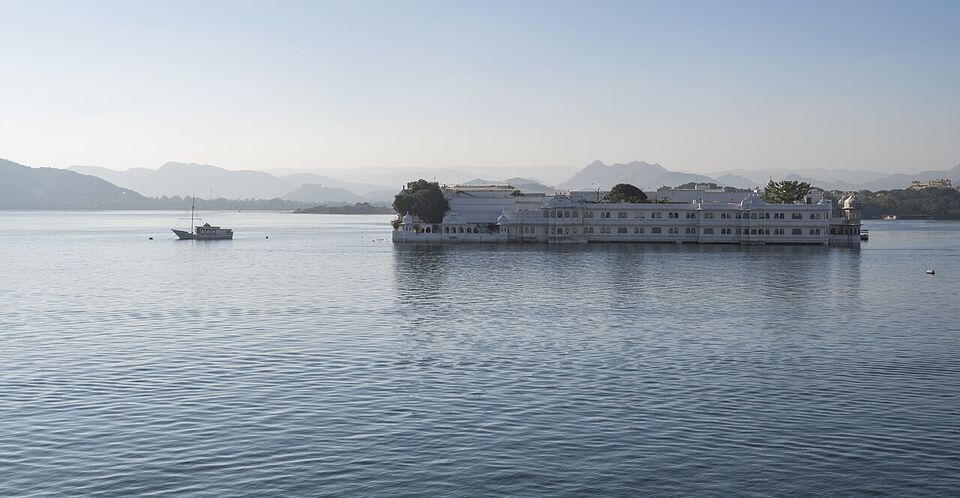
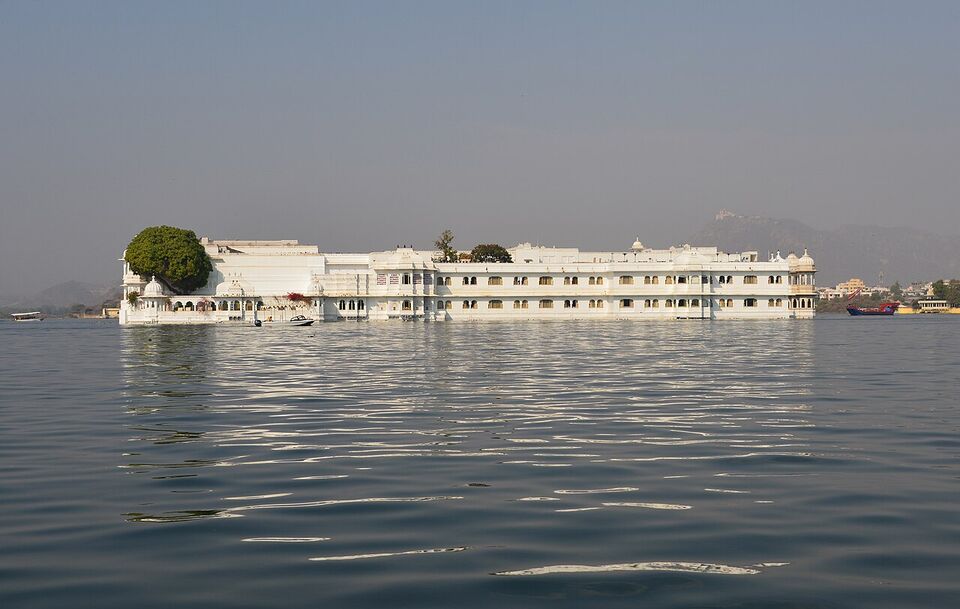
A haveli is a traditional courtyard mansion, and many in Rajasthan have been turned into hotels. Palace hotels are former royal residences and sit at the top of the market. They are often the best reason to stay in Jaipur, Udaipur, Jodhpur and Jaisalmer. See Jaipur guide and Rajasthan guide for the cities.
Rooms can be beautiful but irregular: steep stairs, small windows, thick walls and no lift. Ask for a room on the floor you can manage, and check whether luggage is carried. Peak season, from about December to February, fills early, and popular heritage properties may have strict cancellation terms. We could not confirm general cancellation norms, so read the terms before you pay and prefer a booking you can change.
Insider tip
You do not need to sleep in a palace to see one. Many palace hotels let outside guests visit for a meal or tea, which is cheaper than a night. Call ahead to confirm the policy and the dress rules.
Boutique hotels, chains and business hotels
For most readers, a boutique or chain hotel is the easiest start. Standards such as air-conditioning, a safe, hot water, breakfast and generator backup are more reliable, and staff can arrange cars, tickets and tours. Chains are good for arrivals after a long flight, for first-time visitors and for travelers who want a quiet place to rest between busy days.
Ask three questions before you book: how far is it from the sights, how noisy is the street, and is breakfast included? A cheap hotel in a congested market area may mean a long ride each day. See Delhi guide for a comparison of Delhi areas.
Homestays, ashrams, houseboats and hostels
Homestays
A homestay is a room in a family home or a small guesthouse run by the owner. It is a good way to learn about everyday life, eat home-cooked food and get advice. Use a platform or listing with recent reviews, check the location on a map and message the host about arrival, check-in and meals.
Ashrams and retreats
An ashram is a spiritual retreat, and many in Rishikesh offer yoga and meditation with simple rooms. Rules are part of the stay: Rishikesh itself is a vegetarian-only, alcohol-free city, and the sale of meat, fish and eggs has been banned since 1956 (see Rishikesh guide and yoga and Ayurveda guide). Ask about curfews, dress, silence and whether visitors can come and go. Respect the rules as you would any house rules.
Houseboats
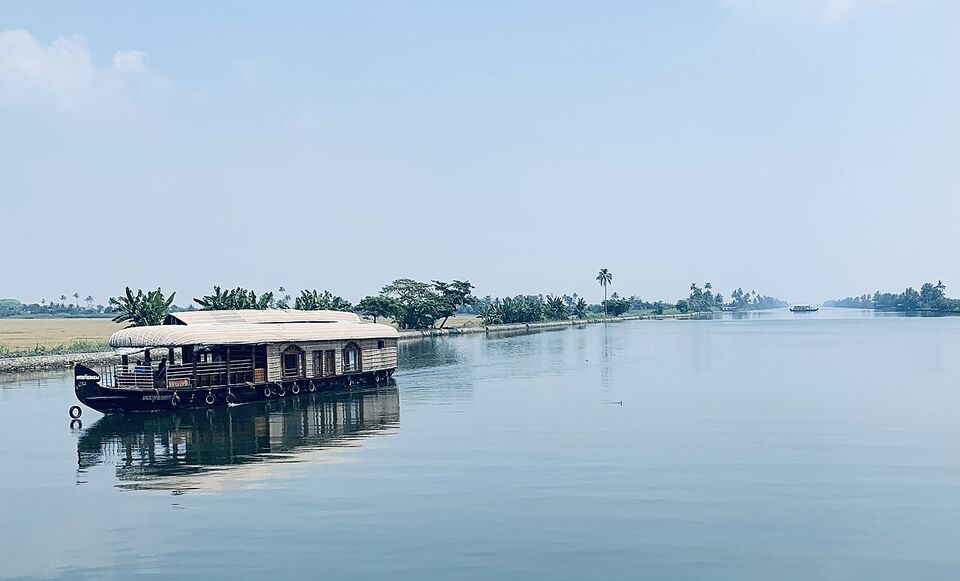
The Kerala backwaters near Alappuzha have kettuvallam-style houseboats, a rice barge turned into a floating room, and they range from simple to luxurious. A night on the water is a highlight for many visitors. Confirm the route, the meals, whether air-conditioning runs all night (it may be limited by the boat's power), and what happens in bad weather. See Kerala guide.
Hostels
Hostels are found in big cities, backpacker areas, Goa and hill towns. They suit solo travelers who want company and low prices. Read recent reviews on safety, lockers and noise, and prefer well-run places with 24-hour reception.
How to choose a neighborhood
In India, the neighborhood decides your day. Traffic is slow, so a hotel 4 miles (6 km) from the sights can mean an hour each way. The notes below are general: they name areas by character, not as hotel recommendations.
Delhi
Central Delhi around Connaught Place is close to the metro and the New Delhi station. Quieter leafy areas to the south have embassies, restaurants and calm streets. The budget area near New Delhi station is noisy and best avoided on a first trip if you want to sleep. Old Delhi is fascinating by day but congested at night. Stay near a metro line. See Delhi guide.
Jaipur
Staying inside or beside the old Pink City puts you near the City Palace and bazaars but with noise and traffic. The newer residential districts to the south are quieter and have more restaurants. Amber Fort is out of town, so factor in the drive. See Jaipur guide.
Mumbai
The south (Colaba and the Fort area) has the Gateway of India, museums and walkable colonial streets. The suburbs such as Bandra have cafes and nightlife but are far from the south. The main airport is in the north, so check the transfer time. See Mumbai guide.
Agra
Hotels near the Taj Mahal's gates are convenient for sunrise but may be in crowded lanes. Larger hotels are further out with parking and restaurants. See Agra guide.
Varanasi
Staying near the ghats lets you walk to the river at dawn, but lanes are narrow, steep and unlit, and cars cannot reach. Hotels outside the old city are easier but farther. See Varanasi guide.
Goa and Kerala
In Goa, north beaches are busier and the south is quieter. In Kerala, choose Kochi's old area for heritage, and Alappuzha for backwaters. See Goa guide and Kerala guide.
Booking sites, reviews and cancellation
Major booking sites list most hotels in India, and many hotels also take bookings on their own site, sometimes at a similar price with a better cancellation policy. Compare both before you commit. Do not pay by wire or send card details by email or messaging app. Be wary of a "special price" offered by a driver or tout.
How to read reviews
- Sort by most recent and read the last six months.
- Look for details on noise, cleanliness, hot water, Wi-Fi and the exact walk from the road to the hotel.
- Photos from guests matter more than hotel photos.
- A few complaints about one room matter less than a pattern.
- Check that the location pin and the address match; some places have similar names.
Rates change with the season: peak weeks from December to February are the most expensive and sell out first, and the summer heat and monsoon months can be cheaper. See when to go and festivals guide, because festival weeks also raise rates and fill rooms.
Save money
Book flexible rates for the first few nights, then extend once you see the room. Ask the hotel for a direct-booking discount, and check whether breakfast, airport pick-up or a late checkout is included. Always ask whether the quoted price includes taxes.
Check-in, ID and Form C
When you check in, the hotel will ask for your passport and visa. This is because hotels must record foreign guests and report them to the authorities. The Bureau of Immigration site lists a "Form C" registration page for this purpose (see the Bureau of Immigration site at boi.gov.in). We could not confirm the details of how it works for each type of visa, so expect the hotel to scan or photograph your passport and visa and to ask where you are coming from and going to.
- Carry your passport and a printed or saved copy of your e-Visa. See entry and e-Visa guide.
- Do not leave your passport with a hotel desk overnight unless you must. Ask for it back after copying.
- If a guesthouse says it does not need ID, treat that as a red flag: legitimate hotels follow the rules.
- Keep the receipt and the room tax breakdown.
The tax on hotel rooms (GST, the goods and services tax) is added to the rate, and the percentage depends on the room price. We could not confirm the current rates, so read the final bill and ask whether the posted price includes tax. Some cities or states may add small local charges. See money guide for how prices and taxes appear on bills.
Hot water, power cuts, lifts and beds
Small facilities can matter as much as the room itself. Ask about these before you book, especially in budget places and heritage buildings.
- Hot water. Many hotels use a geyser (a water heater) that you switch on a while before use. In winter, cold mornings in the north make a working heater valuable.
- Power cuts. Larger hotels have generators. Smaller ones use an inverter that may not run the air-conditioning. Ask whether the AC works during a power cut, and bring a power bank.
- Lifts. Many old buildings do not have lifts, or have small ones. Ask what floor your room is on and whether staff carry bags.
- Beds. Mattresses are often firmer than in the US. Beds in heritage rooms can be low or hard. A twin or double bed may be two singles pushed together.
- Plugs. India uses 230 V, 50 Hz, with Type C, D and M sockets, and some hotels have universal sockets. US plugs do not fit, so bring an adapter. Most phone and laptop chargers are dual-voltage, but check the label.
- Noise. Weddings, festivals and traffic can be loud. Ask for a quiet room away from the road. Earplugs help.
Safety, solo women and avoiding commission hotels
Most hotels are safe, but a few simple steps help. Pick a hotel with 24-hour reception and good reviews from other solo travelers, lock the door when you are in the room, and use the room safe or keep valuables with you. Keep the hotel's name and address written on paper in English and Hindi for taxi and auto drivers.
Women traveling alone often prefer a hotel in a busy, well-lit area that offers a car pick-up. Ask for a room that is not on the ground floor and has a working lock, and use ride apps or registered taxis at night. Read advice for women travelers and safety guide for practical advice.
The "your hotel is closed" story
The most common trick is a driver or tout who says that your hotel is closed, flooded, full or "has a problem", and offers to take you to another one. He gets a commission, added to your rate. The story is not true. Do this instead:
- Book and confirm in advance, and keep the hotel's phone number.
- Tell the driver the name and address when you get in the car, and ask him to follow your phone's map.
- If he says it is closed, call the hotel yourself on speaker.
- Refuse stops on the way. Do not agree to "just look" at another place.
See scams guide and getting around India for more.
Seasons, rates and when to book
Hotel rates follow the tourist season. In the north, the cool months from about November to February are the busiest, and December and January are the peak, when rooms in Delhi, Agra, Jaipur and Udaipur sell out and prices rise. Goa and Kerala are also busy in the dry months around Christmas and New Year. In the hot months from April to June, and in the monsoon from June to September, rates in many places drop. See November guide, December guide and January guide for what each month is like.
We suggest booking heritage hotels and any stay you care about three to six months ahead for winter, and mid-range hotels at least a month ahead. Fixed dates such as Republic Day (January 26) and the weeks around big festivals can fill rooms in cities that host events. For Republic Day 2027, expect security closures in central Delhi. If your plans might change, choose a rate with free cancellation and read its deadline.
One-night stops, airports and late arrivals
Many international flights land late at night or very early in the morning. A hotel near the airport for the first night makes the first day easier, and a hotel that can arrange an airport pick-up with your name on a sign takes away the first test of the trip. Tell the hotel your flight number so it can track a delay. Ask what happens if you arrive after midnight: some hotels keep a night desk, and others lock the door.
For a long trip between cities, an overnight train can replace a hotel night (see our trains guide), but be sure you have a confirmed berth. For a very early flight home, a room at or near the airport for the last night avoids the risk of fog and traffic.
Families, older travelers and accessibility
Families usually do well in a chain or boutique hotel with two connecting rooms or a family room, a pool and a restaurant that serves familiar dishes. Ask about the extra-bed policy and whether children are charged. Homestays can be wonderful with children, but check the stairs, the bathroom and the house rules. See families guide for more.
Accessibility in India is uneven. Newer chain hotels often have lifts and step-free routes. Heritage buildings and small guesthouses may have steps, narrow doors and no lift. If you use a wheelchair or walk with difficulty, write to the hotel before you book, ask for photos of the entrance and the bathroom, and get the answer in writing.
Mistakes to avoid
- Booking by price alone and ending up far from the sights.
- Not checking the lift, stairs and room floor in a heritage building.
- Paying a large deposit by transfer to an unknown account.
- Accepting a driver's hotel suggestion.
- Arriving without a printed address or phone number.
- Not asking whether taxes are in the price.
Add it to a route in the trip builder, or ask us to plan the hotels, trains and guides for you.