How to use this page
South Korea packs a lot into a small country, and the right plan depends on what you like to do. This page works as a hub: find your interest below, read the three to five suggestions, and follow the link to the page with the detail. We keep the reasons short, and each link goes to a page with prices, hours and how to get there.
If you are still deciding when to go and how long to stay, start with Plan Your Trip to South Korea and When to Go to South Korea, and then come back here to choose what goes in. The map of regions is on South Korea's Destinations. A quick table matching interests to regions comes after the sections, and a short guide on mixing interests in one plan closes the page.
First-timers
A first trip works best when it is simple: one big city, one contrasting region and a few days of slack. Seoul is the natural base, because it has palaces, food, shopping and fast trains to everywhere else.
- Seoul is the base for four or five nights, with the best mix of old and new.
- Things to Do in Seoul lists the palaces, markets and viewpoints that fit a first visit.
- Entry Rules for Americans (K-ETA) covers the passport and arrival steps before you fly.
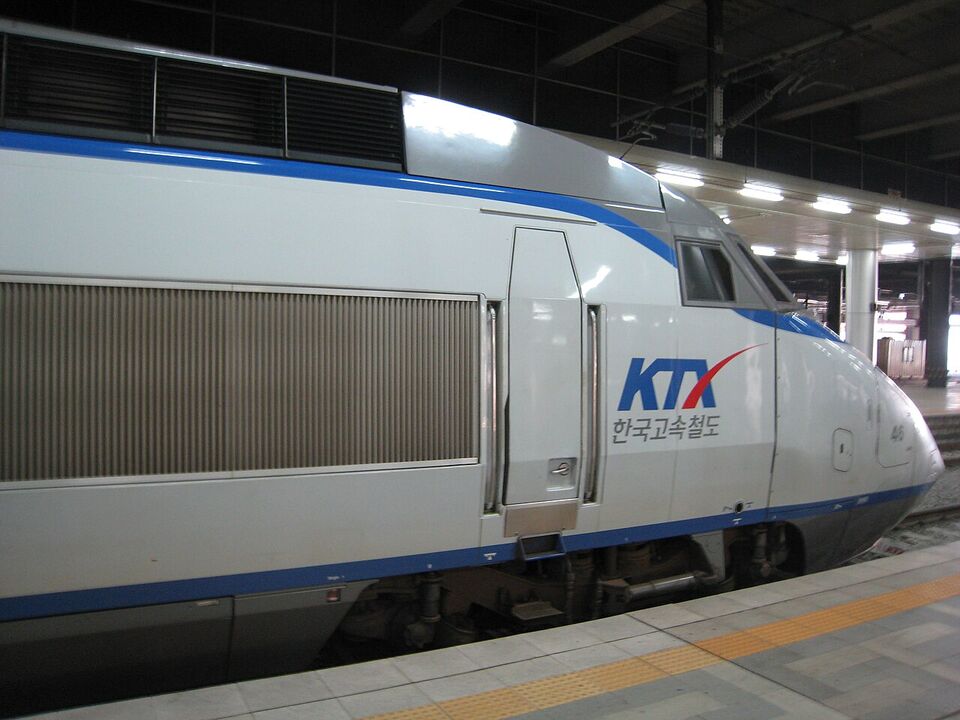
- KTX, Buses and Subways explains the transit cards and trains you will use every day.
- Phones, Wi-Fi and Apps helps you set up maps, translation and payments before you land.
The most common first-trip mistake is trying to cover too much. Seoul alone can fill a week, and the trains are fast enough that a second region adds variety without a long transfer. Allow a day to recover from the flight, and book the first night's hotel near a subway line rather than in a quiet area far from transit.
Foodies
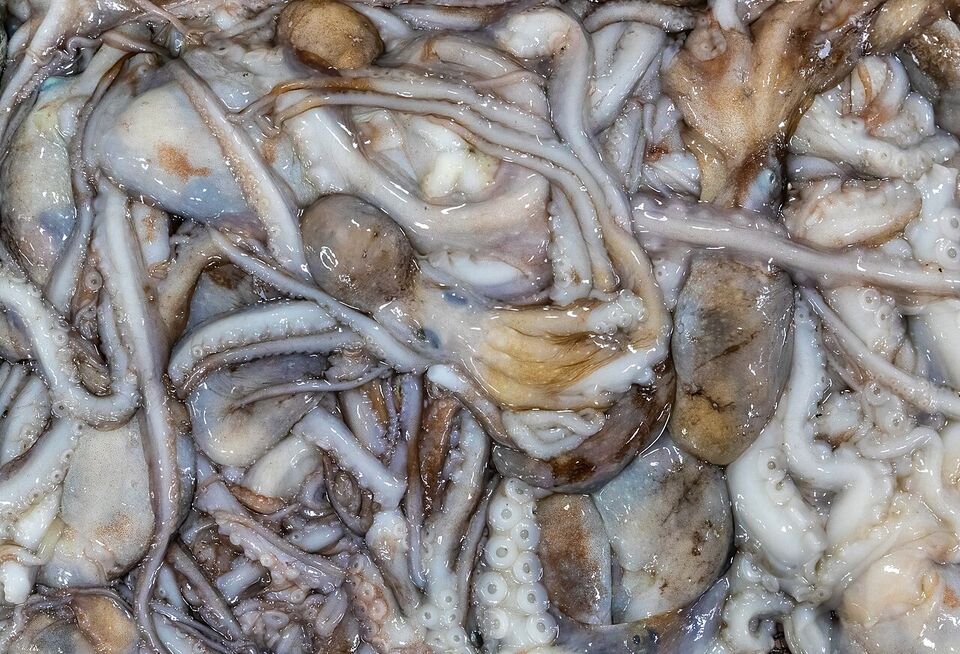
Korean food is a reason to come by itself, and eating well does not require a big budget. Learn a few dishes, take a market tour, and try one regional specialty.
- Korean Food is the guide to dishes, ordering and what to try first.
- Where to Eat in Seoul covers the markets, barbecue streets and neighborhoods worth the trip.
- Soju, Makgeolli and Cafes explains the drinking culture and the cafe scene.
- Jeonju is the city best known for bibimbap (rice bowl with vegetables) and a hanok village.
- Busan is the place for fresh seafood and the Jagalchi fish market.
Food shapes the day in Korea, so plan around meals, not just sights. Try a market breakfast, a barbecue dinner and a late snack from a street stall. Cards are widely accepted, but carry a little cash for markets and food stalls. Check each page for how to order, how to handle spice, and what to ask when you have allergies.
History and culture
Korea has five-century-old palaces, UNESCO temples and villages that still hold traditional rituals. Spread these over several stops, because the best sites are far apart.
- Things to Do in Seoul includes Gyeongbokgung, Changdeokgung and the other royal palaces.
- Gyeongju was the capital of the Silla kingdom, and its temples and royal tombs are among the best-known heritage sites in the country.
- Andong and Hahoe is the choice for a traditional village that is still lived in, and for mask-dance culture.
- Day Trips from Seoul covers Suwon Hwaseong, the fortress city, and the folk villages near the capital.
- DMZ Tours explains the border area calmly and factually. Ordinary tourist tours to the JSA have not run since 2023, so ask a licensed DMZ tour operator what is open.
Hours and closed days at palaces and museums change, and some sites close one weekday, so check the official page for the day you plan to go. Seoul's palaces cost a few dollars each, and a guided walk or an audio guide makes the visit richer. Pair one palace morning with a modern afternoon to keep the pace varied.
K-culture fans
If K-pop, K-drama, K-beauty or film brought you here, a few neighborhoods and festivals will make the trip.
- K-pop and K-drama covers concerts, filming locations and how to get tickets.
- Seoul Neighborhoods explains Hongdae, Gangnam, Seongsu and Itaewon, each with a different character.
- Shopping and K-Beauty shows where to shop and how tax-free shopping works.
- Festivals and Holidays lists events such as the Busan International Film Festival, which ran October 6-15 in 2026.
- Korean Phrases helps you read signs and order, and Hangul can be learned in an afternoon.
K-culture is easy to enjoy without a ticket: visit the cafes, shops and street scenes in Hongdae and Seongsu, browse a K-beauty store, or follow a filming location from a favorite drama. For concerts and fan events, tickets and schedules change quickly, so use the official sellers named on the K-culture page and watch for fake sites. Hotels near big venues fill up early, and record visitor numbers mean booking sooner is wise.
Hikers and nature lovers
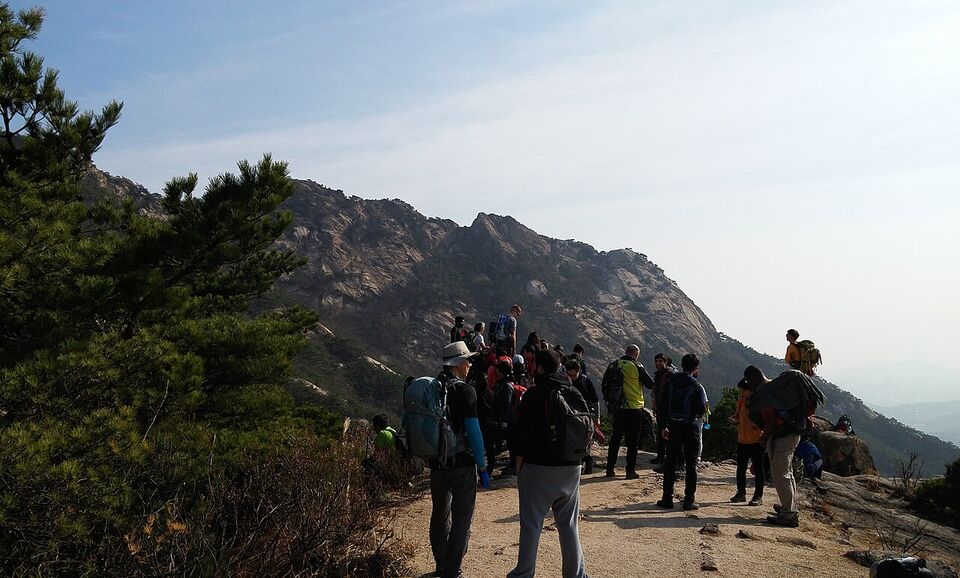
Hiking is a national pastime, with trails marked and busy on weekends. Mountains close at times for weather, fire prevention or repairs, so check the national park site before you set out.
- Hiking in South Korea is the overview of trails, gear and etiquette.
- Sokcho and Seoraksan is the dramatic granite park on the east coast, and a favorite in fall.
- Jeju Island has Hallasan (6,388 ft or 1,947 m), a volcanic crater and a lava coast. Some summit trails use advance reservations, so check before you plan.
- Yeosu, Suncheon and Tongyeong offers a wetland bay, islands and sea views at an easier pace.
- Cherry Blossoms and Fall Colors tells you when the mountains and rivers look their best.
Bring proper shoes, water and a rain layer, even for a short walk, and start early because trails get busy and daylight is short in winter. Weather and rockfall repairs can close sections, as happened on Hallasan's Gwaneumsa summit section in 2026, which reopened on September 24, 2026 with advance reservations. Treat any trail rule as something to confirm at the park's site the week you go.
Temple and wellness seekers
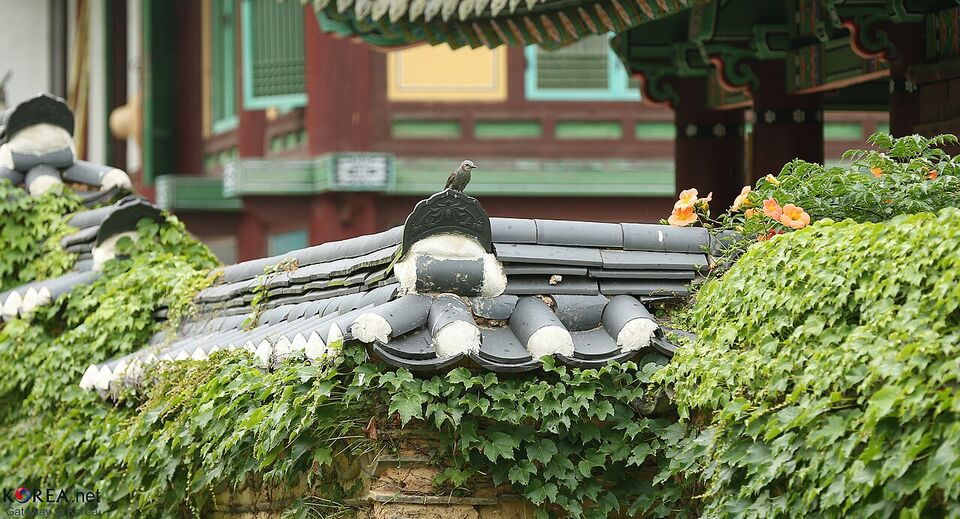
Buddhist temples are active places of worship as well as sights. A temple stay is a good way to slow down, and a bathhouse day is a very Korean way to relax.
- Temples and Temple Stays explains how to book a stay, which usually costs about ₩70,000-100,000 (about $53-$75) a night at eng.templestay.com.
- Gyeongju has Bulguksa and Seokguram, two of the best-known temple sites.
- Korean Etiquette covers temple manners and how to behave in a bathhouse.
- Health and Medical Care helps with pharmacies, clinics and what to bring.
Temples ask for quiet and modest dress, and some programs have set hours and rules. Booking a temple stay in advance is wise, since popular temples fill up. A jjimjilbang (public bathhouse and sauna) is the other classic wellness stop, and it is a relaxed place to end a day of walking. Read the etiquette page before your first visit so you know what to expect.
Families
South Korea is easy with kids, with theme parks, aquariums and short walks, and subways that work with a stroller. Plan a slower pace than you would for adults.
- Families has the guide by age, with stroller tips, baby facilities and food.
- Jeju Island suits a family beach and nature trip.
- Busan combines beaches and an aquarium in a city that is easy to get around.
- Where to Stay in South Korea covers family rooms, hanok and heated floors.
With kids, the best plan is a few well-chosen anchors per day and plenty of rest. Summer is hot and humid, so many families prefer spring and fall. The families page also explains jet lag, car seats in taxis, heated floors and how to handle spicy food.
Skiers and winter travelers
Winter brings snow in Gangwon, with ski resorts a couple of hours from Seoul, and festivals on frozen rivers. The slopes are shorter than in the Rockies, but lights and heated lodges make a good weekend.
- Skiing and Winter in South Korea compares resorts and explains getting there and snow conditions.
- Gangneung and the East Coast is a coastal base near the Olympic area.
- South Korea in January and South Korea in December cover weather, events and what to pack.
- South Korea Packing List has the cold-weather layers.
The season runs from about December to March (some resorts into early April), with resorts opening between late November and mid-December depending on snow, and much of the snow is made by machines. Book lodging early for weekends and for Seollal week, and plan transfers by KTX and shuttle if you do not want to drive.
Couples
For couples, think views, quiet evenings and a few special stays rather than a long checklist.
- Seoul has night views from Namsan and palace evenings.
- Jeju Island has coast drives, cafes and sunrise at a volcanic crater.
- Yeosu, Suncheon and Tongyeong is known for sea views and evening walks.
- Jeonju offers a hanok stay and good food in a walkable village.
- Where to Stay in South Korea explains hanok rooms and the tiers of hotels.
Choose fewer, better stays: a hanok night in Seoul or Jeonju, a sea-view room on the coast, and an evening walk or night view in each place. A couple's trip also benefits from slack in the schedule, so leave a morning free for a late breakfast and a walk.
Photographers
Korea has plenty of strong scenes, and mornings are the best time at the busy places. Respect the rules in residential areas: in the Bukchon hanok village, for example, tourists may enter the quietest alleys only from 10 a.m. to 5 p.m.
- Seoul Neighborhoods gives you hanok rooftops, markets and neon streets.
- Gyeongju has temple stairs, royal tombs and a lit pond at night.
- Busan offers the hillside houses of Gamcheon and the coast.
- Sokcho and Seoraksan is the best fall color location.
- Cherry Blossoms and Fall Colors helps time your shots.
Light, weather and crowds matter more than gear. Go early to palaces and temples, check the sunrise time for coastal viewpoints, and use a telephoto for mountain scenes. Drones have rules in Korea that we could not confirm, so check with the authorities before you fly one, and ask permission before photographing people, especially in temples and residential lanes.
Budget travelers
South Korea is not a cheap destination, but the best things are often low cost. Palaces cost a few dollars, markets and street food are inexpensive, and the transit system is cheap.
- South Korea Trip Budget Calculator helps you set a daily number.
- Money in South Korea covers cards, cash and tax-free shopping. Tipping is not customary.
- Things to Do in Seoul includes free sights. Gyeongbokgung is ₩3,000 (about $2.50) and free in hanbok, and Changgyeonggung is ₩1,000 (about $1).
- KTX, Buses and Subways compares trains and buses, and explains a transit card.
The biggest savings come from timing and choices: travel in shoulder seasons, stay near a subway line, eat where locals eat and use a transit card. Admission fees at palaces have not changed since 2005, and the government has been weighing a first increase, so check the current price before you go. The money and budget pages explain how to plan a daily number.
Solo travelers
Korea is comfortable on your own. Transit is simple, crime is low, and cafes and many restaurants cater to solo diners, though some barbecue places prefer two people.
- Safety in South Korea gives the State Department level (Level 1: Exercise Normal Precautions, as of November 2026) and emergency numbers.
- Seoul Neighborhoods helps you pick a base with transit and food nearby.
- Korean Etiquette helps you feel at ease.
- Phones, Wi-Fi and Apps explains how to get online and use map apps.
Share your plans with someone at home, keep the embassy number handy (+82-2-397-4114 in an emergency) and know that 112 is the police and 119 is fire and ambulance, with the 1330 Korea Travel Helpline in English. Many solo travelers enjoy bathhouses, cafes and guided day tours that handle the logistics.
Interests matched to regions
| Interest | Best regions | Guide |
|---|---|---|
| First visit | Seoul, plus one more region | Plan Your Trip |
| Food | Seoul, Jeonju, Busan | Korean Food |
| History | Seoul, Gyeongju, Andong | Gyeongju |
| K-culture | Seoul (Hongdae, Gangnam, Seongsu) | K-pop and K-drama |
| Hiking | Sokcho and Seoraksan, Jeju | Hiking |
| Temples | Gyeongju, Seoul, templestay sites | Temples |
| Families | Seoul, Busan, Jeju | Families |
| Skiing | Pyeongchang and Gangwon | Skiing |
| Beaches | Busan, Gangneung, Jeju | Busan |
| Quiet and scenic | South coast, Andong, Jeju | South Coast |
Seasons, cruises, long stays and pets
A few topics cut across every interest. For seasonal timing, see Cherry Blossoms and Fall Colors for blossoms and fall color, and When to Go to South Korea for the year. If you are thinking of cruising to Korea, read Cruises. For stays beyond 90 days, which need a visa or a stay permit, see Long Stays and Visas, and if you are bringing a pet, Traveling to South Korea with a Pet covers the quarantine rules. A side trip to Japan is covered on Japan and Beyond.
Mixing interests in one plan
Most trips improve when each stop has a theme. A simple method works in four steps.
- Choose a base. For most trips it is Seoul, which can host day trips on the KTX and subway.
- Pick one overnight region. Match it to your top interest, such as Sokcho for hiking, Gyeongju for history or Jeju for nature.
- Add one or two day trips. Keep each to one theme, and avoid trying to see everything in a day.
- Leave a free half day. It gives you room for weather, rest and the surprises that make trips memorable.
Three sample combinations
- Culture and food, 8 nights. Five nights in Seoul for palaces, markets and neighborhoods, then two in Gyeongju for temples and tombs, and a night in Busan for seafood. Use the KTX between them.
- Nature and family, 9 nights. Three nights in Seoul, two near Seoraksan for easy walks, and four on Jeju for beaches and a short crater climb. Keep to two activities a day.
- K-culture and city, 6 nights. Six nights in Seoul with Hongdae, Seongsu and Gangnam, a day trip to Suwon Hwaseong and a free evening for a concert or a bathhouse.
For flights and the long-haul plan, see Flights to South Korea, and check the holiday calendar on Festivals and Holidays, since Seollal (February 6-8, 2027) and Chuseok (September 14-16, 2027) mean crowded trains and closures.
US citizens are exempt from K-ETA through December 31, 2026. For travel from January 1, 2027, check k-eta.go.kr before you book. For the full plan, use Trip Builder.
Add it to a route in the trip builder, or ask us to plan the hotels, trains and guides for you.