The short list
The best things to do in Seoul are the royal palaces, the old hanok lanes, a couple of museums, Namsan and the Han River. Most are cheap or free. This guide groups them by area, so you can pair sights that sit near each other and avoid crossing the city twice in a day. For the bigger plan, see our Seoul city guide; for where to sleep, see Seoul neighborhoods.
All prices below are in Korean won with dollars at about US$1 = ₩1,330. Hours, closed days and booking rules change, so we send you to the official site for each one. The main source for palaces and royal tombs is the Royal Palaces and Tombs Center at royal.khs.go.kr, which belongs to the Korea Heritage Service.
What to book and what is free
Use this table to decide what needs planning. "Check" means we could not confirm a current price or rule, so look at the official site before you go.
| Sight | Cost | Book ahead? | Notes |
|---|---|---|---|
| Gyeongbokgung | ₩3,000 (about $2.50) | No | Free in hanbok; usually closed Tuesday; check |
| Changdeokgung | ₩3,000 (about $2.50) | Yes for Secret Garden | Usually closed Monday; some areas guided only |
| Changgyeonggung | ₩1,000 (about $1) | No | Next to Changdeokgung; check closed day |
| Deoksugung | ₩1,000 (about $1) | No | Beside City Hall; check hours |
| Jongmyo Shrine | ₩1,000 (about $1) | Check | Entry may be by timed guided tour on many days |
| Bukchon hanok lanes | Free | No | Tourists 10 a.m. to 5 p.m. in red zones |
| N Seoul Tower | Lower levels free; observation decks ticketed | Check | Check price and hours at seoultower.co.kr |
| Seoul Sky (Lotte World Tower) | Ticketed; check price | Book online to skip lines | Open to 10 p.m. or 11 p.m. |
| Cheonggyecheon | Free | No | Walk from Cheonggye Plaza east |
| Han River parks | Free | No | Subway stops at several parks |
| National Museum of Korea | Check; permanent galleries have been free | No | Confirm at museum.go.kr |
| War Memorial of Korea | Check | No | Confirm on its official site |
The Palace Integrated Ticket, a combined pass that has been sold for several palaces, is not something we could confirm for 2026. Ask at the ticket booth whether one is on sale, and check royal.khs.go.kr.
The grand palaces
Seoul has five royal palaces. Two are the main reasons to visit, and the rest are shorter stops. All sit in the old city center, close to each other.
Gyeongbokgung
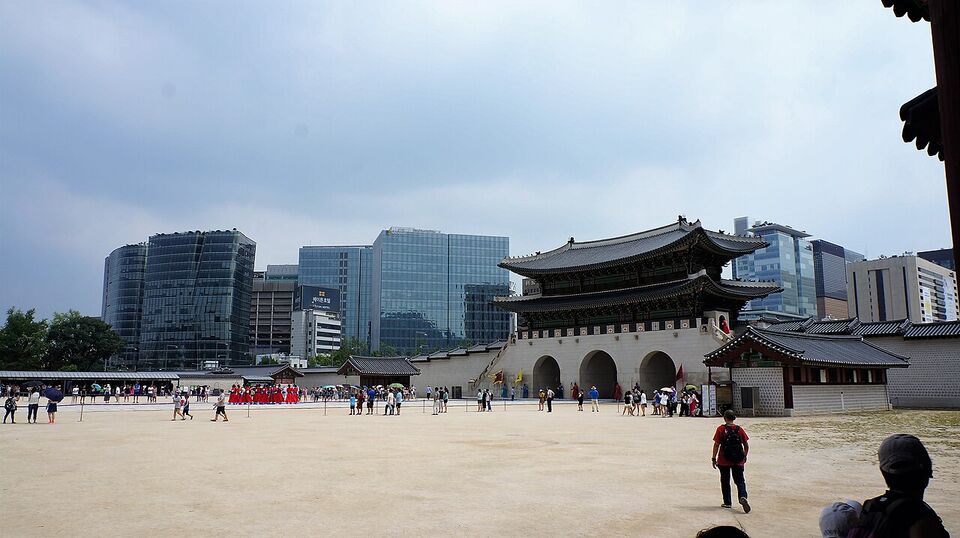
Gyeongbokgung ("palace of great blessings") is the largest and best known. It was the main palace of the Joseon dynasty, and you enter through Gwanghwamun, the south gate. Allow two to three hours. The throne hall, Geunjeongjeon, and the pavilion over a lotus pond, Gyeonghoeru, are the highlights. Some areas of the palace grounds hold museums, and one of them, the National Folk Museum of Korea, has been reported as set to move out of its building, so do not count on it. The palace is open at night for part of the year; check dates and ticketing at royal.khs.go.kr.
Admission is ₩3,000 (about $2.50) and the fee has not changed since 2005. The government has said it is weighing a first increase. Gyeongbokgung station on Line 3 is at the gate. The palace usually closes on Tuesday, but confirm before you go.
Changdeokgung and the Secret Garden
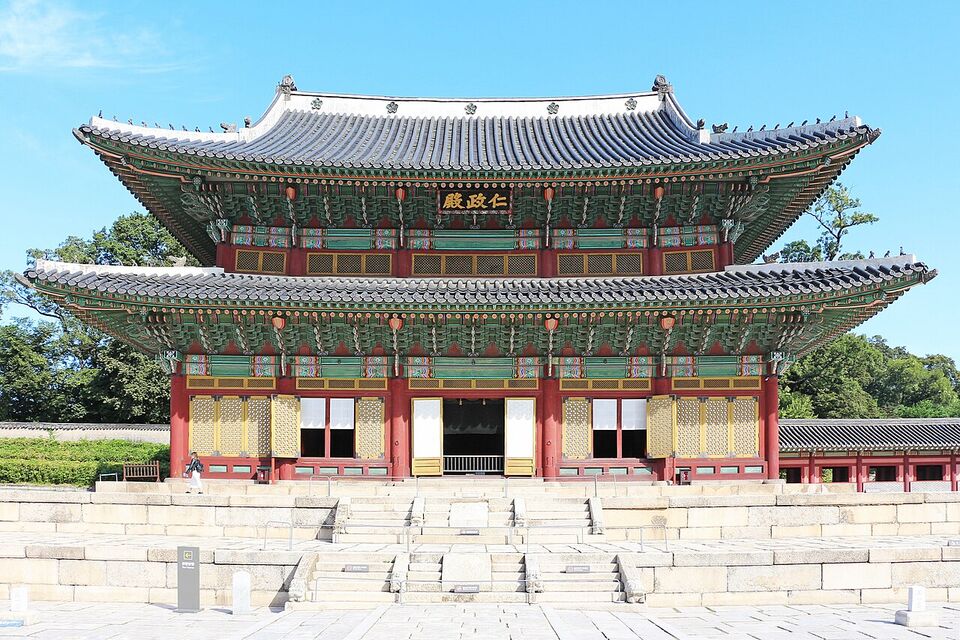
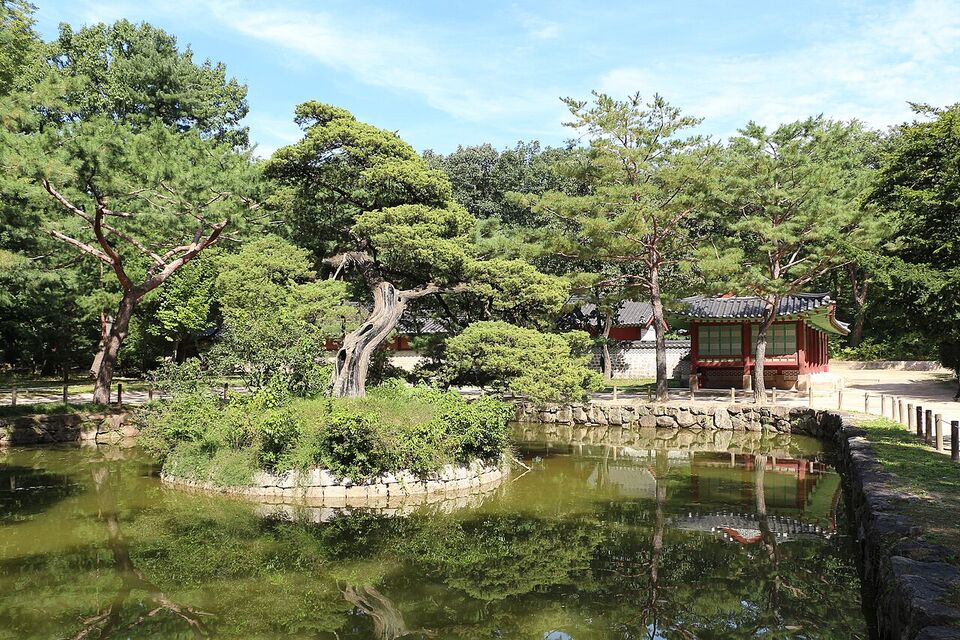
Changdeokgung ("palace of prospering virtue") is a UNESCO World Heritage Site and feels more like a garden than a fortress, because its halls follow the slope of the hill. It cost ₩3,000 (about $2.50) to enter. The Secret Garden (Huwon), where the kings once relaxed, is only available with a reservation and a guided walk, and some pavilions are tour-only. Book online through the official palace site. The garden fee is something we could not confirm, so check when you book.
Changdeokgung usually closes on Monday. Anguk station on Line 3 is the nearest stop.
Changgyeonggung, Deoksugung and Jongmyo
Changgyeonggung sits next to Changdeokgung, costs ₩1,000 (about $1) and is quieter. Deoksugung, in front of City Hall, mixes Korean halls and early 20th-century Western buildings and is an easy stop that costs ₩1,000 (about $1) as well. Jongmyo Shrine, a UNESCO site, is the royal ancestral shrine and also costs ₩1,000 (about $1). Access may be by timed guided tour on many days, so check the schedule at royal.khs.go.kr before you aim for it.
Insider tip
A transit card works at the ticket gates of Seoul's four main palaces (not Gyeonghuigung). If you tap in, you avoid carrying cash. Even so, bring your passport in case you need to confirm eligibility for any discount.
Hanbok rental and free entry
Visitors wearing hanbok enter Gyeongbokgung free of charge, a rule that has been in place since 2013. Rental shops sit near Gyeongbokgung and Anguk stations and rent by the hour. Compare what each price includes (hair accessories, a bag, shoes) and the return time before you pay. Free entry is confirmed for Gyeongbokgung only; confirm the rule for each other palace at royal.khs.go.kr. Some areas inside the palaces are guided-only, so stay on the open paths and follow staff directions.
Bukchon and the hanok areas
Bukchon ("north village") lies between Gyeongbokgung and Changdeokgung and is a neighborhood of hanok, traditional Korean houses with tiled roofs. People live in these houses, and the area has had trouble with crowds, so the rules are strict. Tourists can enter the "red zones" only from 10 a.m. to 5 p.m. Guests of local guesthouses are excepted. Staff called Bukchon Guardians walk the lanes in the late afternoon and ask visitors to leave. A ban on unauthorized buses with more than 16 seats on a 2.3 km (1.4 mile) stretch became permanent in February 2026, with a fine of ₩300,000 (about $225) for the bus operator. No tourist fine is stated.
Walk in a small group, speak quietly, stay out of gates and courtyards, and do not block doors for a photo. The area is steep, so wear comfortable shoes. To combine Bukchon with other sights, start at Anguk station, walk up through the lanes and finish in Samcheong-dong or Insadong. Other hanok areas worth a stop include Ikseon-dong, a small cluster of renovated houses turned into cafes, and Seochon, west of Gyeongbokgung, which is quieter. Read more in our neighborhoods guide.
Watch out
Bukchon's red-zone rule means a sunset visit is not possible for non-guests. Arrive in the morning or by early afternoon, and leave by 5 p.m. If you plan a hanok stay, ask your guesthouse about access.
Namsan and N Seoul Tower
Namsan is the hill in the center of Seoul, and N Seoul Tower stands on top. The tower is listed at 915 ft (279 m) including its antenna spire, and the observation levels give a wide view over the city. The lower levels (B1 to T2) are free. Tickets for the upper observation levels (T3 to T7) are sold on site or online, with 30% off for children 3 to 12 and for adults over 65, and free entry for under-3s. We could not confirm the current price or hours, so check seoultower.co.kr.
You can walk up from Myeongdong or take the cable car. Evenings are popular for the city lights, and weekends are crowded. For a quieter outing, go on a weekday and walk down the trails through the trees.
Cheonggyecheon and the Dongdaemun area
Cheonggyecheon is a stream about 10.9 km (6.8 miles) long that was covered by concrete for many years and reopened in 2005 after an urban restoration. The central stretch is a sunken walkway with bridges, and it is free. Start at Cheonggye Plaza and walk east. The Seoul Lantern Festival began along the stream and has been held at Cheonggye Plaza and other central sites; recent editions ran in winter, from December into early January. The 2026 to 2027 dates have not been announced, so look for the city's notice in late fall.
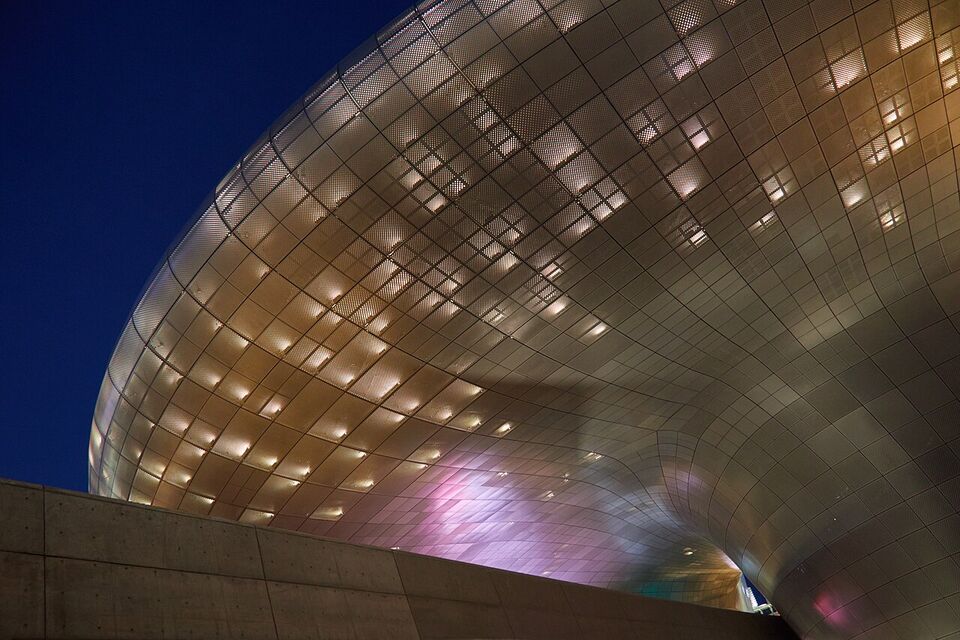
Dongdaemun Design Plaza (DDP) opened on March 21, 2014 and was designed by Zaha Hadid. It has about 86,600 square meters (932,000 square feet) of floor space, with exhibitions, a design market and a curved, metallic facade that lights up at night. Entry to the plaza is open to walk around; exhibitions are ticketed and prices vary. Next to the DDP is the Dongdaemun History and Culture Park, which preserves traces of the old fortress. The nearby market area is busy late into the night.
Museums
Two big museums reward a half day each.
- National Museum of Korea. The flagship museum of Korean history and art holds more than 310,000 pieces and drew about 3.8 million visitors in 2024. It is near Ichon station and has long been free for its permanent galleries; confirm at museum.go.kr, as well as its closed days.
- War Memorial of Korea. It opened in 1994 on Itaewon-ro, in Yongsan, and covers Korea's military history and the Korean War. Admission rules are unconfirmed, so check the museum's website.
Most museums keep a weekly closed day, often Monday, but this varies. Look up the museum before you go. For more culture, see our K-culture guide.
Han River parks and the modern skyline
The Han River parks are a good break from city walking. Yeouido Hangang Park has wide lawns and a view of the financial district, and Banpo Hangang Park is known for its bridge fountain show in warmer months (check seasonal dates). Other parks include Ttukseom, Mangwon, Nanji, Ichon and Jamsil. Many have convenience stores where you can buy a meal and sit on the grass, and most are free. A rental bike is an easy way to cover the riverside paths.
Lotte World Tower and Lotte World
Lotte World Tower in Jamsil is 555 m (1,821 ft) tall with 123 floors. Seoul Sky, the observation deck on floors 117 to 123, opens from 10:30 a.m. Sunday to Thursday until 10 p.m., and Friday, Saturday and public holidays until 11 p.m. The ticket price is not confirmed, so check online. Choose a clear day and avoid fine-dust days on airkorea.or.kr. At the foot of the tower is Lotte World, an amusement park open all year, 10 a.m. to 9 p.m. A one-day adult ticket is about ₩62,000 (about $47) and a ticket after 4 p.m. is about ₩50,000 (about $38). Some rides close in rain or wind, and hours can change.
Seoullo 7017
Seoullo 7017 is a pedestrian skypark that opened in 2017 on a former overpass above Seoul Station. It is a short, free walk with plants and views, and it is good if you have a few hours before a train.
Markets and shopping
Seoul's markets are as much a part of sightseeing as the palaces. Gwangjang Market is a covered market known for street food, and Namdaemun Market is one of the old central markets, with clothes, kitchenware and food. Opening hours and prices are not something we could confirm, so check on the day. Cash is useful at stalls. For where to eat and what to order, see our Seoul food guide and for shopping in general see shopping.
Save money
Many of the best things to do in Seoul are free or almost free: Cheonggyecheon, the Han River parks, Bukchon, Seoullo 7017 and the lower levels of N Seoul Tower. Add the palaces at ₩1,000 to ₩3,000 (about $1 to $2.50), and a full day of sightseeing can cost very little. Some palaces and tombs have free Wednesdays, so check royal.khs.go.kr.
How to group sights by area
Use this guide to avoid backtracking.
- Old city: Gyeongbokgung, Bukchon, Insadong, Jongmyo. All close to Lines 1, 3 and 5.
- Changdeokgung cluster: Changdeokgung, Changgyeonggung, Ikseon-dong, Gwangjang Market.
- City Hall and Namsan: Deoksugung, Cheonggyecheon, Myeongdong, N Seoul Tower.
- Yongsan: National Museum of Korea, War Memorial of Korea.
- Dongdaemun and Seongsu: DDP, the market, then a short ride to cafes.
- Jamsil: Lotte World Tower and Lotte World, with the river park nearby.
- Yeouido: river park and views. Hongdae and Itaewon are best for evenings.
Two big areas in one day is plenty. If you have time for a day away from the city, see day trips from Seoul. For temples, including Jogyesa and Bongeunsa, read our temples guide.
Gwanghwamun, City Hall and rainy-day options
Gwanghwamun Square is the broad plaza in front of Gyeongbokgung's south gate, with statues of King Sejong, who is credited with creating Hangul, and Admiral Yi Sun-sin. It is free and open, and it is also where large public events and demonstrations take place. If you see a crowd gathering with little notice, walk around it and carry on. The nearby Seoul City Hall and Deoksugung are a few minutes' walk away, and Jogyesa, the main temple of the Jogye Order, is a short walk north, close to Insadong. It is an active temple, so dress modestly and keep quiet inside the halls.
For a rainy or very hot day, plan around indoor sights: the National Museum of Korea, the War Memorial, the exhibitions at DDP, Lotte World's indoor areas or a long lunch in a covered market. Cafes and bookshops fill the time between showers, and the subway keeps you dry for most of the trip. In winter, a heated bathhouse (jjimjilbang) is a classic way to warm up after a day of walking.
Sample days built from this list
- Day 1
Old Seoul
Gyeongbokgung in the morning, lunch in Samcheong-dong or Insadong, a walk through Bukchon before 5 p.m., and an evening on Namsan or by Cheonggyecheon.
- Day 2
Changdeokgung and a museum
A reserved Secret Garden walk, then Changgyeonggung, then lunch at Gwangjang Market. Spend the afternoon at the National Museum of Korea or the War Memorial.
- Day 3
Modern Seoul
DDP and Dongdaemun by late morning, Seongsu cafes for the afternoon, then Seoul Sky at dusk in Jamsil and a riverside walk.
If you only have one day, choose Gyeongbokgung, Bukchon, Insadong and an evening view from Namsan. These all sit within a short subway hop on Lines 3, 4 and 5. If you have two, add Changdeokgung and the museum day above.
Different from home
Seoul's palaces and museums often run guided walks in English on set schedules, and some areas can only be entered with a guide. Treat the schedule as fixed: if you miss the start time, you may wait for the next one or skip the area. Read the signs about flash, tripods and drones, which are banned in some halls. Ask at the ticket booth about the day's English tour times, because we could not confirm them.
Mistakes to avoid
- Not checking closed days. Gyeongbokgung usually closes Tuesday, Changdeokgung Monday. Check royal.khs.go.kr.
- Forgetting to book the Secret Garden. Without a reservation you may see only the main palace.
- Wandering off the guided path. Some palace areas and the Secret Garden are guided only. Stay with your group, and follow signs and staff directions.
- Visiting Bukchon after 5 p.m. The red zones are closed to non-guests in the evening.
- Doing too much. Three sights in one day is plenty. The subway ride between areas takes time, and palace grounds are large.
- Skipping hanbok rental checks. Free entry applies to Gyeongbokgung; rules for other palaces vary.
Add it to a route in the trip builder, or ask us to plan the hotels, trains and guides for you.