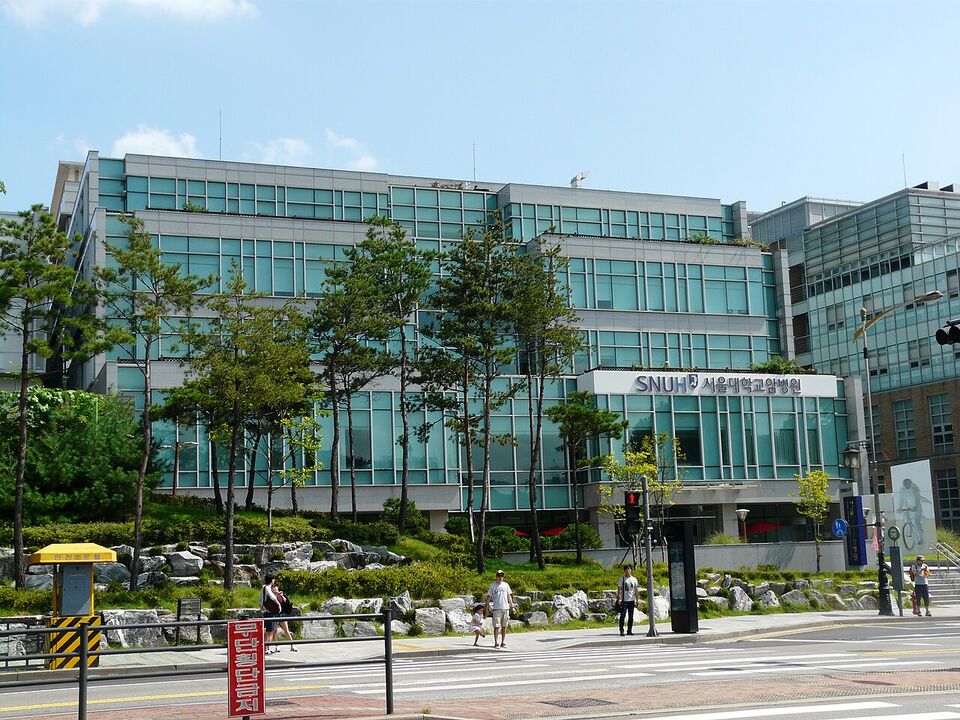
Overview: health care for visitors
South Korea has a modern, fast and generally high-quality medical system, with well-equipped hospitals, a dense network of neighborhood clinics, and pharmacies on nearly every block. A visitor with a cold, a stomach bug or a sprained ankle can usually see a doctor within hours, often with no appointment. Two things surprise Americans: you pay at the end of the visit, and the system is built for Korean-speaking patients, so English is hit or miss outside the big hospitals.
The practical advice is short. Buy travel insurance with medical cover and evacuation, carry your medicines in their original containers, know the numbers (119 for an ambulance, 1330 for English-language help), save the address of an international clinic in Seoul, and check the CDC travelers page before you fly. This page covers each of those, plus fine dust, tap water, food safety, dental care and what to do if you get sick. For crime, weather and other risks, see the safety guide.
Nothing here is medical advice. If you have a chronic condition, are pregnant, or take regular medicine, talk to your doctor or a travel clinic four to six weeks before you leave.
Health insurance and travel insurance
Most US health plans pay little or nothing for care outside the United States, and Medicare generally does not cover care abroad. Some Medicare Advantage and employer plans pay emergency care abroad with limits, so call your insurer before you go and ask three questions: does it cover emergencies in South Korea, does it pay the hospital directly or reimburse you later, and does it cover medical evacuation.
A travel insurance policy fills that gap. Look for emergency medical cover with a high limit, medical evacuation and repatriation (a flight home on a medical aircraft can cost tens of thousands of dollars), trip interruption, and cover for the activities you plan (hiking at altitude, skiing, scuba or scooter riding often need an extra). Check the exclusions for pre-existing conditions and for adventure sports. Policies are sold by insurers and by comparison sites; we do not recommend a single product, and we cannot give prices because they depend on your age, trip length and coverage.
Foreign visitors are not enrolled in Korea's National Health Insurance Service (NHIS), which covers residents. That means you pay the full "non-member" price for care. Ask for an itemized receipt and, if your insurer needs it, a diagnosis and treatment letter in English (many hospitals provide these for a fee). Photograph every document.
Save money
Many travel insurers require you to call them first for a non-emergency admission, and some will pay the hospital directly if you do. Save the policy number and the 24-hour assistance line in your phone before you land, and ask the clinic for a Korean-language receipt and an English summary for the claim.
How the Korean medical system works for visitors
Korea has three main kinds of care. Neighborhood clinics (uiwon) are run by individual doctors who specialize, so you pick an internal medicine, ear-nose-throat, orthopedic, dermatology or pediatric clinic by the sign. Hospitals (byeongwon) are mid-sized and have several departments. General and university hospitals are the large, teaching centers, with emergency rooms and international clinics. You usually do not need a referral to see a clinic, and appointments are often not required, although you may wait.
The check-in process is typically a registration desk (name, passport, symptoms), a short consultation, an exam or test, then payment and a prescription. Many clinics give the prescription for you to fill at the pharmacy next door. Large hospitals are more efficient but can be crowded, and at the biggest university hospitals a visit without a referral can cost a higher co-payment for residents; ask staff how it works for visitors.
Prices are not published in a form we can rely on, so we give none. Costs for a simple clinic visit are usually modest by US standards, while hospital stays, MRI scans and surgery can be significant for people without insurance. Ask for an estimate before non-urgent treatment and pay by card (large hospitals generally take foreign cards, but confirm first).
Emergencies and ambulances
In an emergency, call 119. Operators handle fire, rescue and ambulance calls and can bring in an interpreter. Say your location, what has happened, and your language. Ambulance crews take patients to the nearest suitable emergency room (eungeupsil, 응급실 in Hangul), and you may be asked to pay later. If you can walk, a taxi to the nearest emergency room is also normal. After the visit, ask your hotel or the embassy for help with paperwork.
Different from home
Doctors in Korea often specialize from the start, and you go straight to a specialist clinic instead of a general practitioner. Visits are fast and short, and the doctor may order tests on the spot (blood work, X-ray, ultrasound). That can feel brisk but is normal.
Finding an English-speaking doctor or clinic
For anything beyond a minor ailment, go to a hospital with an international clinic. Large university hospitals in Seoul, including Severance Hospital, Seoul National University Hospital, Asan Medical Center and Samsung Medical Center, run international healthcare centers with English-speaking coordinators and interpreters. Opening hours, fees and services change, so check the hospital's website or call before you go. Busan, Jeju and other large cities have hospitals that accept foreign patients, although English support varies.
- 1330 Korea Travel Helpline: English around the clock; it can help find a clinic, translate by phone and handle complaints.
- US Embassy: the embassy site lists English-speaking doctors and hospitals for Americans; see the safety guide for contact details.
- Your hotel: staff can call a clinic, book a taxi and write the address in Korean.
- Translation apps: Papago and Google Translate help with symptoms, medicine names and forms. Our connectivity guide covers data options.
Foreign-friendly clinics also operate in areas such as Itaewon, Gangnam and near large hotels. Check their reviews, ask whether they take your insurer's direct billing, and confirm fees before treatment.
Pharmacies and medicines
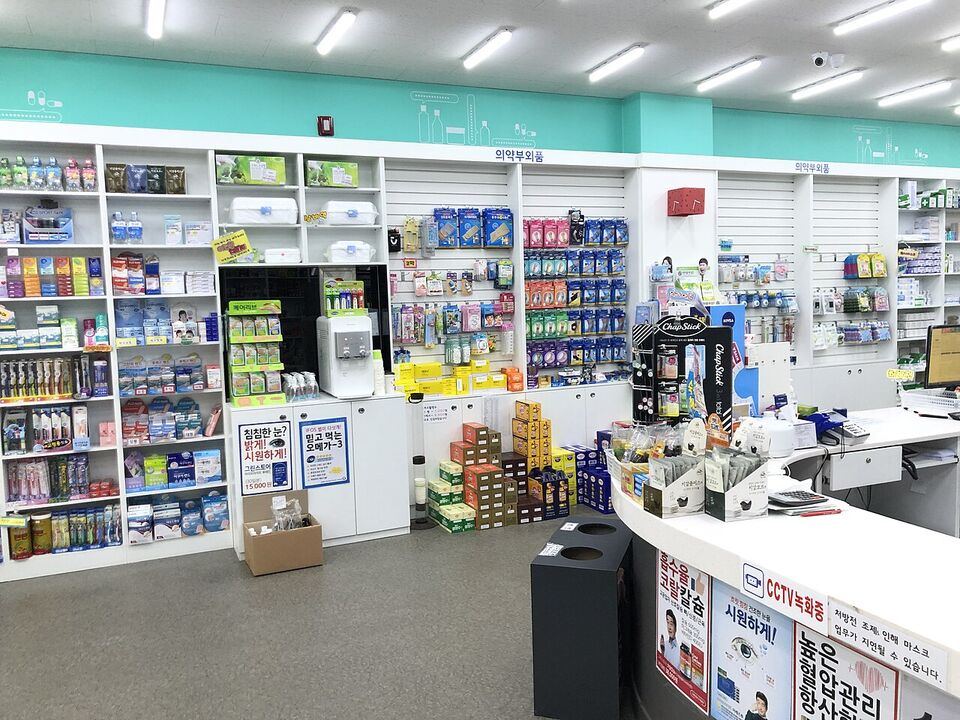
Pharmacies (yakguk, 약국) are marked with a green cross or the character for medicine, and they are easy to find near clinics, hospitals and train stations. Pharmacists can sell a range of over-the-counter products and fill prescriptions. They often help with minor problems such as colds, heartburn, motion sickness, minor skin issues and sprains. Many pharmacists speak a little English, and a translation app does the rest. Convenience stores sell a small range of basic pain relievers and cold remedies.
Korea splits prescribing from dispensing: a doctor writes the prescription, and you fill it at a pharmacy. Antibiotics, strong painkillers and many other drugs require a prescription. Brand names differ from the US, so bring the generic (active ingredient) name written down, not just the brand. If you need a refill of a US prescription, a Korean doctor will usually need to examine you first.
Bringing your own medicine
Plan to carry a personal supply that fits the length of your stay, in the original pharmacy containers with your name on the label, plus a copy of the prescription or a doctor's letter that lists the generic name, dose and reason. Keep medicine in your carry-on bag, never in checked luggage you could lose.
Korea restricts some medicines that are legal and common in the United States. Medicines to watch include stimulants for ADHD (such as methylphenidate and amphetamine products), some sleep medicines and sedatives, opioid painkillers and some anxiety drugs. These can be treated as controlled substances, and bringing them without prior permission can mean seizure, fines or worse. Rules also set limits on quantity. The Korea Customs Service (customs.go.kr) and the Ministry of Food and Drug Safety (mfds.go.kr) publish the current lists and the permission process; the US Embassy also posts guidance for Americans. We could not confirm the current limits for this guide, so treat any number you read in a blog as unverified and check the official pages, ideally a month before you fly.
Watch out
If you take a stimulant, a sleep medicine or an opioid, do not pack it and hope. Contact the Korean customs authority or the nearest Korean consulate before your trip, ask your doctor about alternatives, and carry written proof. Border officers can seize undeclared controlled medicine, and you cannot buy a replacement easily.
Air quality and fine dust
Fine dust (miseomeonji) is a regular feature of Korean life, especially in winter and spring on some days. It is a mix of local pollution and dust blown from the continent, and it can make the sky gray and the air irritating. Healthy visitors usually just notice haze, a scratchy throat or watery eyes. People with asthma, heart or lung conditions, older adults and young children are more affected.
Check the live reading on AirKorea or in a weather app. On bad days, wear a KF94 mask (a Korean-standard particle mask similar to N95, sold at pharmacies and convenience stores), choose indoor activities such as museums, shopping malls and jjimjilbang (public bathhouses), and keep windows shut. Some hotels have an air purifier in the room or can supply one; ask. Our seasons guide explains which months tend to be worse.
Tap water, food safety and eating well
Seoul treats its tap water to drinking standards, but many locals drink filtered or bottled water. Restaurants serve free water or barley tea, and bottled water is cheap everywhere. For stays in smaller towns and on islands, bottled or filtered water is the simple choice. We do not rate the tap water in other cities.
Food safety in Korea is generally good, and most visitors eat street food, market meals and barbecue without trouble. Use ordinary caution: choose busy stalls where food is cooked in front of you, eat hot dishes hot, and be careful with raw seafood in hot weather. Raw fish (hoe) and shellfish are eaten widely but are riskier for pregnant women, older adults and anyone with a weak immune system. Live octopus (sannakji) is a known choking hazard because the tentacles can stick to the throat; chew well or skip it.
If you have food allergies or follow a vegetarian, vegan, halal or kosher diet, learn the key words and bring an allergy card in Korean. Fish sauce, anchovy stock and meat broth appear in many dishes that look vegetarian, and sesame, peanuts, shellfish and wheat are common. The food guide and the phrasebook help with this.
Vaccines and the CDC
The CDC lists South Korea at Level 1, "Practice Usual Precautions", on its Travelers' Health page. In general terms, make sure routine vaccines (measles-mumps-rubella, diphtheria-tetanus-pertussis, polio, flu and COVID-19) are up to date. The CDC advises hepatitis A for unvaccinated travelers one year and older and hepatitis B for unvaccinated travelers younger than 60. Japanese encephalitis vaccine is considered for long stays or time in rural areas. The page we reviewed carried 2025 dates, so open the live page before you go and talk to your doctor or travel clinic at least four to six weeks ahead.
The official source is CDC Travelers' Health: South Korea. Korean authorities set their own entry notices, which can change with short notice; see the entry guide, and check the K-ETA and embassy pages before you fly.
Dental care, urgent care and common problems
Dental clinics are common and modern in Korea, and many in tourist districts speak some English. For a broken tooth, a lost filling or a toothache, ask your hotel to call a nearby clinic or check the hospital's international clinic. Fees vary and we give none; ask for an estimate. Keep a copy of the treatment record for insurance and your dentist at home.
For urgent but not life-threatening problems (a high fever, a deep cut, a suspected fracture, severe diarrhea), go to a hospital emergency room or an orthopedic or internal medicine clinic. Some clinics near large stations run extended hours, and some hospitals have night clinics, though hours differ. Pharmacies close in the evening in many areas, and a small number stay open late in big cities; ask the hotel or use a map app and search for a late-night pharmacy.
Common travel health issues
- Jet lag: Korea is 14 hours ahead of New York in US winter and 13 in US summer, and does not change its clocks. Sleep on the flight, get sunlight on arrival, and go easy on the first day. See the flights guide.
- Heat illness: July and August are hot and humid; drink water, use shade and take breaks.
- Cold exposure: Winters are cold and dry; layers and a hat matter, especially at mountain resorts.
- Foot and hiking injuries: Blisters and twisted ankles are the usual injuries on hikes. Bring tape, proper shoes and a small first-aid kit (see the packing guide).
- Stomach upsets: Spicy food can upset a stomach not used to it. Start mild.
Special situations: conditions, pregnancy, children and cosmetic procedures
If you manage a chronic condition such as diabetes, asthma, heart disease or epilepsy, carry a letter from your doctor in English that lists the diagnosis, medicines (generic names) and any devices. Insulin pens, needles and monitors should travel in carry-on bags with the prescription label. Ask the airline and the security staff about liquids and sharps before you reach the checkpoint, and keep a spare supply in a second bag. Wearable devices and pumps are common, and you can usually keep them on through screening, but check the rule for your device.
Pregnant travelers should check airline cutoffs for late pregnancy, ask an obstetrician about the trip, and know where the nearest hospital with an obstetric unit is. Families with babies and young children will find pediatric clinics in most neighborhoods, and pharmacies stock child-strength fever medicine, though brands and doses differ from the US. Bring a thermometer and the doses your pediatrician recommends. Our families guide covers more practical tips.
Korea is known for cosmetic and dermatology clinics, and some visitors book procedures during a trip. Treat this as a medical decision, not a shopping stop. Choose a licensed clinic, ask who the doctor is, get the price in writing, and consider the flight home: swelling, bleeding and infection risk rise after long flights, and few insurers cover complications from elective surgery. Do not buy procedures from street touts or social media promoters.
Finally, if you are caring for an older traveler, plan for slower days, long distances on foot and many stairs at temples and fortresses. Subway stations have elevators and escalators, but exits can be far apart, and a taxi for the last stretch is often worth it.
What to do when you get sick
- Decide how serious it is. Chest pain, trouble breathing, heavy bleeding, a head injury or sudden weakness is an emergency: call 119.
- Call your insurer if it is a hospital stay or major cost, and note the policy number.
- Ask your hotel or call 1330 for the nearest clinic and an interpreter.
- Bring your passport, your insurance card, your medicine list and a translation app.
- Pay and keep paperwork: itemized receipt, diagnosis, prescription, and a letter in English if needed.
- Fill prescriptions at a pharmacy and take a photo of the label.
- Rest and tell your hotel; if you are traveling with others, keep them informed.
If you are very ill or injured and need to leave Korea, the embassy can help you contact family, but it cannot pay your bills, so insurance with evacuation matters. For crime and other emergencies, see the safety guide. More on trip planning is in the planning guide.
Add it to a route in the trip builder, or ask us to plan the hotels, trains and guides for you.