Overview
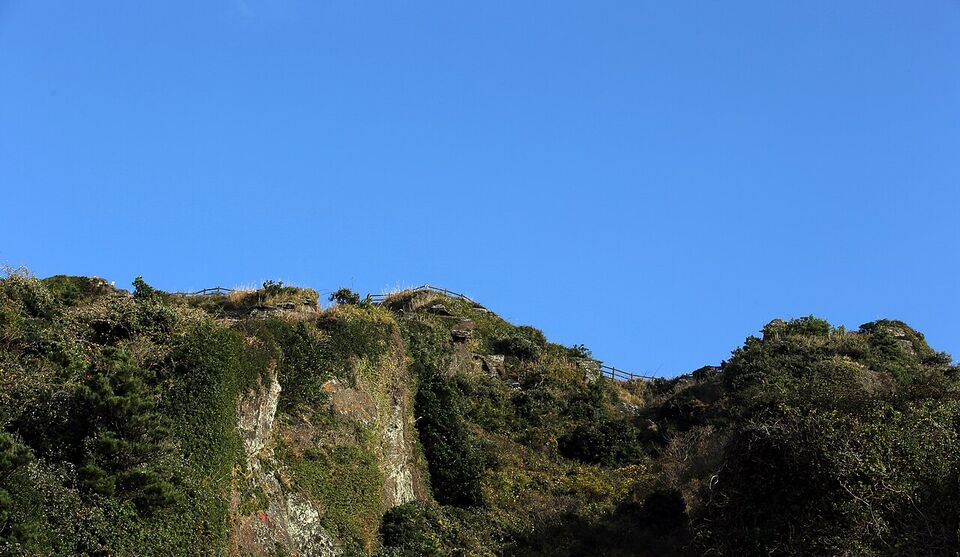
March is the month South Korea changes its mind. Mornings can still be near freezing, afternoons in Seoul reach about 52°F (11°C), and by the end of the month the first cherry trees usually start to open on Jeju and the south coast. Crowds are thin, the Seollal rush is over, and the big blossom-season hotel prices of April have not arrived. In exchange you get cool, changeable weather, bare trees in Seoul and some hazy days.
This page covers the March 1 long weekend, the weather, spring flowers and where to see them, yellow dust and fine dust, the Seoul Marathon, the end of ski season, what to pack and a sample plan. The month before is February, which has the Seollal holiday, and the main spring page is on cherry blossoms and fall colors. If you can only travel in one spring month, when to go to South Korea compares them.
Weather: cool, then milder by the week
These are long-term averages from the Korea Meteorological Administration and reference sources. Actual weeks swing widely, and a cold snap in early March can feel like February.
| City | Average high | Average low | Notes |
|---|---|---|---|
| Seoul | 52°F (11°C) | 35°F (2°C) | Dry and breezy; large day-to-night swing |
| Gangneung | 53°F (12°C) | 37°F (3°C) | East coast; snow can linger in the mountains inland |
| Busan | 57°F (14°C) | 42°F (5°C) | Mild, with sea breezes |
| Jeju City | 56°F (13°C) | 44°F (7°C) | Cool, windy, often cloudy |
The big theme is the gap between morning and afternoon, and between sun and shade. Dress in layers you can remove. Korea does not change its clocks. The US moves its clocks forward on Sunday, March 14, 2027, so Korea is 14 hours ahead of New York until March 13 and 13 hours ahead from March 14. Europe changes on March 28, so for two weeks Europe is one hour closer to the US than usual. A flight to Korea crosses the date line, so leaving the US on a Monday usually means landing on Tuesday.
Samiljeol, the March 1 holiday
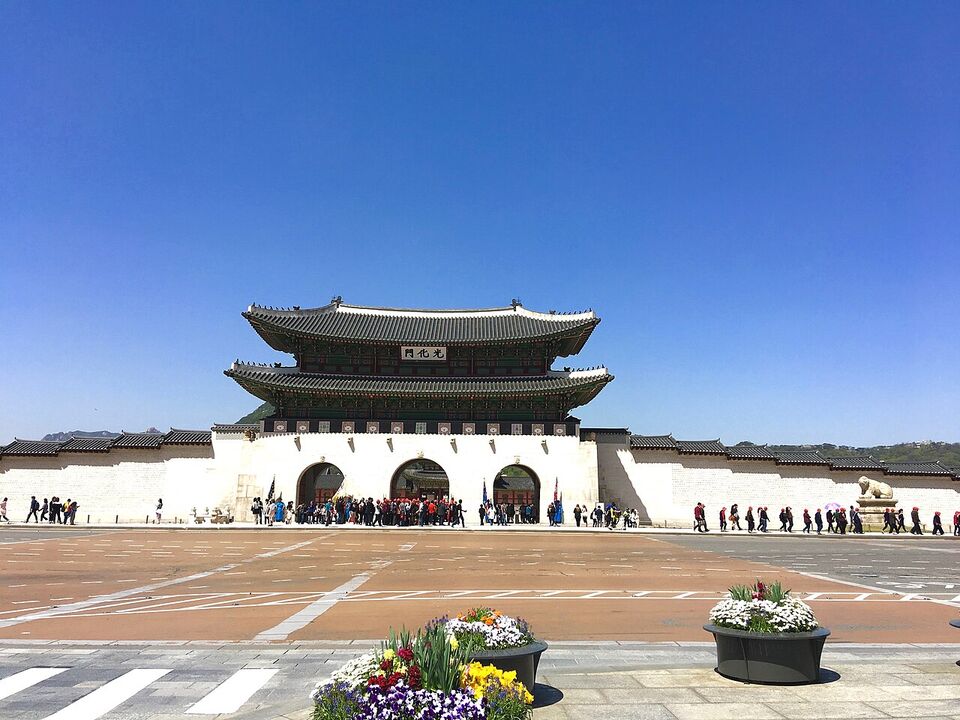
Samiljeol (Independence Movement Day, also called March 1st Movement Day) remembers the nationwide independence demonstrations of March 1, 1919. It is a public holiday every year, and Korean flags hang from homes and buildings. In 2027, March 1 falls on a Monday, so Saturday, February 27 to Monday, March 1 is a long weekend. One Korean business paper lists the holiday that way.
The effect on visitors is modest compared with Seollal. Trains, highways and ski and beach areas are busy on the Saturday morning and Monday afternoon. Banks and government offices close, and some small shops and restaurants may close on the day itself. Museums, palaces and big attractions usually open, but check each site's holiday hours. Ceremonies and exhibitions about the independence movement are held around the country. Details change every year, so check the organizer or the Korea Tourism Organization (english.visitkorea.or.kr). See Festivals and Holidays for the year's calendar.
Insider tip
Book KTX and express-bus seats for February 27 and March 1 early, and avoid driving out of Seoul on Saturday morning. If you are flexible, leave a day earlier or later.
Korean school and university terms start in early March, so some student areas, such as Hongdae, get busier as the month goes on. This is a general pattern, not a fixed rule.
Spring flowers, from the south up
Spring in Korea starts at the south coast and moves north, a few days a week. In March the show is plum blossoms (maehwa), yellow cornel flowers (sansuyu), camellias and, late in the month, the first cherry blossoms.
Gwangyang plum festival
Gwangyang's Maehwa Village is one of the best-known plum blossom sites. In recent years its festival has run in about the middle of March, but we could not confirm 2027 dates. Check the city's tourism site before you book. See the south coast.
Gurye yellow cornel flowers
Yellow cornel trees bloom in the Gurye area in March. A recent year's listing placed the festival in mid-March. Dates move with the weather, so check before you go.
Jeju
Jeju and the south coast usually see the first cherry blossoms in late March, often with canola flowers (yuchae) in bloom nearby. A car makes the island easier. See Jeju Island.
Busan and Gyeongju
The first buds can appear around the end of the month, with the better display in early April. Plan flexible hotels. See Busan and Gyeongju.
Jinhae, Changwon
The Jinhae Gunhangje has been held on fixed dates, April 1-10, since 2011, so it falls just after March. Blossoms can open before the festival in a warm year. Official dates for 2027 had not been confirmed when we checked, and are usually posted in late winter.
Seoul parks
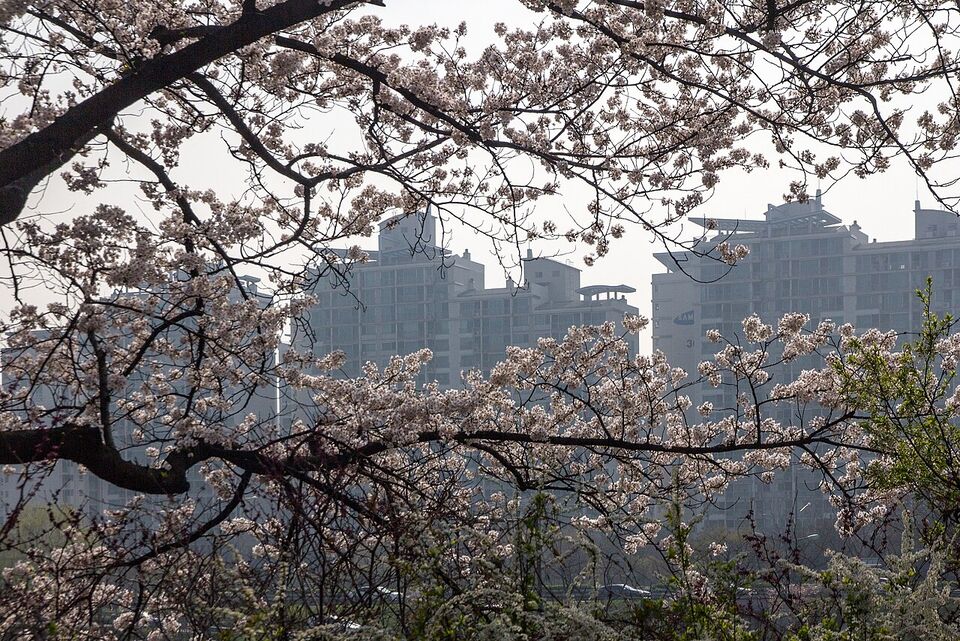
Seoul's cherry blossoms normally open in early April, after this month. In March, palaces, parks along the Han River and Namsan are still bare but pleasant on a clear afternoon.
We could not find a 2027 blossom forecast. The Korea Meteorological Administration usually publishes one in late winter, and the seasons page explains how to use it. If blossoms are the point of your trip, aim for the first half of April or book flexible rooms for late March.
Watch out
Do not buy non-refundable flights and hotels timed to a blossom date. A cold or warm spell can move the peak by a week or more, and festival dates are fixed by the city, not by the trees.
Yellow dust and fine dust
March is when many visitors first meet Korea's air-quality forecast. Yellow dust (also called Asian dust) is desert dust blown across the region, mostly in spring. Fine dust, miseomeonji, is a mix of local pollution and dust from the continent. It can be high on some days in winter and spring.
On a bad day the sky turns gray and hazy, and your eyes or throat may feel dry. Most healthy visitors can carry on, but people with asthma or heart and lung conditions should limit long outdoor walks. Check airkorea.or.kr and the weather service before you go out, shift plans to museums, cafes and indoor markets if the forecast is poor, and carry a KF94 mask, which is cheap in any pharmacy or convenience store. Our health page has more on air quality.
The Seoul Marathon
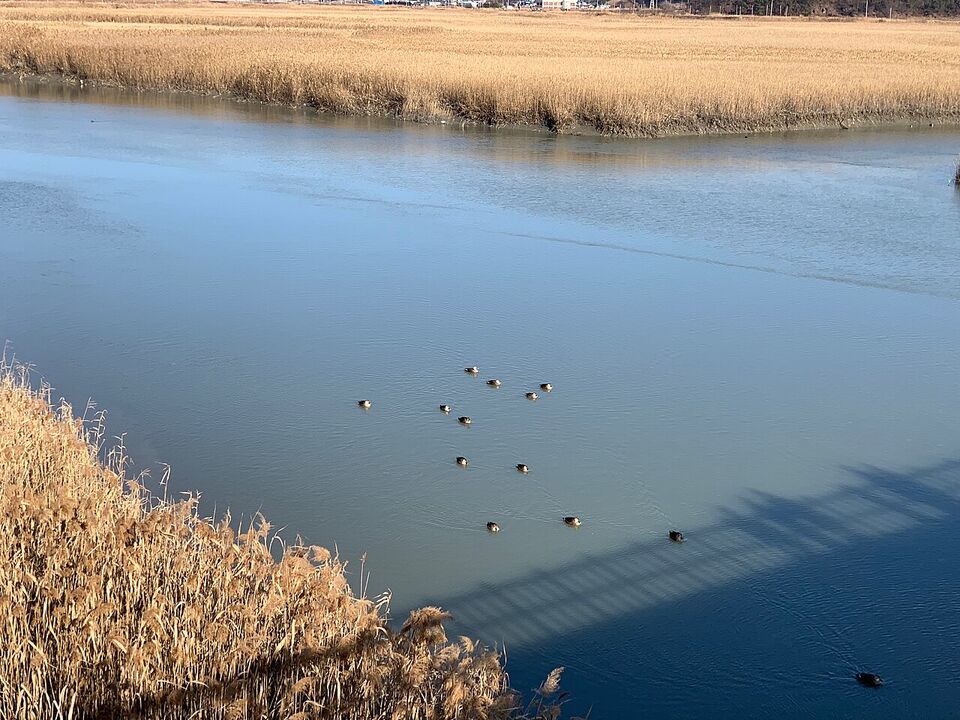
The Seoul Marathon, run through central Seoul, is one of the city's biggest road races. A third-party race calendar lists it for Sunday, March 21, 2027, but the organizer's page showed no date when we checked, so confirm at en.seoul-marathon.com. Foreign runners should check registration rules there well before the race.
Even if you are not running, expect road closures in central Seoul on race morning, which can affect buses and taxis in the downtown core. Routes are posted by the organizer. The subway is the safer choice that morning. See Things to Do in Seoul.
The end of ski season, and the hiking season starts
Ski season fades in March. Yongpyong lists a season from November to early April, but warm weather can close upper slopes sooner, and the snow gets soft and patchy in the afternoons. Mornings are best. Check each resort's site for closing dates and prices, which we could not confirm for 2027. See Skiing.
For hiking, March is a shoulder month. Low trails near Seoul, such as the city walls and Bukhansan's lower routes, are pleasant on a clear day. Many high national-park trails close each spring for fire prevention, for roughly two to three months, so check knps.or.kr for your dates before you plan a mountain day. See Hiking.
Crowds and prices
| Pros | Cons |
|---|---|
| Fewer crowds than April and May, and easier hotel booking (we have no current rates; check) | Cool, windy weather and bare trees in Seoul |
| First flowers in the south, with plum blossoms and camellias | Cherry blossoms are not reliable until late March, and Seoul's come in April |
| Lower palace and museum crowds, except holiday weekends | Yellow dust and fine dust on some days |
| Skiing early in the month, hiking on low trails | Late-season ski snow is soft; some mountain trails are closed |
US college and school spring breaks fall in March, which can raise US flight prices. Within Korea, hotels usually get pricier toward late March and early April, especially near Jinhae and the blossom spots. Book those weekends early. See where to stay.
Save money
Travel in the first half of March for the lowest hotel demand, and avoid the February 27-March 1 weekend. Sightseeing on weekdays also keeps palace and market queues short.
What to pack
- A mid-weight coat or insulated jacket with a removable layer. Mornings can be near freezing.
- Sweaters and a light scarf, plus a thin hat and gloves for early March.
- Comfortable walking shoes that handle damp or muddy paths, and a small umbrella.
- KF94 masks, eye drops and lip balm for dusty days.
- A plug adapter. Korea uses 220 V, 60 Hz with Type C and F sockets.
See the packing list for the full set.
A sample week
- Day 1
Arrive in Seoul
AREX Express from Incheon to Seoul Station takes about 43 minutes. See Incheon Airport Transfers.
- Day 2
Palaces and old streets
Gyeongbokgung (₩3,000, about $2.50) and Bukchon, whose red zones are open to tourists from 10 a.m. to 5 p.m. If the sky is hazy, move indoors. See Seoul Neighborhoods.
- Day 3
Markets and museums
Gwangjang Market, then the National Museum of Korea; check hours. See Seoul Food.
- Day 4
A day trip or the DMZ
Choose a day trip such as Suwon, or a DMZ tour with a licensed operator. Ordinary tourist tours to the JSA have not run since 2023. See Day Trips from Seoul and the DMZ.
- Day 5
South by KTX
Busan is about 2.5 hours by KTX; check letskorail.com. Use the sea breeze and seafood as the March plan.
- Days 6 to 8
Gyeongju or Jeju
Gyeongju's tombs and temples, or a flight to Jeju for the early blossoms. Keep this part flexible so you can follow the forecast.
Getting around and entry
Seoul's subway and buses run normally, and foreign Visa and Mastercard cards work at subway ticket machines since March 17, 2026. For KTX and flights, book weekend and holiday seats early, because trains fill near March 1 and blossom weekends. See Getting Around.
Entry for 2027 travel: US citizens are exempt from K-ETA through December 31, 2026. For travel from January 1, 2027, check k-eta.go.kr before you book. File the online e-Arrival Card before you land, using only the official site (e-arrivalcard.go.kr). See Entry Rules for Americans (K-ETA).
The bottom line
March is a value month for travelers who accept layers, wind and some dust. Come for the plum and camellia blossoms in the south, a quiet Seoul and the first cherry blossoms in the far south, with Jinhae's festival just after the month ends. Avoid the February 27-March 1 weekend if you can, plan around the air-quality forecast and keep your late-March hotels flexible. For cherry blossoms in full, April is the safer month. For the previous month, see February and January.
Add it to a route in the trip builder, or ask us to plan the hotels, trains and guides for you.