The best day trips from Seoul
Seoul sits in the middle of a metro area of about 26 million people, and many of the best day trips are reached by the same subway card you use in the city. The easiest are Suwon and Incheon; the most scenic are Nami Island and Gapyeong; the most serious is the DMZ, which needs a licensed tour. This guide explains how to get to each one, how long it takes, who it suits and how to decide between a self-guided day and a tour. If you are still deciding on your base, read our Seoul guide and neighborhoods guide.
Times below are rough and depend on where you start and which train you take. Fares for trains and buses are not confirmed for 2026, so we give none; check the operator's site. Always check the opening hours and closed days of the place you plan to visit, because Monday closures are common in Korea.
Effort versus payoff
| Trip | Getting there | One-way time | Effort | Payoff |
|---|---|---|---|---|
| Suwon Hwaseong Fortress | Subway Line 1 or regular train | About 1 hour | Low | High: UNESCO walls, palace, city views |
| Incheon and Chinatown | Subway Line 1 to Incheon | About 1 to 1.5 hours | Low | Medium: food, harbor, old streets |
| Ganghwa Island | Bus from the Seoul area | About 1.5 to 2 hours | Medium | Medium: history sites, temples, coast |
| Nami Island and Chuncheon | ITX train or subway, then short transfer | About 1.5 to 2 hours | Medium | High in fall, medium otherwise |
| Gapyeong | Train, then taxi or local bus | About 1.5 hours | Medium | Medium: gardens, rail bikes, river |
| Bukhansan trail edge | Subway and bus | 30 to 60 minutes | Medium | High if you like hiking |
| Paju (Imjingak and Heyri) | Gyeongui-Jungang Line, then bus or taxi | 1 to 1.5 hours | Medium | Medium: border sights, art village |
| Everland and Korean Folk Village | Subway or bus to Yongin | 1 to 1.5 hours | Medium | Medium to high for families |
| Namhansanseong | Subway and bus | About 1 hour | Medium | Medium: hill fortress walk |
| DMZ tour | Licensed tour from Seoul | 1 to 1.5 hours each way | Low (tour) | High for context, status varies |
These times are rough guides and we have not confirmed 2026 timetables. Use KORAIL (korail.com or letskorail.com for English) and your map app on the day.
Suwon and Hwaseong Fortress
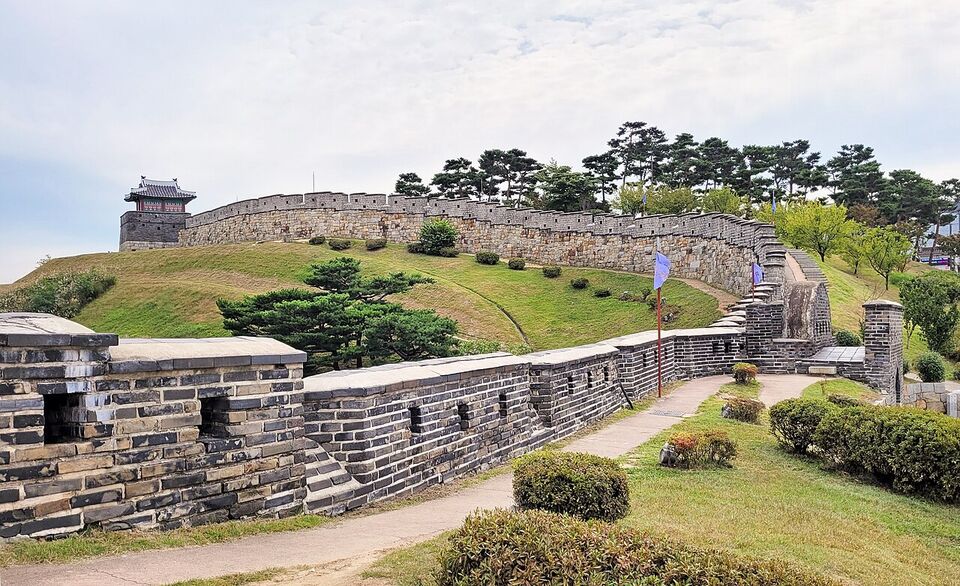
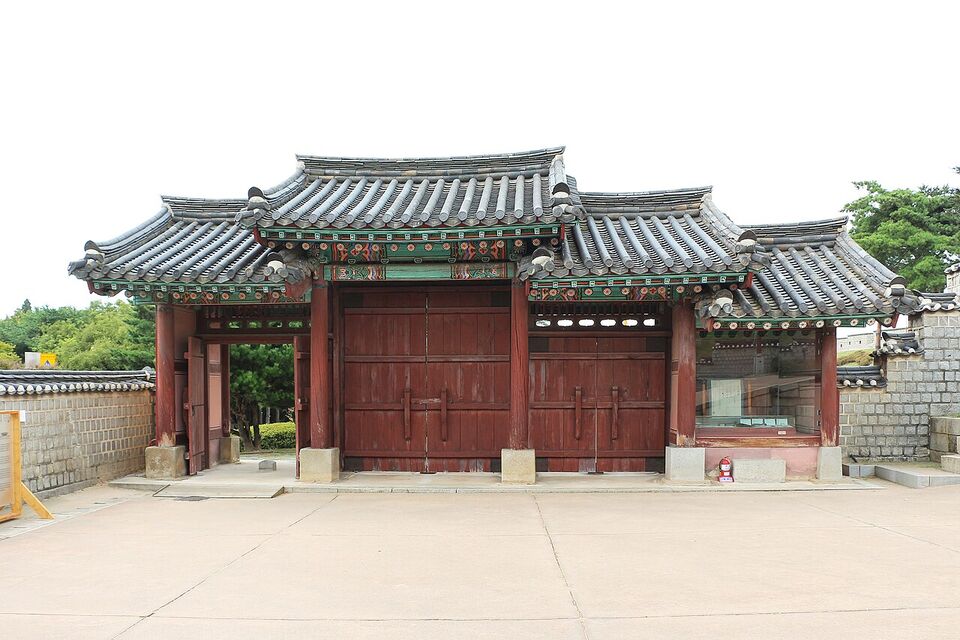
Suwon is the capital of Gyeonggi Province, about 19 miles (30 km) south of Seoul. Its main sight is Hwaseong Fortress, built from 1794 to 1796 by King Jeongjo to honor his father, Crown Prince Sado. The fortress encloses much of the old city center and includes the king's temporary palace, Hwaseong Haenggung. It is a UNESCO World Heritage Site, and you can walk much of the wall in a few hours, with gates, watchtowers and views of the town.
How to get there: take Line 1 of the subway or a regular train from Seoul Station or Yongsan, and then a short bus or taxi ride to the fortress gates. The trip takes about an hour. It suits first-timers, history fans and families. Entry prices and hours are not confirmed, so check the Suwon city tourism site before you go. Allow four to six hours, and wear comfortable shoes because the wall climbs hills.
Incheon and Chinatown
Incheon is a port city west of Seoul that also hosts the main international airport. Its Chinatown, near Incheon station, has Chinese-Korean restaurants and is known for the Korean-Chinese noodle dish jajangmyeon. Nearby are old harbor streets, the open port area and murals. It works as a half-day outing, and it combines well with a layover or a late flight home. For airport links, read Incheon Airport transfers.
Take Line 1 from central Seoul to Incheon station, about an hour or more depending on the train. It is an easy self-guided trip and has the least effort of the group. Check opening days for museums and sights, as some close on Monday.
Ganghwa Island
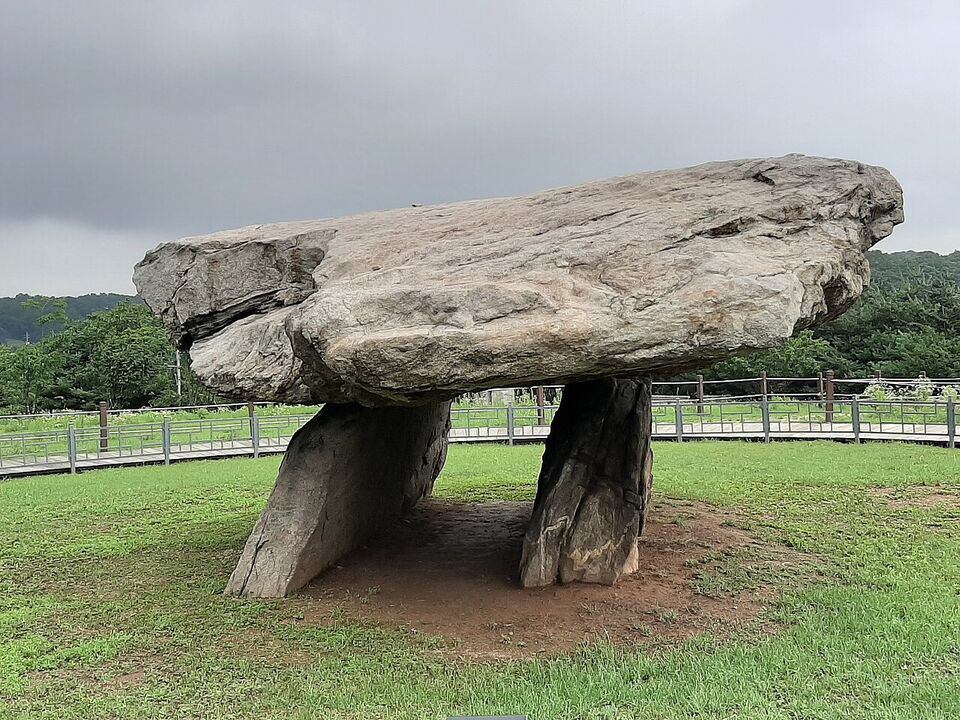
Ganghwa Island, northwest of Incheon, has dolmens, temples, old forts and a history that goes back centuries. It lies close to the border region, and some coastal areas have military fences. The island suits history lovers and people who like a quieter day. Getting there is more complex than Suwon: buses run from the Seoul area, then local buses or a taxi connect the sights, and a car or a guided tour makes the day easier. We could not confirm bus times or fares, so check kobus.co.kr and the island's tourism site.
Some areas near the coast and the border may have checkpoints or restrictions, so bring your passport and check before you go. The island works best as a full day. See our DMZ guide for how the border region fits into a trip.
Nami Island and Chuncheon
Nami Island is a half-moon shaped river island in Cheongpyeong Lake, Chuncheon, formed when the Bukhan River rose after a dam was built in 1944. It is known for tree-lined paths, especially in fall, and for its appearance in Korean dramas. It is part of Chuncheon, in Gangwon Province, though the usual access is from the Gapyeong side. Boats and a zip line cross to the island. Fall color weekends are very busy, so go early on a weekday if you can.
How to get there: take a train from Seoul toward Gapyeong or Chuncheon (the ITX-Cheongchun and the Gyeongchun Line both run there), then a short taxi or shuttle to the ferry dock. The whole trip takes about two hours each way with the transfer. We could not confirm the ferry fare or island entry fee, so check the official Nami Island site.
Chuncheon itself is known for dakgalbi (stir-fried chicken), a lake-city feel and cafes. Combine the two in a full day if you leave early.
Insider tip
For fall color, check the Korea Meteorological Administration or Korea Tourism Organization forecast, since peak dates move each year. In general, Seoul and the lowlands peak from late October into mid-November. Give yourself a buffer day in case of rain.
Gapyeong
Gapyeong County lies along the Bukhan River and its valley, northeast of Seoul. It is a leisure area with gardens, river activities and rail bikes. Popular stops include the Garden of Morning Calm and the French-themed village Petite France, along with riverside cafes and small towns. Most visitors combine it with Nami Island, since the same train line serves both.
Take the train from Seoul (Cheongnyangni or Yongsan) to Gapyeong or Gangchon station, then use taxis or local buses between the sights. Without a car, stick to two stops. It suits couples and families who like gentle outdoor time. Check opening hours and seasonal closures for each attraction; some gardens run seasonal light shows in winter.
Bukhansan trail edge
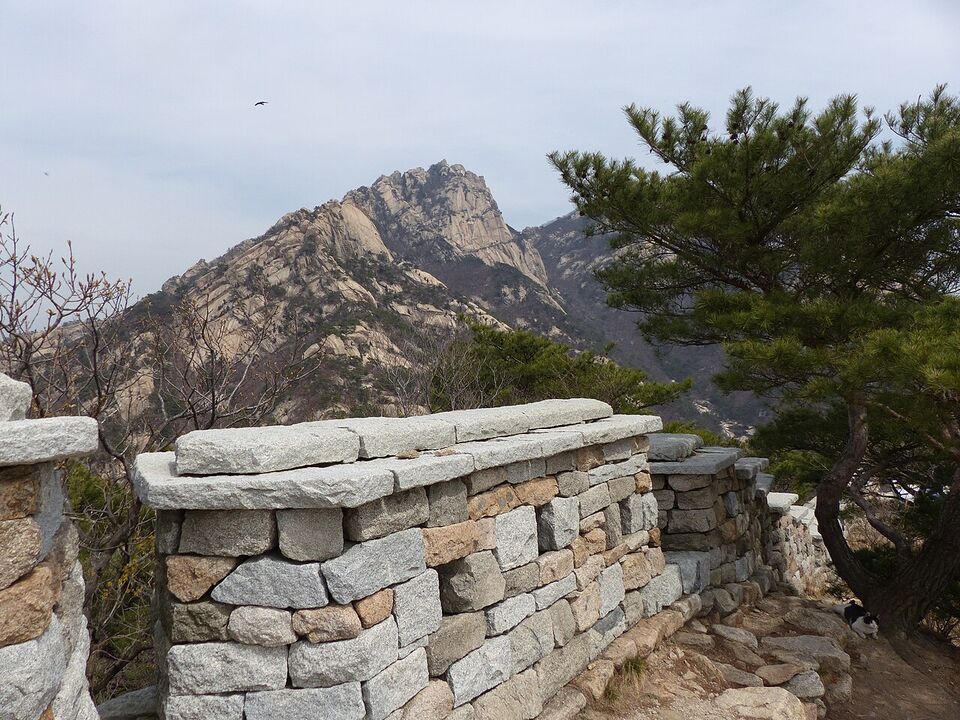
Bukhansan National Park is on Seoul's northern edge, and its high point is 2,744 ft (836.5 m). It is the most accessible hike near the city, with trails that start at subway stops and bus stops. This is a day trip in the sense of a half day out of the city, not a long ride. Easier routes begin near Bukhansan Ui station; stronger hikers can tackle the ridge peaks.
Hike on a clear weekday, bring water and wear shoes with grip. Weekends are crowded. Check the Korea National Park Service site (knps.or.kr) for trail closures, which can occur for weather or fire prevention. Read our hiking guide for more.
Paju: Imjingak and Heyri
Paju lies north of Seoul, on the edge of the border region. Imjingak is a park near the Imjin River with memorials and a view toward the north. Heyri Art Valley is an art and architecture village with galleries, cafes and small museums, and Paju Book City is a publishing district. Paju is reached by the Gyeongui-Jungang Line or bus, and Imjingak has its own train station. Visits to the area near the border can be restricted. Check the current status of Imjingak, Dora Observatory and Dorasan Station with the official tourism site before you plan, as we could not confirm it for November 2026.
Many people reach the border area by tour, which includes the access permits. See our DMZ guide and the next section.
The DMZ by tour
The Korean Demilitarized Zone is a buffer strip about 2.5 miles (4 km) wide that runs across the peninsula. Visitors from the south can enter the Third Infiltration Tunnel, which is about 1,600 m (about one mile) long and about 73 m (240 ft) underground, reached by a sloped access shaft. Half-day tours of about five hours run for roughly ₩50,000 to ₩70,000 (about $38 to $53) from licensed operators, according to a May 2026 report; we could not confirm current prices or which sites are open.
The Joint Security Area (JSA) at Panmunjom is a different matter. Ordinary tourist tours to the JSA have not run since 2023. Only special visits requested through the Ministry of Unification have resumed, and they are not for ordinary tourists. Tell your tour operator which sites you want, and ask what is included. Tours can be canceled at short notice for security reasons, so keep your plans flexible. Bring your passport. Read our DMZ guide for the full explanation, and check the Ministry of Unification DMZ portal (dmz.go.kr).
Watch out
Do not book a tour that promises a JSA visit unless the operator can show it is permitted. Read the refund terms before you pay, since tours can be canceled on short notice. Bring your passport and follow the dress and photo rules given by your guide.
Everland, Korean Folk Village and Namhansanseong
South of Seoul, in Yongin, are Everland, a large amusement park, and the Korean Folk Village, a living museum that opened on October 3, 1974 with real houses brought from across the country and daily performances. They suit families. Take a subway line plus a local train or bus, or a direct bus from Gangnam, and check prices and hours on each park's website, since we could not confirm them.
Namhansanseong is a mountain fortress southeast of Seoul and one of five UNESCO World Heritage Sites in the Seoul capital area. It suits walkers who like a hilltop route with views and fewer crowds. Reach it by subway and a bus. Check current opening hours before you go.
Pocheon and other ideas
Pocheon, northeast of Seoul, has parks, a herb garden and countryside cafes. It is best by car or tour. Other options within a day include Yangpyeong for river scenery and Icheon for ceramics. Check each with the local tourism office, as buses can be infrequent.
How to choose: self-guided day or tour
- List your priorities. If you want independence, choose a self-guided day by train. If you want logistics solved, choose a tour.
- Check access. Suwon, Incheon and Gapyeong are straightforward by rail. Ganghwa, Pocheon and the DMZ are harder without a car or tour.
- Count the transfers. More than two changes in a day is tiring. A tour removes them.
- Look at the weekday. Weekends are crowded; some sights close on Monday. Pick a weekday for self-guided trips.
- Check the language. Tours in English cost more but include a guide. Self-guided days rely on signs and a translation app.
- Book the DMZ with a licensed operator. Ask about passport requirements, pickup points and cancellation terms.
For train options, see getting around South Korea. A KORAIL pass exists for foreign visitors, but compare it with single tickets; check korail.com.
Save money
Many day trips cost little beyond transit if you go by yourself: a subway card covers Suwon and Incheon, and a regular train costs less than a tour. Compare the price of the ITX train with the slower subway line for Gapyeong. Tours cost more but include entry fees and a guide.
Tickets, trains and buses: how it works
Most day trips use the same tools you use in Seoul. Subway lines run far beyond the city, and your transit card works on them and on most local buses. For the faster ITX trains and for KTX, buy a ticket from KORAIL (korail.com, or letskorail.com for the English booking site) or at the station. The English site recommends Chrome, Samsung Internet or Safari and a stable connection, and it works best on recent phones. We could not confirm 2026 fares or booking windows, so do not rely on old blog figures.
Express and intercity buses leave from terminals such as Seoul Express Bus Terminal and Dong Seoul Bus Terminal; kobus.co.kr lists routes. Bus signs and screens are in Korean first, so match the Hangul on your ticket with the sign. Taxis and ride-hailing apps cover the last few miles at stations. A rental car helps only for Pocheon and the countryside; read our driving guide before you rent, because you should bring your US license and an International Driving Permit (confirm with the rental company).
The same card and booking tools work for longer trips, so if you find you like day trips, look at our regional guides, such as Sokcho and Seoraksan, Gyeongju and Jeonju, which are long days or overnight trips from Seoul.
Combining trips and when to stay a night
Some pairs fit well in a single day.
- Gapyeong and Nami Island share a train line and suit a full day for couples or families.
- Suwon and the Korean Folk Village are both south of Seoul, though the folk village needs a bus and a long day.
- Incheon and the airport. A half day in Chinatown fits before a late flight. Store luggage in a station locker or at your hotel.
- Paju and a DMZ tour. Many tours include Paju sights, so you do not need a separate trip.
Stay a night if you want to catch fall color in Chuncheon or hike on both days, or if you plan to go farther toward Gangneung or Sokcho. Nami Island and Gapyeong offer guesthouses and pensions for overnight stays; weekends fill up, so book ahead. Our where to stay guide covers lodging types.
Day trips by season
Spring brings cherry blossoms, with Suwon's fortress walls and Seoul's parks popular, and some fine-dust days. Blossom dates move, so check the Korea Meteorological Administration forecast. Summer is hot and humid with a rainy season from late June, so choose indoor stops and early starts. Fall is the favorite season for Nami Island and Bukhansan, with the busiest weekends in late October and early November. Winter is cold and dry; Suwon's walls are open but windy, and the DMZ and rural spots can feel stark. Always check closures, because some trails and ferries have weather limits. See our seasons guide for more.
Mistakes to avoid
- Arriving on a closed day. Many sights close on Monday. Check the official site.
- Leaving too late. Attractions close in the late afternoon, and the last trains and buses can be early. Start by 9 a.m. and check the last return.
- Underestimating weekends. Nami Island, Gapyeong and Suwon are crowded on weekends and during fall color weeks. Go on a weekday.
- Trying two far trips in one day. One main destination and one small stop is plenty.
- Forgetting your passport. The DMZ and border areas require ID.
- Assuming holiday operation. Around Seollal and Chuseok, services and shops may close or be crowded. Plan ahead; see festivals and holidays.
Add it to a route in the trip builder, or ask us to plan the hotels, trains and guides for you.