Overview
South Korea is a regular stop on Asian cruises, usually as part of a loop that includes Japan, and sometimes China or Taiwan. The main calls are Busan on the southeast coast, Jeju Island to the south, and Incheon near Seoul. Industry reports in 2026 describe growing cruise traffic, and headlines say Busan has been extending port operations to encourage longer stays, including evening hours for passengers. We could not confirm full 2027 call lists, so check your cruise line for your itinerary.
A port day is short. This page explains the ports, what a day in each allows, how to reach the city from the dock, when a shore excursion beats going alone, what to know about Jeju's tender and dock arrangements, and the mistakes that lead to missed ships. It also gives a table of port by what to see. Many readers add days before or after the cruise. See Plan Your Trip to South Korea and South Korea's Destinations for ideas.
Where we give times, treat them as typical and uncertain. Docking locations, berth times and shuttle services change by ship and season, and your cruise line's port guide has the final word. Official port information comes from the Busan Port Authority, the Incheon Port Authority and the Jeju provincial sites, which are listed at the end.
The ports
Busan
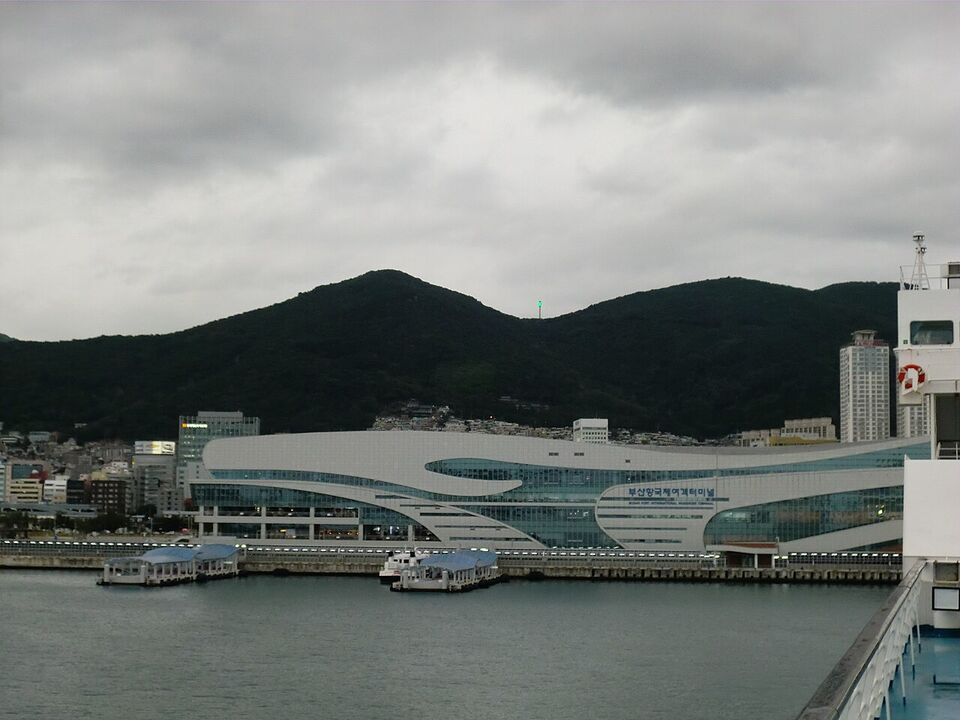
Busan is the country's largest seaport and a major cruise port. Ships dock at passenger facilities in the harbor area, and some berths are close to the center, while others are further out. Your cruise line will say which terminal you use. From the harbor, taxis, shuttle buses and the subway link to the main sights. Busan has a lot packed into a short distance, which makes it one of the better port days in Asia. See Busan.
Jeju
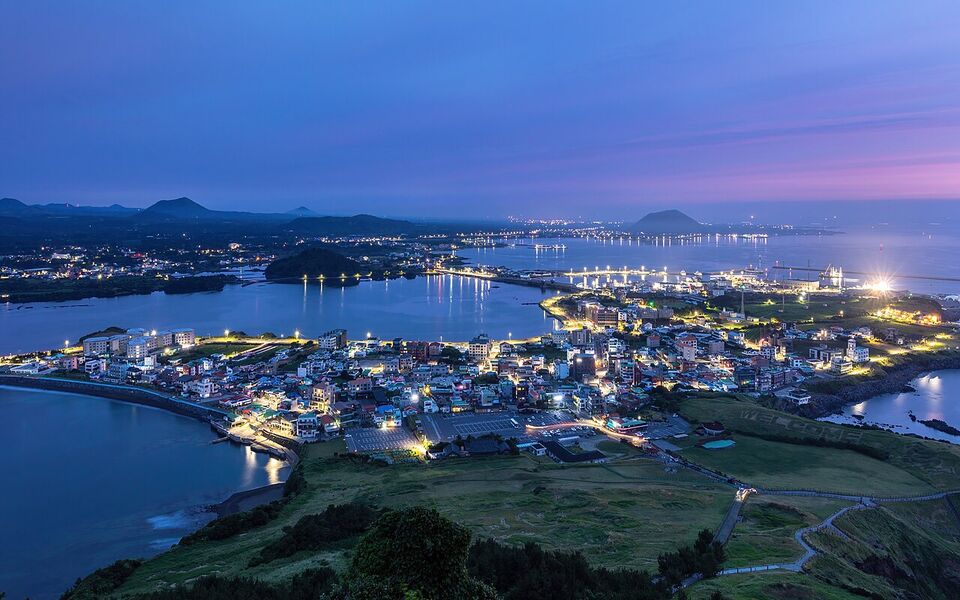
Jeju is an island of volcanic landscapes, coast and walking trails. Cruise ships call at Jeju Port in Jeju City on the north coast and at the port area in Seogwipo on the south coast, depending on the ship and the sea conditions. Some ships dock, and some anchor offshore and use tenders (small boats) to bring passengers to land. Weather affects both. See the section on Jeju below. See also Jeju Island.
Incheon
Incheon is the port for Seoul, about an hour or more away by road or rail depending on traffic and the terminal. Calls at Incheon are fewer, and itineraries are often a turnaround or start or end of a cruise, which makes it a better place for adding Seoul days before or after the ship. See Incheon Airport Transfers for how people travel to Seoul, and Seoul.
Other ports
Some itineraries use smaller Korean ports, such as Sokcho on the east coast (gateway to Seoraksan), Yeosu on the south coast, and sometimes others. These calls vary by season and by cruise line, and they may involve a shuttle or a tender, so rely on your cruise line's port guide. See Sokcho and Seoraksan and Yeosu, Suncheon and Tongyeong.
How long you have and what a day allows
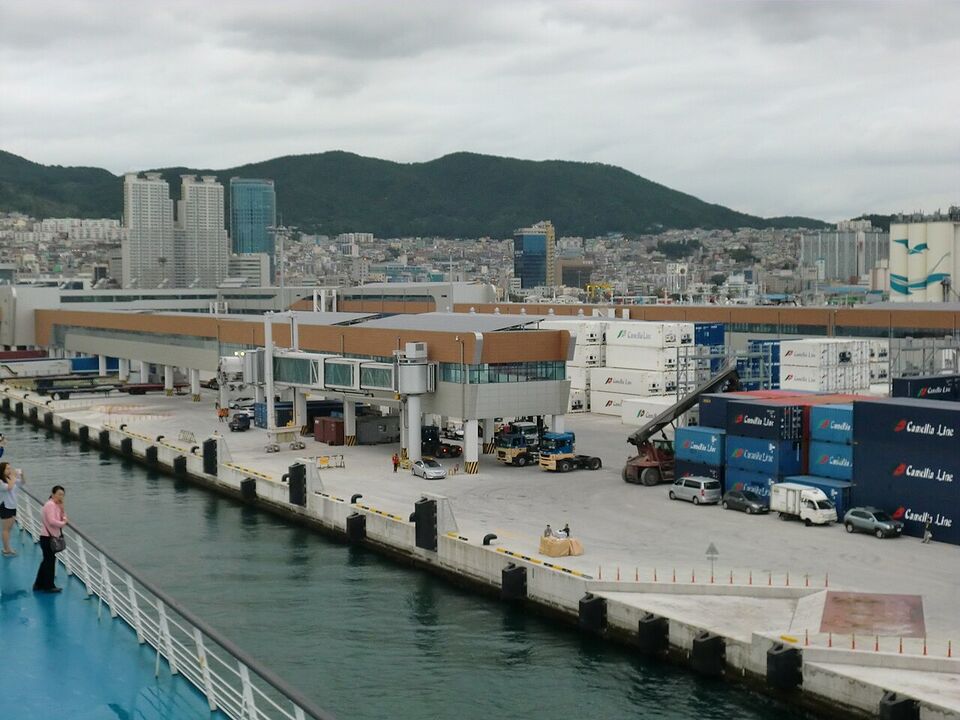
Most calls last one day, and many ships are in port from the morning to the late afternoon. Some ships stay later, and Busan has been encouraging overnight and evening visits, though we could not confirm which ships offer them. The all-aboard time is the key number: it is the time you must be back on board, not the sailing time, and it is typically set well before departure (your cruise line states it). Aim to be back well before it.
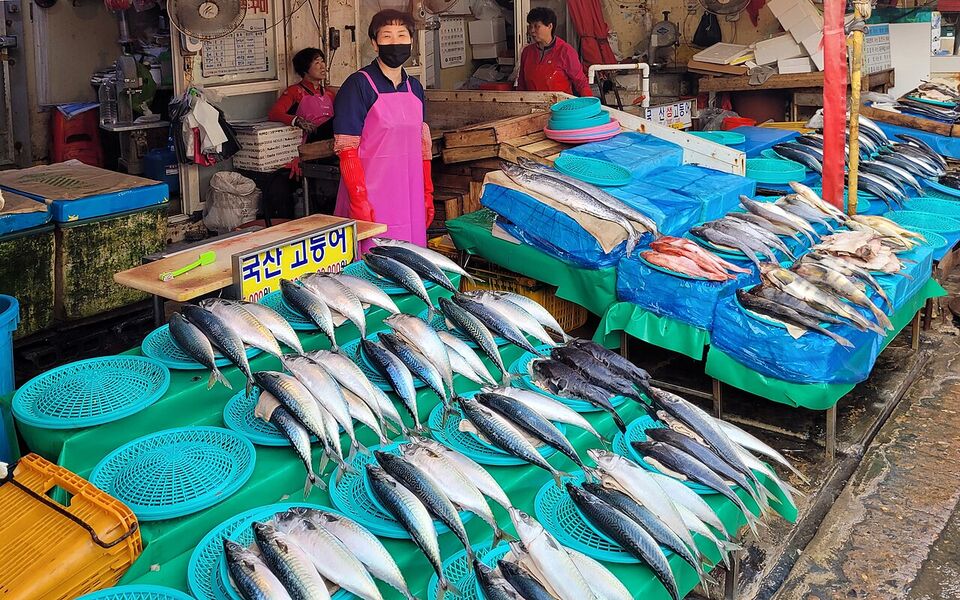
- Busan, about 8 to 10 hours: enough for two or three main stops plus a meal. For example, Gamcheon Culture Village and Jagalchi Market, or the Haedong Yonggungsa temple by the sea, plus a harbor-side walk.
- Jeju, about 8 hours: one or two sights by tour or taxi, such as Seongsan Ilchulbong or the lava tube area, and the coast. Distances on the island are larger than they look.
- Incheon, a long day: Seoul's palaces or the Incheon waterfront and Chinatown are possible, but Seoul is a hard round trip.
Do less than you think. Plan around one main target, add a second only if time remains, and build in a cushion of an hour for traffic and queues.
Reaching the city from the port
- Cruise-line shuttle: many ships run a shuttle bus from the pier to a central drop-off. This is often the simplest option, and you can usually buy a ticket on board or pay a small fee.
- Taxi: taxis wait at larger terminals. Have your destination in Korean or on a map pin and agree on the route. Cards are accepted in many cities, but keep some cash. Tipping is not customary.
- Subway and bus: Busan's subway is efficient, and a T-money card works on it. A walk from the pier to a station may be needed. See KTX, Buses and Subways.
- Organized tour: the cruise line's tour or a licensed local operator takes care of transport and timing.
We could not confirm exact shuttle routes, fares or travel times for each port, so use your cruise line's port guide and a map app. Install Naver Map or KakaoMap before you go.
Shore excursion or independent day?
A cruise-line excursion costs more but protects your schedule: if it runs late, the ship waits. Independent trips cost less, and give you freedom, but you carry the risk of getting back on time. Choose by what you want to see and how comfortable you are with transport in a foreign country.
| Choice | Good for | Trade-offs |
|---|---|---|
| Cruise-line excursion | Distant sights, first-timers, limited mobility, travelers who want a guaranteed return | Higher price, set schedule, larger groups |
| Private or licensed local tour | Small groups, a custom plan, language help | You must check the operator and the return time; the ship does not wait for a private tour |
| Independent, by shuttle and subway | Compact sights, such as central Busan | You manage time, transport and language |
| Independent, by taxi | Two or three stops close together | Cost adds up; traffic can be heavy |
Watch out
A private tour is not covered by the ship's waiting policy. If you book outside the cruise line, build in a long margin, and confirm the operator is licensed, with a return time that suits the all-aboard time.
Jeju: tender or dock
Jeju is the port where plans most often change. Depending on the ship, the berth and the sea, a ship may dock or anchor offshore and send passengers ashore on tenders. The decision can be made at the last minute because of wind and swell, and when seas are rough a call can be shortened or skipped. Tender operations take time: queues to board, a ride to the pier, and the same on the way back, which cuts into your day.
If you tender, expect a slower start and an earlier return. Take a tender ticket if the ship uses a system for it, and check the last tender time. Plan for fewer stops, and keep your plan flexible. If you want to see Hallasan or a trail, check current access and reservation rules, since the trails have their own rules and seasonal closures, and a port day is rarely enough time for a long hike (the Gwaneumsa summit section needs an advance online reservation). For the island itself, see Jeju Island.
Because docking and tender arrangements change, we could not confirm which berths ships use in 2027. Ask your cruise line, and watch for notices in your daily program.
Port by port: what to see
| Port | Sights within a port day | Notes |
|---|---|---|
| Busan | Gamcheon Culture Village, Jagalchi Market, Haedong Yonggungsa temple, Haeundae and Gwangalli beaches | Compact and varied; subway and taxis work. Gyeongju is possible by KTX or tour but is a long day. See Gyeongju |
| Jeju | Seongsan Ilchulbong sunrise peak, lava tube area, coast, Jeju City markets | Distances are large; tender or dock affects time; weather matters |
| Incheon | Incheon Chinatown and waterfront; Seoul only with a very early start | Better to add days in Seoul around your cruise than to rush it |
| Sokcho | Seoraksan National Park, fish market and coast | Seasonal call; confirm with your cruise line |
| Yeosu | Harbor and coast; Suncheon Bay is nearby | Seasonal call; transport links vary |
Timing, weather and typhoon season
Korea's weather shapes cruises. About two-thirds of the year's rain falls from June to September, and typhoons usually come one to three times a year, mostly from July to September and peaking in August, hitting Jeju and the south coast most. A typhoon can change the route, skip a port or cancel tenders. Late spring and fall are the calmer and more popular times, with fall colors in the second half of the season. Winter is cold, with fewer sailings.
Check the Korea Meteorological Administration forecast (weather.go.kr) and your cruise line's updates in the days before a call. Pack for the season, and bring a light rain jacket year-round. For month-by-month weather and colors, see Cherry Blossoms and Fall Colors and When to Go.
Entry and customs for cruise passengers
Americans can visit South Korea visa-free for up to 90 days. US citizens are exempt from K-ETA through December 31, 2026. For travel from January 1, 2027, check k-eta.go.kr before you book. We could not confirm how entry requirements apply to cruise passengers on a short port call, including whether an arrival card applies, so ask your cruise line and check the official notices (k-eta.go.kr and e-arrivalcard.go.kr, the official e-Arrival Card site) about a week before sailing. Use only the official sites, because look-alike sites exist.
Bring your passport on shore, as you would for any entry, and keep a copy of the data page in a separate place. Korea limits the food, plants and animal products you can bring in, so do not carry fresh fruit or meat from the ship into the country. For what you can bring home to the US, see the CBP site (cbp.gov), and declare all food. Korea also has duty-free limits and a declaration rule for large amounts of cash, so check customs.go.kr, and the CBP site for your return. See Entering South Korea.
Mistakes to avoid
- Booking a Seoul day trip from Busan. The train alone takes about 2.5 hours each way, and any delay can make you miss the ship. Use Busan's sights, or book Seoul around a cruise that starts or ends at Incheon.
- Tight returns. The ship will not wait for an independent traveler. Be back at the pier an hour or more before the all-aboard time.
- Assuming the dock. Check whether your ship docks or tenders, and where, before booking a tour.
- Underestimating Jeju's distances. The island looks small on a map, but sights are far apart.
- Using the wrong map app. Google Maps is weak for directions in Korea. Use Naver Map or KakaoMap.
- Carrying only a card. Cards work widely, but carry a little cash for markets, street food and some taxis.
- Ignoring typhoon season. Read your cruise line's cancellation and change policies before you book a late-summer sailing.
Add it to a route in the trip builder, or ask us to plan the hotels, trains and guides for you.