Overview
Americans can drive in South Korea, and for a few trips a car is the best tool. For most first visits, though, it is not needed. Seoul and Busan have excellent subways, high-speed trains link the major cities, and express buses fill the gaps (see KTX, Buses and Subways). Parking is hard and costly in cities, traffic is heavy, and signs and rules can be confusing if you do not read Korean.
A car earns its keep in three places: on Jeju Island, along the east coast, and along the south coast, where buses are infrequent and the sights are spread out. This page covers who may drive, how renting works, the rules of the road that surprise Americans, navigation apps that work, parking, fuel and charging, and a table that compares driving with the train. We could not confirm several of the specific rules for 2026, and we say so below. Check the official sources named at the end of the page before you go.
Can you drive as an American?
Bring your valid US driver's license and an International Driving Permit (IDP). In the US, IDPs are sold by AAA and the American Automobile Touring Alliance (AATA), and they are valid only with your home license. Get it before you leave. Korea's own road authority, the Korea Road Traffic Authority (KoROAD), and the US State Department publish the official rules, and rental companies may apply stricter conditions than the law, so confirm with your rental company before you book. We could not confirm how long a visitor's IDP remains valid or whether every rental firm accepts every type of permit, so this is the single most important thing to check.
Rental companies also set a minimum age and a minimum number of years holding a license. Some also charge a young-driver fee or set a higher age limit for certain cars. These figures vary by firm, so read the terms on the booking page. A second driver needs the same documents and must be added to the contract.
Watch out
Do not rely on a blog or a rental site's FAQ for the permit rule. Ask the company in writing which documents it needs at pick-up, bring the original documents (not copies), and have your passport with you. If a rental agent will not release the car, you cannot fix it on the spot.
Where a car makes sense
Jeju
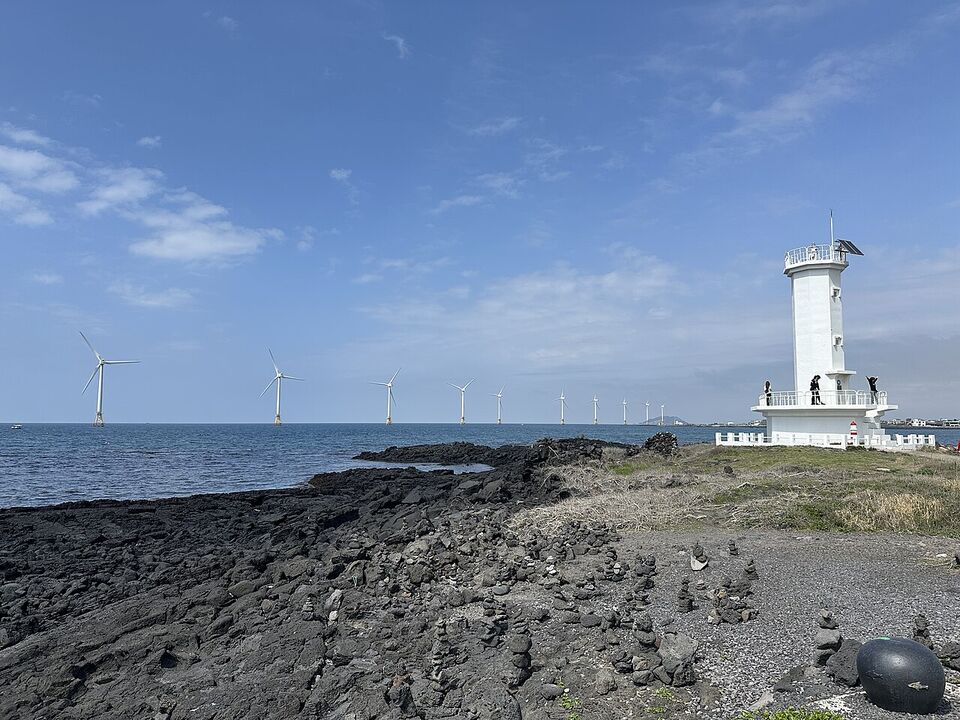
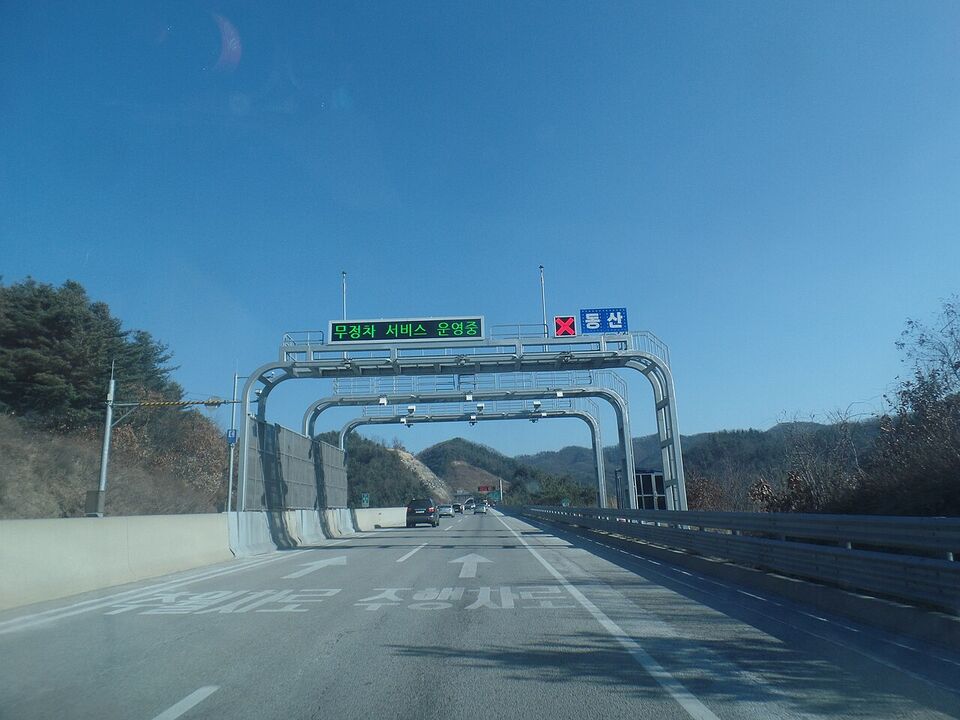
Jeju is the classic case. Sights are spread across a large volcanic island, and public buses reach many but not all of them, with transfers and waits. A rental car lets you do the coast, waterfalls, lava tubes, beaches, cafes and oreum (small volcanic cones) on your own schedule. Cars are easy to book at Jeju Airport, and the island's roads are generally in good condition. Book ahead for holidays and summer, when cars sell out. Hallasan and other trails have their own reservation and closure rules, so check them before you plan a hike around a car. See Jeju Island.
The east coast
The coast from Gangneung to Sokcho has trains and buses, but beaches, viewpoints, small harbors and mountain approaches are easier by car. Weather and snow matter in winter: mountain roads can be icy and some close, so check conditions and ask your rental company about winter tires. See Gangneung and the East Coast and Sokcho and Seoraksan.
The south coast
Yeosu, Suncheon, Tongyeong and the tea fields of Boseong are linked by train and bus, but a car makes the loop between them much easier. Distances are moderate, and the roads are good. See Yeosu, Suncheon and Tongyeong.
Where not to drive
Do not rent a car in Seoul. Traffic is dense, parking is scarce and costly, and bus lanes, one-way streets and camera-enforced rules catch visitors out. The subway is faster and cheaper. The same goes for Busan's central districts. If your trip includes Seoul and the countryside, rent only for the countryside leg, and pick up the car at a regional airport or station rather than in the capital.
Renting a car
- Book ahead. Rent in advance on the company's English site or through an international booking platform, especially for Jeju and holiday periods.
- Documents. Have your US license, your IDP, your passport and the credit card you booked with. Check that the license is valid for the whole rental.
- Insurance. Read what the basic price includes and what it does not. Ask about the deductible and any optional cover. Check whether your credit card's rental cover applies in Korea before you rely on it, and get it in writing if you can.
- Inspect the car. Photograph every scratch before you leave the lot, and make sure the staff note them on the form.
- Navigation. Ask for an English-language screen or use your phone with a mount and a car charger. Many in-car systems are Korean only.
- Pick-up and drop-off. One-way rentals are possible with some firms but cost extra. On Jeju, most visitors pick up and return at the airport.
We could not confirm current daily rates, so we give none. Prices vary with the car, season and holiday dates, and a deposit or a hold on your card is common.
Rules of the road
Koreans drive on the right, as Americans do. Many other rules are familiar, but a few details differ.
- Speed limits. Limits are posted in km/h. Expect around 50 km/h (30 mph) on many city streets, with lower limits in school zones, and a highway limit near 100 km/h (60 mph) on many roads, but read the posted signs, since limits differ by road. We could not confirm the national limits for 2026.
- Speed cameras. Cameras are everywhere, including average-speed sections, and fines mail to the rental company, which passes them to you with a fee. Navigation apps warn you of cameras with a tone, so keep the sound on. Slow down at the sign, not only at the camera.
- Drinking. The legal alcohol limit is low and checkpoints happen. Do not drive after drinking anything.
- Seat belts and phones. Wear a seat belt in every seat, and do not hold a phone while driving; check KoROAD for the current rules.
- Red lights and turns. Signals can be a different pattern than at home: look for green arrows and read the lane markings. Do not assume a right turn on red is allowed, as it often is in the US; turn only when a sign or green arrow clearly permits it, and check the rule with your rental company.
- Bus lanes. In cities, bus lanes are marked in color and enforced by camera. Stay out of them at the listed hours.
- Pedestrians and scooters. Delivery scooters, small trucks and buses often move fast and make sudden lane changes. Leave extra space.
Different from home
Distances and speeds are in kilometers. A sign that says 100 means about 60 mph. Fuel is sold by the liter, so a price in won per liter is not directly comparable to a price per gallon (a US gallon is about 3.8 liters).
Tolls and the Hi-Pass
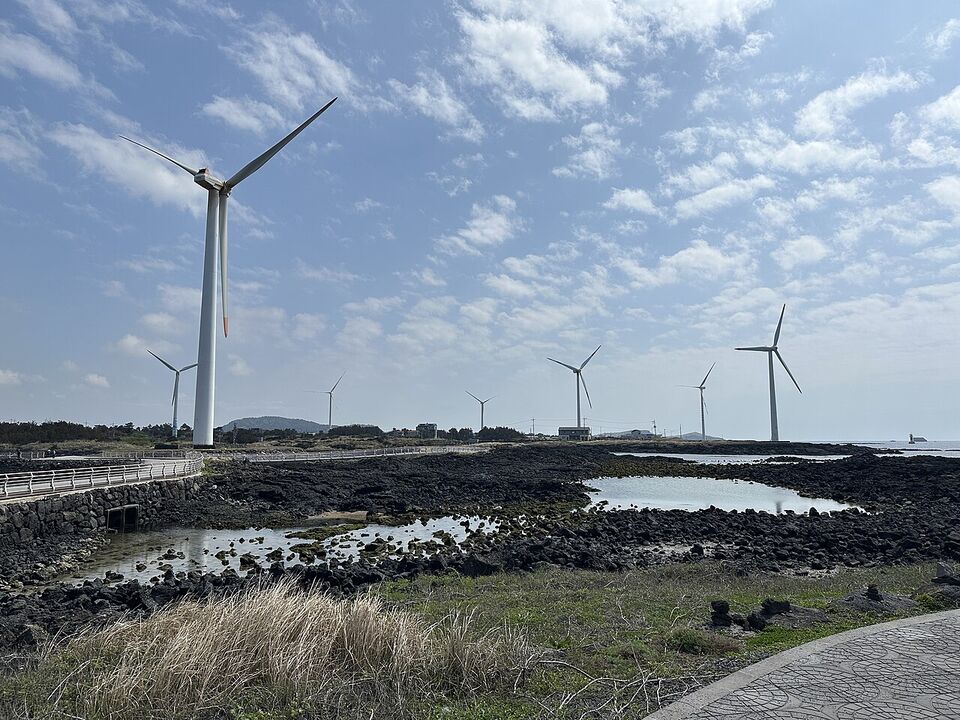
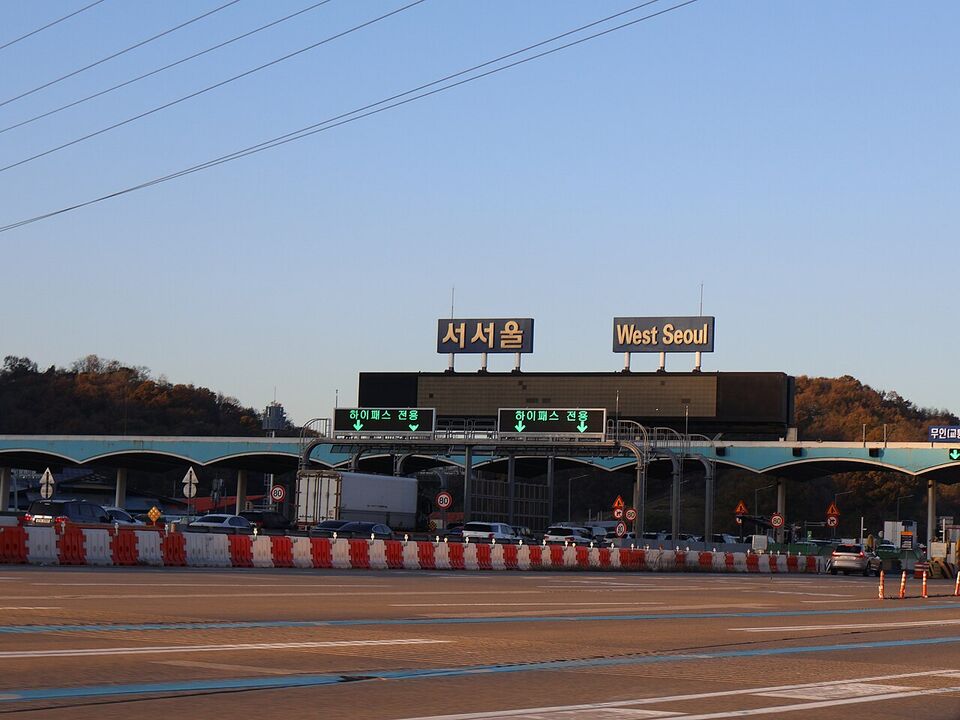
Korea's expressways are toll roads, run by the Korea Expressway Corporation (ex.co.kr). Most cars use Hi-Pass, an electronic toll system, and Hi-Pass lanes are marked with a blue sign. Ordinary lanes take cash or cards at many plazas, but check with your rental company. Tolls add up on long trips.
Ask your rental company how tolls are handled. Some cars have a Hi-Pass device and bill your card afterward, and others expect you to use a manual lane. Driving through a Hi-Pass lane without a device can lead to an unpaid toll and a fee later, so stay out of blue lanes if your car has no device. We could not confirm toll rates or the current rules for foreign cars, so check ex.co.kr and the rental contract.
Navigation: use Naver or Kakao
Google Maps is not a good driving tool in South Korea. As of November 2026, Google Maps gives little or no driving or walking directions in Korea (it works mainly for transit), so check before you rely on it. Use Naver Map or KakaoMap (or Kakao Navi), which give turn-by-turn directions, live traffic, camera warnings and parking information. Both have English interfaces, though some addresses and place names work best in Korean, and a search for a landmark's Korean name can help. For setup tips, see Phones, Wi-Fi and Apps.
Plug in the phone, bring a car mount, and download offline maps in case you lose signal in mountains or on islands. Addresses in Korea can be hard to read on the road, so enter a phone number or a map pin for your hotel if you can.
Parking, fuel and charging
Parking
In cities, parking is limited and often paid by the half hour or hour. Hotels may have small garages, some of which charge extra or do not accept large cars. Attractions often have lots that fill quickly in peak season and on weekends. On Jeju and rural areas, parking is usually easy and often free. Do not park in yellow-line or red-line zones, which are no parking, and watch for no-parking signs near markets and temples.
Fuel
Gas stations are plentiful and many are staffed, with attendants who pump and take card payment. Make sure you know which fuel the car uses, gasoline or diesel, and ask the rental company if the label is not clear. Prices are posted per liter. Because a US gallon is about 3.8 liters, a price per liter is not directly comparable with a price per gallon. We could not confirm current pump prices from an official page, so check the sign at the station.
Electric vehicle charging
Korea has many chargers, and Jeju has many EV rentals. But charging networks use several operators, apps and cards, and a foreign visitor may not be able to register easily. If you rent an EV, ask the rental company which charging card or app comes with it, and plan routes with chargers marked. Gasoline cars are simpler for a short trip.
Driving versus public transport
| Trip | Best choice | Why |
|---|---|---|
| Seoul and its day trips | Subway, train, bus | Traffic and parking are poor; transit is fast and cheap |
| Seoul to Busan | KTX or SRT | About 2.5 hours by rail, no parking or fatigue |
| Busan city | Subway and taxi | Hilly, busy streets; subway reaches major sights |
| Gyeongju | Train plus bus, taxi or bike | Sights are close together; a car helps only if you roam beyond the center |
| Jeju | Rental car | Sights are spread out; buses are slower |
| East coast (Gangneung to Sokcho) | Car or bus | Beaches and viewpoints reward a car; KTX reaches Gangneung |
| South coast (Yeosu, Suncheon, Tongyeong) | Car or KTX plus taxi | A car links the stops; trains are good between the main cities |
| Mountain trailheads | Bus or car | Check parking and trail reservations; buses can be crowded |
Mistakes to avoid
- Arriving without an IDP. It must be in hand at the rental desk. A US license alone may not be enough.
- Renting in Seoul. Rent when you leave the capital, not before.
- Trusting Google Maps. Set up Naver Map or KakaoMap first.
- Ignoring tolls. Ask how the rental car pays tolls and avoid the wrong lane at a toll plaza.
- Speed cameras. A fine arrives weeks later, with a handling fee. Keep to the limits.
- Driving after dark in unfamiliar mountains. Roads can be narrow, with sharp turns and fog.
- Booking late for holidays. Seollal (February 6-8, 2027) and Chuseok (September 14-16, 2027) fill rental fleets and clog highways.
Add it to a route in the trip builder, or ask us to plan the hotels, trains and guides for you.