Overview
February is a good month for South Korea if you accept the cold and plan around one date: Seollal, the Lunar New Year, on Sunday, February 7, 2027. Seoul is dry and chilly, with highs around 41°F (5°C), and the month feels like a slow thaw by the end. Sights are quieter than in spring or fall, and the ski slopes, bathhouses and hot street food are all at their best.
The catch is the holiday. Seollal is one of the two biggest travel rushes of the year, with packed trains, full highways and many family-run shops and restaurants closed for a few days. This page covers Seollal and what it does to a trip, the weather, skiing, winter festivals, the first flowers in the south, a week that avoids the rush, and what to pack.
The month before is on our January page and the one after is March. For a month-by-month comparison, see when to go to South Korea.
Seollal, the Lunar New Year, in 2027
Seollal is a family holiday. Many Koreans travel to their home towns, wear hanbok (traditional Korean dress), bow to their elders and eat tteokguk (rice-cake soup). For visitors the practical effects are crowds on the move and a quiet, half-closed city.
| Date (2027) | Day | What to expect |
|---|---|---|
| February 5 | Friday | The rush begins; trains, buses and highways fill up in the afternoon |
| February 6-8 | Saturday to Monday | The official holiday: the day before Seollal, Seollal itself (Sunday, February 7) and the day after |
| February 9 | Tuesday | Substitute holiday, because Seollal falls on a Sunday; a Korean business paper lists the holiday as February 6-9. Return traffic is heavy |
| February 10 | Wednesday | Normal opening hours return, though some businesses may be slower to reopen |
We did not find the substitute day on an official government page, so check the Korean government's holiday calendar before you book anything on February 9. The full list of holidays is on Festivals and Holidays.
What closes and what stays open
- Closed or limited: many small restaurants, family shops, traditional markets and some cafes, often from the day before to the day after. Some tourist areas stay busy because visitors from other countries where Lunar New Year is also celebrated travel at the same time.
- Usually open: convenience stores, hotels, airports, large tourist sights and many chain restaurants and cafes. Hours can be shorter, so check each place.
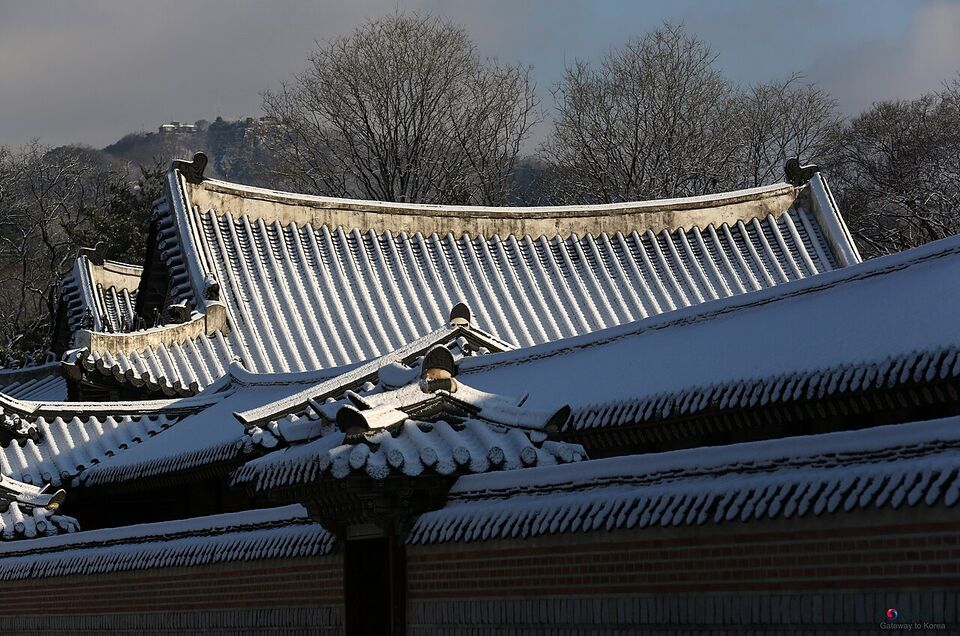
- Palaces and museums: in 2025 the Seoul palaces and royal tombs offered free admission across the Seollal holiday, according to Korean press, and many ran holiday programs. We do not know what is planned for 2027, so check royal.khs.go.kr in late January. Some palaces and museums also have their usual weekly closed day (Gyeongbokgung usually Tuesday, Changdeokgung usually Monday).
- Seoul itself: the city is noticeably emptier when residents leave for their home towns, which makes palaces and walks pleasant if you have food and a plan.
Watch out
Do not plan a long KTX or road trip on February 5, 6 or 9. Seats on popular routes sell out, and a drive that takes a few hours on a normal weekend can take much longer. If you must travel, book as early as the operator allows, and carry snacks and some cash in case your lunch stop is closed.
Different from home
There is no American equivalent for how fully a Korean city shifts during Seollal. Think of the days around Thanksgiving, but with most small businesses closed as well. If your trip overlaps, build the plan around Seoul's big sights, bathhouses and hotel dining, and book your meals ahead.
Weather: cold, dry and slowly easing
These are long-term averages. Real weeks vary, and wind makes it feel colder than the numbers.
| City | Average high | Average low | Notes |
|---|---|---|---|
| Seoul | 41°F (5°C) | 26°F (-3°C) | Dry and bright; cold snaps are common |
| Gangneung | 45°F (7°C) | 30°F (-1°C) | East coast; the mountains inland can have heavy snow |
| Busan | 50°F (10°C) | 35°F (2°C) | Milder; snow is rare |
| Jeju City | 50°F (10°C) | 39°F (4°C) | Windy, damp and cloudy |
The air is very dry, so lips, skin and throats suffer. A heavy snowfall in Seoul is possible but not reliable. February is also the month when the cold begins to break, and late February afternoons can feel pleasantly mild in the sun. Fine dust can appear on some winter days, so check airkorea.or.kr if you are sensitive.
Korea does not change its clocks, and it is 14 hours ahead of New York in February, so a flight that leaves the US on a Monday usually lands on Tuesday. The US changes its clocks on March 14, 2027, which brings the gap to 13 hours.
What's on in February
Daeboreum, the first full moon
Jeongwol Daeboreum (the great full moon of the first lunar month) marks the 15th day of the first lunar month. It is the 15th day of the lunar year, counting Seollal on February 7 as day 1, which makes it Sunday, February 21, 2027. It is a smaller folk holiday: people traditionally eat a bowl of mixed grains and cracked nuts, and some towns hold moon-viewing or bonfire events. It is not a public holiday.
On Jeju, a fire festival is held around Daeboreum at Saebyeol Oreum (a small volcanic cone), where large piles of hay are burned, with wishes, torches and fireworks. We could not confirm whether it runs in 2027 or on which dates, so check visitjeju.net.
Winter festivals mostly end in January
The big ice festivals are usually over by February. The Hwacheon Sancheoneo Ice Festival, for example, was marketed for January 2027 (see January). Other snow and lantern events vary in dates and may run only on weekends. The Korea Tourism Organization (english.visitkorea.or.kr) keeps a list of winter festivals for 2026-27. Check it before you plan around any single event, because warm spells can cancel outdoor festivals.
Early flowers in the south
Jeju is known for camellias that bloom through the winter, and the island's camellia gardens are a pleasant indoor-outdoor stop on a cold day. Peak timing varies, and we could not confirm 2027 blooming dates, so look at garden websites before you go. Plum blossoms (maehwa) usually open later, in March, on the south coast, although a few early trees may open in late February in a warm year. See March and the cherry blossom and seasons guide for more on flowers.
Skiing in February
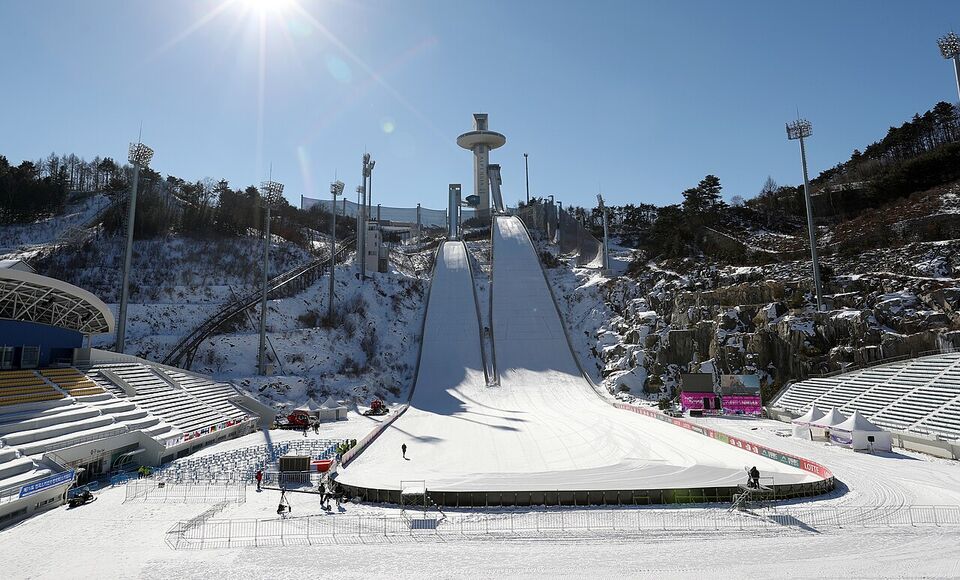
February is part of the core ski season. Resorts in Gangwon Province, such as Yongpyong (season listed as November to early April), Alpensia and High1, run groomed slopes, much of it on machine-made snow, and many have night skiing. Weekends and the Seollal week are crowded, so midweek is calmer. By the end of the month the snow can soften in the afternoon.
We could not confirm 2026-27 lift ticket prices, opening dates or shuttle schedules, so check each resort's website. Our skiing page covers resorts, rentals and transport from Seoul.
Insider tip
Book lodging, rental gear and any ski bus well before February 5-9, or choose a midweek window the week before or after. Roads to Gangwon are busiest on Friday evenings and Sunday afternoons.
Bathhouses, hot food and other indoor days
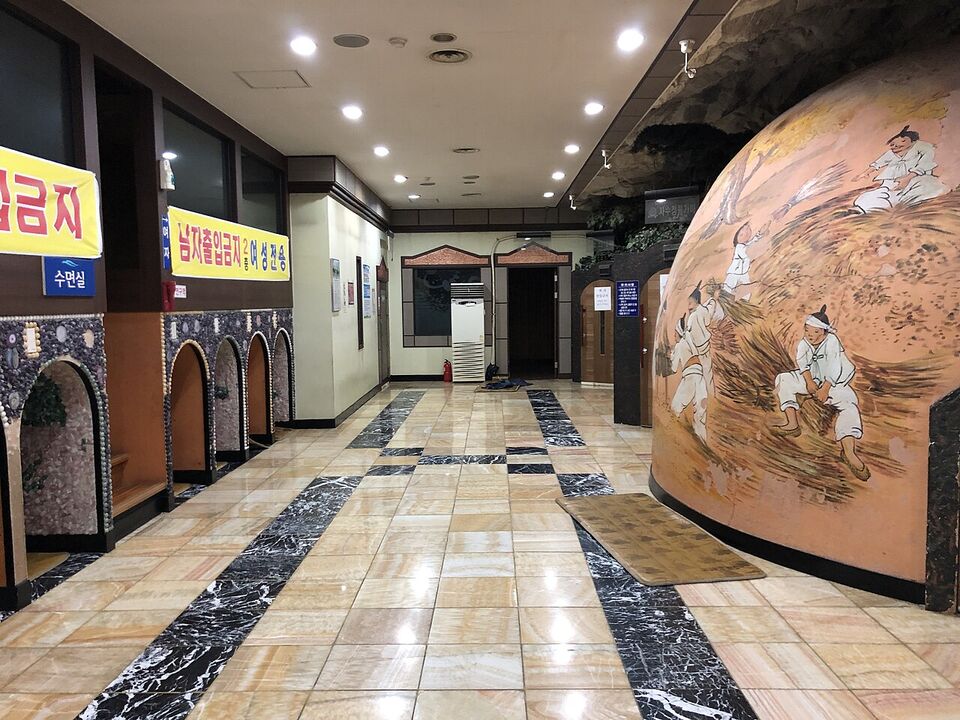
When the wind is sharp, a jjimjilbang (public bathhouse and sauna; 찜질방 on signs) is the most Korean way to warm up. Bathing areas are nude and separated by gender, you wash before you soak, and the shared sauna rooms are mixed and worn in the clothes provided. Prices and hours vary, so check each venue. See Korean Etiquette for the rules.
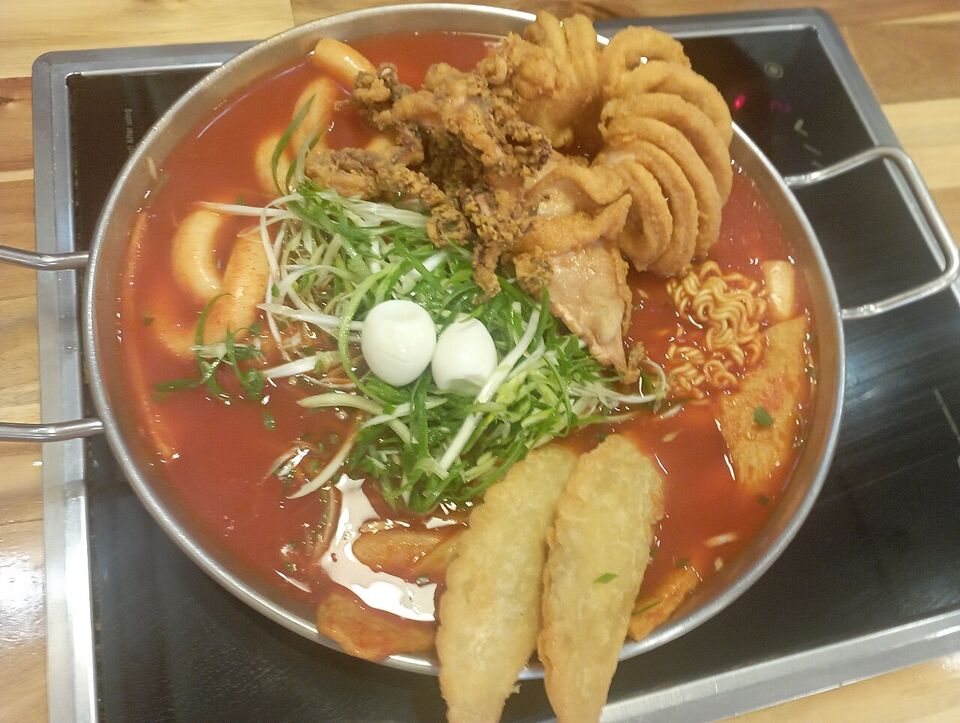
Winter food is the other reason to come: hot stews and soups, grilled meat, fish cakes and sweet pancakes from stalls. See Seoul Food and Korean Food. Many buildings use ondol (heated floors), and underground arcades connect parts of Seoul's subway network, which helps on the coldest days.
Where to go this month
Seoul palaces
Gyeongbokgung and Changdeokgung cost ₩3,000 (about $2.50) each, and Changgyeonggung, Deoksugung and Jongmyo ₩1,000 (about $1), as of November 2026; the government has discussed raising fees. Winter crowds are thinner, and a snowfall is a bonus. See Things to Do in Seoul.
Ski resorts
The main ski areas are roughly two hours or more from Seoul, depending on traffic. Book early for weekends and Seollal week. See Skiing.
Jeju
Mild compared with Seoul, windy, and quieter than summer. Camellia gardens and coastal walks fit the season; check ferry, flight and trail conditions. See Jeju Island.
Busan
Highs near 50°F (10°C) make it an easier winter city than Seoul, with seafood and sea views. See Busan.
Gangneung and the east coast
KTX-Eum trains reach Gangneung in about two hours; check the timetable. The winter sea is dramatic and the cafes are warm. See Gangneung.
Gyeongju
The royal tombs and temples are quiet in winter. Dress warmly for open ground. See Gyeongju.
Crowds and prices
| Pros | Cons |
|---|---|
| Fewer crowds at palaces, temples and museums (except Seollal) | Cold, dry air, especially in Seoul and the mountains |
| Hotels are often cheaper than in spring and fall (we have no current rates; check) | Seollal closures and the travel rush, February 5-9 |
| Skiing, bathhouses and hot food | Short days and little greenery; blossom season has not started |
| Seollal programs and a quiet Seoul for those who plan | Winter weather can disrupt island ferries and mountain roads |
Hotel demand rises around Seollal and on ski weekends. Our where to stay page explains the main areas.
Save money
Skip the holiday days, travel midweek and book hotels in the week before or after Seollal. For a US trip, note that Presidents' Day is Monday, February 15, 2027, and some schools and offices take that week off, which can raise flight prices from the US.
What to pack
- An insulated or down coat that covers your hips, plus a windproof layer.
- Thermal base layers, warm socks and a fleece. Indoor heat is strong.
- Gloves, a hat and a scarf. Heat packs are sold in convenience stores.
- Boots with grip. Sidewalks can ice over in the morning.
- Lip balm, moisturizer and hand cream for the dry air.
- A plug adapter. Korea uses 220 V, 60 Hz with Type C and F (round two-pin) sockets. Most phone and laptop chargers are dual-voltage (100-240 V), but check the label.
Our packing list has the full set. A KF94 mask is cheap and useful on hazy days.
A sample week that avoids the Seollal rush
- Day 1
Arrive in Seoul
AREX Express from Incheon to Seoul Station takes about 43 minutes. Foreign Visa and Mastercard cards work at Seoul subway ticket machines since March 17, 2026. See Incheon Airport Transfers.
- Day 2
Palaces and old streets
Gyeongbokgung in the morning, then Bukchon and Insadong. Bukchon's red zones are open to tourists from 10 a.m. to 5 p.m. See Seoul Neighborhoods.
- Day 3
Markets and a bathhouse
Gwangjang Market for lunch, an indoor museum, and a jjimjilbang in the evening.
- Day 4
Snow day in Gangwon
A ski resort or a snow-and-sea trip to Sokcho and Seoraksan. Check road and trail conditions with the park. See Sokcho and Seoraksan.
- Day 5
Move south before February 5
KTX to Busan takes about 2.5 hours; check letskorail.com. Stay in one place over Seollal if possible.
- Seollal days
Stay put
Choose a hotel with a kitchen or dining room, plan around sights that are open, and keep an easy day for February 8-9 and expect return traffic then.
Getting around in February
Seoul's subway and buses run as usual in winter, although holidays can bring changed timetables, so check seoulmetro.co.kr. Express buses and KTX are the main long-distance options. Fares and times vary, so check letskorail.com and the bus operators. Snow can slow roads in Gangwon and Jeju, and flights and ferries can be delayed or canceled in storms. See Getting Around.
Entry for 2027 travel: US citizens are exempt from K-ETA through December 31, 2026. For travel from January 1, 2027, check k-eta.go.kr before you book. File the online e-Arrival Card before you land, using only the official site (e-arrivalcard.go.kr). See Entry Rules for Americans (K-ETA).
The bottom line
February suits travelers who want cold-weather Korea at low-season prices, snow and bathhouses, and who book around Seollal. If you cannot avoid February 5-9, treat it as a quiet holiday week, with fewer open restaurants and busy transport. If you can choose, the weeks before and after are easier. If blossoms are your goal, wait for March or April.
Add it to a route in the trip builder, or ask us to plan the hotels, trains and guides for you.