Overview: Korea's food city
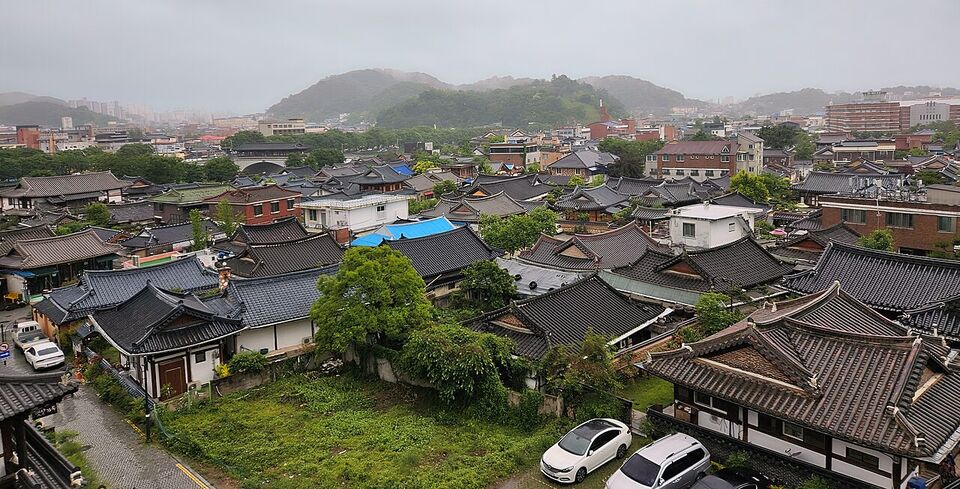
Jeonju is a city of about 640,000 people in the southwest of the country, in North Jeolla Province (Jeonbuk). Koreans know it first as a place to eat. In 2012 it joined UNESCO's Creative Cities Network as a City of Gastronomy, and its best-known dish, Jeonju bibimbap (rice bowl with vegetables, egg and chili paste), is served across Korea under its name. The city is also home to the Jeonju Hanok Village, a historic district with more than 800 traditional houses called hanok, and it is a center of crafts, paper and music.
For an American visitor, Jeonju is the easiest "slow Korea" stop outside Seoul. It is smaller and less hurried than Busan, it has a walkable core, and the food is the draw, so even a short stay feels full. It also fits a loop through the south: Seoul, Jeonju, then on toward Yeosu and the south coast, Gwangju or Busan. See South Korea's destinations for how Jeonju fits with the other regions.
The page covers the Hanok Village and its main sights, what to eat and drink, crafts and hanbok, how to get there, whether to stay a night, where to sleep, some mistakes to avoid and a short list of side trips.
The Jeonju Hanok Village
The Hanok Village sits in the Pungnam-dong and Gyo-dong neighborhoods, in the old center of the city. It has more than 800 traditional houses with tile roofs and wooden frames, laid out along lanes that wind between the old city gate, the shrine and the cathedral. Jeonju was a major provincial city under the Joseon dynasty, and the royal Yi family traced its roots here, which is part of why it has kept so much of its old center. The district was named an International Slow City in 2010, and tourism there has grown sharply since the 2000s.
The village is a living neighborhood, not a museum. Some houses are homes, some are guesthouses, and many are cafes, craft shops, tea houses and small restaurants. Be quiet in the lanes, do not open gates or enter courtyards unless a sign invites you, and ask before taking photos of people. On weekends and holidays the main streets get crowded, and the street-food snacks, from skewers to egg bread, draw queues.
Entry to the village itself is free to walk. Individual museums, experience centers and some courtyards charge fees and keep their own hours, so check before you go. The Jeonju city tourism site (tour.jeonju.go.kr) lists current hours, closed days and notices for the main sights.
The main sights, on foot
Gyeonggijeon
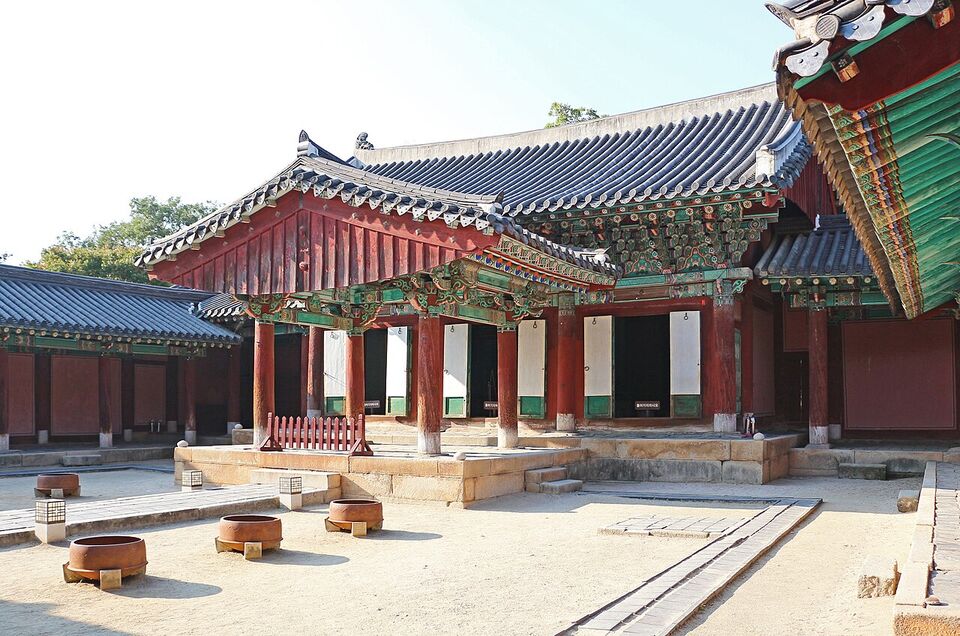
A shrine that enshrines the portrait of Lee Seonggye, the founder of the Joseon dynasty, at the front of the village. The grounds are open, with walled courtyards and trees. Check the hours and closed days on the official site before you go, since shrines and museums often close one day a week.
Jeondong Cathedral
A red-brick Catholic church in a mix of Romanesque and Byzantine styles, on the site where an early Korean Catholic martyr, Yun Ji-chung, was killed in 1791. Visitors can see the exterior and the grounds at any time; check the hours for the interior, which can change for services and weddings.
Omokdae
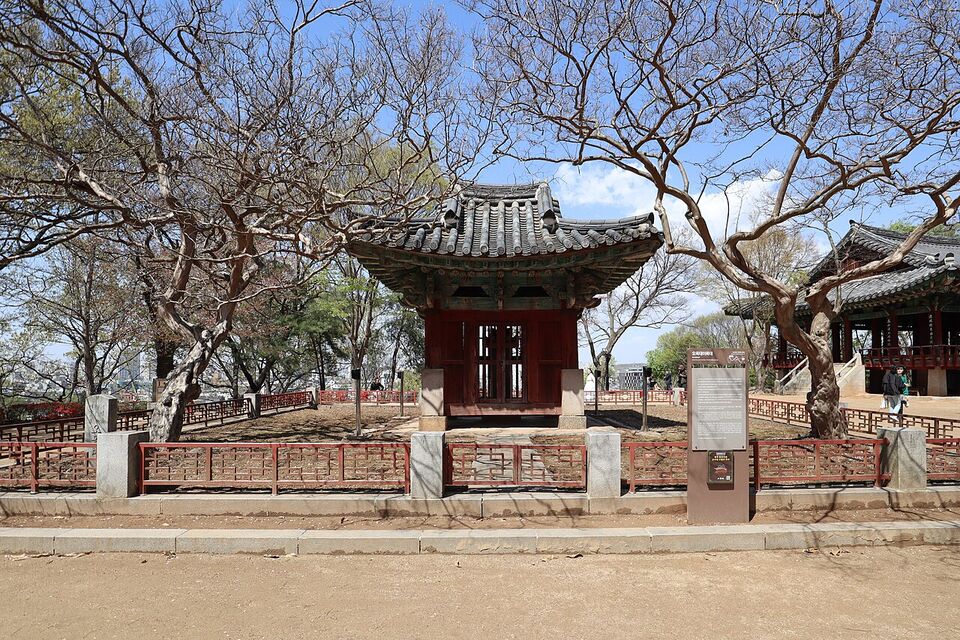
A pavilion on a rise at the east side of the village, said to mark a banquet that Lee Seonggye gave after a military victory. It gives a good view over the tile roofs, and it is a quiet place to stop at sunset. Check access times.
Hanji Center and craft studios
Jeonju is known for hanji, traditional Korean paper made from mulberry bark. Studios and the Hanji center offer short workshops where you make paper, fans or small boxes. Reserve ahead for weekend workshops.
Pungnam Gate
The surviving gate of the old city wall, at the edge of the village. It is a useful meeting point and a quick photo stop on the way to or from the main street.
What to eat and drink
Jeonju's food culture is the reason to come, and one meal is rarely enough. The city's reputation rests on home-style cooking, seasonal vegetables and a large number of side dishes. See the Korean food guide for dishes and how to order.
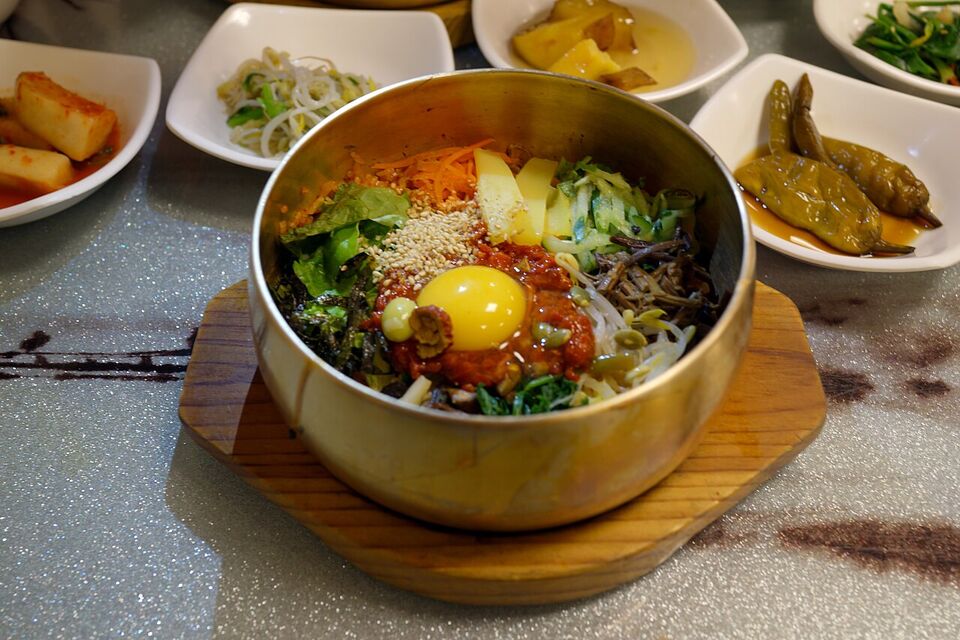
- Jeonju bibimbap: rice, seasoned vegetables, egg and chili paste, often with beef and bean sprouts, mixed at the table. Jeonju serves it in many styles, from plain bowls to hot stone pots (dolsot). The dish is served in a brass or stone bowl in many restaurants.
- Kongnamul gukbap: a rice soup with bean sprouts, popular as a morning meal, and often eaten the day after a night of drinking.
- Yukjeon: thin slices of meat coated in dough and pan-fried, like a savory pancake. Memil naengmyeon is a buckwheat cold noodle dish.
- Street snacks: skewers, egg bread and sweets sold along the village streets, with many stalls that take cards or phone payment and some that take cash only.
Makgeolli streets
Makgeolli is a milky, lightly sparkling rice wine. Jeonju is known for makgeolli streets, where you order a kettle of the drink and the table fills up with free side dishes that grow with each round. The best-known area is in the Samcheon-dong district, outside the main village. Prices and the number of side dishes depend on the bar. Makgeolli is mild but strong enough to cause a hangover, and it is sold in the same bars to locals and tourists. Ask the staff how many dishes come with each kettle.
Insider tip
Eat at least one meal outside the main tourist street. Locals also eat in the streets behind the village, near the market and around Nambu Market. Check the market's night hours before you go, because they run on weekends, and some stalls close on weekdays.
Hanbok, crafts and tea houses
Hanbok rental shops line the lanes of the Hanok Village, and visitors in colorful traditional dress are a common sight. Rentals are priced by the hour or for a set period, and shops include a few accessories. Prices and rules differ from shop to shop and we do not have confirmed 2026 figures, so compare two or three shops and check what is included, what the deposit is, and when you must return it. Do not wear hanbok into private courtyards, and carry a bag for your own clothes.
The village also has traditional tea houses where you can sit on the floor and have tea and sweets, calligraphy and printing studios, and small museums about wine, paper and food. A tea house is a good way to rest between the walk and a meal. Many are small, so you may wait on weekends.
The Jeonju National Museum, in the city and not in the village, covers regional history. We have no confirmed hours or closed days for 2026, so check the museum's site. Many museums in Korea close on Mondays, and some close on a different weekday or after a holiday.
How to get to Jeonju
There are two main routes from Seoul: the KTX high-speed train and the express bus.
| Option | Typical time | Notes |
|---|---|---|
| KTX | About 2 hours | Runs from Yongsan or Seoul stations, depending on the train, via the Honam high-speed line to Iksan, then on to Jeonju station. Fares vary by train and day; check letskorail.com. |
| Express bus | About 3 hours, depending on traffic | Runs from the Seoul bus terminals to Jeonju's express bus terminal. Fares and times are lower than the KTX in some cases; check kobus.co.kr or the terminal. |
| From Busan or other cities | Varies | Buses link Jeonju with Gwangju, Daejeon and other cities. See the getting-around page for how to buy tickets. |
We could not confirm current KTX fares or exact journey times for 2026, so treat the times above as approximate and check the operator. The booking site letskorail.com has an English page, and it works best in Chrome, Samsung Internet or Safari. A Korail Pass exists for foreign visitors; compare it with single tickets before you buy it.
Within Jeonju, the Hanok Village is walkable, and city buses and taxis connect the train and bus stations to the village. Many visitors walk between sights. For a first trip, a taxi from the station to your guesthouse saves time if you carry luggage.
One night or a day trip?
Jeonju can be done in a day, but it is built for an evening. After the day-trippers go, the lanes empty, the lamps come on and the restaurants and bars fill up. If you can spare one night, you get a calm morning, two meals in the city and a makgeolli evening.
| Day trip from Seoul | One night | |
|---|---|---|
| Time on the ground | About 6 to 8 hours after the train | A full afternoon, evening and morning |
| What you can do | Walk the village, one or two meals, one workshop | All of that plus the evening, a makgeolli bar and a slower morning |
| Cost | Train fare only, plus meals | A hotel or hanok room, plus the same train fare |
| Risk | Missing the last train or bus; a rushed day | Needs a booked room; more flexible if weather or closures change your plan |
| Best for | Tight schedules | Food lovers and anyone who wants a quiet morning in the village |
If you do a day trip, take an early train, check the return times before you eat dinner, and keep a buffer for the last train home. A short trip also works as a stop on a longer route south by train or bus.
Where to stay: hanok or hotel
Staying in a hanok is the memorable choice. Rooms are small, you sleep on a heated floor with a mattress and bedding (called yo), there may be a shared courtyard, and the bathroom can be modern or separate. Guesthouses in the village range from $ simple rooms to $$ and some higher-end houses. We have no confirmed 2026 prices, and booking rules differ from house to house. Check the Jeonju tourism site and each house's own page for rates, deposits, cancellation terms and check-in times.
Different from home
Many hanok rooms are heated through the floor (ondol) and have no beds. Sleeping on a floor mattress is normal in Korea. If you have back or knee problems, ask whether the house offers a bed, or choose a hotel near the village.
Modern hotels are near the village and around the train and bus stations, and are a good fallback on busy weekends. In holiday periods, including Seollal (Lunar New Year, February 6-8, 2027) and Chuseok (September 14-16, 2027), rooms fill up and some restaurants close. See the where to stay page for how Korean lodging works.
A sample day and night in Jeonju
This route keeps the walking short and puts the food at the center. It assumes you arrive by a late-morning train and sleep in the village.
- Arrival day
Lunch, the village and an evening of makgeolli
Take a taxi from the station to your guesthouse and drop your bags. Have a bibimbap lunch away from the busiest lane, then walk to Gyeonggijeon and Jeondong Cathedral. Go up to Omokdae in the late afternoon for the view over the roofs. After dinner, walk the lanes while the lamps are on, and finish at a makgeolli bar.
- Next morning
Breakfast soup and one workshop
Start with a bowl of bean-sprout rice soup, then book a short hanji or craft workshop. Walk the quiet lanes before the crowds arrive, visit a tea house, and head to the station by early afternoon. If you are going on to the south coast, check the connecting trains and buses first.
When to go
Jeonju is a good city in every season, but the village is at its best when the air is mild. Spring (April and May) and fall (late September to November) give comfortable walking weather and clear days. Summer is hot and humid, with heavy rain in the monsoon months, and the lanes are less pleasant in the afternoon. Winter is cold and can be dry, and some outdoor workshops are quieter, but the rice soups and hot makgeolli taste better in the cold. Weekends and holidays are crowded all year, so weekdays give a calmer visit. The Jeonju International Film Festival is held in the spring and brings extra visitors and higher hotel prices, so check its dates if you plan a trip then. See when to go for the national picture and seasons for how the weather changes through the year.
Jeonju also works well as a rainy-day city: tea houses, museums, workshops and covered markets all keep you indoors. Pack comfortable shoes with a good grip, since the lanes are paved with stone and can be slippery when wet. If you plan to wear hanbok, ask the shop about shoes, bags and rain covers before you go out.
Mistakes to avoid
Watch out
Visiting on a closed day. Shrines, museums and some workshops close one day a week, often Monday, and some close for holidays. Check the day's hours on the official Jeonju tourism site before you plan a route.
- Eating only in the main village. The busiest lane has the longest queues. Walk a few blocks for the same food at local prices, and look for places where locals eat.
- Making it a rushed day trip. The village is best in the evening. If you can, stay a night.
- Not booking a hanok. The good guesthouses fill up on weekends, fall weekends and in blossom season.
- Wearing hanbok everywhere. Keep to the public lanes, and check the rental shop's rules.
- Relying on cash only. Cards work in most places, but carry a little cash for street stalls and small restaurants.
- Not checking the bus and train times back. Know the last train or bus before you settle into dinner.
Practical tips
- Dietary needs: many Jeonju dishes use beef, fish sauce or seafood stock, even when they look vegetable-based. If you avoid meat, ask for the bowl without it and check the broth. Vegetarian restaurants exist in the city, and some serve temple-style meals.
- Getting your bearings: signs in the village carry English, and the tourist information booths hand out maps. Ask at your guesthouse about the day's events and about which lanes are closed.
- Luggage: the lanes are paved with stones and bumpy for wheeled bags. Use a taxi for the last stretch, or ask your hanok if it will meet you at the edge of the village.
- Noise and neighbors: the village is a neighborhood. Many hanok walls are thin and courtyards are shared, so keep your voice down late at night and follow your host's rules.
- Photography: do not photograph residents without asking, and do not use a drone in the village. Check the rules before flying one anywhere in Korea.
Side trips near Jeonju
- Maisan: a mountain in nearby Jinan County, named for its twin "horse-ear" peaks, with a temple at the base. It is a half-day trip by car or taxi; public transport is limited, so check how you will return.
- Wanju: the county that surrounds Jeonju, with temples, mountains and quiet villages, and some of the city's workers. A good half-day by taxi or car if you want green space after the city.
- Gwangju, Suncheon and Yeosu: farther south, by train or bus. Our south coast page covers Yeosu, Suncheon and Tongyeong. You can also continue to Busan or return to Seoul.
For money and card payments, see the money page. For safety, health and emergencies, call 112 for police, 119 for fire and ambulance, and 1330 for the Korea Travel Helpline, which gives help in English.
Add it to a route in the trip builder, or ask us to plan the hotels, trains and guides for you.