Overview: a country that is easy to cross
South Korea is a small country with one very fast spine. From Seoul, the KTX high-speed train reaches Busan in about two and a half hours, and the same network, with local trains and express buses, reaches most of the destinations in this guide. That makes it one of the easiest countries in Asia to explore beyond the capital, even on a first trip. You can unpack in Seoul and use it as a base for day trips, or you can string together a loop of regions with a change of hotel every two or three nights.
This page is the hub. It compares the main regions in a table, helps you choose by interest and season, shows a sample loop, and explains the transport logic: which routes are fast, which need a bus, and where to check before you book. Each region has its own page with details, and we link to them as we go. If you are still sorting out the basics, start with the planning page and entry rules.
The travel times below are approximate and rounded. Fares and timetables change, and we have not confirmed 2026 figures for most routes, so use the operator sites (letskorail.com for trains, kobus.co.kr and the terminal sites for buses, and the airline sites for flights) when you book.
The regions at a glance
| Region | What it is for | From Seoul | Days |
|---|---|---|---|
| Busan | Beaches, seafood, hillside villages, temples by the sea, Korea's second city | KTX, about 2.5 hours | 2 to 3 |
| Gyeongju | Ancient Silla capital: royal tombs, Bulguksa temple, Seokguram grotto, night views | KTX to Singyeongju station, about 2 hours, then a bus or taxi | 1 to 2 |
| Jeju | Volcano, coast, walking trails, black pork and tangerines | Flight, about 1 hour from Gimpo | 3 to 4 |
| Jeonju | Hanok Village, bibimbap, makgeolli | KTX, about 2 hours, or express bus | 1 night |
| Andong | Confucian heritage, Hahoe folk village, mask dance, jjimdak chicken | KTX or train, then local bus; check times | 1 to 2 |
| Seoraksan and Sokcho | Mountain national park, harbor town, squid and seafood | Express bus; check the rail situation | 2 to 3 |
| Gangneung | East coast beaches, coffee, sunrise at Jeongdongjin | KTX-Eum, about 2 hours; check the time | 1 to 2 |
| South coast | Yeosu night sea, Suncheon Bay wetland, Tongyeong harbor | KTX to Suncheon or Yeosu-Expo; buses to Tongyeong | 2 to 3 |
The times are rough guides and may differ by train type and day. Seoul itself is covered on the Seoul page, and short trips from the capital, such as Suwon, Nami Island and the DMZ area, are on the day trips page and the DMZ page.
The east, the south and the island
Busan and Gyeongju: the southeast
Busan is Korea's second city, with about 3.3 million people, a long working harbor and a beach district at Haeundae. It is a good base for seafood, hillside villages such as Gamcheon and a temple on the sea. Gyeongju, a short trip inland from Busan by train or bus (check times), was the capital of the Silla kingdom from 57 BC to 935 AD. Its royal tombs, temples and palace ponds are spread across a flat valley that is easy to cycle, and several sites are UNESCO World Heritage. The two cities pair well: three days in Busan, two in Gyeongju.
Jeonju, the south coast and Jirisan: the southwest
The southwest is the food region. Jeonju is the anchor, and the south coast adds Yeosu, Suncheon and Tongyeong. Inland, Jirisan, at 6,283 ft (1,915 m), is among the highest mountains in the country, and the Boseong tea fields on the hillsides are a short detour for those with a car. These areas are less crowded than Seoul and Busan, but the transport is thinner, and they suit travelers who like to take their time.
Seoraksan, Sokcho and Gangneung: the east coast
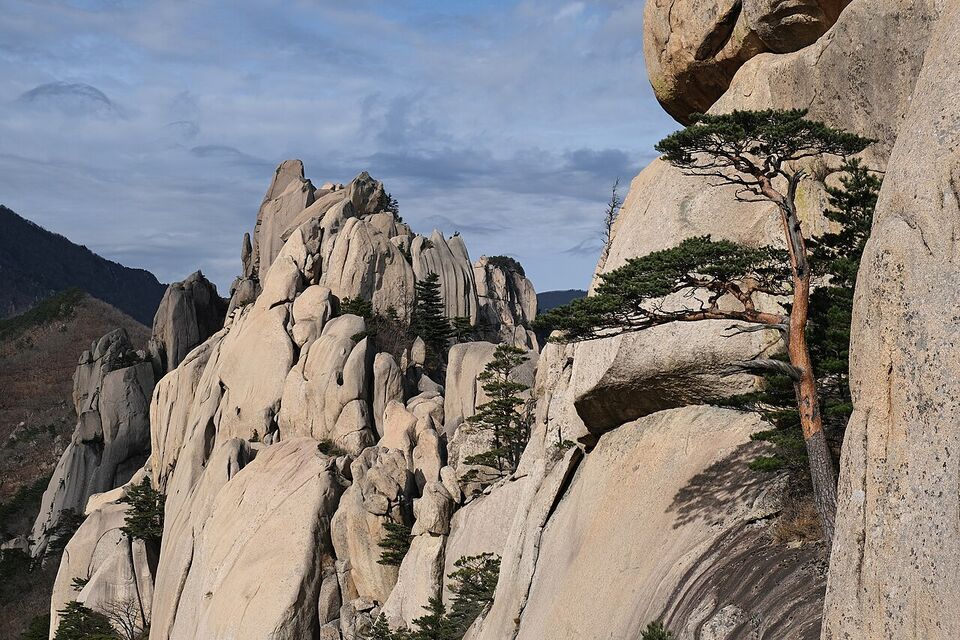
The east coast faces the sea and the Taebaek mountains. Seoraksan National Park has jagged granite peaks; its highest, Daecheongbong, is 5,604 ft (1,708 m). The town of Sokcho is the base, with a harbor, a fish market and beaches. Farther south, Gangneung has long beaches, coffee streets and Jeongdongjin, famous for sunrise. This coast is a good summer and fall trip, and the mountains are well known for their colors in October. Winter can be cold, with snow in the mountains.
Andong: the interior
Andong is a smaller city in the interior, known for Confucian culture and for the Hahoe folk village, a UNESCO site, along with a mask dance festival in the fall. It is a good stop for travelers who want a quieter look at traditional Korea. See the Andong page.
Jeju: the island
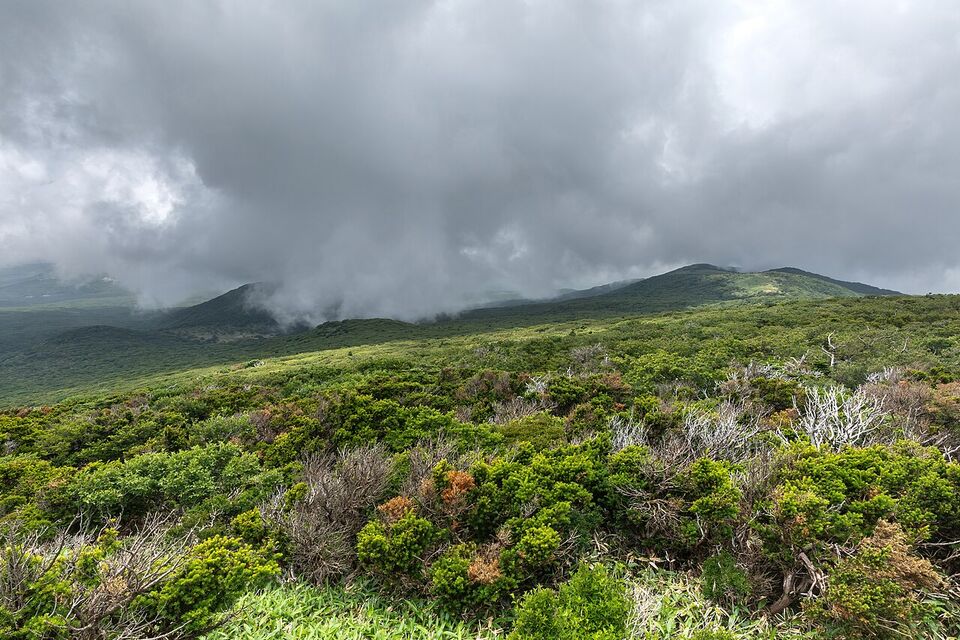
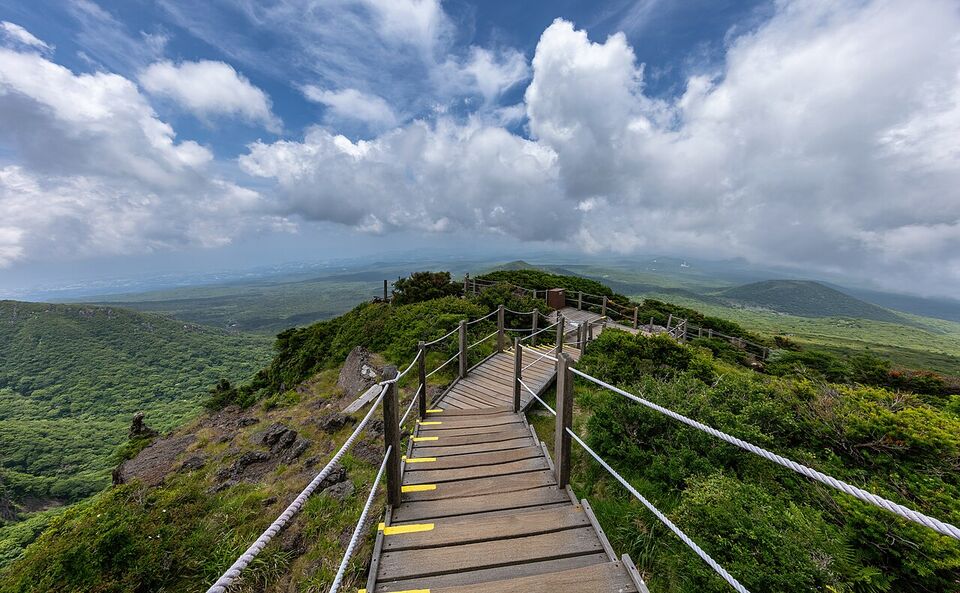
Jeju is a separate trip, one flight away. It has Hallasan, at 6,388 ft (1,947 m), the coast and the walking trails. See Jeju for how to plan it.
How to choose: by interest and season
| If you want... | Go to | Why |
|---|---|---|
| History and temples | Gyeongju, Andong | Silla capital and Confucian villages |
| Food | Jeonju, Busan, the south coast | Regional dishes and seafood |
| Mountains and hiking | Seoraksan, Jirisan, Hallasan | The three highest mountains in South Korea; see hiking |
| Beaches and the sea | Busan, Gangneung, Jeju | Summer swimming and coastal walks |
| Quiet and slow travel | The south coast, Andong, Jeonju | Fewer tour groups |
| Families with young children | Busan, Jeju, Gyeongju | See families |
By season
- Spring (April-May): cherry blossoms in the south first, then moving north; Gyeongju and Jinhae are well known for blossoms. Fine dust can appear on some days.
- Summer (June-August): beaches in Busan, Gangneung and Jeju, but hot and humid, with a rainy season from late June into July. Typhoons are most likely from July to September, peaking in August.
- Fall (late September-November): clear weather and foliage. Seoraksan, Andong and Gyeongju are popular, and tickets and rooms are in demand. Check the foliage forecast.
- Winter (December-February): cold in the north and inland, mild in Jeju and the south. Ski resorts open between late November and mid-December depending on snow. See skiing.
See when to go and seasons for more. Holidays matter more in Korea than in many countries: Seollal (Lunar New Year, February 6-8, 2027) and Chuseok (September 14-16, 2027) cause a nationwide travel rush and closures.
Transport logic: KTX plus buses
The simple rule is this: use the KTX for the long legs and a bus or taxi for the last part. KTX trains run on the high-speed lines from Seoul and on branches that continue on regular track to cities such as Gyeongju, Jeonju, Yeosu, Gangneung and Andong. Top speed is 305 km/h (190 mph). KTX stations are often outside the town center, so check the distance from the station to your hotel and the bus connection.
- Train: book at letskorail.com or at the station. Seats on weekends and holidays sell out. A Korail Pass exists for foreign visitors; compare it with single tickets for your actual route.
- Express and intercity bus: goes where trains do not, including Sokcho, Tongyeong and many towns. Buses run often, and tickets are bought at the terminal or online. See getting around.
- Flights: useful for Jeju. For other routes, the train is usually as good once you count the airport time. See flights.
- Cars: useful in Jeju and the countryside. See driving.
- Transit cards: a T-money card works on buses and subways in many cities, and at many convenience stores. Check that it works in the city you are visiting; it works in Seoul and Busan.
The KTX-Eum train has run to Gangneung since 2021. The east coast has other lines and some rail services have changed in recent years, so check the line and the timetable before you plan a train trip along the coast. A bus is often simpler.
Plans by trip length
How many regions you can fit depends on how long you have, and on how much you want to move. A rule that works well is to give each base at least two nights, and to avoid more than one long transfer day for every three days of sightseeing.
| Trip length | Suggested shape | Why |
|---|---|---|
| 7 days | Seoul (4 nights) plus one region (3 nights): Busan or Gyeongju by KTX, or Jeju by air | One transfer, one hotel change, time to recover from jet lag |
| 10 days | Seoul (4), Gyeongju (2), Busan (3) | The classic southeast line, all on the KTX corridor |
| 14 days | The loop below, or Seoul, the east coast, then Busan and Jeju | Two or three regions beyond the capital, with a buffer day |
| 3 weeks | Add Andong, Jirisan or a slow week on Jeju and the south coast | Allows slow travel and weather days |
The east coast version of the loop goes the other way: Seoul, then a bus or KTX-Eum to Gangneung, a bus north to Sokcho for Seoraksan, and a bus or rail trip back to Seoul. It takes five to six days on its own, and works best in summer and fall. Winter can add snow and some closed trails.
Whatever the length, put the long, tiring transfers at the start or end of a day, not in the middle. A morning KTX followed by an easy afternoon walk is much more pleasant than a late-afternoon arrival in an unfamiliar town with luggage and no dinner booked.
If you are traveling in the shoulder season, keep one day free in your schedule. Typhoons, heavy rain, snow and fog can close boats, cable cars and mountain trails, and a flexible day lets you swap the plan without losing a hotel night.
Weather by region
Korea is small, but the weather differs a lot between the coasts and the mountains. These are long-term averages from the Korea Meteorological Administration, and they show the contrast between regions in the same month.
| Place | January (high / low) | November (high / low) |
|---|---|---|
| Seoul | 35.8°F / 22.1°F (2.1°C / -5.5°C) | 53.4°F / 38.3°F (11.9°C / 3.5°C) |
| Busan | 46.8°F / 31.8°F (8.2°C / -0.1°C) | 61.9°F / 46.9°F (16.6°C / 8.3°C) |
| Jeju City | 47.5°F / 38.7°F (8.6°C / 3.7°C) | 61.5°F / 50.7°F (16.4°C / 10.4°C) |
| Gangneung | 41.5°F / 27.1°F (5.3°C / -2.7°C) | 57.2°F / 42.1°F (14.0°C / 5.6°C) |
| Sokcho | 39.6°F / 25.2°F (4.2°C / -3.8°C) | 55.6°F / 40.5°F (13.1°C / 4.7°C) |
The south and Jeju stay mild, while Seoul and the mountains are cold in January. Mountain trails such as Seoraksan are colder than the sea-level figures for Sokcho, and the summits can have snow and ice well into spring. About two thirds of Korea's yearly rain falls from June to September, and most typhoons arrive from July to September, with the south coast and Jeju hit most often. For up-to-date forecasts, use the Korea Meteorological Administration (kma.go.kr).
Booking, costs and timing
Costs vary by region and season, and we do not have confirmed 2026 fares for most routes. The practical rules are the same everywhere.
- Trains: book KTX seats as soon as your dates are firm, especially for weekends, holidays and the fall. Fares vary by train and day. Compare single tickets with a Korail Pass for your route before you buy.
- Buses: usually cheaper than the KTX, and often the only option for smaller towns. Buy a ticket at the terminal on the day, or online for busy periods.
- Hotels: price tiers rise in July and August, in fall and on holidays. Korea has reported record visitor numbers in 2026, so book early. See where to stay.
- Cash and cards: cards work widely, including contactless and phone payments. Carry some cash for markets, street food and small restaurants in the countryside. See money.
- Luggage: a small bag is easier on trains and buses. Many travelers send a large bag ahead or leave it at a hotel for the loop; ask your hotel about luggage storage.
Different from home
In Korea, long-distance travel is not an all-day event. A KTX ride from Seoul to Busan takes less time than many US commutes by car or a short flight with airport time. Think of it as a day trip you can sleep over, and plan arrivals for the morning or early afternoon so you have light for the first walk.
Save money
Express buses and local trains are cheaper than the KTX on many routes, and eating where locals eat is cheaper than in the tourist streets. Check the price of a rail pass against single tickets before you commit. We have no confirmed figures for 2026.
A sample loop
This 14-day loop uses Seoul as an anchor and moves around the south and back, with a change of base every two or three nights. It can be cut to ten days by dropping the south coast or Jeonju.
- Days 1-4
Seoul
Palaces, neighborhoods, food and a day trip. See Seoul.
- Days 5-6
Gyeongju
KTX to Singyeongju, a bus or taxi to town, tombs and temples, night views of the palace pond.
- Days 7-9
Busan
Train or bus from Gyeongju. Seafood, a hillside village, a temple by the sea and the beach.
- Days 10-11
The south coast
Bus or train toward Yeosu or Suncheon, with a night in each. Check connections.
- Days 12-13
Jeonju
Train or bus from the south coast, one night in a hanok.
- Day 14
Back to Seoul
KTX to Seoul and the airport. Leave a half-day buffer before an international flight.
Add Jeju as a separate three- or four-day trip, with a flight from Seoul or Busan, or replace the south coast with it. For the mountains, swap two days in the south for Sokcho and Seoraksan by bus from Seoul.
Places that do not have their own page
- Daegu: a large city between Seoul and Busan on the KTX line, with a market and a temple on the mountain. Useful as a stop.
- Jinju and Namhae: on the south coast; Jinju has a fortress and a food culture, and Namhae is an island region reached by bridge.
- Boseong: tea fields on hillsides near the south coast, a short trip with a car.
- Jirisan: the large national park in the southwest, with long trails and temples.
- Chuncheon and Nami Island: a day trip from Seoul; see the day trips page.
- Ulleungdo: an island in the East Sea reached by ferry from the east coast, for travelers who like to go farther. Check ferry schedules and weather.
Mistakes to avoid
Watch out
Too many bases. A hotel change every night costs a half-day of packing and transit. Plan two or three nights per base, and use day trips from the base.
- Ignoring bus connections. The KTX station is not the town. Plan the last 20 to 60 minutes by bus, taxi or shuttle, and check the last bus.
- Going to the east coast without checking the rail line. Train routes have changed there. Confirm the train or take a bus.
- Traveling on a holiday. Seollal and Chuseok fill trains and close shops. Book early or avoid those days.
- Trying to see all regions. Pick two or three and enjoy them.
- Skipping reservations. Book KTX seats, hanok stays and fall hotels ahead.
For entry rules, US citizens are exempt from K-ETA through December 31, 2026. For travel from January 1, 2027, check k-eta.go.kr before you book. For emergencies, dial 112 (police), 119 (fire and ambulance) or 1330 for the Korea Travel Helpline. See safety.
Add it to a route in the trip builder, or ask us to plan the hotels, trains and guides for you.