Should you add a neighbor?
For most Americans, the honest answer is no, not on the same trip. Costa Rica alone fills ten days to two weeks, the borders are long road days from the places most visitors want to see, and the paperwork, fees and advisories are different in each country. If you have a week, we suggest spending all of it in Costa Rica and starting with the trip planning guide.
If you have two weeks or more, or you are already drawn to a coffee highland in western Panama, a Caribbean island chain or a colonial lake city in Nicaragua, a short add-on can work. This page covers the practical side: the three land crossings, the flights, the places people actually go, and the rules on the Costa Rica side that decide whether you get back in smoothly.
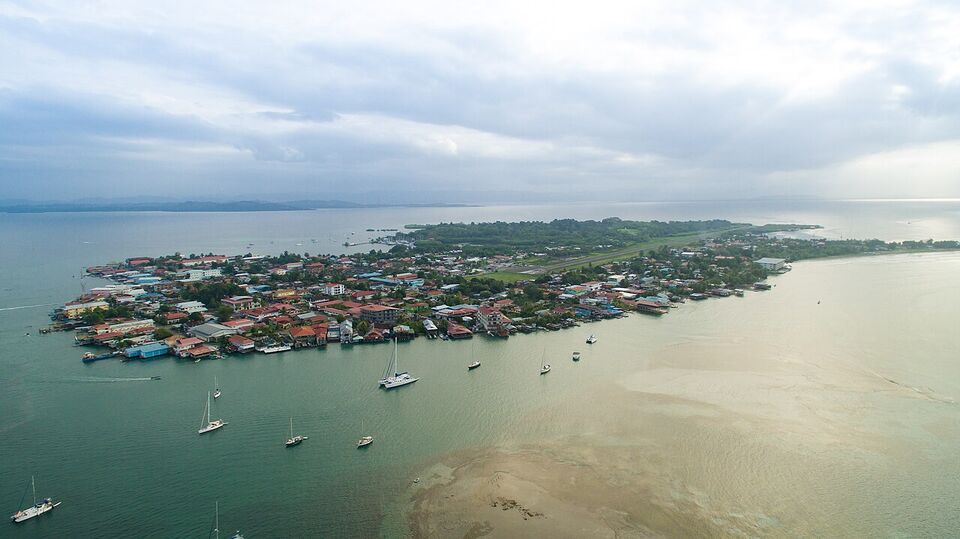
We cover two short-hop add-ons from Costa Rica. In Panama, the island town area of Bocas del Toro and the highland town of Boquete. In Nicaragua, the colonial city of Granada, the surf and beach town of San Juan del Sur and the volcano island of Ometepe. We did not confirm border hours, fees or entry rules for either country, so each of those is flagged below with where to check.
Watch out
Border fees, hours, entry forms and even which crossings are open can change with little notice. Treat every figure and time you see in a blog, including ours, as a starting point, and confirm with each country's immigration service and your airline or shuttle company before you commit to a date.
Why most visitors skip it
Four things push most travelers to stay put.
- Distance. The tourism board's drive-time table lists Sixaola, the Panama border on the Caribbean side, at about 5.5 hours from San José, and Peñas Blancas, the Nicaragua border, at about 6.5 hours. Bocas del Toro is listed at about 8 hours, and rain, roadworks and slow trucks can add an hour or more to any of them.
- Border time. You leave one country, pay whatever fees apply, queue for immigration, walk or ride across, and repeat on the other side. Plan on a large part of a day, and do not schedule a flight the same evening.
- Cars. Rental cars from Costa Rican companies cannot cross, so the trip becomes buses, shuttles and flights, which suit some itineraries and ruin others (see the section on rental cars below).
- Advisories and insurance. The State Department rates countries separately, and your travel insurance and any tour operator may treat them differently. Costa Rica sits at "Exercise increased caution" (Level 2) for crime. Check each neighbor's page yourself rather than assuming it matches.
There is also a simple budget reason. Every transfer costs time and money, and the places worth seeing in Costa Rica, from Arenal to the Osa Peninsula, are already spread out. Adding a country multiplies that.
Before you book: advisories, insurance and paperwork
US advisories
Look up each country on travel.state.gov, ideally a few days before you book and again before you leave. The Costa Rica advisory text we found is "Exercise increased caution in Costa Rica due to crime", which is Level 2. On November 13, 2026, the Panama page showed Level 2, "Exercise increased caution", but its date was September 2024, so check for a newer version. The Nicaragua page tells Americans to "Reconsider travel" because of arbitrary enforcement of laws, the risk of wrongful detention and limited healthcare, with increased caution for crime. Some insurers and tour operators will not cover or sell trips to places under the higher warnings. Read the Nicaragua page in full, and look at what it says about the specific cities you plan to visit and about how the government treats foreign visitors.
Insurance and health
Check that your travel insurance policy covers the second country, and that medical evacuation applies there. The CDC notes that trauma care is uncommon outside urban areas and recommends evacuation insurance for Costa Rica; the same logic applies to island and highland towns across the border. For vaccines and mosquito precautions, see the health guide, and check the CDC pages for Panama and Nicaragua too.
Passport and entry forms
Both neighbors will want your passport, and either may ask for proof of onward travel, accommodation and funds. We did not confirm current entry forms, visa-free periods or fees for Americans in either country. Look them up on each government's official immigration site or through your airline, and screenshot the answer.
Different from home
Crossing between Costa Rica and its neighbors is nothing like driving from Texas to Mexico or flying within the Schengen area. You exit one country and enter another, each with its own stamps and officers. Leave generous time, carry the originals of your documents, and keep US dollars in small bills for fees that must be paid in cash.
Panama: Bocas del Toro and Boquete
Panama is the more common add-on, because the Caribbean crossing sits next to Costa Rica's southern Caribbean towns and the Bocas del Toro islands are a short flight from San José.
Bocas del Toro
An archipelago of small islands and a town with water taxis, snorkeling, beach hopping and a relaxed island pace. It is reached by a short flight from San José, or by land via the Sixaola border and a boat or water taxi. It works well as a four-to-five-night add-on to the southern Caribbean coast.
Boquete
A cool mountain town in western Panama known for coffee farms and hiking. The usual overland route runs through the Pacific-side Paso Canoas crossing and the city of David, then up into the hills. It suits travelers who like Costa Rica's coffee highlands and want to compare.
Both places have their own climate patterns and seasons, and we did not research Panama's weather or currency practice for this guide. Check a Panama source for the month you plan to go, and ask your hotel what payment it takes. Mobile service for American carriers varies: Verizon lists a daily TravelPass plan and an international monthly plan, with the country list on its site. See the phones and data guide for how that works in Costa Rica, and check your carrier's page for Panama. For Costa Rica's own seasons, see the when to go guide.
Nicaragua: Granada, San Juan del Sur and Ometepe
Nicaragua's three best-known stops for visitors are a colonial city, a surf town and a volcano island. They are close to one another, and close to the Costa Rica border compared with Panama's highlands.
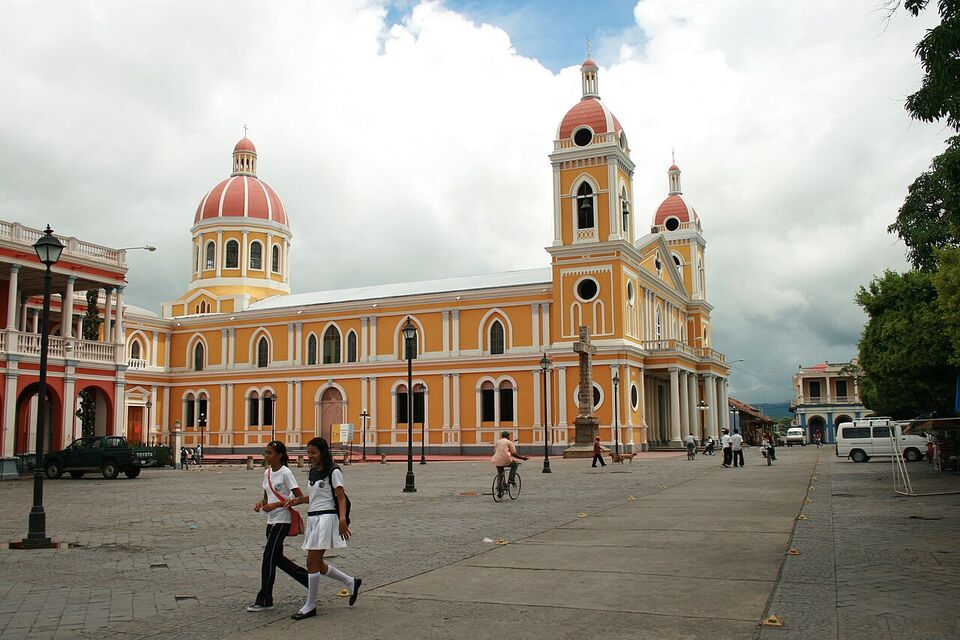
Granada
A colonial city on the shore of Lake Nicaragua with churches, a central plaza, and boat trips to small islands in the lake. It is the base most visitors use for day trips.
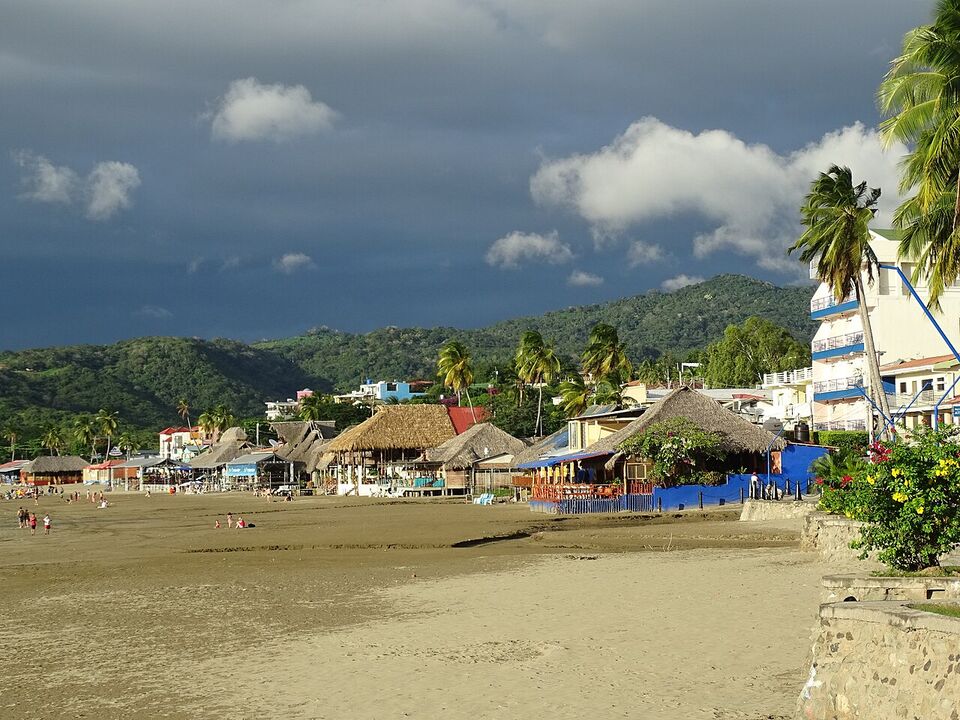
San Juan del Sur
A Pacific bay town with surf beaches and a backpacker and expat scene. It is the closest of the three to the Costa Rica border.
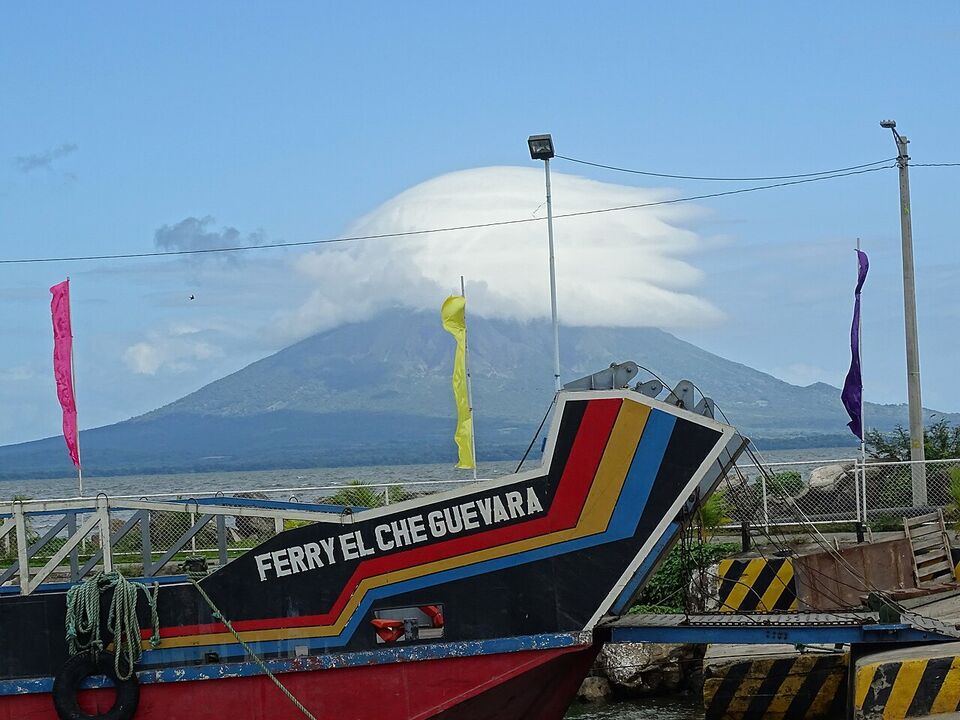
Ometepe
An island in Lake Nicaragua formed by two volcanoes, reached by ferry. It suits hikers and travelers who want quiet over nightlife.
Of the three, San Juan del Sur is the easiest to pair with Guanacaste. People who fly into Liberia and base themselves on the northern Guanacaste coast are the ones most likely to consider the Peñas Blancas crossing.
History explains why the two countries feel connected. Costa Rica annexed the Partido de Nicoya, which became Guanacaste, in 1824. It marks the event every July 25 on Guanacaste Day (see the festivals guide). Gallo pinto, the rice and beans breakfast, is claimed by both countries.
Insider tip
If Nicaragua's advisory level or insurance terms make you hesitant, you can still see the border region from the Costa Rica side. The far northwest of Guanacaste, around La Cruz and the new resort areas near the border, is about 6 hours from San José by the tourism board's drive-time table, and is a very different experience from the colonial cities across the line.
The three land crossings
All three crossings are on the Pan-American Highway system or on roads that connect to it, and all three involve leaving Costa Rica, crossing a bridge or short stretch of road, and entering the neighbor. We list typical trip times from the tourism board's table and flag every other detail as something to verify.
| Crossing | Leads to | From San José by road | Fees and hours |
|---|---|---|---|
| Sixaola | Caribbean side of Panama; Bocas del Toro by boat | About 5.5 hours | Varies; check both countries before you go |
| Paso Canoas | Pacific side of Panama; David and Boquete | About 6 hours or more (Tracopa buses run San José to Paso Canoas) | Varies; check both countries before you go |
| Peñas Blancas | Nicaragua; San Juan del Sur and Granada | About 6.5 hours | Varies; check both countries before you go |
Border posts often have different schedules on each side, may close for lunch or early in the afternoon, and can have heavy lines on weekends and holidays. We did not confirm current hours or fees for any of the three. Both countries can also charge fees for entry, exit or processing that have changed in the past, and the amounts vary by nationality and mode of travel. Ask the bus or shuttle company what it expects you to pay, and carry small US bills.
The airport departure tax of about US$29 per person, which the tourism board says most airlines already include in the ticket, applies to people leaving Costa Rica by air. We did not find a confirmed rule for what, if anything, land crossers pay, so ask Migración or your transport company before you travel.
Watch out
Never hand your passport to a stranger who offers to "help" you through a border, and do not pay anyone you cannot identify as an official. Use your bus or shuttle company's guidance, keep your bags with you, and treat unexpected "fees" as a reason to ask for a receipt.
Flights, buses and shuttles
Flying
Flying is the simplest option for Bocas del Toro and Managua, because the small domestic carrier Sansa lists both on its destination page: Bocas del Toro (BOC) and Managua (MGA), alongside its Costa Rican airstrips. Green Airways, another small carrier, flies a few routes within Costa Rica; ask whether it serves Bocas del Toro. We did not confirm current fares, schedules or baggage limits for either, and small-plane flights weigh passengers and bags. Check each airline's site, and book early for the dry-season months. See the flights guide for how international arrivals work.
Buses
Buses are cheap and slow. Tracopa serves southern Costa Rica and lists routes to Paso Canoas and to David in Panama. MEPE, the company serving the Caribbean side, lists San José to Sixaola and Limón to Sixaola. International routes to Nicaragua used to leave from San José's old Terminal 7-10, which closed on April 30, 2025, with its routes moved to new terminals. Confirm which terminal a bus uses and whether it runs on the day you want, because the company, not a blog, decides. Fares and timetables were not available to us.
Shuttles
Shared shuttles are the middle option on domestic routes (roughly US$40 to US$70 per person on popular routes, per travel blogs). Interbus says it has more than 180 routes. Caribe Shuttle lists contact numbers in Panama and Nicaragua as well as Costa Rica, which suggests regional reach, but we could not confirm that either company sells a cross-border ticket on a given route. Ask before you plan around one. Caribe Shuttle also says it is not taking private transfer requests at this time. The getting around guide covers domestic shuttles, buses and flights in more detail.
Save money
A short flight to Bocas del Toro costs more than a bus but can save a full day of travel, and a day is often worth more than the fare. Add up your hotel nights and the time you would lose before you decide the bus is cheaper.
Rental cars and borders
Costa Rican rental cars cannot be driven into Panama or Nicaragua. If you want to continue by car, some major agencies offer an "inter-countries" service: you drive to the border, hand the car back, pay a vehicle exchange fee (one guide puts it at roughly US$50 to US$150), walk across immigration, and collect a separate rental car on the other side. This is not offered everywhere and the details differ, so ask the agency and get the terms in writing. Rivers are another hazard: driving a rental through a river voids all insurance, including the mandatory third-party cover.
The simplest plan for most travelers is to end the Costa Rica rental before the trip, go by flight or shuttle, and pick up a new rental, if needed, when you return. Our car rental guide explains how the mandatory insurance and deposits work, and our driving guide covers the road conditions you will face on the way to the border.
Coming back into Costa Rica
This is the part that catches people out. Costa Rica treats each entry as a fresh decision by an immigration officer.
- Stay length. US citizens are in the group allowed up to 180 days, but the officer sets the number of days stamped, and the tourism board describes the stay as non-extendable. A short trip to Panama or Nicaragua is not a reliable way to restart the clock.
- Passport. It should be valid for your whole trip, in good condition, and machine-readable. The tourism board also advises carrying a photocopy with the entry stamp.
- Exit proof. Officers may ask to see a flight or bus ticket out of the country. A pre-purchased bus ticket out counts, as does a flight, and so does proof of passage on a cruise ship.
- Funds. Immigration may ask for proof of funds of at least US$100 per month or partial month of stay.
- No form found. We found no required entry form for US visitors; check Migración before you fly.
Our entry requirements guide has the full list, and our long stays guide explains why we do not recommend relying on border trips to stay longer.
What is realistic in a week
If you must try a two-country trip in about a week, the cleanest approach is a single neighbor, a flight in one direction, and an honest accounting of the days you lose in transit. Here are two sketches. Neither is a recommendation to go, and both assume you have checked advisories, insurance and entry rules first.
- Panama
Costa Rica Caribbean coast and Bocas del Toro
Spend several nights in the southern Caribbean towns (see the Caribbean coast guide), cross at Sixaola on a morning when you have a full day, and spend three or four nights on the islands. Fly or shuttle back. Allow a buffer day before an international flight home.
- Nicaragua
Guanacaste and San Juan del Sur
Fly into Liberia, spend a few nights on the northern Guanacaste coast, and take a bus or shuttle across at Peñas Blancas for a short stay at the Pacific beaches or Granada. Return the same way and leave a buffer before your flight home.
In both sketches the border day is a day in its own right. If your trip is under ten days, count it as a lost day and ask whether you would rather spend it somewhere in Costa Rica you have not been.
Insider tip
Book the Costa Rica flight home out of the airport you will actually return to, and keep at least one night between the border and that flight. A missed bus or a long line should cost you a hotel night, not an airline change fee.
How to decide
- Choose Panama if you want islands, snorkeling and a mountain town, and can fly one way.
- Choose Nicaragua only after reading the State Department's "Reconsider travel" advisory and checking your insurance, and if you are comfortable with its terms.
- Stay in Costa Rica if you have a week or less, are traveling with young children, or want to rent a car for the whole trip.
For ideas on how to use the time instead, see the interest guide, or the regional pages for Osa and the Caribbean coast. Questions we get asked most often are in the FAQ.
Add it to a route in the trip builder, or ask us to plan the hotels, transfers and guides for you.