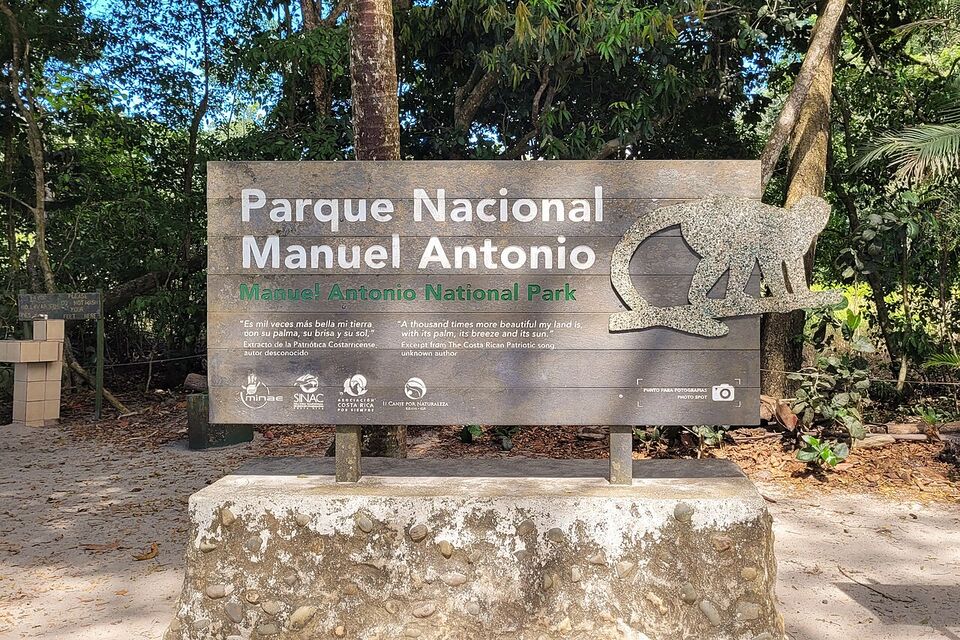
Overview: how Costa Rica's parks work
Costa Rica protects roughly one-quarter of its land and more than 30% of its marine territory, according to a Tico Times report from August 2026. The parks, biological reserves and wildlife refuges are run by SINAC (Sistema Nacional de Áreas de Conservación, the National System of Conservation Areas), a government agency. For visitors the headline is simple: more parks than before require a ticket bought in advance, and the entrance often cannot sell you one.
That is the biggest difference from a US national park, where you can usually drive up and pay at a booth. In Costa Rica the most visited parks sell timed tickets online, take cards only at the gate and enforce daily limits. This guide explains how the online system works, which parks use it, what the rules are and how to choose between parks. Pages for individual parks, such as Manuel Antonio, the Osa Peninsula and Corcovado, Tortuguero and Río Celeste, go further.
Everything about fees and access in this guide is dated November 2026 and can change. SINAC's official table was not readable by our tools, so we give fees as "about" and send you to the portal for the final price.
Step by step: buying tickets on SINAC
SINAC's reservation system is official, free to join and sometimes slow. It runs best in Chrome or Edge, and SINAC itself recommends a private (incognito) window and clearing the cache if it fails. Here is the process.
- Create an account. Go to serviciosenlinea.sinac.go.cr and choose "Create an account." Switch the language to English first. Use an email you can check, because SINAC emails you a password. If it does not arrive within a day (check spam), write to reservaciones.sinac@sinac.go.cr.
- Log in and check availability. From the home page you can pick a park and date and see whether spaces remain before you pay.
- Choose your park, date and time. Most parks sell entry in time slots, and you must arrive during yours. Choose the non-resident ticket type for yourself and any children (the foreign rate is higher than the Costa Rican rate).
- Enter visitor details. You need each visitor's full name, nationality, age and passport number. The ticket is personal: you cannot change the name or swap it to another park. Double-check the passport number.
- Pay by card. SINAC takes debit and credit cards, and one 2026 guide says Visa and Mastercard work. Allow pop-ups so your bank's 3DS security check can open. Wait for the confirmation page even if the site is slow, and do not pay twice.
- Save the confirmation. SINAC emails a confirmation with a QR code. Take a screenshot, because many parks have little or no cell signal. Bring your passport.
Rules that catch visitors out
- Ticket limits per transaction: Manuel Antonio, 6 tickets and only one transaction per user per day; Chirripó, 4; most other parks, 10.
- No refunds for no-shows or bad weather. If SINAC closes a park for an emergency, email reservaciones.sinac@sinac.go.cr to change the date.
- Time slots matter. If you will be late, tell the park using the contact email in your purchase terms.
- A ticket buys only entry. Guides, equipment, meals and transport are bought separately from local providers.
- If your card is rejected, ask your bank first; if you were charged twice, ask your card issuer for a chargeback.
Watch out
Look-alike sites exist. SINAC warned in March 2026 about a fake website selling park tickets, and resellers add fees or sell tickets they cannot deliver. Type serviciosenlinea.sinac.go.cr yourself, check that the address ends in sinac.go.cr, and be wary of any page that asks for more than names, passport numbers and a card payment.
If you book a guided tour, the operator often buys your park ticket for you, so ask before you buy your own. Otherwise you may pay twice.
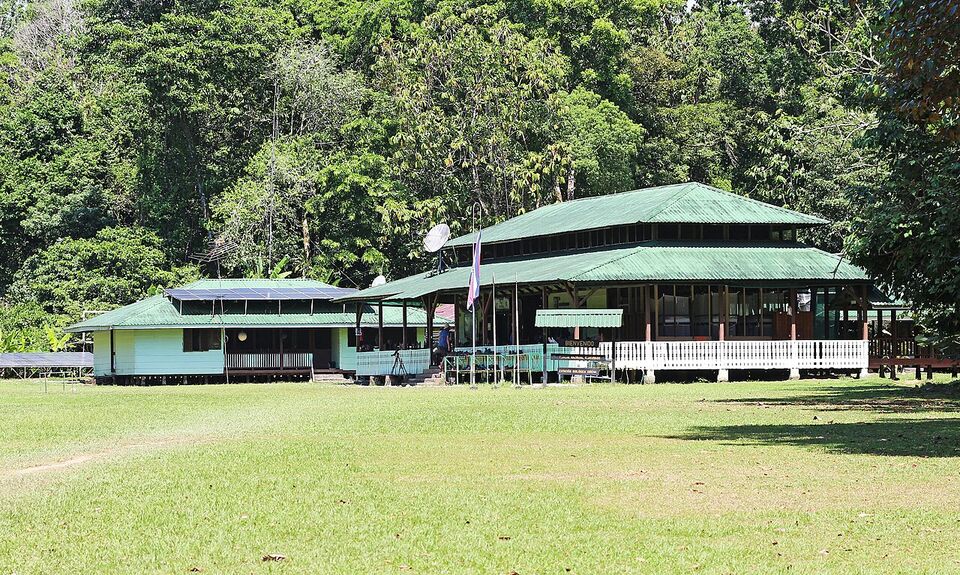
Which parks sell online and which sell at the gate
SINAC's FAQ lists the parks sold through the portal: Poás, Manuel Antonio, Irazú (crater and Prusia sectors), Braulio Carrillo (Barva sector), Tapantí, Tortuguero, Isla San Lucas, Chirripó, Tenorio and Rincón de la Vieja, plus Carara. The booking menu also shows Los Quetzales. At parks outside the system you pay at the ticket office, by card.
| How you pay | Parks | What to know |
|---|---|---|
| Online only, no gate sales | Manuel Antonio, Poás, Los Quetzales | Book as early as you can; popular slots sell out |
| Online through SINAC | Irazú, Tortuguero, Chirripó, Tenorio, Rincón de la Vieja, Carara, Tapantí, Barva sector, Isla San Lucas | Buy before you go; mobile signal at the park may be poor |
| At the gate, by card | Arenal Volcano, Cahuita (Puerto Vargas) | No cash accepted at the entrance in 2026 |
| Donation entrance | Cahuita (Kelly Creek) | Run on voluntary donations; cash is the safer bet |
| Through a guide or bank voucher | Corcovado, Isla del Caño | Email reservaciones.pnc@sinac.go.cr first, then pay by bank voucher; guides usually handle this |
| Own booking link | Santa Rosa | Use the Guanacaste conservation area's reservation page |
| Guide only | Turrialba Volcano | Authorized guide required; status varies |
| Call to reserve | Barra Honda caving tour | Not booked through SINAC |
A few parks have given conflicting answers in recent guides, including Tenorio and Marino Ballena. We tell readers to check the SINAC portal for any park on the list and to expect the answer to change. The most reliable approach is to buy online anywhere SINAC offers it, since showing up without a ticket at a park that has moved online can mean being turned away.
Different from home
Do not assume a ranger booth will take your cash or sell you a ticket. In 2026 Costa Rica's park entrances take cards only, and the biggest parks sell tickets only online. Sort out your tickets at the hotel the night before, and carry your passport, because every ticket is tied to one.
Foreign versus resident prices
Costa Rica charges foreign adults more than residents and citizens at national parks, and children less than adults. The gap can be large: for Tenorio, for example, a Costa Rican pays ₡800 (about US$2) while a foreign adult pays a US-dollar fee several times higher. You must buy the non-resident ticket, and the park may ask for your passport at the gate.
In general terms, most major parks charge a foreign adult about US$15 to US$18 as a base fee, and SINAC's checkout adds 13% sales tax (IVA). Because the official 2026 table was not readable, the numbers below are "about" figures from recent guides; the SINAC checkout shows the final price.
| Park | Foreign adult fee (about) | Notes |
|---|---|---|
| Manuel Antonio | US$18 (adults 13+) | Children 2-12 US$5; under 2 free; closed Tuesdays |
| Poás Volcano | US$15-17 | Children 2-12 about US$5; online only |
| Irazú Volcano | US$15 | Children 12 and under US$5; parking ₡2,000 (about US$4.50) |
| Arenal Volcano | US$15 | Paid by card at the entrance |
| Tortuguero | US$17 with tax | One ticket covers the canal tour and the trail |
| Corcovado | US$15-17, plus a guide | Guides cost far more than the ticket; budget for a package |
| Rincón de la Vieja | US$15-17 | Closed Mondays; active crater trail closed |
| Chirripó | US$18 base | Up to 4 tickets per purchase; books up far ahead |
| Tenorio (Río Celeste) | US$12 base | Hours 8 a.m. to 4 p.m., last entry 2 p.m. |
| Carara | US$10 base | Online through SINAC |
| Cahuita | Puerto Vargas about US$5 | Kelly Creek runs on donations |
| Marino Ballena | US$6-12 | Pay at the ranger station; Piñuela sector closed |
Free days
Entry is free for everyone on August 24, National Parks Day (the 2026 date was a Monday). You still reserve online for parks on the portal, and the checkout shows a price of zero colones. The third Wednesday of every month is free for Costa Ricans and legal residents only, not for foreign visitors.
Rules that apply almost everywhere
Guides
Corcovado and Turrialba Volcano can be visited only with a certified or authorized guide. Everywhere else a guide is optional. In parks with many animals, such as Manuel Antonio, a guide with a spotting scope finds far more than you will alone, and in places with few animals you can save the money. Costa Rica's 2026 law also fines unauthorized tours, so use operators that are licensed and ask who buys the park ticket.
Insider tip
Book the earliest time slot at every park. Volcanoes such as Poás and Irazú are usually clearest before the clouds roll in, wildlife is more active in the cool of the morning, and a morning slot leaves room if the SINAC site misbehaves and you have to try again.
Illegal entry and off-trail travel
A law in force since April 30, 2026 fines people who enter restricted areas of protected parks ₡1,386,600 (about US$3,100), and fines guides who take visitors into high-risk zones ₡4,622,000 (about US$10,400) plus seizure of their equipment. Rescue costs after an illegal entry are added: ₡2,311,000 (about US$5,200) per rescued person. Stay on marked trails and official entrances.
Drones
Drone rules are strict and we could not confirm them from an official source. Do not fly drones in or over national parks, and check Costa Rica's civil aviation authority before flying anywhere. One summary lists Arenal Volcano among the no-fly zones.
Food, plastic, trash and pets
- Food: SINAC's FAQ allows prepared food in many parks but bans gas stoves, grills and fires, and says some parks ban food entirely. Manuel Antonio bans food inside. Check the terms of your ticket.
- Plastic: some parks restrict single-use plastic and outside food, so bring a refillable bottle and read your ticket terms.
- Trash: carry out everything you bring in.
- Pets: not allowed in protected wilderness areas.
- Feeding wildlife: illegal under Law 7317, Article 116, though rarely enforced. Do not do it; see our wildlife guide.
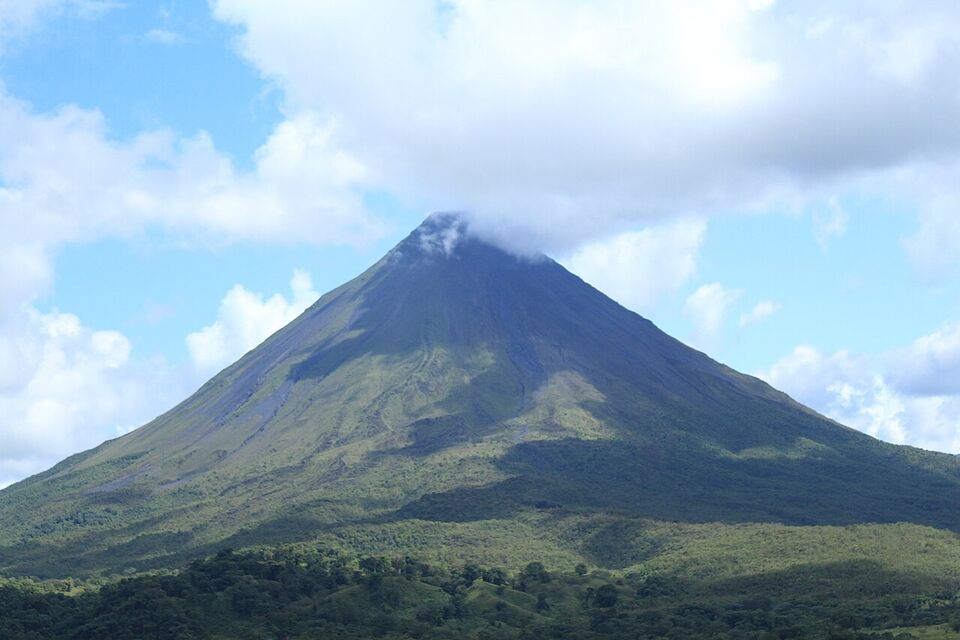
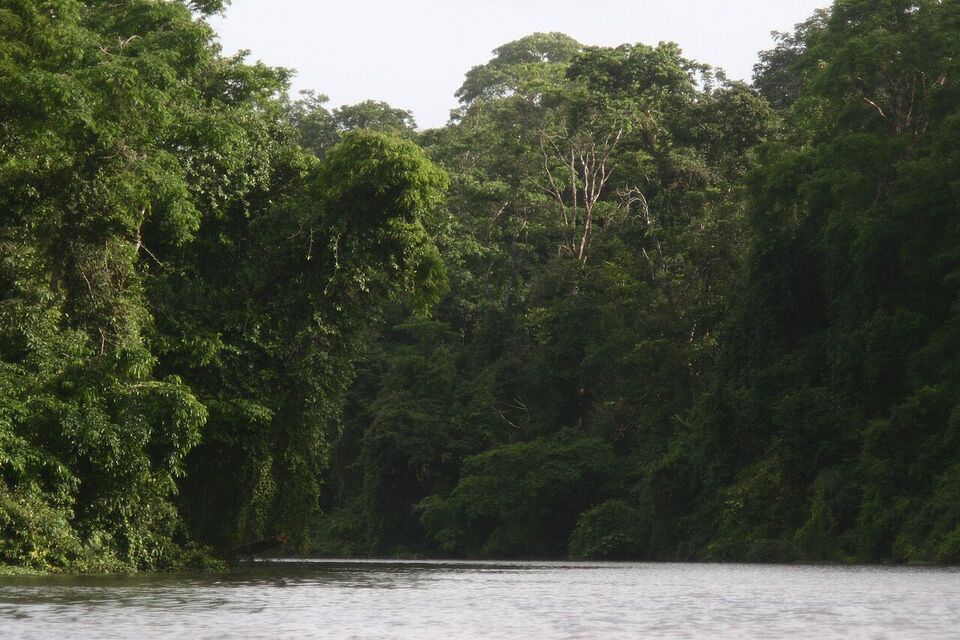
Comparing the major parks
Choose parks by what you want to see, and by how much effort the day takes. This table sums up the main ones.
| Park | What you see | Ease of access | Plan on |
|---|---|---|---|
| Manuel Antonio | Beaches, sloths, monkeys, easy trails | Easy by road; online only; closed Tuesdays | Half a day; book early |
| Poás Volcano | Crater lookout, cloud forest | About 1-1.5 hours from San José; strict limits | A short visit; check status |
| Irazú Volcano | Crater lakes and high-altitude views | About 1 hour from San José; clouds roll in by midday | Early morning, 2-3 hours |
| Arenal Volcano | Forest trails, lava fields, the cone | Near La Fortuna; pay at the gate | Half a day |
| Tenorio (Río Celeste) | Blue river and waterfall hike | Hike on foot to the falls; check road and trail conditions | A full day |
| Rincón de la Vieja | Mud pots, steam vents, forest | Guanacaste; active crater trail closed | Half to full day |
| Carara | Macaws, birds, forest near the coast | Easy from the Pacific highway | Morning visit |
| Tortuguero | Canals, turtles in season, monkeys | Boat or small plane only | Two to three nights |
| Corcovado | Remote rain forest, tapirs, big cats (rare) | Guide required; boat or flight | A day trip to several days |
| Cahuita | Flat coastal trail, reef, monkeys | Easy from town | Half a day |
| Marino Ballena | Whale's-tail beach, whale watching | Near Uvita; some sectors closed | Half a day |
For a Pacific route pairing, see our Uvita and Dominical guide. The Caribbean coast guide covers Cahuita and Tortuguero, and the Central Valley guide covers Poás and Irazú.
Status checks: Poás, Corcovado and other parks that change
Several parks have had closed trails, new limits or temporary closures in the 2026 high season. We list what we could confirm as of mid-November 2026. All of it can change, so check SINAC's portal and social media the week you travel.
- Poás: open as of November 12, 2026, but with limits since August 28: 1,064 visitors a day (down from 2,052), helmets required on the main crater trail and on the Sombrilla de Pobre trail (the only open trails), and no more than 56 people at the lookout for 20 minutes. Hours are 8 a.m. to 4 p.m. with last entry at 2 p.m. Tickets must be reserved in advance and can sell out on weekends and holidays. An eruption on August 27, 2026 threw material about 1,970 ft (600 m). The limits stay until activity drops.
- Corcovado: a certified guide is required. Sirena capacity is 366 a day since September 17, 2026, and other stations have lower limits (San Pedrillo 120; La Leona, Los Patos and El Tigre 80 each). Sirena, Los Patos and El Tigre closed in October for maintenance and rains, with a ministry target of December 1 for Sirena to run normally. A court struck down an earlier quota increase in 2025, so the 366 figure may change.
- Rincón de la Vieja: the Las Pailas sector is open Tuesday to Sunday and closed Mondays, but the active crater trail is closed until activity drops, and five districts of Upala and Liberia have been on yellow alert since October 1.
- Manuel Antonio: open Wednesday to Monday, closed Tuesdays; the Punta Catedral trail is temporarily closed with no reopening date.
- Marino Ballena: the Piñuela sector closed on November 9, 2026 for about six months; the Uvita, Colonia and Ballena sectors stay open.
- Turrialba Volcano and Guayabo: closed from August 18, 2026 for flooded trails; we could not confirm whether they have reopened.
If a park closes for an emergency after you have bought a ticket, SINAC lets you change the date by email but does not refund.
Wet-season closures and timing
Heavy rain can close trails or whole parks at short notice. In August 2026, flooding and landslides hit the Caribbean and northern regions, and SINAC may close parks or trails because of rain, flooding, volcanic activity or damaged infrastructure. Mornings are better for parks in the green season, and for volcanoes like Poás and Irazú the earliest slot is usually clearest, with clouds rolling in later.
The 2026-27 dry season also carries El Niño: the North Pacific may be much drier than usual, and the Caribbean and north wetter. See when to go for how seasons differ by coast.
Private reserves, refuges and what is different
Not every protected place is a national park. The Monteverde Cloud Forest Preserve, Curú and Cabo Blanco have their own ticketing, and private reserves like the Arenal hanging bridges sell tickets on their own websites. None of these appears on SINAC's portal. Wildlife refuges, such as Ostional (turtle nesting beach), have their own rules too.
| Type | Run by | Tickets |
|---|---|---|
| National park | SINAC (government) | SINAC portal or the gate, by card |
| Wildlife refuge or biological reserve | SINAC or a partner | Varies; check the area's contact |
| Private reserve | A company, family or science group | The reserve's own website or ticket office |
For private reserves, see our guides to Monteverde and Arenal. Fees vary and are not part of SINAC's pricing.
Putting parks into a route
Group parks by region to avoid long drives. A few combinations work well:
- Central Valley: Poás and Irazú on separate mornings, each booked early.
- Northern mountains: Arenal, then Tenorio (Río Celeste), then a cloud forest reserve at Monteverde.
- Central Pacific: Carara on the way to Manuel Antonio; remember Manuel Antonio's Tuesday closure.
- South Pacific and Osa: Marino Ballena (whales in season) and Corcovado with a guide.
- Caribbean: Tortuguero and Cahuita, with extra rain days in your plan.
What to bring
- Passport and a screenshot of your QR confirmation
- A Visa or Mastercard (no cash at the gate)
- Water and a refillable bottle; most parks have no refill point
- Rain jacket, sun protection and insect repellent
- Closed shoes with grip for wet trails
- Binoculars; ask your lodge about a guide with a scope
Our packing guide and safety guide add detail, and the adventure guide covers tours that often include park fees.
Add it to a route in the trip builder, or ask us to plan the hotels, transfers and guides for you.