Is November a good month for Costa Rica?
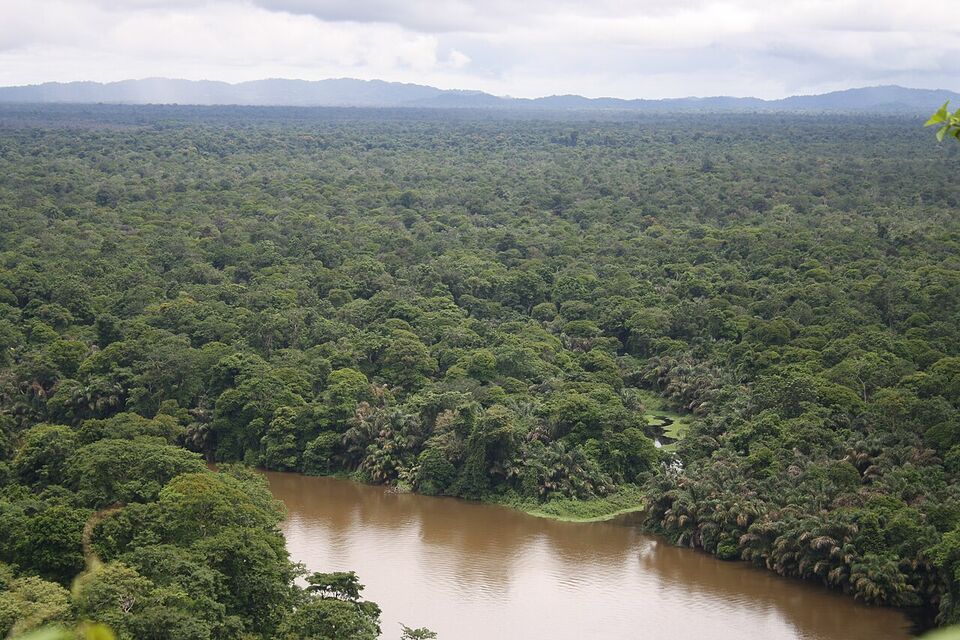
For many travelers, yes. November sits between the wettest part of the rainy season (September and October on the Pacific side) and the start of the dry season in December. Rain eases through the month, the hillsides are still green, the trails and beaches are quieter than they will be in a few weeks, and lodging rates have not yet reached their holiday peak. The trade-off is that it is a transition, so weather can swing from sunny mornings to heavy afternoons, and some trails and facilities are still recovering from months of rain.
Not every coast follows the same script. On the Caribbean side, November is the start of the strongest rainy period of the year, so the usual advice reverses: the Pacific is improving as the Caribbean is getting wetter. This page covers both, plus Thanksgiving week, what is limited or closed as of mid-November 2026, and a sample week. For the whole year, use When to Go to Costa Rica, and for what follows, Costa Rica in December.
Weather: Pacific, Caribbean and the highlands
The Costa Rica Tourism Board (ICT) calls November a month of transition on the Pacific side: the rainy season officially runs May to October and the dry season starts in December. The numbers show how quickly it changes. Long-term averages for the San José area fall from about 330 mm in October to about 135 mm in November, and to roughly 35 mm by December. Guanacaste follows the same drying trend.
| Region | October | November | What it feels like |
|---|---|---|---|
| San José and Central Valley | 330 mm | 135 mm | Showers most afternoons early on, then clearer weeks; highs around 81°F (27°C) |
| Liberia and Guanacaste | very wet | much drier | Hot, with a rapid drying trend |
| Caribbean lowlands | 200 mm | 365 mm | Wetter than October, with rain often at night and in the morning |
These figures come from published climate tables, not our own measurements, and individual years vary. Use them to compare regions, and check the national weather institute at imn.ac.cr for forecasts.
Think in terms of morning and afternoon. On the Pacific side, rain tends to fall in the afternoon and early evening, so plan hikes, boat trips and park visits for the morning. On the Caribbean side, rain falls mostly at night and in the morning, which can leave afternoons workable. Monteverde and the volcano areas stay cooler and cloudier than the coast no matter the month, so pack a rain jacket for them.
El Niño in late 2026
The 2026 El Niño is changing the usual pattern. The national weather institute (IMN) calls it the most intense since 1888, and the national emergency commission raised the alert to red on October 22. Forecasts from June said the North Pacific could get up to 50 percent less rain than normal and run 1-2°C warmer, while the Caribbean and the north could be wetter than usual. As of November 12, the dry season was starting in Guanacaste and the Central Valley, and the water utility (AyA) was asking people to save water. The Tico Times reported no rationing yet.
For a November visit, that means a Pacific side that may dry out faster than usual, a higher wildfire risk, and hotels in Guanacaste that may ask guests to conserve water. A wetter Caribbean side is possible. Forecasts can change, so check again before you fly. Details by region are on the Guanacaste and Caribbean coast pages.
Watch out
After heavy rain, avoid floodwater and muddy water: the CDC lists leptospirosis as a risk in standing water. Do not cross swollen rivers by car either. Rental-car insurance, including the mandatory third-party cover, is void if you drive through a river.
Prices and value in the shoulder season
November is a shoulder month. Hotels, lodges and tour operators set their own dates, but resort guides describe late November, just before peak pricing begins, as a good value window, and travel-cost blogs put green-season lodging savings at roughly 30 to 40 percent compared with peak rates. Expect the gap to narrow as December approaches, and for some operators to raise prices in mid-December. Ask for the rate calendar for your exact nights.
The value is real, but it is not only about price. You will find easier reservations at restaurants and tours, shorter lines at popular attractions, and a better chance of getting the room you want. Our budget calculator helps you compare a November trip with a December one.
Save money
If your dates are flexible, the first three weeks of November usually cost less than Thanksgiving week or December. Rental cars and domestic flights follow the same pattern, so price them early. Book refundable lodging where you can, because weather forecasts for a transition month are less certain.
Thanksgiving week
Thanksgiving falls on Thursday, November 26, 2026. Costa Rica does not celebrate it, but many Americans use the week to travel, so flights from US cities, rental cars and popular lodges tighten for roughly November 21-29. Book flights as soon as your plans are firm. Some tourist-area restaurants and hotels may offer a Thanksgiving meal, but we could not confirm any, so ask your lodging.
Costa Rica is on UTC-6 all year with no daylight saving time, which makes it one hour behind New York in November. Plan your arrival and any connecting transfers with that in mind.
Two other dates matter near the end of the month. Tuesday, December 1 is a public holiday (Abolition of the Army), and Manuel Antonio National Park is closed on Tuesdays even when a holiday falls on one. On Sunday, November 29, the Museo Nacional holds a Festival de la Abolición del Ejército from 9 a.m. to 4 p.m. (check the museum's site for the program). The Banco Central museums (including the Gold Museum) plan two closure days in November-December for electrical maintenance, with dates to be announced, and they are also closed on December 1.
The best use of Thanksgiving week is to avoid weekend arrivals at the busiest airports and, if you can, to stay in one or two bases. Our planning guide and flights page cover the airports, and note that the Juan Santamaría airport is in a construction phase, so arrive early for departures.
What may be muddy, closed or limited
Rain wears down trails and facilities, and reports from November 12 describe several parks with closed trails or new rules at the start of high season. The list below reflects what we found as of mid-November 2026. Parks change status with little notice, so check the SINAC page and your park's own page before you go, and reserve tickets where the park uses the online system at serviciosenlinea.sinac.go.cr.
- Poás Volcano: open, with limits since late August: 1,064 visitors a day, helmets on the main crater trail and the Sombrilla de Pobre trail (the only open trails), and no more than 56 people at the lookout for 20 minutes. Hours are 8 a.m. to 4 p.m. with last entry at 2 p.m. Tickets must be booked ahead and can sell out on weekends. The fee is about US$15-17, so check the checkout price. Read the Central Valley page.
- Manuel Antonio: closed Tuesdays, open 7 a.m. to 4 p.m. the other days, with online tickets only (US$18 for a foreign adult, including tax). The Punta Catedral trail was temporarily closed with no reopening date reported. See Manuel Antonio.
- Rincón de la Vieja: the active crater trail is closed until volcanic activity drops, and five districts of Upala and Liberia have been under yellow alert since October 1. The Las Pailas sector is open Tuesday to Sunday and closed Mondays.
- Marino Ballena: the Piñuela sector closed on November 9 for about six months, with no beach access or boat drop-offs there. The Uvita, Colonia and Ballena sectors stay open. See Uvita and Dominical.
- Corcovado: Sirena, Los Patos and El Tigre were closed in October for maintenance and rain, while San Pedrillo and La Leona stayed open. The ministry's goal is to have Sirena running normally by December 1, but we could not confirm whether the three stations reopened on November 1. Every visitor needs a certified guide. See Osa and Corcovado.
- Turrialba and Guayabo: closed on August 18 for flooded trails. We could not confirm their status in November.
- Puntarenas ferries: the Playa Naranjo route had reduced service until August 23, and we could not confirm the schedule now. The Paquera route lists eight departures a day, but fares may have changed.
Beyond parks, expect muddy trails and slippery rocks, brief road delays after storms, and some rural dirt roads that are rough. Our driving page and national parks guide help you plan around them.
Insider tip
Pick a morning activity, leave a flexible afternoon, and check each park's status the day before. If a SINAC ticket is for a park that closes for an emergency, you can email reservaciones.sinac@sinac.go.cr to change the date. There is no refund for bad weather or no-shows.
Events and things to do in November
November is a quiet month for big festivals, which suits a calm trip. In San José, the Teatro Nacional has a Fado festival on November 25 and a National Symphony Orchestra concert on November 27 (box office and visiting hours are 9 a.m. to 4 p.m.; check the theater's site for tickets). The Museo Nacional is open Tuesday to Saturday from 8:30 a.m. to 4:30 p.m. and Sunday from 9 a.m. to 4:30 p.m., and closed Mondays.
On the Caribbean side, cruise ships are calling again at Limón. The port scheduled 106 ships from October 2026 to May 2027, and the season opened on October 30, so expect busier days in town and at nearby attractions when ships are in. See our cruises page.
Good November activities include wildlife walks in the morning, hot springs in Arenal on a rainy afternoon, coffee farm tours, rafting on rivers that are running high, and museum days in San José. Whale watching on the southern Pacific is generally a July-to-October activity, so it may be winding down.
What to book ahead
- Flights and lodging for Thanksgiving week (November 21-29).
- Lodging, rental cars and shuttles if your trip runs into December: holiday rates start to climb.
- SINAC park tickets for Poás, Manuel Antonio, Irazú and other online parks, and your guide for Corcovado.
- Monteverde timed entry and night walks, and Arenal hot springs for weekend evenings.
- A rental car, if you want one, with the mandatory liability insurance in the quote.
A sample week: Arenal, then the Guanacaste coast
This plan puts the cooler, wetter highlands first and the drier coast last, so the weather improves as the week goes on. It works in the second half of November.
- Day 1
Arrive and travel to La Fortuna
Land at San José and head north, about 2.5 hours by road. Add an hour for rain or traffic.
- Days 2-3
Arenal
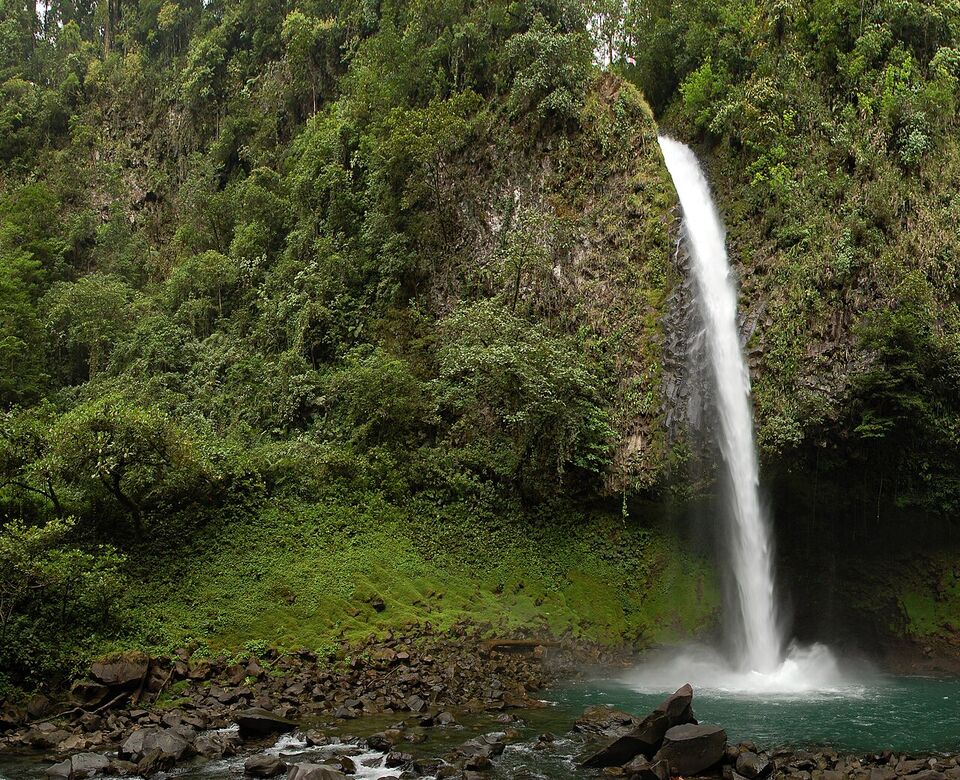
Do outdoor activities in the morning (a hanging-bridge walk, the La Fortuna Waterfall, rafting) and keep the afternoons for hot springs. See Arenal.
- Day 4
Travel to the coast
The drive to Liberia is about 3.25 hours, and Tamarindo is about an hour farther. Start early, since the afternoon is when rain builds.
- Days 5-6
Guanacaste beach
Beach time in the morning. Consider a half-day at the Las Pailas sector of Rincón de la Vieja (Tuesday to Sunday only), remembering the crater trail is closed. See Guanacaste and Tamarindo.
- Day 7
Fly home from Liberia
Liberia airport operates only from 6 a.m. to 9 p.m., so check your flight time. Arrive at least a few hours ahead.
What to pack for November
Bring a light rain jacket or a compact umbrella, quick-drying clothes, shoes that tolerate mud, a hat and sunscreen, a light fleece for the highlands, and insect repellent. The CDC lists a chikungunya outbreak notice for northwest Costa Rica and recommends avoiding mosquito bites everywhere. Waterproof your phone and passport in a dry bag on boat days. Our packing checklist has the full list.
Add it to a route in the trip builder, or ask us to plan the hotels, transfers and guides for you.