
Overview: manners that matter
Costa Rica is relaxed, polite and family-centered, and visitors who greet people, speak softly and make an effort in Spanish are received warmly. You do not need to memorize rules. A few habits do most of the work: say hello when you enter a shop or a lift, use polite forms (por favor, gracias, con permiso), keep your voice down, and treat nature as the real attraction it is.
Costa Ricans call themselves ticos (men) and ticas (women), and the words are friendly. The country is a stable democracy with a long tradition of valuing education and peace. It is also a place with real economic differences, so the best guide is the same kind of respect you would show at home. This page covers pura vida, greetings and politeness, punctuality, dress, tipping, bargaining, photos, wildlife, religion, language, LGBTQ+ travel, environmental respect and the mistakes American visitors make most often.
What pura vida means and how ticos use it
Pura vida translates as "pure life," and it is the most recognized phrase in the country. It is a greeting and an answer: if someone asks ¿Cómo está? (How are you?), a typical reply is ¡Pura vida!, meaning "all good." People use it to say hello, goodbye, thank you, "no problem," "great," or "I'm fine." It can also be a question, roughly "everything going well?" It reflects a relaxed, positive outlook, and you will hear it from taxi drivers, shopkeepers and friends.
How to use it without overdoing it
- Answer with it. If someone says pura vida to you, repeating it back is natural.
- Use it for "all is well." It fits when someone asks how you are, or says thanks, or checks that you are fine.
- Do not turn it into a slogan. Ticos use it casually in speech, but it is not a brand. Wearing it on a T-shirt while ignoring the people around you misses the point.
- Do not use it to brush off a problem. If you are lost, ill or upset, say so plainly. See Spanish Phrases for Costa Rica for phrases.
Insider tip
A friendly buenos días or buenas when you walk into a shop, a restaurant or a reception area matters more than any slang. Skipping the greeting and going straight to your request is the quickest way to seem rude.
Greetings and politeness
Greet people. A handshake is normal between men and between women and men on first meeting. Between friends and acquaintances, a single kiss on the right cheek (sometimes just a light touch of cheeks) is common, especially between women, and between a man and a woman. Follow the other person's lead. Eye contact and a smile go a long way.
Use titles and polite forms with strangers and older people. The pronoun usted is the polite form and is the most common in Costa Rica, even among people who know each other well, and it is generally used with foreigners. Vos is used among friends and family, and tú is occasional. As a visitor, stick with usted. Do not worry if you mix them up.
- Con permiso (excuse me, when you need to pass or enter) and disculpe (sorry, excuse me) are used often.
- Gracias and con gusto (my pleasure) are said easily.
- Don/Doña before a first name (Don Carlos, Doña María) is a respectful way to address older people, though titles like señor and señora work too.
Ticos tend to avoid direct confrontation. A "maybe" or "we'll see" may mean no, and a flat refusal can feel harsh. If something goes wrong, stay calm and friendly: raising your voice rarely helps and is usually considered embarrassing for both sides.
Punctuality and pace
You will hear about "tico time," the idea that schedules are flexible. It is a generalization, but a useful one for social events: a dinner invitation or a casual meeting may start later than stated. Tours, flights, buses and shuttles are different. Operators usually leave on time, shuttles pick up in a window, and parks have fixed hours and timed entry. Be on time for anything with a reservation, and show up for pickup a few minutes early.
Service in restaurants is relaxed, and the check usually arrives only when you ask. A slow pace is courtesy, not neglect. Plan generous time for road trips too, because mountain and rural roads are slow. See the getting around guide and the driving guide.
Dress
Costa Ricans dress casually but neatly. In San José and other towns, shorts and T-shirts are fine for tourists, and many locals wear jeans, even in warm weather. Beachwear, swimsuits and shirtless men belong at the beach and the pool. Throw on a shirt or cover-up when you walk to a restaurant or a shop, and certainly when you go into a bank, a government office or a supermarket.
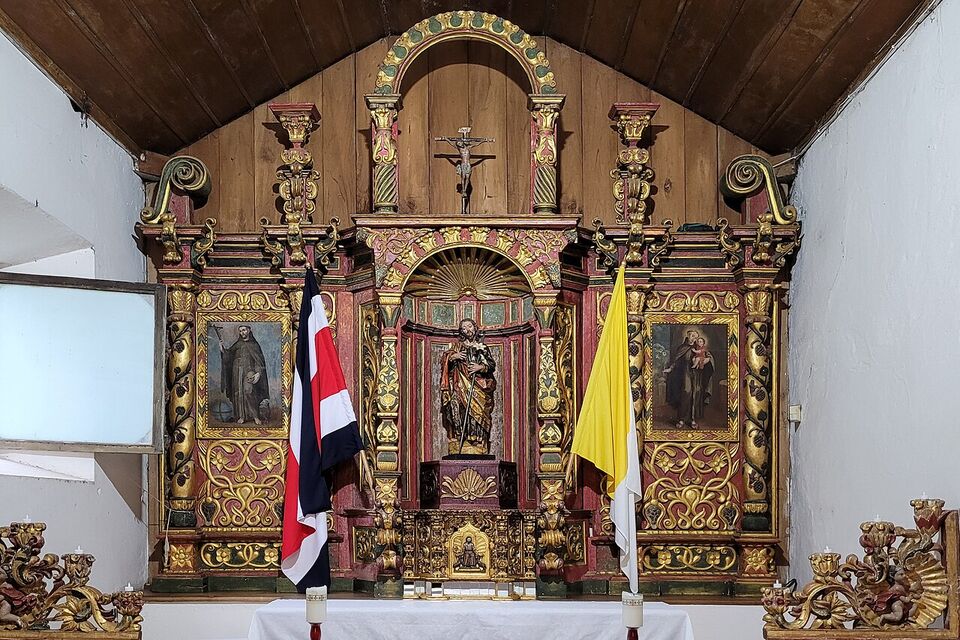
- Churches: cover shoulders and knees, take off hats, and speak quietly. Do not take photos during services.
- Nicer restaurants and evenings out: smart casual is plenty.
- Trails and parks: closed shoes, quick-dry clothes and a light rain jacket. See our packing guide.
Nudity and topless sunbathing are not the norm at public beaches, and some beaches that look remote may still be used by families. When in doubt, follow what locals do.

Tipping
Restaurant bills usually add 13% tax and a 10% service charge, so an extra tip is optional. Look at your bill to see if the service charge is listed. Many visitors leave a little extra for particularly good service. Tips for tour guides, drivers and hotel staff are appreciated, but they are not required, and we found no official amounts. A guide who spends a day with you, a driver who handles your luggage or a housekeeper who cleans for several days may all appreciate something, in cash, in US dollars or colones. Decide what is right for the service.
Gas stations are full service, and a small tip for a windshield wash is customary but not required. For taxis, we found no source on tipping norms, so a polite round-up is fine but not expected. For more about restaurants, see the food guide. For cash, cards and exchange rate, see Money in Costa Rica.
Different from home
A 15-20% restaurant tip, as at home, is not expected. When the service charge is on the bill, you have already tipped.
Bargaining
Bargaining is rare. Prices in shops, restaurants, supermarkets and for tours are generally fixed, and haggling over a posted price can seem rude. Some craft markets and street vendors may accept a modest negotiation, particularly if you are buying several items, but ask politely and do not push. For a taxi, ask for the fare or make sure the meter is on; for unmetered rides, agree on the price first. Taxi examples in October 2026: a 3 km ride in central San José cost about ₡1,890 (about US$4) by UberX and ₡3,655 (about US$8) by red taxi. Do not expect hard bargaining to lower these.
Photography
Ask before photographing people, especially children, and be especially careful with Indigenous communities and with people at work or in religious ceremonies. Say ¿Puedo tomar una foto? and accept a no. If you photograph a market stall, a small purchase is a polite thank you. Think twice before posting photos of other people's children online.
For wildlife photography, keep a respectful distance and use zoom, not your feet. Do not use flash on animals, especially at night, and do not use bait or sound recordings to draw them in. Drones are strictly regulated; the rules are not clear from official sources we could reach, so check before you fly and do not fly in parks or near people.
Wildlife manners
Costa Rica's wildlife is a draw, and good behavior is the price of seeing it. Feeding wild animals is illegal under the Wildlife Conservation Law (No. 7317, Article 116), although the Tico Times has reported that fines are usually small and enforcement weak. Feeding harms animals, makes them dependent on people and can cause attacks. Manuel Antonio National Park has banned bringing food into the park since February 21, 2021.
- Never feed, touch, grab or hold wild animals, and avoid wildlife selfies. The national "stop animal selfies" campaign asks visitors to keep a safe distance.
- Do not buy animals or products made from them, such as feathers, bones, skins, eggs or shells. The U.S. restricts or bans many of them, so they can be seized at the border.
- Stay on marked trails and follow your guide's instructions.
- Keep quiet near nests, turtles and sloths. Do not use flash.
- Pets are not allowed inside Costa Rica's protected wilderness areas.
- Choose operators that follow rules and keep groups small. See our wildlife guide and national parks guide.
Watch out
Do not enter national parks or closed areas outside authorized routes. A law in force since April 30, 2026 sets heavy fines for illegal entry to parks and restricted areas, for example ₡1,386,600 (about US$3,100) for entering a restricted area, and bigger fines for unauthorized tours. The rule is simple: stay where visitors are allowed.
Religion
Costa Rica's constitution makes Catholicism the official religion, and most people identify as Christian. Wikipedia reports about 47.5% Catholic and 22.5% Protestant, with 27% reporting no religion (2021 figures), so you will meet a range of beliefs. In practice, religion shapes holidays and family life, and Holy Week is a major time off. Treat churches and religious processions with respect: dress modestly, stay quiet during services, and ask before you photograph. The pilgrimage to the Basilica of Our Lady of the Angels in Cartago is a major pilgrimage site.
Holidays keep their traditional dates. Remaining 2026 public holidays are Tuesday, December 1 and Friday, December 25, and Holy Thursday and Good Friday in 2027 fall on March 25-26. Shops, banks and some services close, and buses and hotels fill up. See festivals and holidays and plan ahead.
Language: try Spanish
Spanish is the official language. In tourist areas many people speak English, but Wikipedia reports about 10.7% of adults speak English as a second language, so do not count on it everywhere. Try Spanish first: a greeting and ¿habla inglés? before you switch. Speaking slowly and clearly, using gestures and a translation app, and smiling at your own mistakes all help. You will not be expected to be fluent, and the effort is noticed. Our Spanish phrases page has a phrase table and pronunciation tips.
LGBTQ+ travelers
Same-sex marriage has been widely reported as legal in Costa Rica since 2020 (we did not find an official source for this page), and cities and tourist areas such as San José and Manuel Antonio are generally welcoming. Attitudes still vary, particularly in small towns and rural areas, where public displays of affection of any kind may draw attention. We could not confirm current legal protections or conditions from an official source, so read the State Department's most recent country advice and local resources before you travel. For general safety, see the safety guide.
Respect for the environment
Environmental protection is a point of national pride, with a large share of the country in parks and reserves, and visitors are expected to follow it. Take your trash out of parks and beaches, use refillable bottles, keep to trails, and do not collect shells, plants or sand. Turtle nesting beaches may have rules about lights and flash at night; follow your guide's instructions.
Water is a real concern this season. Authorities say the strongest El Niño since 1888 is under way, and more than 306,000 people could have trouble getting drinking water, about 48% of them in Guanacaste. Take short showers, reuse towels and follow your hotel's water notices. In the dry season, wildfire risk is higher, so never discard cigarettes or light open fires outdoors.
At the table, at home and on the bus
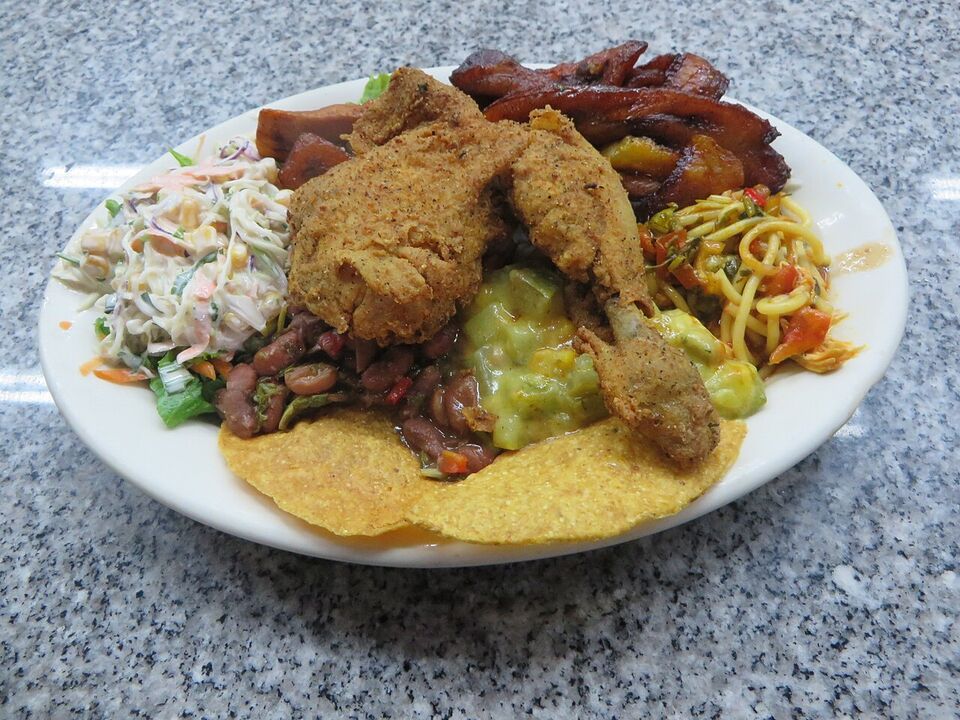
Meals are social. If you are invited to a home, arrive within a reasonable time of the invitation, bring a small gift such as pastries, fruit, flowers or a bottle of something, and accept food and coffee when it is offered. Compliment the cook. Taking a second helping is a good sign. Do not start eating before the host does, and expect the meal to be unhurried. If you have dietary restrictions, say so early and kindly. See the food guide for what you are likely to be served.
On buses, give your seat to older people, pregnant women and people with small children, and keep your bag on your lap rather than on a seat. Keep music and phone calls quiet, using headphones. In shuttles and tours, be ready at pickup, and keep your luggage compact. On the road, drivers may honk to say hello or to warn rather than to express anger, and pedestrians do not always have priority, so look twice before you cross. See the driving guide if you are renting a car.
When you talk with people, ask about family and the place you are in before you talk about money, politics or comparisons with home. Praise for the country goes over better than complaints about slow service or the weather. Avoid jokes about accents, poverty or the country's size, and avoid describing Costa Rica with tired labels such as "banana republic" or "Third World." Ticos are proud of their healthcare, education, and parks, and have no reason to hear them described as a curiosity.
Visiting Indigenous communities
Costa Rica has several Indigenous territories, and some communities offer visits, crafts or cultural tours. Wikipedia lists Bribri among the Indigenous languages of the country. Book through the community itself or an operator that works with it and pays fairly. Ask before photographing people or ceremonies, buy crafts directly from the makers where possible, and do not treat a visit as a performance. We could not confirm 2026 schedules or fees for any specific community, so check with the operator or with your lodging.
Common mistakes Americans make
Assuming everything is cheap
Costa Rica is not a bargain destination. The colón is at its strongest in about 20 years, and tourist prices for hotels, tours and meals are often higher than first-time visitors expect. See the budget guide.
Speaking loudly
Loud voices in restaurants, on buses and in lodges stand out. In nature, they scare wildlife too.
Beachwear in town
Wear a shirt and shoes in shops, banks and restaurants away from the beach.
Hiking alone
Remote trails can be hard to navigate, and rescue is slow. Use an authorized guide where required, tell someone your plan, and see the safety guide.
Treating wildlife as props
Selfies with sloths, feeding monkeys and picking up frogs harm animals and can get you fined.
Impatience
Slow service and slow roads are part of the trip. Keep your schedule loose and your temper level.
Before you go
- Learn greetings: buenos días, buenas tardes, por favor, gracias, pura vida.
- Pack modest clothes for churches and a cover-up for town.
- Check your bill for the 10% service charge before you tip.
- Learn the rules for wildlife and parks before you visit.
- Carry a refillable bottle and plan for water conservation.
Add it to a route in the trip builder, or ask us to plan the hotels, transfers and guides for you.