Overview: coffee first, then everything else
Coffee is part of daily life in Costa Rica and has been one of the country's main exports for generations. It is served in nearly every restaurant and home, black or with milk (café con leche), and it is usually strong and good. Most visitors will drink it every day without trying, so it is worth knowing a little about where it comes from, how it is brewed and how to bring some home.
This page covers the coffee regions, how to visit a farm, what the labels on a bag mean, how to carry coffee home through U.S. customs, cafes and brewing styles, then beer, guaro, fresh fruit drinks, tap water and alcohol rules. For food, see the Costa Rican food guide.
Coffee regions in one sentence each
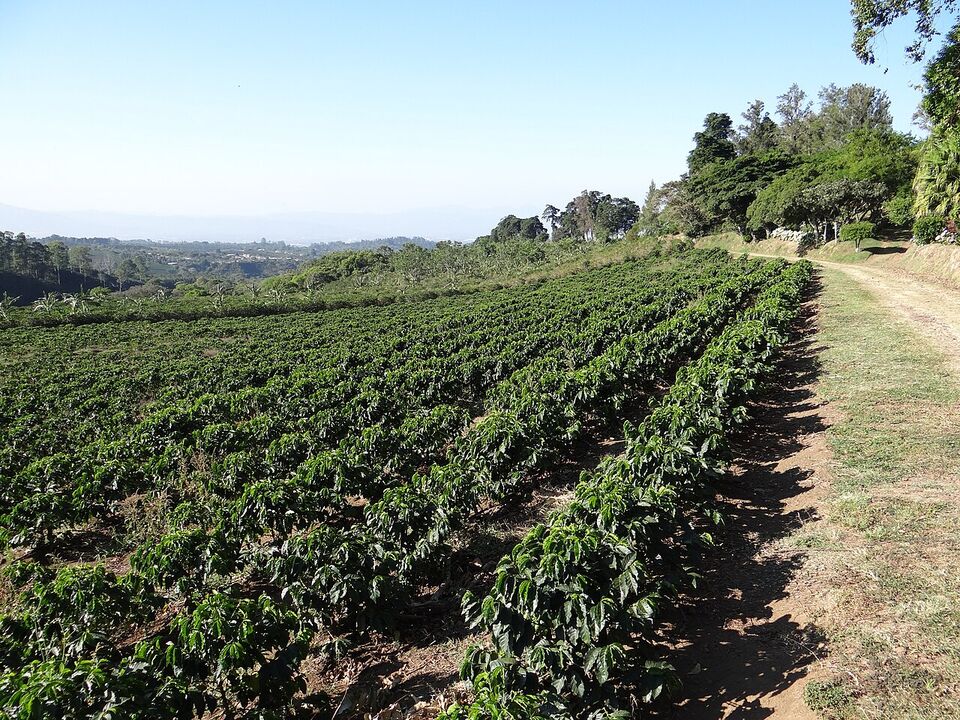
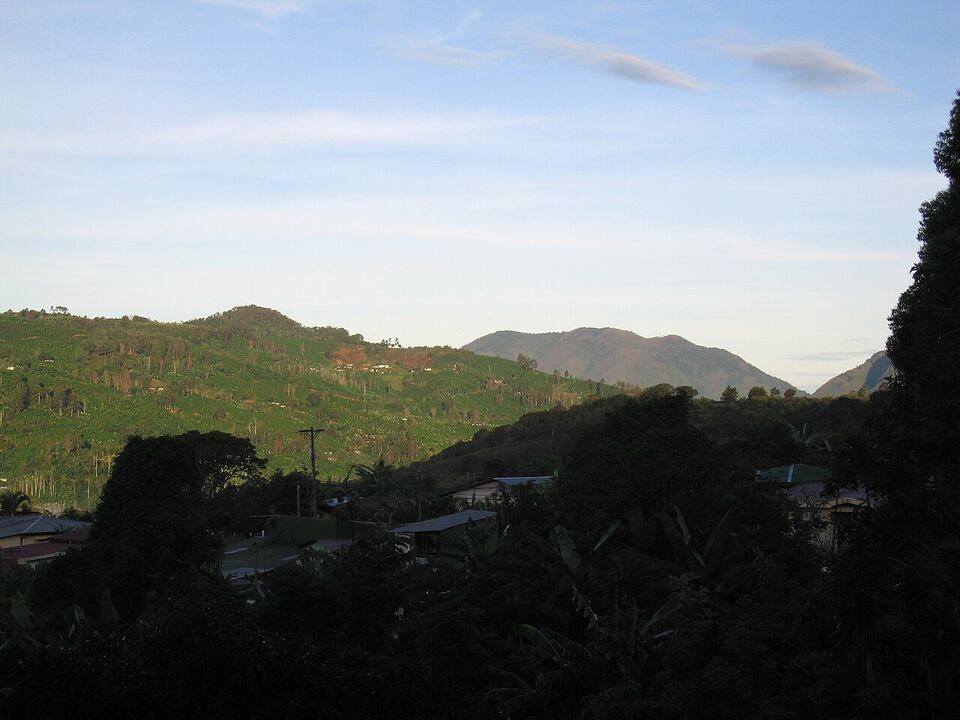
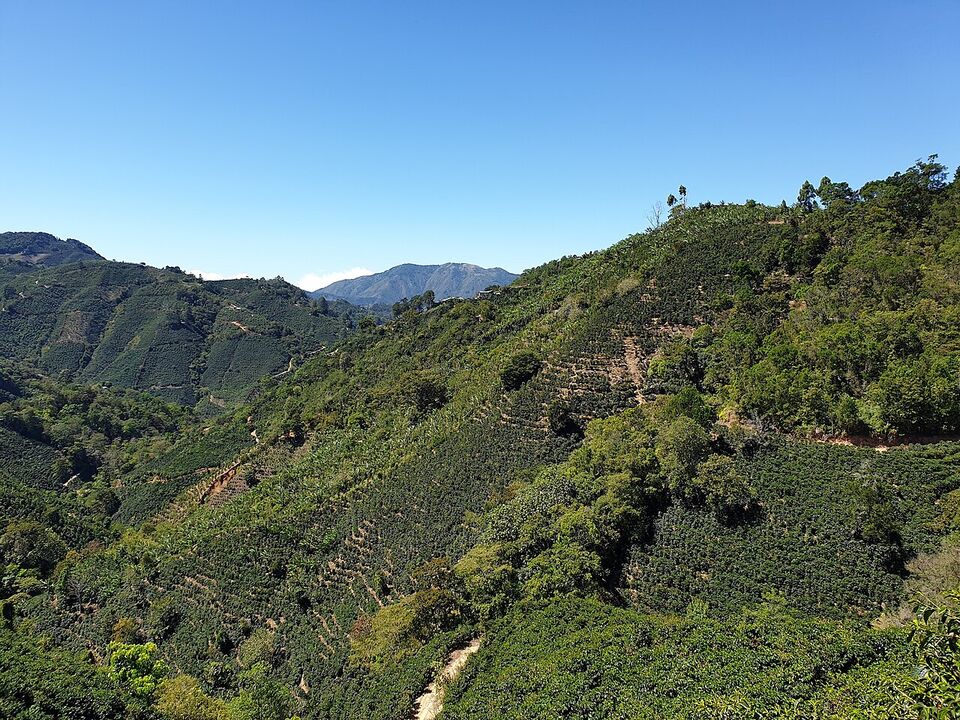
Coffee is grown on slopes in the highlands, and altitude and volcanic soil give the beans their character. Costa Rica groups its growing areas into several official regions. You will see four of them most often on bags and tour signs:
- Tarrazú: high mountains south of San José and probably the best-known name, often described as the most desirable for bright, clean coffee.
- Central Valley (Valle Central): the area around San José, Heredia and Alajuela, where the industry began and where most farm tours are an easy day trip. See the Central Valley guide.
- Turrialba: the wetter, greener Caribbean-side slopes east of Cartago, in a region also known for cheese and river rafting.
- Brunca: the southern zone in the Pacific south, around the Valle de El General and toward Panama.
The other named regions include Tres Ríos, Orosi, Valle Occidental and Guanacaste. Higher, cooler slopes generally produce denser, slower-growing beans.
A map label matters less than the producer. Two farms in the same region can taste very different depending on the variety of bean, how the cherries were processed, and how the coffee was roasted.
How to do a coffee farm tour
A coffee tour is a good half-day outing and one of the easiest ways to learn about a crop that shapes the country. Most tours cover the same ground: a walk through the plants, the story of harvest and processing, a look at the mill, roasting, and a tasting. Tours with a plantation-style lunch or a visit to a volcano or waterfall are sold as combos.
What to expect
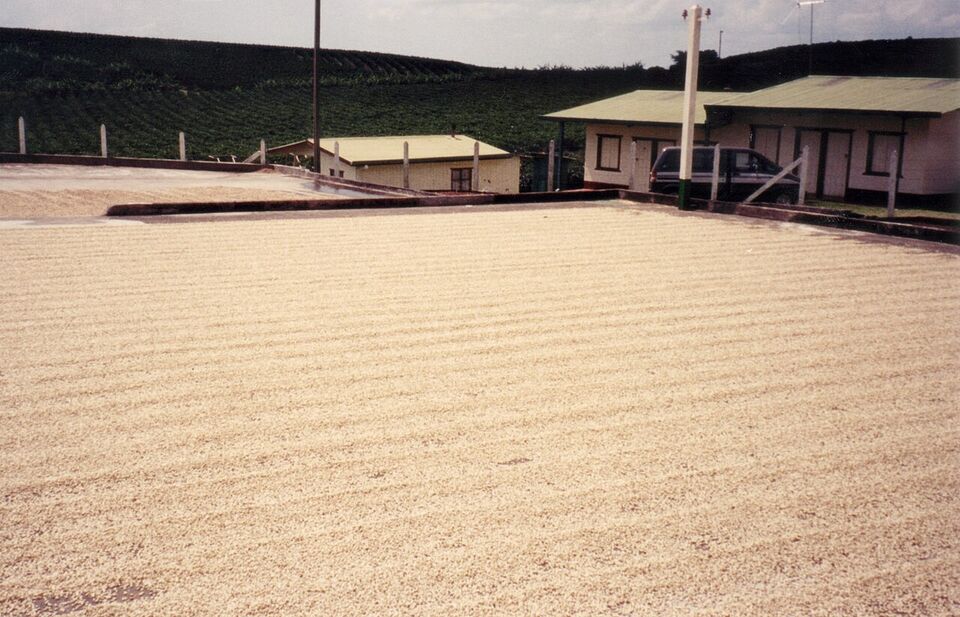
A typical tour lasts two to three hours and starts with a walk among the coffee bushes. Harvest, when pickers work through the red cherries, runs for several months in the dry season, so you may see picking in progress from about November through early spring depending on the altitude and region. A guide explains how the cherries are picked, depulped, dried and roasted, and you finish with a cup. Wear closed shoes and a hat, and bring a light rain jacket in the green season.
Choosing and booking a tour
- Pick by location. If you are based in San José or near the airport, the Central Valley farms are the easy ones. If you are driving between regions, Tarrazú is a longer trip into the mountains.
- Check what is included. Look for transport, a tasting, lunch and the language of the guide. Some operators run coffee plus a volcano or waterfall in one day.
- Book directly with the farm or a registered tour operator. Large estates such as Café Britt and Hacienda Doka run tours, but we could not confirm 2026 prices or current tour schedules. Check each operator's official site before you go.
- Time it with weather. Mornings are usually clearer than afternoons in the green season.
Save money
Compare the tour price with what it includes. A tour with transport from San José can cost more than driving yourself, but may save a rental day. Smaller family farms can cost less than big estate tours and are often more personal.
What the labels mean in plain words
Coffee bags use a lot of shorthand. Here is a plain-language guide, with a caution: labels are marketing terms, and they are not all legally defined in the same way, so treat them as hints rather than guarantees.
| Label | What it usually means | Why it matters |
|---|---|---|
| Region (Tarrazú, etc.) | Where the beans were grown | A rough guide to flavor and altitude |
| SHB or "strictly hard bean" | Coffee from high altitude, which grows slowly and produces denser beans | Often used as a quality marker; the exact altitude cutoffs differ, so check with the seller |
| Washed | The fruit is removed before drying, which gives a cleaner, brighter cup | The most common style |
| Honey | Some of the fruit's sticky pulp is left on the bean during drying | A sweeter, rounder cup; it has nothing to do with bees |
| Natural | Whole cherries are dried, then the fruit is removed | A fruitier, heavier cup |
| Single origin / micro-lot | One farm, or a small batch from one part of a farm | Usually more expensive and more distinctive |
| Roast date | When the beans were roasted | The most useful label of all: buy within a few weeks of roasting |
Most coffee grown in Costa Rica is arabica, and you will see "100% Costa Rican coffee" on many bags. Look at who roasted it and when. A good small roaster will tell you the farm, the process and the roast date, and a cheap souvenir bag in a gift shop may not.
Where to buy and what to carry home
Where to buy
Supermarkets sell local brands at the lowest prices and are a good place to pick up gifts. Farm shops and roaster cafes sell fresher coffee and more specialty options. Airports sell gift packs but typically at higher prices. For other things worth taking home, see our shopping guide.
Ask for whole beans if you have a grinder at home, because ground coffee goes stale quicker. Vacuum-sealed or valve bags travel well in a suitcase and keep the aroma in.
U.S. customs and food
U.S. Customs and Border Protection (CBP) says that, as a general rule, condiments, vinegars, oils, packaged spices, honey, coffee and tea are admissible. That makes roasted and packaged coffee an easy souvenir. Fruits and vegetables are restricted depending on type and origin, and meat products, including soup mixes with meat, are not admissible. CBP also advises against bringing rice. Do not buy products made from wildlife, such as feathers, bones, skins, eggs or shells, which are restricted or banned.
The CBP allowance for alcohol, tobacco and the total value of goods you may bring home duty-free is something we could not confirm for this page, so check CBP's "Know Before You Go" information for your current allowance before you buy. For the full list of what to declare, see the entry and customs guide.
Watch out
Declare any food items on your U.S. customs form if you are unsure. Raw coffee plants, seeds, cuttings and fresh fruit are different from roasted, packaged beans and can be restricted. When in doubt, leave them behind.
How to taste and choose a bag
You do not need training to enjoy a tasting. Smell the grounds first, then taste the coffee black before you add milk or sugar. Tour guides often point out three things: acidity (a bright, fruity or citrus note), body (how heavy the coffee feels in the mouth) and sweetness (a caramel or chocolate note). Costa Rican washed coffees are often described as clean and bright, but your own palate is the judge.
When you buy, ask these questions at the shop or the farm counter:
- Which farm or cooperative grew it, and at what altitude?
- Was it washed, honey or natural processed?
- When was it roasted? Choose the newest date.
- Can I smell or taste it first? Good shops let you.
Light and medium roasts show more of the farm's character, and dark roasts hide it. Gift-shop bags of dark, pre-ground coffee are the easiest to find and often the least interesting. If you want to carry back a few bags, buy them near the end of the trip so they stay fresh, and pack them in your carry-on or well-padded checked bag.
Insider tip
Ask whether the farm or cafe sells a brewing cloth and wooden stand. A chorreador is light, cheap to pack and gives you a working demonstration of the traditional method at home.
Beyond coffee: cacao, sugarcane and other farm visits
Coffee is not the only crop you can visit. Some farms combine coffee with cacao (chocolate), sugarcane and tropical fruit. A cacao tour usually shows the pods, the fermenting and drying of the beans and a chance to taste chocolate, and some are found in the Caribbean south, the Pacific south and near La Fortuna. Sugarcane mills (trapiches) show how raw cane sugar is pressed and boiled into tapa de dulce, the block sugar used for agua dulce. We could not confirm 2026 prices or schedules for these tours, so look at each operator's own website or ask your lodging.
Chocolate bars, coffee-based liqueur, jars of Salsa Lizano and bags of tapa de dulce travel well and make useful gifts. Check CBP's rules above if you are unsure, and check the label if you are taking gifts for someone with allergies.
Cafes and how coffee is brewed
The traditional way to brew coffee at home is the chorreador: a cloth filter, often called a bolsa (bag), held on a wooden stand with a hook. Ground coffee goes in the cloth, hot water is poured over it, and it drips into a cup or pot below. The result is a clean, mid-strength brew without the heaviness of an espresso. Many cafes and some farm tours demonstrate it, and it makes a good souvenir.
In cities, espresso machines and specialty cafes are common, especially in San José and its suburbs. In small towns, you will find simple coffee served from a thermos or a drip machine. Common orders:
- Café negro: black coffee.
- Café con leche: coffee with milk (often hot milk added to strong coffee).
- Un cafecito: a small coffee, often used as an invitation.
- Espresso, americano, capuchino: understood in cafes.
Coffee is usually served at breakfast, again in the afternoon, and sometimes after dinner. The afternoon coffee break with a pastry is a good way to rest and meet locals. You may be offered sugar by default, so say sin azúcar if you prefer it plain. Coffee at a soda is usually inexpensive. For where to eat, see the food guide.
Coffee culture in a day
If you stay in one place for a few days you will notice the rhythm. Many Costa Ricans have coffee at home or at work first thing in the morning, take a mid-morning break, and have another cup in the afternoon, often called la merienda, with bread, a pastry or a sandwich. Offering coffee is a form of hospitality. If a host or a shopkeeper offers you a cup, it is polite to accept, or to decline warmly. See Pura Vida and Etiquette for more on manners.
In San José, specialty cafes serve single-origin coffees in different brewing styles, and some roast their own beans. In beach towns, the cafe scene is shaped by visitors and expats, so prices tend to be higher. The San José guide has more on the capital.
Beer, guaro and other drinks with alcohol
Beer is the most commonly consumed alcoholic drink in Costa Rica. Imperial (founded in 1924, with an eagle on the label) and Pilsen (founded in 1888) are the two most widely popular, and Imperial has a slightly lower alcohol content. Bavaria is another local beer, a bit more expensive, and craft breweries are increasingly available. A michelada in Costa Rica is a simple mix of lime juice, beer and a salted rim, and it is easy to order at a restaurant or soda.
Guaro is a sugarcane spirit similar to vodka, with a strong taste. It is drunk as a shot or in a guaro sour. The government created the Cacique brand to cut down illegal moonshine. Other local drinks are Ron Centenario (a Costa Rican rum), Café Rica (a coffee liqueur) and, more rarely, coyol wine, a traditional drink of the Chorotega people made from palm sap. Because Costa Rican mixed drinks can be strong, ask what the bartender pours and pace yourself in the heat.
Drinking age and buying alcohol
The drinking age is generally understood to be 18, but we could not confirm the law from an official source. Carry ID and check before you go. Alcohol is sold in supermarkets, shops and restaurants. Rules about when and where alcohol can be sold can change. Sales are usually restricted on certain days, for example in Holy Week (Holy Thursday and Good Friday fall on March 25-26, 2027) and on election days, but we could not verify the current rules, so ask your lodging before you plan a toast.
Different from home
Rules on drinking in the street or on public beaches vary by place, so check locally before you carry a beer outside. Never drive after drinking. See the driving guide.
Fresh fruit drinks, horchata and other non-alcoholic choices
- Frescos or refrescos naturales: fresh fruit blended with water or milk (batidos are the milk versions). Typical fruits include mango, papaya, pineapple, watermelon, blackberry, tamarind and cas, a sour local fruit. Ask for en agua (with water) or en leche (with milk).
- Agua de pipa: the water inside a green coconut, sold by vendors who chop the top off with a machete.
- Horchata: in Guanacaste, a cornmeal-and-cinnamon drink, not the rice version Americans know from Mexican restaurants.
- Agua dulce: raw cane sugar (tapa de dulce) dissolved in hot water, popular in the cooler highlands.
- Bottled sodas: in Costa Rica, refrescos can also mean bottled soft drinks. In rural areas, vendors sometimes sell sodas in plastic bags, which are cheaper than bottles.
- Agua con gas: sparkling water.
Tap water and ice
Costa Rica's tourism board says tap water is generally drinkable, with bottled water advised only in a few rural areas. We could not find a region-by-region list, so ask locally. We found no source on the water used for restaurant ice, so if you have a sensitive stomach, you might skip it in remote areas. With El Niño expected to dry out the 2026-27 dry season, water rationing is possible in Guanacaste and parts of the Central Pacific, so carry a refillable bottle. See our health guide and food safety notes.
Before you go
- Pick one coffee tour and check its current price, schedule and what is included.
- Buy coffee from a roaster or farm shop, and look for the roast date.
- Check CBP's current rules and your duty-free allowance before you buy anything beyond coffee.
- Carry ID if you plan to buy or drink alcohol.
- Try a fresco, a chorreador coffee and an Imperial.
Add it to a route in the trip builder, or ask us to plan the hotels, transfers and guides for you.