Staying longer: what the law allows
You can spend months in Costa Rica without becoming a resident, and many Americans do. The rules that govern how long are set by Costa Rican immigration (Dirección General de Migración y Extranjería, or DGME), and they changed in November 2025. Treat this page as a map of the options, not a legal guide: every legal point below should be confirmed with Migración, the Costa Rica Tourism Board's entry page or a licensed Costa Rican immigration lawyer before you commit money or a move.
This page covers four situations: staying as a tourist, staying as a remote worker, renting a home and living day to day. If you are thinking of a permanent move, read retiring in Costa Rica too, and start with entry requirements for the basic arrival rules.
How long Americans can stay as tourists
US citizens are in the visa-free group, which since November 17, 2025 can be granted up to 180 calendar days. Two details matter. First, the immigration officer sets the number of days at the airport or border, so you may receive fewer than 180. Look at your stamp or record before you leave the counter. Second, the stay granted cannot go past your passport's expiry date, so carry a passport valid for your whole trip.
Officers also expect a return or onward ticket (a pre-purchased flight out, a bus ticket out of the country or proof of a cruise departure), and they may ask for proof of funds of at least US$100 per month or partial month of stay. That adds up on a six-month trip, so keep a recent bank statement on your phone. Bring a photocopy of your passport page and entry stamp to carry around.
Extensions and border runs
The Tourism Board's entry page calls the visa-free stay non-extendable. La Nación, a Costa Rican newspaper, reported in January 2026 that if an officer first grants fewer than 90 days, one extension of up to 90 more days is possible. Those two accounts do not match, so ask Migración directly, and do not plan around an extension until you have it in writing.
The older practice of leaving the country for a short time and returning on a new stamp is often called a "border run" or "visa run." We found no current official rule that guarantees it works. The officer sets the days at each entry, and the 180-day limit is described as non-extendable, so a new stamp is never certain. For that reason, we do not recommend building a long stay around border runs. If you want to stay longer than the tourist limit, look at the remote-worker category below or at a residency category (see retirement), and ask a lawyer.
Watch out
Overstaying your permitted days can cause problems with immigration, including at your next entry (we could not confirm the exact penalties). Check your stamped days, write your last legal day in your calendar, and ask Migración what to do if something goes wrong. Do not rely on forums or Facebook groups for legal advice.
The digital nomad stay
Costa Rica has an immigration "stay" (estancia) for remote workers and service providers, created by Law 10008. It is for people who provide services remotely to clients outside Costa Rica. The Costa Rica Tourism Board describes it as a way to extend a 90-day tourist visa to a full year, with the option to renew for another year. As of November 2026, the requirements published by the Tourism Board include:
- Stable income from outside Costa Rica of at least US$3,000 a month for one applicant, or US$4,000 a month if you apply for dependents too.
- A US$100 payment to the government, with extra bank fees if you pay by international transfer (the receiving bank charges a fee, so the full US$100 must arrive net).
- A signed application, filed online through the Tramite Ya platform or in person at an immigration office.
- A copy of your passport photo page and the entry stamp page.
- Bank statements with an affidavit showing the income, or a certification from a public accountant or notary (only this certification needs an apostille).
- Official Spanish translations of any documents in another language.
- Medical insurance that covers your whole authorized stay, with coverage of at least US$50,000, according to the Tourism Board's FAQ (dependents need a policy too).
- A security review of criminal and police records.
The Tourism Board also says nomads are exempt from income tax, can open a national bank account, can have their home driver's license validated and may waive customs taxes on equipment needed for remote work, with conditions. Read those claims as a starting point: ask a Costa Rican tax or immigration professional what applies to you, and check what "exempt from income tax" covers if you also earn money in Costa Rica or have a US tax obligation.
We could not confirm processing times, how renewals work in practice or whether the rules have changed since the Tourism Board's pages were published, so check the official pages (the Tourism Board's digital nomad section and Migración) and ask the immigration office. Do not quit a job, sign a lease or ship belongings on the strength of a blog.
Renting a home and other residency routes
Residency categories are different from the nomad stay. The best-known are pensionado (pension income), rentista (fixed income) and inversionista (investor), and there are family categories. A residency-services firm lists pensionado at a US$1,000 monthly pension, but the rentista and investor figures we found were not from official sources, so we do not print them. Check the current numbers on Migración's website. See retiring in Costa Rica for how the categories work in plain words.
Paid work on a tourist stamp is not allowed. Short Spanish courses and volunteering are common among long-stay visitors, but volunteering does not give you a right to stay, so confirm with Migración if you plan to do either for more than a few weeks.
Renting long term
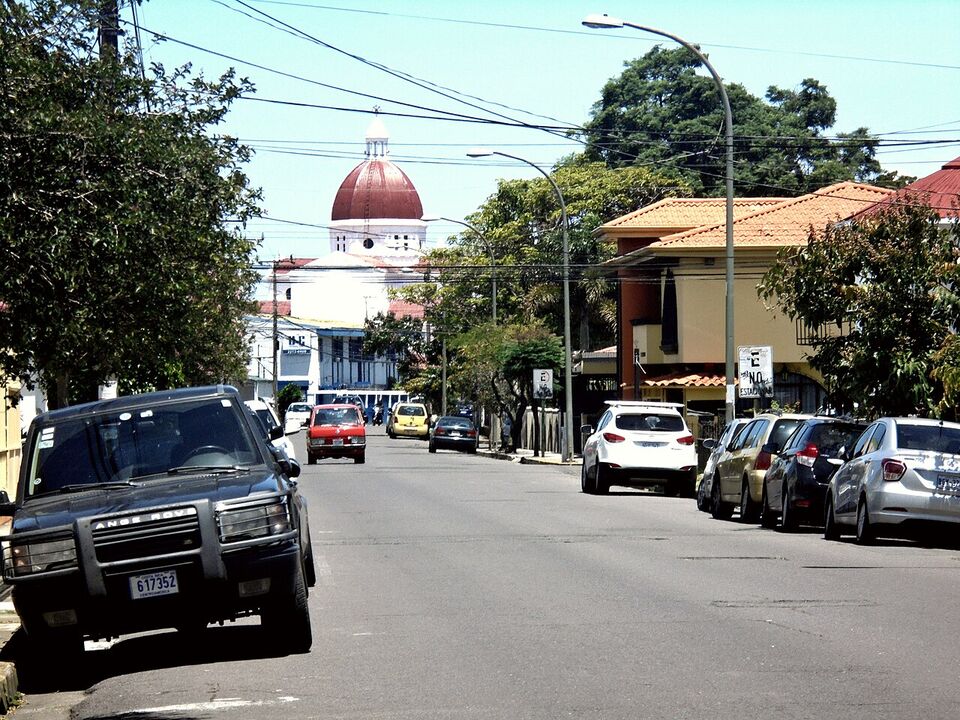
Most people who stay for months rent a furnished apartment, house or room. Search in the area you want, then visit before you commit. Ask for a written lease, find out who pays utilities (electricity and water can add up, and some rural areas have water issues), and ask about internet, security and the landlord's repair process. Long-term rentals are often cheaper than nightly rates, but we have no reliable price ranges for specific towns, so we give none.
- Rent for a month or two before signing a longer lease.
- Check water supply, especially in Guanacaste and the Central Pacific in the dry season. As of November 2026 the national alert was red for El Niño, and the water utility warned that more than 306,000 people could have trouble getting drinking water, about 48% of them in Guanacaste.
- Test the internet at different times of day, and ask about outages.
- Read the lease in Spanish or have it translated, and keep a copy of every payment.
- Check security and lock quality: the State Department has noted robberies at short-term rentals.
- Ask whether you can end the lease early and what happens to a deposit.
Our where to stay page explains the types of accommodation, and the Central Valley and Nicoya Peninsula pages cover two popular areas for longer stays.
Cost of living
Costa Rica is not cheap by Central American standards. Tourist businesses price in US dollars, and the colon has strengthened: the dollar hit a roughly 20-year low in September 2026, at about ₡447 per US$1. Imported goods, electronics and cars are expensive, while local food, produce and bus fares are inexpensive. Restaurant bills usually add 13% sales tax and a 10% service charge.
Daily budgets depend on your lifestyle. Travel-cost blogs suggest roughly US$45-80 a day for a backpacker and US$275-500 a day at the luxury end, but those are tourist budgets, not a cost of living. We do not have reliable monthly figures for renting and eating like a local, so use a trial month to see what you actually spend. See money and budget for current prices and exchange rates.
Internet and phones
Internet quality varies enormously. Cities and many beach towns have fiber or fast cable. Mountain areas, remote beaches and rural lodges can have slow or interrupted service, and weather and power cuts can cause outages. Ask your landlord for a speed test, and have a backup, such as a mobile hotspot.
A local prepaid SIM from Kölbi costs about ₡1,000 (about US$2), with bundles from about ₡2,539 (about US$6) for 1 GB over 15 days, according to a September 2026 blog; you need a passport and an unlocked phone. Do not count on buying a SIM at the airport. Kölbi also sells an eSIM. Check phones, data and power. Outlets are 110 V with US plugs, so American chargers work. The time zone is UTC-6 all year, which helps for work with the US: one hour behind New York from November to March and two hours behind from March to November.
Healthcare and insurance
Costa Rica has a public system (the CCSS, or Caja) and a private system. Visitors use private care or pay at public facilities, and legal residents are expected to join the public system. See retirement for the CCSS in more detail. For a tourist or a nomad, buy travel or international health insurance that covers a long stay and medical evacuation. The CDC warns that trauma care is uncommon outside cities and recommends medical evacuation insurance.
As of November 2026, the CDC has a Level 2 notice for chikungunya in northwestern Costa Rica and a Level 1 notice for hepatitis A. Typhoid vaccine should be considered for stays of a month or more. See health. If you take prescription medicines, bring enough for the trip with a doctor's letter, and ask a pharmacist about equivalents.
Safety and daily life
The State Department rates Costa Rica Level 2, "Exercise increased caution due to crime." Petty theft is the most common issue, but armed robbery, homicide and sexual assault also occur. Live as you would in any busy place: lock doors, keep valuables out of sight, do not leave belongings in a parked car, use official taxis or ride-hailing apps and do not walk alone on dark roads. Read is Costa Rica safe? and safety. Emergency number: 911. The U.S. Embassy is in Pavas, San José (telephone +506 2519-2000).
Driving is a big part of life outside cities. A US license is valid for as long as your entry stamp allows according to most sources (some say 90 days), so carry your passport with the stamp, and confirm with your rental company. Long-term car rentals are costly, and rental cars cannot be taken to Panama or Nicaragua. See driving and car rental. Bringing a pet is possible with paperwork: read pets.
Taxes, banking and Spanish
US citizens generally have to file US tax returns wherever they live, and may have to report foreign bank accounts and other foreign financial assets. Costa Rica has its own tax system, and the Tourism Board says nomads are exempt from Costa Rican income tax. None of this replaces advice from a US tax professional who works with Americans abroad. Ask early, before you open a local account or take foreign income.
Banking is usually easier with a residency document, and tourist-stamp options are limited. Ask the bank what ID it requires. Currency: tourist businesses use dollars, but local bills, rent and utilities may be in colones, so check the currency before you sign.
Spanish classes help daily life, and short courses are common in the Central Valley and the beach towns. Confirm how a school handles visitors, because paid work and volunteering raise status questions. Learn the basics in Spanish for travelers and read etiquette for local habits.
Different from home
Medicare generally does not pay for routine care outside the United States, and many US health plans have limited foreign coverage. Ask your insurer in writing what applies abroad before you rely on it.
Add it to a route in the trip builder, or ask us to plan the hotels, transfers and guides for you.