Overview: what to buy and what to leave
The best souvenirs from Costa Rica are practical: coffee, chocolate, painted wooden items from Sarchí, small hand-made crafts and local art. They are easy to pack and legal to bring home if you follow a few rules. The items to skip are wildlife products, such as shells, coral, turtle shell and feathers, and any food or plant item you have not checked against US customs rules.
This page covers what to buy, where, how to spot imports, bargaining, and exactly what U.S. Customs and Border Protection (CBP) says about coffee, food, alcohol, plants and wildlife products. Prices change and we could not confirm current prices for most souvenirs, so we describe how to compare rather than quote exact numbers. For payment tips, see money in Costa Rica.
Watch out
Do not buy anything made from wild animals or protected plants, even if a vendor says it is legal. The US can seize it at the border and may fine you, and buying it fuels the trade. If a price seems too cheap for the work involved, ask where the item was made.
What to buy
Coffee
Coffee has been Costa Rica's signature export since the 1820s. Wikipedia lists eight growing regions: Valle Occidental, Tarrazú, Tres Ríos, Orosi, Turrialba, Valle Central, Guanacaste and Brunca. Look for the region on the bag and a roast date.
Chocolate
Cacao was among the country's earlier exports, before coffee overtook it. Single-origin bars and cacao nibs are easy to pack. Check the ingredients if you avoid milk or nuts.
Painted oxcart items
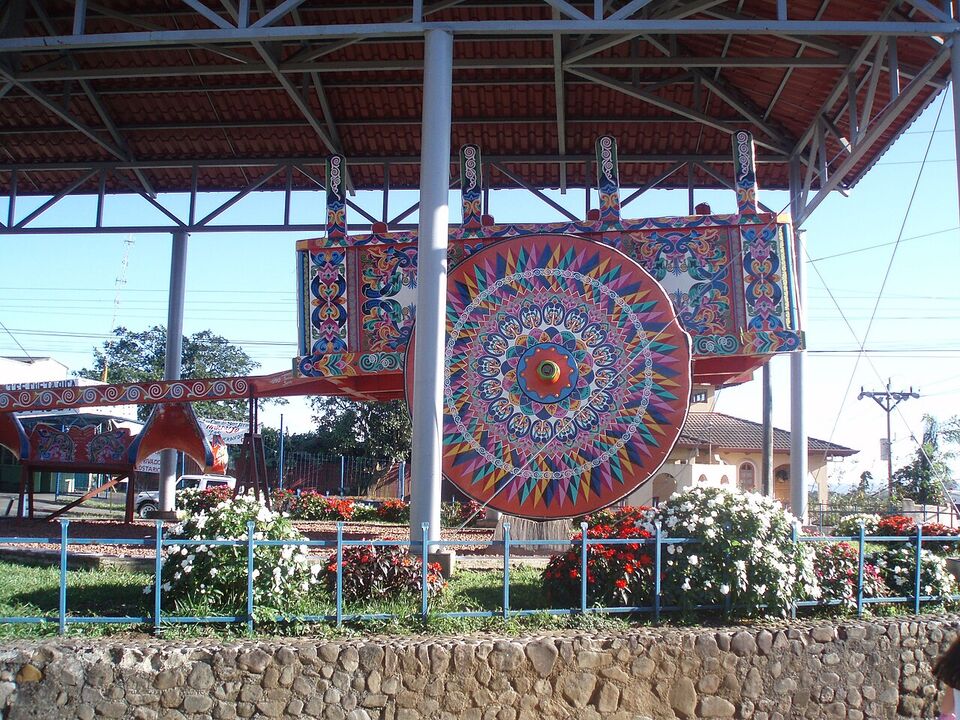
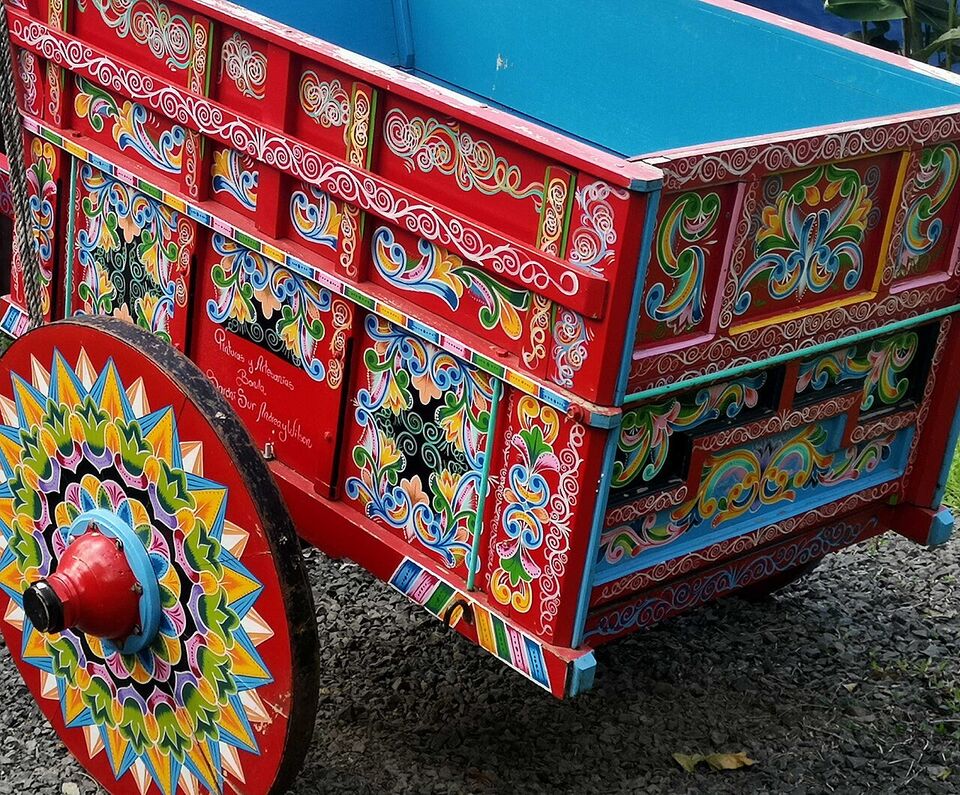
The painted oxcart (carreta) is a national symbol, and UNESCO recognized oxcart traditions as intangible cultural heritage in 2005. Buy a small cart, a painted wheel or a decorated plate.
Wood items
Bowls, cutting boards, carved animals and furniture. Ask what species the wood is and who made it.
Ceramics and Indigenous crafts
Pottery and masks made by Indigenous communities are best bought from community cooperatives or well-labeled shops, where more of the money reaches the makers.
Hammocks and textiles
Hammocks, woven bags and clothing are everywhere in tourist towns. Check the stitching, and ask whether the item is made locally.
Local art
Paintings, prints and photographs by local artists. Ask for a signed receipt, and a tube or flat portfolio for the trip.
Packaged spices and bottled sauces, such as Salsa Lizano (the sauce served with gallo pinto), are also good gifts if they are sealed. Liquids over your airline's carry-on limit belong in checked bags. The food rules below apply. See Costa Rican food for what to look for.
Coffee: how to buy it well
Costa Rican coffee grows at altitude, and Wikipedia describes the best beans as coming from roughly 1,200 to 1,700 m (3,900 to 5,600 ft). Tarrazú is often called the most prized region. Whatever the region, a few habits help.
- Buy whole beans if you have a grinder at home, since ground coffee loses flavor faster.
- Look for a roast date, not just an expiration date. Coffee tastes best in the weeks after roasting.
- Prefer sealed, one-way-valve bags. They travel well and CBP is happy with sealed retail packaging.
- Be cautious about "tourist" prices. Gift shops at airports and attractions typically charge more than supermarkets and roasters. Compare a bag at a supermarket in San José, which stocks local brands, with the airport price.
- Take a coffee tour if you want to learn. Several farms and mills near San José and the Central Valley offer tours, such as the Doka estate and the Britt coffee farm. We could not confirm current tour prices, so check the operator's site. See our coffee and drinks page and the Central Valley guide.
Insider tip
Buy coffee last. Airport gift shops are convenient, but a supermarket or roaster near your hotel is usually cheaper, and you can check the roast date. Pack it in your carry-on so the aroma does not seep into other luggage.
Where to shop
Sarchí
Sarchí, in the mountains northwest of San José, is the traditional place for oxcarts and wooden furniture. Wikipedia's tourism page names Sarchí as a place for souvenirs and typical products, including the famous ox carts. It is about 1 hour from San José, and many visitors combine it with Poás or the Central Valley (check the status of Poás Volcano before you plan; see the Central Valley guide). Workshops let you see the painting, and a large painted cart is a serious purchase. Ask about shipping before you buy anything large.
San José craft markets
San José has craft markets and shops near the city center, and they are good places to compare prices and styles. We could not confirm the current addresses, opening days or hours of individual markets, so ask your hotel and check hours before you go. See San José.
Beach towns and street stalls
Craft stalls in Guanacaste and on the Caribbean coast sell hammocks, jewelry, wood carvings and clothing. Quality varies a lot, and many items are imported. Visit a few stalls first, then buy.
Reserve, park and museum shops
Many reserves run shops that sell locally made goods. For example, the Monteverde Cloud Forest Preserve says its gift shop sells locally crafted souvenirs, educational materials and products that support local artisans. Fixed prices, clear labeling and the purpose of the shop make these a reasonably safe choice for gifts.
Supermarkets
For coffee, sauces, snacks and small gifts, supermarkets often have the best prices and the widest choice. Foreign visitors can stock up on the way to the airport.
Prices and payment
We could not confirm current prices for coffee, chocolate or crafts, and they vary by shop, season and quality. A reliable method is to compare the same item in two or three places before you buy: a supermarket, a tourist shop and a market stall. Shops that cater to tourists often show prices in US dollars, while markets and supermarkets use colones; the rate we use is about 445 colones to the US dollar.
- Sales tax (IVA) is 13%. Ask whether the displayed price already includes it, especially at stalls and tourist shops.
- We found no confirmed tourist VAT refund scheme for visitors. Do not count on getting the tax back; ask the shop if you are making a large purchase.
- Major cards are widely accepted in shops. Small stalls often want cash, in colones or small US bills, and may not have change for large notes.
- Large purchases: ask for an itemized receipt that names the item and the maker.
How to spot imports and genuine crafts
Tourist areas sell many mass-produced items that were not made in Costa Rica. A few clues help:
- Ask directly: ¿Está hecho aquí o es importado? (is it made here or imported?) and where the workshop is.
- Look for a "Made in" label or sticker on the base or tag. Many imports carry one.
- Identical pieces in the same size and finish across several stalls suggest factory production.
- A handmade piece shows small variations. Look at the painting, carving marks and joints, and ask about the process.
- Look for the artist's name or signature, a workshop sign, or a cooperative's tag.
- Very low prices on wood or ceramics are a warning that the item was made elsewhere or out of cheap material.
Locally made does not always mean better, and imported items are not illegal, but you should know what you are paying for.
Bargaining
At street stalls and some open-air craft markets, a friendly counteroffer is normal. In shops with price tags, in supermarkets, at coffee estates and in museum and park gift shops, prices are fixed and haggling is not expected. When you do negotiate, the usual rules apply:
- Greet first (buenas or buenos días). A smile goes a long way; see our etiquette guide.
- Ask for the price, then suggest a lower amount you would pay, without insulting the work.
- Expect a small discount, not half. A buy of several items together can earn a better price.
- Walk away politely if the price does not suit you. Do not bargain unless you plan to buy.
- Do not bargain for work by artisans who show a fair, posted price.
Wildlife products: do not buy
Shells, coral, turtle shell and other animal products may be on sale on beaches and at stalls. Do not buy them. CBP's list of restricted items says that wildlife parts such as feathers, bone, skins, eggs and shells, and products from endangered species, are restricted or banned for import to the US. Shellfish, mollusks and anything made from wildlife can also need permits from the U.S. Fish and Wildlife Service. The CITES treaty restricts international trade in many species, including sea turtles and some corals, and tortoiseshell jewelry is specifically mentioned by CBP.
- Skip jewelry made from turtle shell, shells from live animals, coral pieces, dried sea creatures, feathers, animal teeth, bones and skins.
- Be careful with tropical hardwoods. Some species are protected. Buy finished items from reputable makers and ask which wood it is.
- Do not take live animals, eggs or cuttings of wild plants.
- If you are unsure about an item, check with the U.S. Fish and Wildlife Service before you buy, not at the airport.
Costa Rica also has its own wildlife laws, and buying protected items may be illegal locally as well. For the wildlife you can see for free, read our wildlife guide.
Bringing things home: US customs
Read the CBP page Prohibited and Restricted Items and CBP's duty and allowance pages before you pack. We could not confirm the current duty-free allowance, or alcohol and tobacco limits, from CBP's pages, so we give no dollar or liter figures here: check CBP's Know Before You Go page for your allowance. Declare everything you bring in on your customs declaration, including food and plant items. Answering "yes" to the agriculture question and having the item inspected is much better than being found with it.
Coffee, chocolate and packaged food
CBP says that, as a general rule, condiments, vinegars, oils, packaged spices, honey, coffee and tea are admissible. Many prepared foods are admissible, and bakery items and certain cheeses can be brought in. It also says:
- Meat products, including soup mixes and bouillon that contain meat, are not admissible.
- Fruits and vegetables are restricted depending on the type and origin. Do not pack fresh fruit.
- CBP says it is best to avoid bringing rice, which can harbor insects.
- Some imported foods are subject to US Food and Drug Administration requirements.
Chocolate bars and packaged sweets are normally fine, but check the label for meat-based ingredients and declare them. For fuller rules, the USDA's APHIS site lists traveler tips: aphis.usda.gov.
Alcohol
CBP says the laws of the state where you first arrive in the US govern how much alcohol you may bring and whether you need a license. Check your state's rules and CBP's allowance before you buy rum, guaro or liqueurs. Wrap bottles in clothing, pack them in checked bags and keep receipts.
Plants, seeds and wood
CBP says some plants, cuttings and seeds need import permits, and some are prohibited entirely. Every plant or plant product, including handicraft items made with straw, must be declared to the CBP officer and presented for inspection. Soil is prohibited unless you have a permit. A tin of seeds from a roadside stand, a potted orchid or a woven basket should be declared at the very least, and may be refused. Finished wooden crafts are usually easier than raw wood, but they can be inspected.
Different from home
You will fill out a customs declaration on your flight home to the US, and the agriculture question applies to food and plant souvenirs. In the US, declaring something and having it refused costs nothing; hiding it can mean fines. When in doubt, declare.
Shipping things home
For big items, such as an oxcart or furniture, shipping may cost more than the purchase. We could not confirm current rates. Ask the seller if they ship to the US and who handles customs, then get a written quote for shipping, insurance and any duty. Options include Costa Rica's postal service, Correos de Costa Rica, and international couriers. Expect:
- Shipping costs that are high for heavy or bulky items.
- Possible customs duty, taxes and inspection in the US. Unaccompanied shipments can face different limits than items you carry yourself.
- No guarantee of safe arrival for fragile ceramics. Ask for packing and insurance.
- The same food, plant and wildlife restrictions as a hand-carried item.
If the seller will ship food as a gift on a business's behalf, CBP notes that the US Food and Drug Administration may require prior notice for shipments sent by a business, so ask the seller about it. A gift you mail yourself is treated differently from one the shop sends.
Gift ideas by size and trip type
Think about what fits in your bag and what survives the flight. A few combinations work well:
- Small and light: coffee bags, chocolate bars, packaged spices, a painted wooden magnet or ornament, a small signed print.
- Medium: a wooden bowl or cutting board, a ceramic mug (wrap it well), a woven bag or a hammock, which packs flat.
- Large: a painted oxcart or furniture piece. Plan shipping before you pay, and expect a longer, costlier process.
If you are traveling only in the Central Valley or San José, Sarchí and a coffee estate cover most gifts in one day. If your trip is mostly beaches, buy coffee and chocolate at a supermarket near your last stop, and leave beach-stall crafts for small, inexpensive keepsakes. If you are visiting Monteverde or another reserve, the reserve shop is a convenient place for gifts, and a purchase supports the reserve and local makers.
Buying art and Indigenous crafts with care
Ask who made the item and how the maker is paid. Cooperatives and community-run shops usually answer these questions easily, and many artists sign their work. Do not photograph artisans without asking. For a serious art purchase, such as a large painting, ask for the artist's name, a receipt and a certificate if one exists, and confirm how it will travel. See our etiquette guide for general manners.
Packing and a last-day checklist
- Pack a soft folding bag for souvenirs and check your airline's baggage limits.
- Wrap ceramics and bottles in clothing, and keep fragile items in the middle of your suitcase.
- Keep coffee and chocolate in carry-on bags if possible so they do not get crushed, and put liquids over the airline's carry-on limit in checked baggage.
- Keep receipts for expensive purchases.
- Declare food, plant products and anything you are unsure about on your US customs form.
- Leave shells, coral, turtle products and wildlife items behind.
- Spend your last colones on coffee and chocolate before you leave, since you may not be able to use them at home.
Departure taxes and other airport costs are covered in our flights guide. For help sequencing your final days, see Plan Your Trip.
Add it to a route in the trip builder, or ask us to plan the hotels, transfers and guides for you.