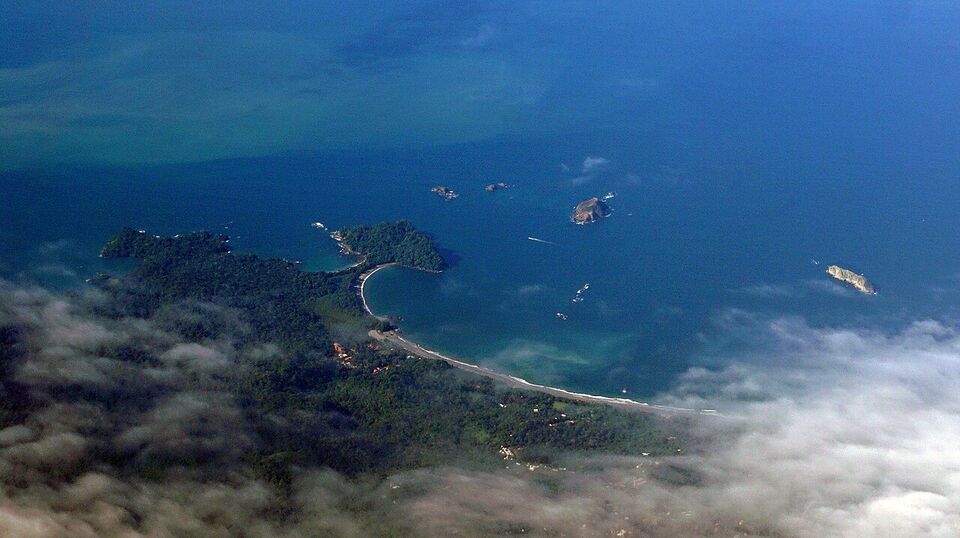
Is February a good month for Costa Rica?
February is one of the safest bets of the year for sun. On the Pacific side and in the Central Valley it is the middle of the dry season: skies are mostly clear, roads and trails are firm, boats run on schedule and beach days are dependable. The Caribbean coast, which is wet for much of the year, is in a relatively drier spell that runs from February to March. The price is high-season crowds and rates, and a dry-season landscape that turns brown and dusty in the northwest.
This page is for February 2027. Costa Rica has no daylight saving time and stays on UTC-6 all year, so it is one hour behind New York until March 14 (and the same as Chicago). Read it with the January guide in front of you if you are choosing between the two, and with the March guide if you are weighing a hotter, busier month. For the whole year, see the when to go guide.
Weather by region
The Pacific side has a clear dry season from December to March, with March the driest and hottest month. The Caribbean side has no real dry season: rain stays between roughly 4 and 8 inches (100 to 200 mm) even in its driest months, and February and March are among them. On the Pacific side, rain that does fall comes in the afternoon or evening. On the Caribbean side it falls mostly at night and in the morning.
| Region | What February is like |
|---|---|
| San José and the Central Valley | Dry and sunny. At the airport, highs average about 84°F (29°C) and lows about 66°F (19°C), with only about 0.4 inch (10 mm) of rain across the month and around 3 days with any measurable rain. Downtown San José is a little cooler than the airport. |
| Guanacaste (Liberia, Tamarindo, Papagayo) | Hot, dry and sunny, and the driest corner of the country, with afternoon highs of about 94°F (34°C). Expect brown hillsides, dusty roads and strong afternoon sun. Breezy at times. |
| Central and South Pacific (Manuel Antonio, Uvita, Dominical) | Hot, humid and mostly dry. Beach and boat days are reliable. Mornings are the coolest and calmest hours. |
| Arenal and La Fortuna | Warm, with sun and some showers. A rough climate table puts highs near 86°F (30°C) and about 5 inches (125 mm) of rain in February, so the north is wetter than the Pacific even in the dry season. Pack a rain jacket. |
| Monteverde | Cooler and often misty or windy (the yearly average is about 64°F, or 18°C), with chilly nights. Bring a fleece. |
| Caribbean coast (Puerto Viejo, Cahuita, Tortuguero) | One of the better months. Highs are around 81°F (27°C) and lows around 72°F (22°C), and a climate table for the Limón area shows about 8 inches (200 mm) of rain in February, one of the lower figures of the year. Showers can still be heavy. |
The San José figures come from the airport weather station, the Limón figures from the Limón airport table (about 55 km north of Puerto Viejo), and the La Fortuna figures from a commercial climate site, so treat the last two as rough. Conditions vary by elevation and day. For a mountain or beach day that matters, check the national weather institute (IMN) forecast a few days ahead.
Different from home
February is summer-like in Costa Rica, not winter. It is near the equator, so daylight lasts about 11.5 to 12 hours all year and the sun sets around 5:45 p.m. Plan hikes, boat trips and long drives for the morning, and keep the afternoon for the pool or the beach.
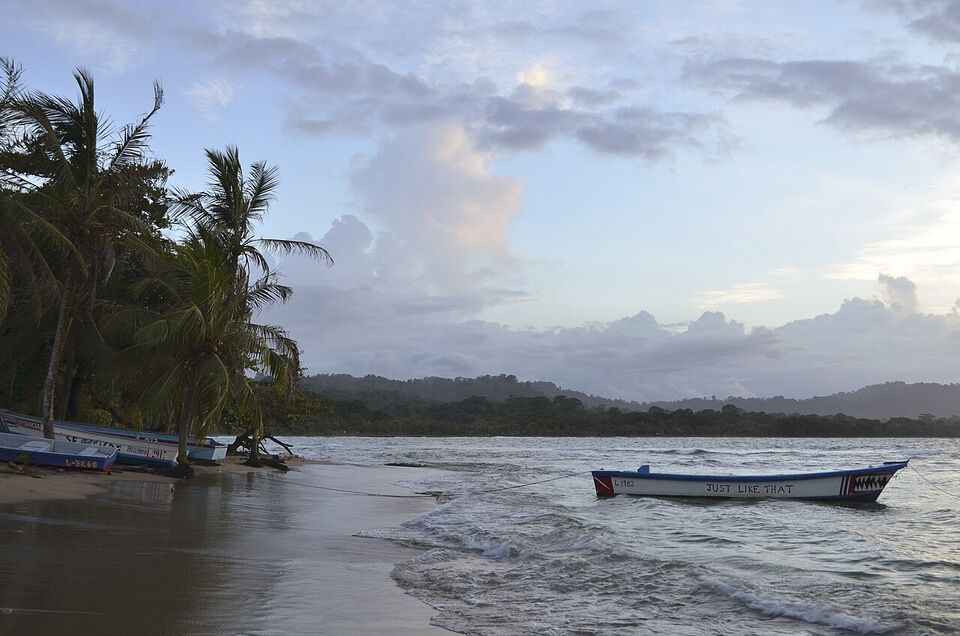
Heat, dust and El Niño water shortages
As of mid-November 2026, Costa Rica was under a national red alert for El Niño, declared on October 22. The national weather institute (IMN) has called this El Niño the most intense since 1888, and the water utility AyA warned that more than 306,000 people could have trouble getting drinking water, about 48% of them in Guanacaste. Forecasts from June said the North Pacific could get up to 50% less rain than normal and run 1 to 2°C warmer, while the Caribbean and the north could be wetter than usual.
By February the dry season is well advanced, so this is when shortages bite hardest. A few practical steps:
- Ask Guanacaste and Central Pacific hotels and rentals about their water source and any rationing before you book, especially small lodges on local water associations.
- Expect wildfire risk and hazier air in the northwest, and take shorter showers even where there is no formal rationing.
- Keep a rain layer for the Caribbean side and the north, which may be wetter than a typical February.
Tap water is generally drinkable in most of the country, but the CDC still advises choosing safe food and drinks, and mosquitoes do not stop in the dry season. Our health guide covers vaccines and bugs, and our Guanacaste guide explains how the northwest differs from the rest of the country.
Crowds and prices
February sits inside the dry-season peak that runs from about mid-December to April. Resort sites describe dry-season rooms as 30 to 40 percent above green-season rates, and the busiest places, including Arenal, Monteverde, Manuel Antonio and the Guanacaste coast, can sell out for weekends. The first week of January is the sharpest price spike; February is a little calmer, with one exception.
- Presidents' Day weekend. Monday, February 15, 2027 is a US holiday, so February 13-15 is a long weekend for many Americans, and Southwest starts Nashville to Liberia flights on Saturdays from February 13 to March 6. That can mean fuller flights, shuttles and beach hotels.
- Hotels. Use the site's tiers: $ is under US$120 a night for a double, $$ is US$120 to US$300, $$$ is over US$300. Mid-tier rooms in popular areas can sell out weeks ahead.
- Rental cars. Travel blogs put a sedan with mandatory insurance at roughly US$60 a day or more in high season, with a 4x4 SUV costing more. Airport pickups usually add a surcharge. See the car rental guide for the insurance rules.
- Flights. Delta flies New York JFK to Liberia on Saturdays from December 19 to April 10, and British Airways (five weekly) and Lufthansa (five weekly) serve San José from Europe through late March. Liberia's airport operates only from 6 a.m. to 9 p.m. See the flights guide.
- Cruise days. The cruise season runs from October to May, with 72 ships expected at Puntarenas and 106 scheduled at Limón this season, so port towns and nearby parks can be busy on ship days. See the cruise guide.
Save money
The cheapest dry-season weeks are usually the ones between holidays: the last days of January and the first half of February, before Presidents' Day. Hotels set their own seasons, so compare specific dates. The budget calculator shows how seasons change the cost of a trip.
What to book ahead
- National parks: SINAC sells timed tickets online for Manuel Antonio, Poás, Irazú, Tortuguero, Rincón de la Vieja, Tenorio, Carara and others, paid by card with passport details, and parks generally do not refund no-shows. Manuel Antonio is closed on Tuesdays, including Tuesday, February 9 (Carnival Tuesday), and the foreign adult price is US$18.
- Poás Volcano: open as of mid-November 2026 with limits that began after the August 27 eruption (about 1,064 visitors a day, helmets on the crater trail, 20 minutes at the lookout). Rules may change, so check SINAC before you go.
- Corcovado: every visitor must go with a certified guide, and Sirena's daily capacity is capped (366 a day since September 17, 2026, and it may change). Check which sectors are open before you book a lodge.
- Monteverde: the Cloud Forest Preserve uses timed online entry, and night walks start around 6 p.m. to 6:30 p.m.
- Lodges, shuttles and tours: shared shuttles, Tortuguero boats and small-group tours sell out on peak dates.
Some trails are closed. Marino Ballena's Piñuela sector closed on November 9, 2026 for about six months, which should keep it closed through most of the dry season, while the Uvita, Colonia and Ballena sectors remain open. At Rincón de la Vieja, the active crater trail is closed until activity drops. At Manuel Antonio, the Punta Catedral trail is temporarily closed with no reopening date. For more about parks, see the national parks guide.
Events and traditions to check
- Carnival Monday and Tuesday, February 8-9, 2027. These are the days before Ash Wednesday (February 10). Costa Rica does not treat them as national holidays in the list we checked, so banks, offices and most businesses should run normally. Puntarenas, the Pacific port city, is known for Carnival-season celebrations, but we could not confirm any 2027 dates or program. Ask the Puntarenas municipality or your hotel.
- Juego de los Diablitos, Rey Curré. This three-day Indigenous tradition in the Indigenous community of Rey Curré, about 220 km south of San José, reenacts the resistance against Spanish conquest: young people in carved masks play the "little devils," and a bull stands for the invaders. The Tico Times reported that the 2022 edition began at midnight on January 27 and that activities were free and open to the public, so the festival usually starts in late January and may fall just before February. The 2027 dates had not been published when we checked. The nearby Boruca community holds its own version, usually around the turn of the year. Go with a local guide or a cultural tour, and ask permission before taking photos.
- Envision Festival. It ran from February 23 to March 2, 2026 in Uvita, but the organizers say they see no path to a 2027 festival and plan no future editions. Treat any 2027 tickets you see advertised with suspicion.
Our festivals guide has the full year and where to check dates.
Where to go in February
Manuel Antonio and the Central Pacific
Reliable sun and calm morning seas. Buy park tickets early, remember the Tuesday closure, and book a guide if you want to see sloths and monkeys. See the Manuel Antonio guide.
Uvita and Dominical
Dry and green at the edges. Humpback whale watching is best from July to October, with some sightings December to April, so ask tour operators what they are seeing. See the Uvita and Dominical guide.
Caribbean coast
February and March are the Caribbean's relatively drier months, so this is a good time to try it. Showers still happen and the sea can be rough. See the Caribbean coast guide and the Tortuguero guide. Turtle nesting runs for months and the dates vary by species, so ask your lodge.
Guanacaste beaches
The driest, sunniest beaches, and the hottest. Ask about water supply and choose a sheltered bay for swimming. See the Tamarindo guide and the beaches guide.
Monteverde and the quetzal highlands
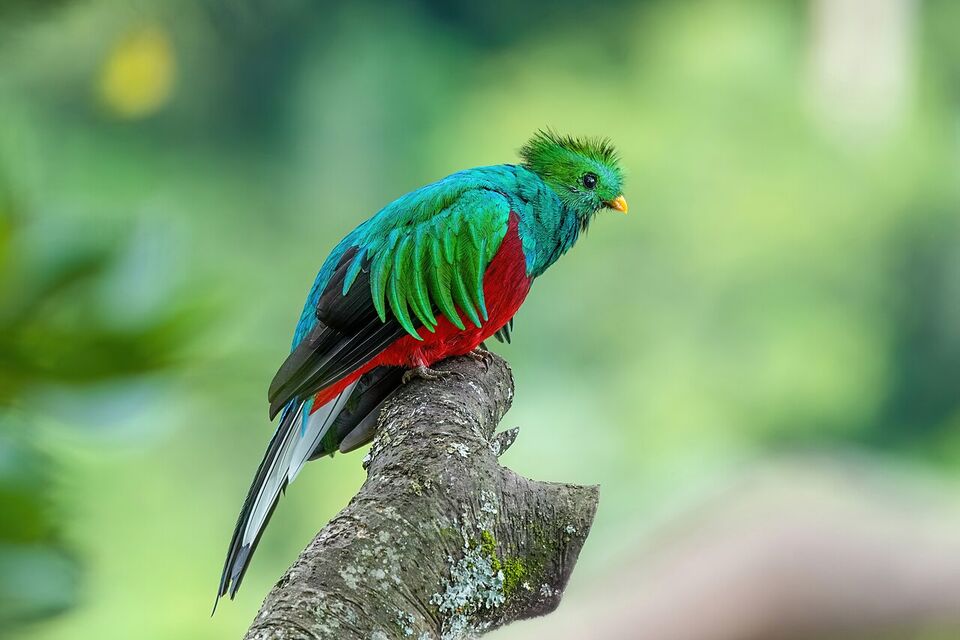
The Tico Times reports that male resplendent quetzals typically court and fly over the canopy in February, and pairs look for nest trunks in March. Sightings are never guaranteed. Keep your distance, because threatened quetzals can abandon a nest. See the Monteverde guide.
Arenal and La Fortuna
Warm and often partly cloudy. Book hot springs ahead. See the Arenal guide.
What to pack
- Light, breathable clothes, a sun hat, sunglasses and high-SPF sunscreen. Reef-safe sunscreen is kind to the water.
- A light rain jacket for Arenal, the Caribbean and surprise showers.
- A fleece or sweater for Monteverde and any evening above about 4,000 feet (1,200 m).
- Insect repellent, a refillable water bottle and a dry bag for boat trips.
- Closed shoes for trails, and sandals for the beach. Dust gets into everything in Guanacaste, so a zip bag for your camera helps.
Use the packing list for a longer checklist.
A sample February week: two coasts
This sketch uses the tourism board's average drive times without stops. Rain, roadworks and slow trucks can add an hour to any leg, so check the day's conditions. Starting on a Saturday avoids a Tuesday arrival at Manuel Antonio, which is closed that day.
- Day 1
Arrive in San José
Collect your bags and your car or shuttle. Immigration lines can be long at peak times, so allow time. Head straight to Manuel Antonio, about 3 hours away, or stay near the airport.
- Days 2-3
Manuel Antonio
Park entry by timed ticket, then a beach afternoon. Go early for animals and shade. Avoid the park on Tuesday.
- Day 4
Return to San José
About 3 hours by road. Sansa also flies between Quepos and San José if you prefer to skip the drive.
- Days 5-7
Cahuita or Puerto Viejo
About 4 to 4.5 hours by road from San José. Walk the Cahuita coastal trail early, rent a bike in Puerto Viejo and ask your lodge about snorkeling conditions that morning. See the Caribbean coast guide.
If you prefer one coast, swap the Caribbean for Guanacaste: fly into Liberia, spend three nights at one of the beaches near Tamarindo, and take a morning at Rincón de la Vieja's Las Pailas sector (open Tuesday to Sunday). See the regions guide for how the areas fit together.
Bottom line
February is a good choice if sun is your priority and you can book early. The Pacific side is at its most reliable, the Caribbean is easier than in December or January, and the mountains are cool and clear. The trade-offs are rates, crowds around Presidents' Day, heat and dust in Guanacaste, and an El Niño year with real water concerns. If you can travel after the middle of the month, you will often find slightly calmer prices before the pre-Easter rush in March.
Add it to a route in the trip builder, or ask us to plan the hotels, transfers and guides for you.