
The short answer
Yes, Costa Rica is safe enough for most American visitors, provided you take sensible precautions. Millions of people travel there without incident. The most likely thing to go wrong is a stolen bag or a break-in to a parked car. The most serious things are drowning in a rip current and a road accident. Violent crime is a smaller risk for tourists, but it is real, and it is the reason for the State Department's warning.
This page gives you the quick version. For the full detail on scams, hazards, taxis and emergencies, read Safety in Costa Rica.
What the US advisory says
The State Department's text for Costa Rica is "Exercise increased caution in Costa Rica due to crime." That is Level 2 on a four-level scale; Level 1 is normal precautions, and Levels 3 and 4 are "reconsider travel" and "do not travel." The advisory says petty crime is the main threat. It also says armed robbery, homicide and sexual assault occur. It names no regions to avoid.
A news summary says the advisory was issued on April 2, 2026, but the page we fetched on November 13, 2026 showed no date, so check the wording and date on travel.state.gov before you go.
It helps to read the number in proportion. Level 2 is a call for awareness, not a reason to stay home. It is the same kind of message you would take to heart in any big city: do not make yourself an easy target. The OIJ counted 453 homicides from January to July 2026, down from 521 in the same months of 2025, according to a Costa Rican news report, but national figures say little about what a visitor will experience.
The real risks, in order
1. Petty theft
Theft from parked rental cars is the classic Costa Rican travel problem. Break-ins at beach parking areas and trailheads are common, and thieves often watch for tourists loading luggage. Beach bags left on the sand and phones on café tables also disappear. The fix is cheap: leave nothing visible in a car, carry only what you need, and swim in shifts. More on this in the full safety guide.
2. The ocean
Rip currents are the physical danger that most worries experienced visitors. Many popular beaches have no lifeguard, and strong surf is common on the Pacific side. We could not find a current official count of drownings, so we will not give one, but the pattern is well known. Ask your hotel about the day's conditions, swim only where other people are swimming, and never fight a current: float, then swim parallel to the shore. Swim near a lifeguard when you can.
3. Driving
Roads are narrower than at home, with sudden potholes, slow trucks, one-lane bridges and motorbikes. Costa Rica recorded 46,949 accidents under its mandatory vehicle insurance in 2025, and motorcyclists were 64% of the injured, according to the Tico Times. If you are not confident on mountain roads, book shuttles for the long legs. See driving in Costa Rica and car rental.
4. Health
Mosquito-borne illness is the most likely health issue. The CDC lists an outbreak notice for chikungunya in the northwest and a hepatitis A outbreak notice, so check the CDC page before you go and see health and medical care.
Watch out
The State Department advises against resisting an armed robber. If you are robbed, hand over the phone or wallet, get to a safe place, and call 911. Things can be replaced; you cannot.
How risk varies where visitors go
We found no official breakdown of tourist risk by town, so this section describes the typical issues in each area rather than ranking them. Conditions vary by neighborhood and season.
| Area | Typical visitor risk | What helps |
|---|---|---|
| San José and the Central Valley | Phone and bag snatching, car break-ins; volcano limits at Poás | Licensed taxi after dark; follow park rules. See San José |
| La Fortuna and Arenal | Car break-ins at trailheads; strong currents at waterfall pools | Do not leave valuables in cars; swim only in marked areas. See Arenal |
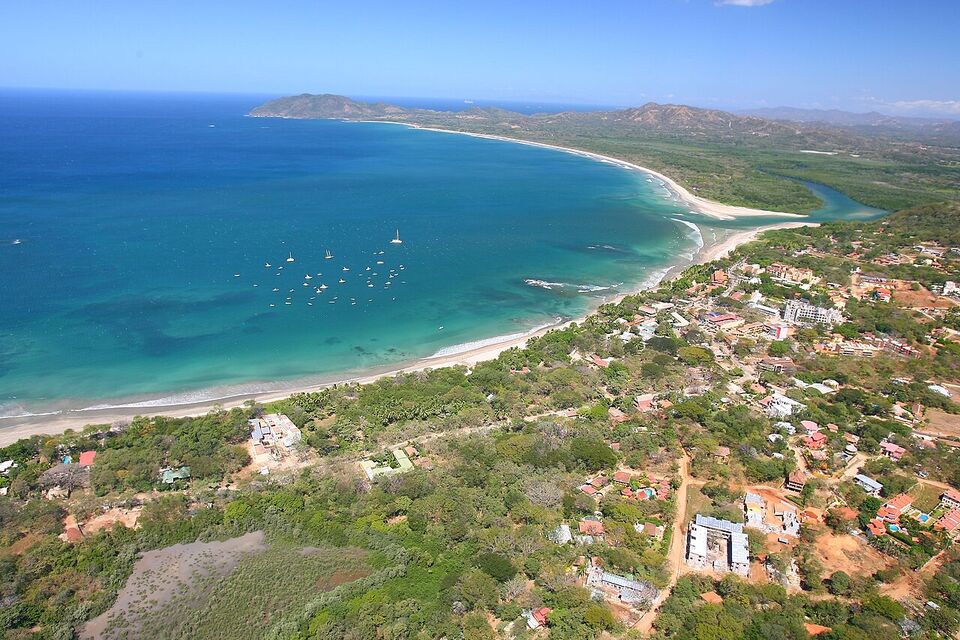
| Guanacaste and Tamarindo | Rip currents; car break-ins; heat and water shortages during El Niño | Ask about surf; stay hydrated. See Tamarindo |
| Manuel Antonio and Quepos | Rip currents; theft from cars and beaches; monkeys that grab food | Use lifeguarded areas; keep food sealed. See Manuel Antonio |
| Osa Peninsula | Remote, with river crossings and long distances to hospitals | Guides, insurance and flexible plans. See Osa Peninsula |
| Caribbean coast | Mosquitoes, bike and bag theft, heavy rain, strong surf | Repellent, bike locks, advice on the water. See Caribbean coast |
One data point worth knowing: a Tico Times report seen on its home page on November 13, 2026 said the canton of Santa Cruz, which includes Tamarindo, led Guanacaste in homicides and car break-ins. That is a reason to be careful with parked cars and nights out, not to skip the area. Most visitors stay in the busy beach areas, where the main issue is theft.
What to avoid
- Leaving anything visible in a parked car, or luggage in a trunk, even briefly.
- Walking alone at night in San José or on deserted beaches and trails.
- Swimming at beaches with no lifeguard when the surf is big, at dusk, or after drinking.
- Buying drugs. They are illegal, and a bad purchase or an arrest can ruin a trip.
- Crossing rivers, on foot or by car. A rental car driven through a river loses all insurance cover.
- Unlicensed tours and shortcuts into national parks. New fines for unauthorized park entry began on April 30, 2026.
Simple rules that work
- Leave nothing in the car, and pull the door handle after you lock it.
- Carry a photocopy of your passport with the entry stamp, and keep the original secure unless you need it.
- Use ATMs inside banks or malls, in daylight.
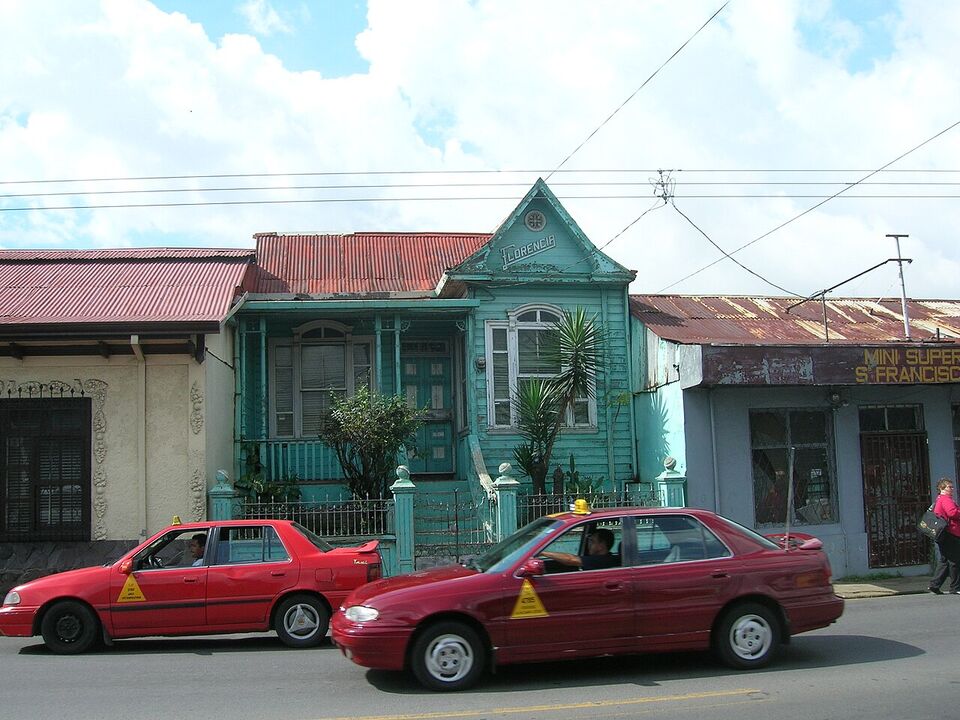
- Book a licensed taxi or a shuttle at night. Red taxis are the official option, with orange taxis at San José's airport.
- Check the day's surf with your hotel before you swim.
- Buy travel insurance with medical evacuation.
- Enroll in STEP at step.state.gov.
- Save 911 and the US Embassy number, (506) 2519-2000, in your phone.
Different from home
The emergency number is 911, as in the US, but do not expect an English-speaking dispatcher everywhere. Know your location in Spanish, and ask your hotel to help in a real emergency. Dollars are widely accepted, but your change will often come back in colones, so check it. The exchange rate in this guide is US$1 = ₡445.
Solo women
Many women travel alone in Costa Rica and have a good trip. The risks are those women meet in any country: unwanted attention, drink-spiking in bars, and the need to think about transport after dark. The advisory includes sexual assault among crimes that occur. A few habits help:
- Share your plans and location with someone at home, and check in daily.
- Choose lodging with 24-hour reception or a good rating on location and locks, and ask about the walk after dark.
- Do not accept drinks you did not watch being poured, and leave bars with friends.
- Book rides in advance. Uber Mujeres, reported by the Tico Times in November 2026, lets women request a female driver, though ride-hailing is in a legal gray area and you should still check the plate in the app.
- Avoid isolated beaches and trails alone, especially at dusk.
LGBTQ+ travelers
Costa Rica has recognized same-sex marriage since May 2020, and San José and the main beach destinations are generally more relaxed than small interior towns. Public displays of affection are more likely to attract stares in rural areas. We found no official, current guidance on LGBTQ+ safety specific to Costa Rica beyond the State Department's general LGBTQI+ advice, so read that on the advisory page and ask your hotel about welcoming venues. The usual cautions apply on nights out and in taxis.
Adventure activities, tours and the outdoors
Zip lines, white-water rafting, canyoning, surf lessons and volcano hikes are a big part of a Costa Rica trip, and most run without trouble. The risk lies in picking the cheapest option or going off the official route. Book through licensed operators, ask what safety gear and guides are included, and read the cancellation terms for bad weather. Check that your travel insurance covers the activity, because standard policies can exclude surfing and other adventure sports.
Park rules are part of safety. Poás Volcano erupted on August 27, 2026, and as of November 12, 2026 the park was open with a reduced daily limit, helmets on the main trails and tickets that must be reserved online. At Rincón de la Vieja the active crater trail was closed. Rules can change within days, so check the SINAC booking portal and the park's notices before you travel. More in national parks and adventure.
Safety at night and in cities
Most visitors spend their evenings at hotel restaurants and in beach-town streets, and that is where the advisory's advice about walking alone in isolated areas matters. In San José, take a licensed taxi after dark instead of walking between neighborhoods, even for a short distance. In beach towns, the beach itself is the risk at night: it is dark, there are no lifeguards, and alcohol and surf do not mix.
If you want to go out, go with a group, keep your phone and a little cash in a front pocket, and have a plan for the ride home before you leave. Keep cards and your passport in the hotel safe, and carry a photocopy of your passport with the entry stamp.
Keeping up with changes
Conditions shift, especially during the 2026 El Niño. Costa Rica's national emergency commission raised the national alert to red on October 22, 2026, and dry-season visitors in Guanacaste and the Central Pacific should expect heat, wildfire risk and possible water rationing. Before a trip, check the State Department advisory, the CDC page and the park or operator you plan to visit. Enroll in STEP so the embassy can reach you with alerts. Then rely on your hotel, which will know the local situation better than any guide, including ours.
Where to go next
If you are still deciding, Safety in Costa Rica has the full guide, health and medical care covers vaccines and insurance, and entry requirements covers the paperwork. Families may want traveling with kids, and the FAQ collects short answers.
Add it to a route in the trip builder, or ask us to plan the hotels, transfers and guides for you.