Is March a good month for Costa Rica?
March is the month for dependable sun. On the Pacific side it is the driest and hottest month of the year, which means the best beach and boat weather, firm roads and dry trails. The price is heat, dust and crowds: it is still high season, many American schools and colleges take spring break this month, and Holy Week (Semana Santa) falls on March 21-28 in 2027, an early date for it. If you can pick, the first half of March is hot but calmer than Holy Week.
This page is for March 2027. Costa Rica has no daylight saving time and stays on UTC-6 all year, so the gap to the US changes in the middle of the month (see the quick answers above). For the month before, read the February guide; for the dry season's start, see January; and for the whole year, see the when to go guide.
Weather by region
The Pacific side has a clear dry season from December to March, with March the driest and hottest month and April a transition month. The Caribbean side has no real dry season, but February to March is one of its two relatively drier periods, with rain staying roughly in the 4 to 8 inch (100 to 200 mm) range. Rain on the Pacific side falls in the afternoon or evening; on the Caribbean side it falls mostly at night and in the morning.
| Region | What March is like |
|---|---|
| San José and the Central Valley | Dry and sunny. At the airport, highs average about 86°F (30°C) and lows about 66°F (19°C), with only about 0.5 inch (14 mm) of rain across the month and around 5 days with any measurable rain. Downtown San José is a little cooler than the airport. |
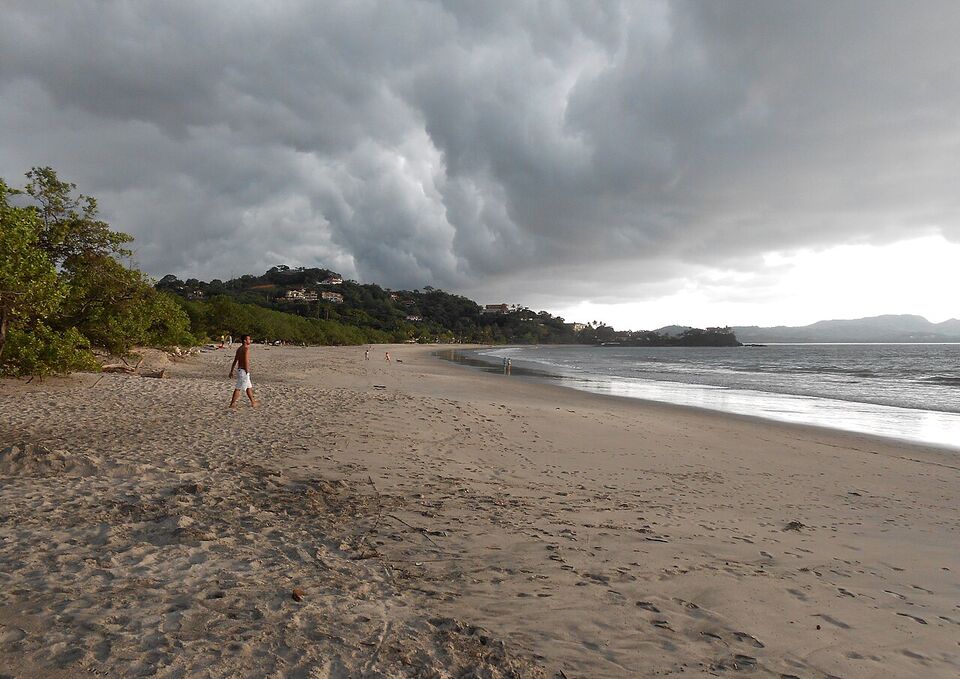
| Guanacaste (Liberia, Tamarindo, Papagayo) | The hottest and driest part of the country, and it is at its limit in March. Afternoon highs average about 96°F (35°C). Expect baking afternoons, brown hillsides, dust and smoke from fires. |
| Central and South Pacific (Manuel Antonio, Uvita, Dominical) | Hot, humid and mostly dry, with calm mornings. Swim and boat early. |
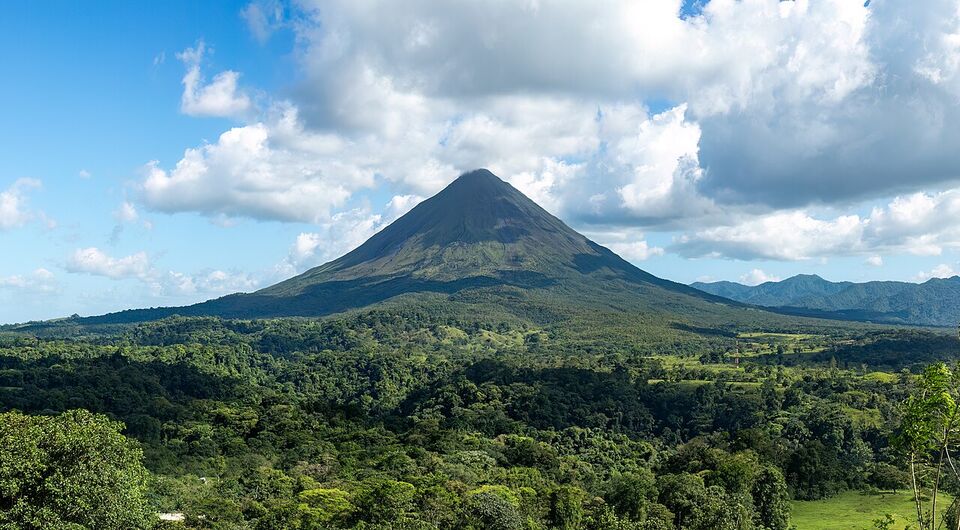
| Arenal and La Fortuna | Warm and the driest of the year. A rough climate table puts highs near 90°F (32°C) and about 3 inches (80 mm) of rain in March, so it is still wetter than the Pacific. Pack a light rain jacket. |
| Monteverde | Cooler and often misty or windy (the yearly average is about 64°F, or 18°C), with chilly nights. Bring a fleece. |
| Caribbean coast (Puerto Viejo, Cahuita, Tortuguero) | One of the better months. A climate table for the Limón area shows highs near 82°F (28°C), lows near 73°F (23°C) and about 8 inches (190 mm) of rain. Showers can still be heavy. |
The San José figures come from the airport weather station, the Limón figures from the Limón airport table (about 55 km north of Puerto Viejo), and the La Fortuna figures from a commercial climate site, so treat the last two as rough. For a day that matters, check the national weather institute (IMN) forecast a few days ahead.
Different from home
March in Costa Rica is not spring. It is the peak of the hot, dry season, and the sun sets at about 5:45 p.m. Costa Rica does not move its clocks, so from March 14 the time gap to the US East Coast grows to two hours. Check flight and tour times against local time.
Heat, fire and El Niño water shortages
As of mid-November 2026, Costa Rica was under a national red alert for El Niño, declared on October 22. The national weather institute (IMN) has called this El Niño the most intense since 1888, and the water utility AyA warned that more than 306,000 people could have trouble getting drinking water, about 48% of them in Guanacaste. Forecasts from June said the North Pacific could get up to 50% less rain than normal and run 1 to 2°C warmer, while the Caribbean and the north could be wetter than usual.
By March the dry season has been running for months, so this is when shortages and fire risk should peak. We cannot say what rationing will look like then, so plan with these steps:
- Ask Guanacaste and Central Pacific hotels and rentals about water supply and any rationing before you book.
- Expect wildfire risk and hazy air in the northwest, especially in the afternoon, and carry water on every outing.
- Do the active things (hikes, zip lines, boat trips) in the early morning. Midday is for shade, pools and sea breezes.
Heat is a health issue as well as an annoyance. Drink water steadily, wear a hat and sunscreen, and know the signs of heat exhaustion. Our health guide covers sun, bugs and vaccines, and the Guanacaste guide explains how the northwest differs from the rest of the country.
Holy Week (Semana Santa), March 21-28, 2027
Holy Week is the biggest holiday week of the year for Costa Ricans, and in 2027 it falls entirely in March: Palm Sunday on March 21, Holy Thursday on March 25, Good Friday on March 26 and Easter Sunday on March 28. Holy Thursday and Good Friday are public holidays and, in Costa Rica, holidays keep their calendar dates and do not move to Mondays. In 2026 the same days fell on April 2 and 3.
What closes, and what stays open
- Closed: banks, government offices and state institutions on Thursday and Friday, along with many professional offices. The Museos del Banco Central closed for Holy Week in 2026 (April 2-5), so check their 2027 schedule.
- Usually open: shops, supermarkets, restaurants and most tourist businesses, though some small businesses close or shorten hours. An older Q Costa Rica report (2014) found that stores and malls run normally during Semana Santa, but call ahead if you need a specific service.
- National parks: SINAC says parks stay open on public holidays unless closed for safety. Timed tickets for popular parks can sell out, and Manuel Antonio still closes on Tuesdays (March 23 falls in Holy Week).
- Alcohol: there is no national ban. Under the municipal law, each canton decides. In 2026 only Cartago banned sales on Good Friday, and Turrialba limited sales during procession hours. We could not confirm the 2027 decisions, which may be announced shortly before Holy Week.
Crowds, prices and how to plan around them
Many families head for the beach, so expect heavy traffic on the roads to the coast in the days before the holiday and again on the return trip. Coastal hotels fill, rates tend to rise, and rental cars and shuttles can sell out. Tabacón, the hot springs resort near Arenal, charges guests' cards 45 days ahead (rather than 15) for Easter week, which is a good sign of how tight space is. For Holy Week, book lodging and cars as early as you can, and buy park tickets as soon as you know your day.
Insider tip
Travel early in the week rather than on Thursday, start long drives in the morning, and book beach hotels for at least three nights so you are not on the road on the busiest days. Inland bases such as Arenal or the Central Valley can be a calmer way to spend the holiday, though they can still fill. See the festivals guide for how holidays affect your plans.
Crowds, prices and flights
March sits inside the dry-season peak that runs from about mid-December to April. Resort sites describe dry-season rooms as 30 to 40 percent above green-season rates. Most US college and school spring breaks fall in March, so expect more American families and students on popular beaches and flights.
- Hotels. Use the site's tiers: $ is under US$120 a night for a double, $$ is US$120 to US$300, $$$ is over US$300. Mid-tier rooms in popular areas can sell out weeks ahead, and Holy Week is likely to be the most expensive part of the month.
- Rental cars. Travel blogs put a sedan with mandatory insurance at roughly US$60 a day or more in high season, with a 4x4 SUV costing more. Airport pickups usually add a surcharge. See the car rental guide for the insurance rules.
- Flights. Southwest flies Nashville to Liberia on Saturdays from February 13 to March 6, and adds Austin to San José on Saturdays from March 13. Delta flies New York JFK to Liberia on Saturdays through April 10. British Airways and Lufthansa serve San José from Europe (each five weekly) through late March. Liberia's airport operates only from 6 a.m. to 9 p.m. See the flights guide.
- Cruise days. The cruise season runs to May, so port towns such as Puntarenas and Limón can be busy on ship days. See the cruise guide.
Save money
The calmest March weeks are the first two, before Holy Week. Hotels set their own seasons, so compare specific dates: shifting a trip by even a week can change the price. The budget calculator shows how seasons change the cost of a trip.
What to book ahead
- National parks: SINAC sells timed tickets online for Manuel Antonio, Poás, Irazú, Tortuguero, Rincón de la Vieja, Tenorio, Carara and others, paid by card with passport details, and parks generally do not refund no-shows. The foreign adult price at Manuel Antonio is US$18.
- Poás Volcano: open as of mid-November 2026 with limits that began after the August 27 eruption (about 1,064 visitors a day, helmets on the crater trail, 20 minutes at the lookout). It may sell out on weekends and holidays, and rules may change, so check SINAC.
- Irazú: online booking applies, hours are 8 a.m. to 3:30 p.m. daily including holidays, and the adult price is about US$15 (check the SINAC checkout for the final price).
- Corcovado: every visitor must go with a certified guide, and Sirena's daily capacity is capped (366 a day since September 17, 2026, and it may change).
- Lodges, shuttles and tours: shared shuttles, Tortuguero boats and small-group tours sell out on Holy Week dates.
Some trails are closed. Marino Ballena's Piñuela sector closed on November 9, 2026 for about six months, so it may reopen in May; the Uvita, Colonia and Ballena sectors remain open. At Rincón de la Vieja, the active crater trail is closed until activity drops, and the Las Pailas sector is closed on Mondays. At Manuel Antonio, the Punta Catedral trail is temporarily closed with no reopening date. For more, see the national parks guide.
Events and traditions to check
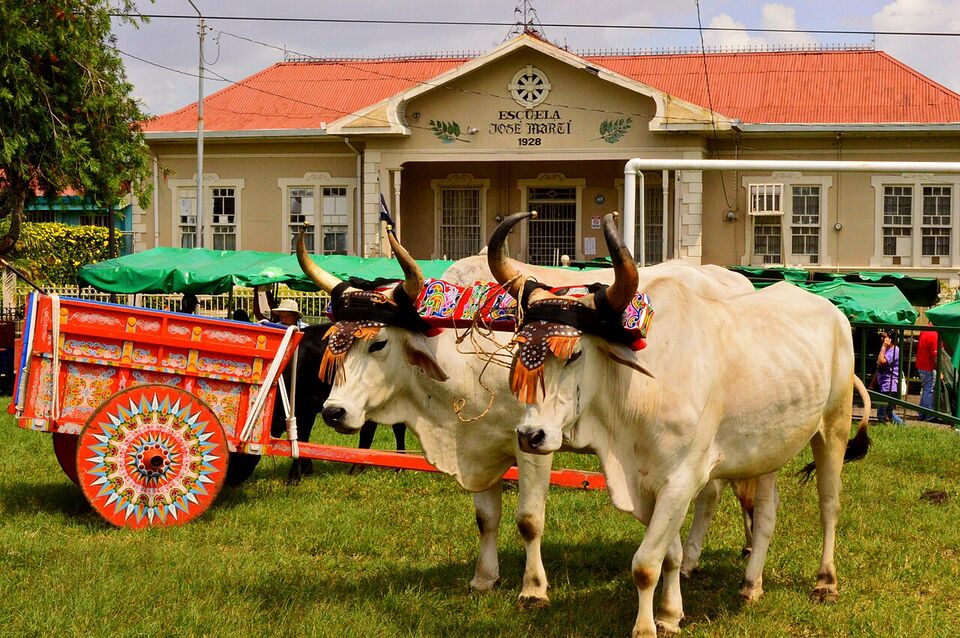
- Día Nacional del Boyero (Oxcart Driver's Day). A 2022 El Mundo CR article, citing an October 1988 decree, puts it on the second Sunday of March, which would be March 14, 2027. The day honors the boyeros who drive painted oxcarts, a tradition on UNESCO's intangible heritage list, and parades through town streets are common. We could not confirm that the rule still applies or which town will host the main parade in 2027, so check the tourism board's events page. For painted oxcart crafts, see the shopping guide.
- Quetzal nesting. The Tico Times reports that nesting begins in March, with pairs choosing a trunk, and that chicks leave the nest at about 28 days. Places to look include Monteverde, Los Quetzales National Park and La Amistad International Park near Biolley. Sightings are never guaranteed, and visitors should keep their distance because threatened quetzals can abandon a nest.
- Envision Festival. The 2026 edition ran from February 23 to March 2 in Uvita, but the organizers see no path to a 2027 festival. Do not plan around it.
- Turtle nesting. Nesting runs for months and the windows vary by species and beach. Ask your lodge for dates, go only with licensed guides, and follow the beach rules. See the wildlife guide.
Where to go in March
Guanacaste beaches
The driest, sunniest and hottest beaches. Book well ahead for Holy Week, ask about water, and choose a sheltered bay for swimming. See the Tamarindo guide and the beaches guide.
Nicoya Peninsula
Long beaches and a laid-back feel, and crowded in Holy Week. See the Nicoya Peninsula guide.
Manuel Antonio and Uvita
Hot and dry with reliable sea conditions. Book park tickets early. See the Manuel Antonio guide.
Arenal and La Fortuna
The driest month of the year for the north, and a good inland option over Holy Week. See the Arenal guide.
Monteverde
A relief from coastal heat, and a quetzal spot. Reserve timed entry and a night walk. See the Monteverde guide.
Caribbean coast
February and March are the relatively drier months here. Showers still happen and the sea can be rough. See the Caribbean coast guide.
What to pack
- Light, breathable clothes, a wide-brimmed hat, sunglasses and high-SPF sunscreen. Reef-safe sunscreen is kind to the water.
- A refillable bottle and electrolyte tablets for hot days.
- A light rain jacket for Arenal and the Caribbean, and a fleece for Monteverde.
- Insect repellent, a dry bag for boat trips and a zip bag to keep dust out of cameras.
Use the packing list for a longer checklist.
Two sample March plans
These sketches use the tourism board's average drive times without stops. Rain, roadworks and heavy holiday traffic can add an hour or more to any leg.
A hot, calm first half of March
- Day 1
Arrive in Liberia
Fly into Liberia and head to a Guanacaste beach, about an hour away. Ask about water supply when you check in.
- Days 2-4
Beach mornings
Swim and snorkel early, rest at midday and walk the beach at sunset. Pick a sheltered bay on windy days.
- Days 5-6
Monteverde
About 2.5 hours from Liberia. Reserve the cloud forest and a night walk.
- Day 7
Return to Liberia or San José
Allow extra time if you cross the country for your flight.
Holy Week, away from the beach crowds
- Sat, March 20
Arrive in San José
Pick up your car or shuttle and head to La Fortuna, about 2.5 hours away.
- March 21-24
Arenal and La Fortuna
Waterfall, hot springs and a hanging bridge. Book hot springs ahead. Travel before Thursday.
- March 25-26
Stay put
Holy Thursday and Good Friday are likely to be heavy road days. Spend them in one place, or at the hot springs.
- March 27-28
Monteverde or the Central Valley
Take the road on Saturday morning, and avoid the Easter Sunday evening return rush.
If you prefer the Pacific, see the regions guide for how the areas fit together and choose a base with at least three nights.
Bottom line
March is a good choice if sun matters more than comfort. The Pacific side is at its driest and most reliable, the Caribbean is relatively calm, and the mountains give you a cool break. Expect heat, dust, water cautions in Guanacaste, and crowds that peak during Holy Week from March 21 to 28. If you can travel in the first two weeks, you will get the same sun with less pressure on prices and roads. If you must go in Holy Week, book early and plan for the holiday traffic.
Add it to a route in the trip builder, or ask us to plan the hotels, transfers and guides for you.