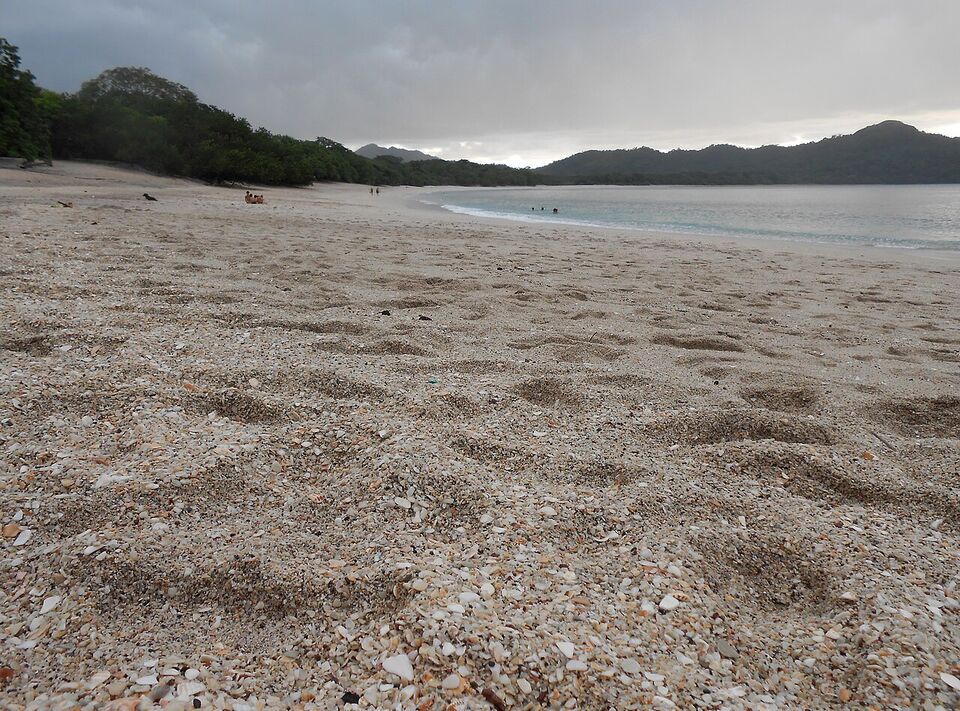
January in short
January is the first full month of Costa Rica's dry season on the Pacific side, and for sun-seekers it is hard to beat. Skies are mostly clear, rivers run lower, roads are in better shape, and beach days are reliable. The price is crowds and higher rates: January is high season, and the first week is shared with the Christmas and New Year holiday rush. If you want to compare it with the weeks before, see the December guide; for the full year, see the when to go guide.
This page is for January 2027. Costa Rica has no daylight saving time and stays on UTC-6 all year, so it is one hour behind New York in January. Two things make this year slightly unusual: an El Niño that has led to a national alert (more on that below), and the timing of New Year's Day on a Friday.
Weather by region
Costa Rica has two rainfall patterns. The Pacific side has a clear dry season (December to March, with March the driest and hottest month) and a rainy season from May to October. The Caribbean side has no real dry season; its relatively drier periods are February to March and September to October, and November to January is its strongest rainy period. Rain in the dry season mostly falls in the afternoon or evening on the Pacific side, and at night and in the morning on the Caribbean side.
| Region | What January is like |
|---|---|
| San José and the Central Valley | Dry and sunny. At the airport, highs average about 83°F (28°C) and lows about 65°F (19°C), with around 0.25 inch (6 mm) of rain across the whole month. Downtown San José is a little cooler than the airport. |
| Guanacaste (Liberia, Tamarindo, Papagayo) | Hot, dry and sunny, the hottest and driest part of the country. Can be windy. Expect dusty roads and brown hillsides. |
| Central and South Pacific (Manuel Antonio, Uvita, Dominical) | Hot, humid and mostly dry. Short showers are possible but not the pattern. |
| Arenal and La Fortuna | Warm, with a mix of sun and showers. The northern lowlands get more rain than the Pacific even in the dry season, so pack a rain jacket. |
| Monteverde | Cooler and often misty or windy (the yearly average is about 64°F, or 18°C), with chilly nights. Bring a fleece. |
| Caribbean coast (Puerto Viejo, Cahuita, Tortuguero) | The wetter part of the year. Showers can be heavy and long, and the sea can be rough. Sunny spells still happen. |
The San José figures come from the airport weather station, and the Monteverde average from a published summary; the other regions are described in general terms, and conditions vary by elevation and day. If a mountain or beach day matters, check the national weather institute (IMN) forecast a few days ahead.
Different from home
"Dry season" does not mean rain-free everywhere, and "high season" does not mean it is winter. Costa Rica sits near the equator, so daylight lasts roughly 11 to 12 hours year-round and the sun sets before 6 p.m. in January. Plan outdoor activities for the morning.
The El Niño effect in 2027
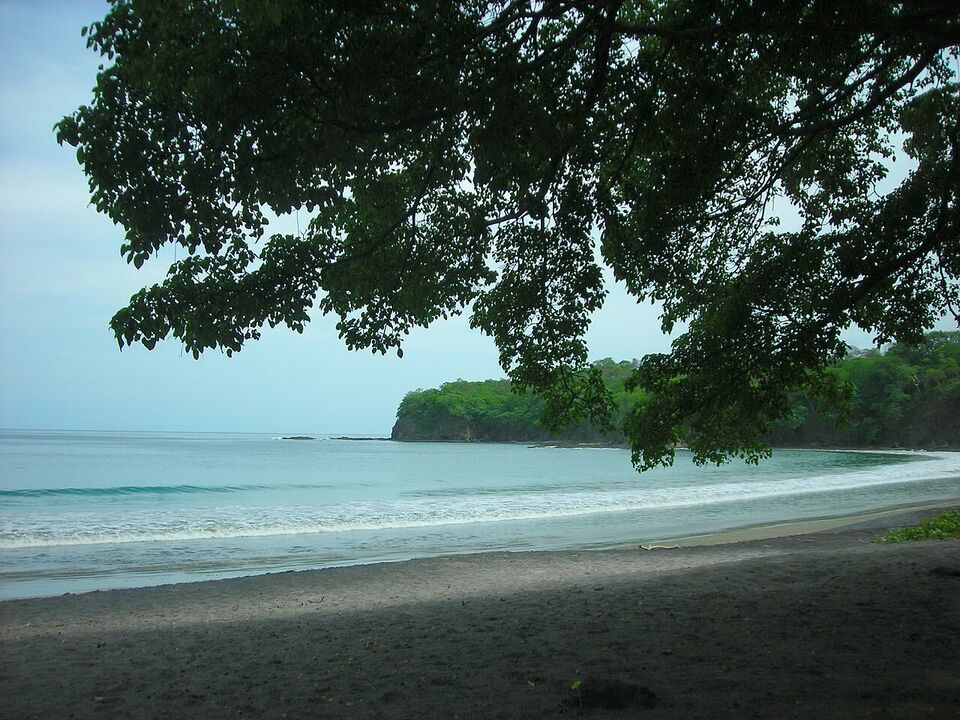
As of mid-November 2026, Costa Rica was under a national red alert for El Niño, declared on October 22. The national weather institute (IMN) has called this El Niño the most intense since 1888, and the water utility AyA warned that more than 306,000 people could have trouble getting drinking water, about 48% of them in Guanacaste. Forecasts from June said the North Pacific could get up to 50% less rain than normal and run 1 to 2°C warmer, while the Caribbean and the north could be wetter than usual.
For a January trip, that points to a few practical steps:
- Ask Guanacaste and Central Pacific hotels and rentals about water supply and any rationing before you book.
- Expect a higher wildfire risk and hazier air in the northwest during the driest weeks.
- Expect the Caribbean side to be wetter than a typical January, and have indoor backups.
Our health guide covers vaccines and bugs. As of the CDC page we checked, there was a Level 2 notice for a chikungunya outbreak in northwest Costa Rica (updated July 30, 2026) and a Level 1 notice for hepatitis A with most cases in San José province (September 18, 2026). Use repellent, and check the CDC page before you leave.
Wind on the Guanacaste coast
The dry season brings trade winds, which strengthen on the Pacific side of the northwest. The tourism board says the trade winds intensify during the mid-year dry spell (veranillo), and breezy conditions are widely reported around Guanacaste in the dry season. We found no official wind data for specific beaches or for January, so treat this as a general warning.
What it means in practice: some beaches have onshore chop in the afternoon, sand can blow around, and a drink or a beach umbrella can go astray. Sheltered bays are calmer than open beaches. If you want a calm swim or a snorkel, ask your hotel which beach is most sheltered that day, and go in the morning. Boat tours usually leave early for the same reason. See the Guanacaste guide and the Tamarindo guide for how to choose a base, and the beaches guide for swimming safety and rip currents.
Crowds and prices
January falls inside the dry-season peak that runs from about mid-December to April. Room rates are at their highest in the weeks around Christmas and New Year, and busy places, including Arenal, Monteverde, Manuel Antonio and the Guanacaste coast, fill up. Tabacón, the hot springs resort near Arenal, charges guests' cards 45 days ahead for December 18 to January 8, a good sign of how tight space is in those weeks.
A few budget points:
- Hotels. Use the site's tiers: $ is under US$120 a night for a double, $$ is US$120 to US$300, $$$ is over US$300. In January, a hotel in the middle tier in a popular area can sell out weeks ahead.
- Rental cars. Travel blogs put a sedan with mandatory insurance at roughly US$60 a day or more in high season, with a 4x4 SUV costing more. Airport pickups usually add a surcharge. See the car rental guide for the insurance rules.
- Flights. Extra winter service is scheduled to Liberia, including United from Washington Dulles daily from December 17, 2026 to January 4, 2027, Delta from New York JFK on Saturdays from December 19 to April 10, and Canadian carriers. Liberia's airport operates only from 6 a.m. to 9 p.m. See the flights guide.
Save money
If you can travel in the second half of January instead of the first week, you often avoid the sharpest holiday pricing and the biggest crowds. Check specific dates, because hotels set their own seasons. The budget calculator shows how seasons change a trip's cost.
What to book ahead
- National parks: SINAC sells timed tickets online for Manuel Antonio, Poás, Irazú, Tortuguero, Rincón de la Vieja, Tenorio, Carara and others, paid by card with passport details, and parks generally do not refund no-shows. Manuel Antonio is closed on Tuesdays, and the foreign adult price is US$18.
- Poás Volcano: open as of mid-November 2026 with limits that began after the August 27 eruption (about 1,064 visitors a day, helmets on the crater trail, 20 minutes at the lookout). Reserve early and check SINAC for changes.
- Corcovado: every visitor must go with a certified guide, and Sirena's daily capacity is capped (366 a day since September 17, 2026, and it may change). Check which sectors are open before you book a lodge.
- Monteverde: the Cloud Forest Preserve uses timed online entry, and night walks start around 6 p.m. to 6:30 p.m. Santa Elena reserve's 2026 self-guided adult rate is ₡10,000 (about US$22); 2027 rates were not out yet.
- Lodges, shuttles and tours: shared shuttles, Tortuguero boats and small-group tours sell out on peak dates.
Some trails are closed. Marino Ballena's Piñuela sector closed on November 9, 2026 for about six months, while the Uvita, Colonia and Ballena sectors remain open. At Rincón de la Vieja, the active crater trail is closed until activity drops. At Manuel Antonio, the Punta Catedral trail is temporarily closed with no reopening date. For more about parks, see the national parks guide.
Whale watching is best from July to October, with some sightings from December to April, but we could not confirm January windows, so ask tour operators what they are seeing.
Events to check
- New Year's Day, Friday, January 1, 2027. A public holiday. Banks and government offices close, and the Museos del Banco Central are closed that day. Expect a Friday-to-Sunday holiday weekend.
- Fiestas de Zapote. The 2025-26 fair ran December 25 to January 4 in San José. The 2026-27 dates were not published when we checked.
- Fiestas de Palmares. The 2026 edition ran January 15 to 26 in Palmares, Alajuela. For 2027, expect mid-to-late January and check before you plan around it.
- Local fiestas. Towns across the country hold their own fiestas around the new year, including Indigenous traditions in the south. Dates vary by year, so ask your lodge or the local municipality.
Our festivals guide has the full year and where to check dates.
A sample January week
This sketch aims for sun, a volcano and a little wildlife, using the tourism board's average drive times without stops. Rain, roadworks and slow trucks can add an hour to any leg, so check the day's conditions.
- Day 1
Arrive in San José
Collect your bags and your car or shuttle. SJO is in the middle of a terminal expansion, and immigration lines can be long at peak times, so allow time. Stay near the airport or head straight to La Fortuna, about 2.5 hours away.
- Days 2-3
Arenal and La Fortuna
Waterfall, hot springs and a hanging bridge or wildlife walk. Book hot springs ahead. See the Arenal guide.
- Days 4-5
Monteverde
Cross by road or by the boat-and-shuttle route, both about 3 hours. Reserve the cloud forest reserve and a night walk. See the Monteverde guide.
- Days 6-7
Guanacaste beach
Monteverde to Liberia is about 2.5 hours, and Tamarindo is about an hour from Liberia. Pick a sheltered beach for swimming, and ask about water supply. If you fly out of Liberia, ask the rental company about a one-way fee.
If you prefer one coast, swap Monteverde and Guanacaste for the Pacific: Manuel Antonio is about 3 hours from San José, with Uvita and Dominical further south. See the Manuel Antonio guide. For a packing checklist, including a light layer for wind and mountains, use the packing list.
Add it to a route in the trip builder, or ask us to plan the hotels, transfers and guides for you.