How to choose where to go
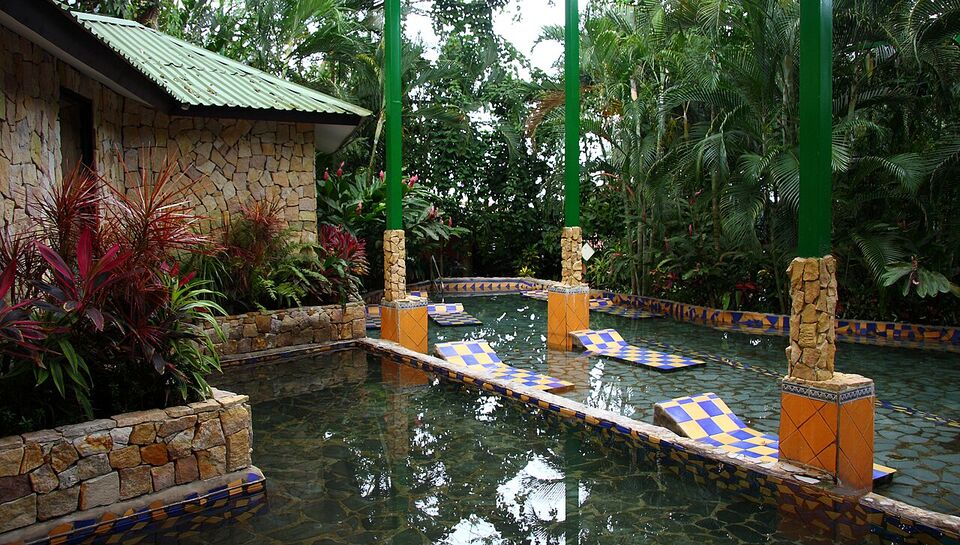
Costa Rica is small, but its regions feel like different countries: dry Pacific beaches, misty mountains, a Caribbean coast with its own food and music, and rainforest that is still hard to reach. The fastest way to plan is to start with what you most want to do, then pick one or two bases to match. This page does that for thirteen kinds of trip, and each section links to the full guide for the places it names.
Two rules of thumb help. First, drives take longer than the map suggests: from San José, Arenal is about 2.5 hours by road, Manuel Antonio about 3 hours, Monteverde about 3.5 hours and Tamarindo about 4.5 hours, and rain, roadworks and slow trucks can add an hour. Second, fewer bases is better. Two or three nights in each of two or three places beats one night in six. Our trip planning guide has sample routes, and when to go explains the seasons.
The Pacific side has a dry season from December to March (March is the driest and hottest month) and a rainy season from May to October, with September and October the wettest. The Caribbean coast has no real dry season. Rain on the Pacific side usually falls in the afternoon and early evening, so mornings are the best time for hikes and tours in any month.
Watch out
As of mid-November 2026, Costa Rica's national weather office describes an unusually strong El Niño, and forecasts called for a drier, hotter North Pacific in the 2026-27 dry season and a wetter Caribbean and north. Guanacaste may see water rationing and a higher wildfire risk. If you are choosing between Guanacaste and the Caribbean for a December to March trip, ask your hotel about water supply, and check when to go for the seasonal picture.
Trip types at a glance
Use this table to find your starting point. "Where to base" lists towns, not specific hotels, because the right hotel depends on your budget and dates. The best months are general; they vary by coast.
| Interest | Where to base | Good months | Read next |
|---|---|---|---|
| Wildlife | Tortuguero, Osa Peninsula, Monteverde, Quepos | Dry season for Pacific sites; Tortuguero works year-round | Wildlife |
| Volcanoes and hot springs | La Fortuna (Arenal), Central Valley | December to March for clearer views | Arenal |
| Beaches | Guanacaste, Manuel Antonio, Uvita | December to March on the Pacific | Beaches |
| Surf | Tamarindo, Nosara, Santa Teresa | Varies by break; ask a local surf school | Surfing |
| Adventure | La Fortuna, Monteverde, Rincón de la Vieja area | Mornings in any month | Adventure |
| Food and coffee | San José, Central Valley | Year-round | Coffee |
| Wellness and yoga | Nosara, Santa Teresa, La Fortuna, Uvita | Year-round; green season is quieter | Nicoya Peninsula |
| Couples and honeymoons | Papagayo, Manuel Antonio, Arenal, Osa | December to April; green season for value | Weddings |
| Solo | La Fortuna, Monteverde, Santa Teresa, Puerto Viejo | Year-round | Is it safe? |
| Families | Manuel Antonio, La Fortuna, Guanacaste resorts | December to April; school holidays | Families |
| Accessible travel | Resort areas; ask each operator | Dry season for easier ground | Where to stay |
| Budget | Central Valley, Puerto Viejo, Santa Teresa, hostel towns | Green season (May to November) | Budget |
| Luxury | Papagayo, Manuel Antonio, Osa | December to April | Where to stay |
Wildlife and birding
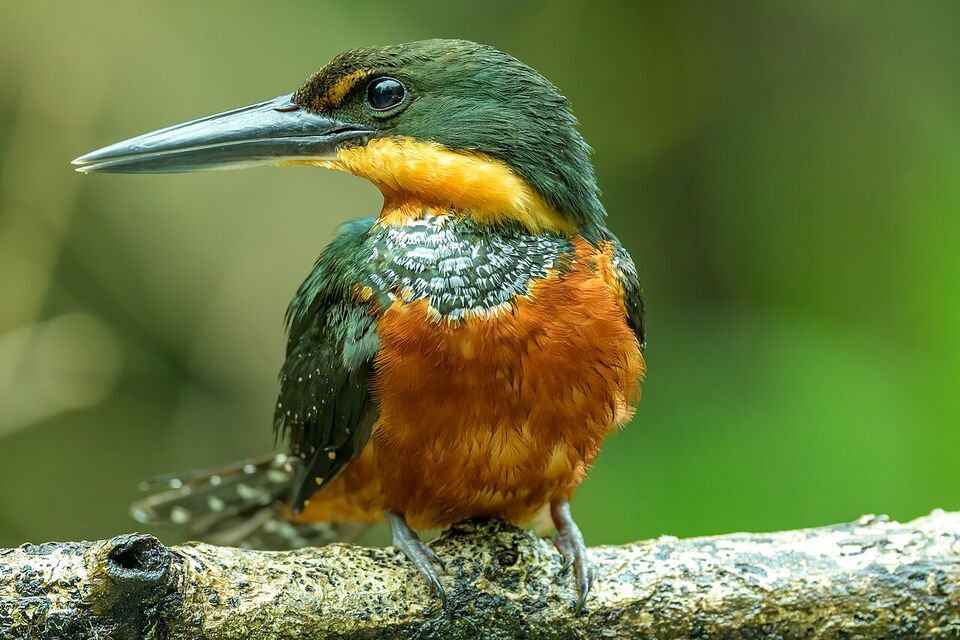
Costa Rica packs a large share of the world's species into a small country, and you do not need to be a birder to enjoy it. Most visitors see monkeys, sloths, toucans, scarlet macaws and iguanas without trying very hard. Seeing a tapir, a jaguar or a big cat is rare and should never be promised by a tour operator.
Where to base depends on how much effort you want to spend. The Osa Peninsula is the most remote and richest area, and Corcovado National Park requires every visitor to go with a certified guide. Daily visitor numbers at its stations have changed several times in 2025 and 2026 (Sirena was set at 366 a day from September 17, 2026, and the number could still change), and some stations were closed in October for maintenance, so confirm what is open before you book. Tortuguero on the Caribbean side is reached by boat or small plane and is good for canoe trips along the canals. Monteverde is the classic cloud forest for birds, and the Quepos and Manuel Antonio area gives easy wildlife near restaurants and hotels.
For the national park system as a whole, including how to reserve, see national parks, and for species and viewing etiquette see wildlife. Hire a licensed guide: they find animals you would walk past, and since April 30, 2026 Costa Rica has fined unauthorized tours and illegal park entry heavily.
Insider tip
Book a guided walk for your first morning in any new wildlife area, then explore on your own later. A good guide shows you what to look for, and you will spot more on your own afterward. Feeding wild animals is illegal under Costa Rican law, even though it is rarely enforced, and it is bad for the animals.
Volcanoes and hot springs
Arenal and La Fortuna are the usual base for the volcano trip. Arenal Volcano National Park is sold at the entrance by card (no online booking), costs about US$15 for foreign adults, and is open 8:00 a.m. to 4 p.m. daily. Hiking to the crater is not allowed, and the volcano has not erupted since 2010, so you come for the trails, lava fields and views rather than for eruptions. Hot springs near La Fortuna range from free-flowing river stretches to resorts. Tabácon takes prices in US dollars including tax, charges your card 15 days before arrival (45 days around December 18 to January 8 and Easter week) and recommends booking ahead.
From the Central Valley, Irazú is the easier volcano. It opens 8:00 a.m. to 3:30 p.m. daily, costs about US$15 for foreign adults and US$5 for children 12 and under, and has parking at ₡2,000 (about US$4.50). Book through the SINAC portal and pay by card.
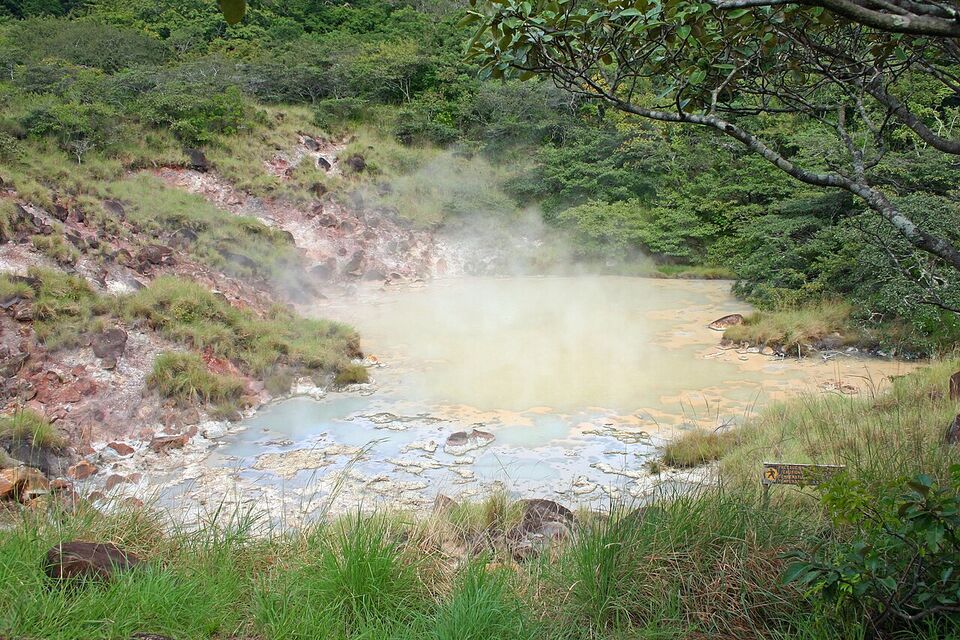
Poás is the most uncertain. As of November 12, 2026, it is open with limits since an August 27 eruption: 1,064 visitors a day, helmets required on the two open trails, and a maximum of 56 people at the lookout for 20 minutes. Tickets must be reserved in advance. The limits stay until activity drops, and the park has closed several times since early 2025, so check the SINAC portal the week you go. Rincón de la Vieja's Las Pailas sector is open Tuesday to Sunday, but the active-crater trail is closed until activity drops.
Watch out
Use only the official SINAC booking site (serviciosenlinea.sinac.go.cr). SINAC warned in March 2026 about a fake booking site, and look-alike sites cost visitors money.
Beaches
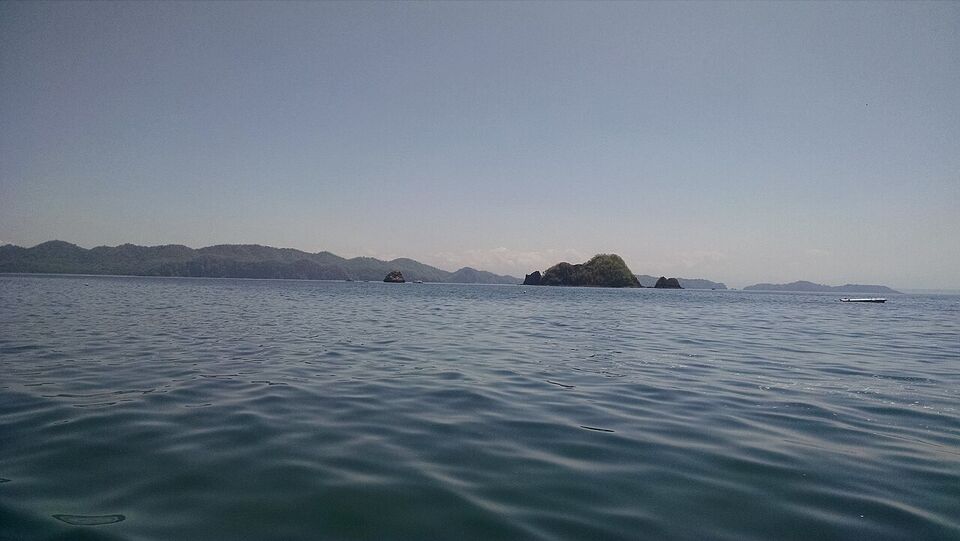
The Pacific and Caribbean coasts differ. Guanacaste, in the northwest, is the driest and sunniest part of the country from December to March, and it is the easiest region for beach resorts because Liberia's airport (LIR) is close, about an hour from Tamarindo or Flamingo. The central Pacific around Manuel Antonio and the south Pacific around Uvita and Dominical are greener, with beaches backed by forest. The Caribbean coast has fewer big resorts and a different pace, with Puerto Viejo and Cahuita as the main bases.
Swimming safety matters. Many Costa Rican beaches have rip currents and few lifeguards, so swim where others swim, ask your hotel about the day's conditions and never turn your back on the surf with children. For the full coast-by-coast comparison, read beaches, then Guanacaste, Tamarindo and Uvita and Dominical. In Uvita, the Piñuela sector of Marino Ballena National Park closed on November 9, 2026 for about six months, while the Uvita, Colonia and Ballena sectors remain open.
Surf
Costa Rica has surf for beginners and experts on both coasts. Tamarindo is the best-known beginner base, with many schools and easy logistics from Liberia. Nosara has a quieter, wellness-oriented scene, and Santa Teresa and Malpais on the southern Nicoya Peninsula draw a younger crowd. Conditions change with the tide, swell and wind, so we do not give month-by-month surf calendars here; ask a local school which breaks are working during your dates.
Plan the practical side. The last 5 to 10 km into Nosara's Guiones area is unpaved, and a high-clearance or 4x4 vehicle is advised. Santa Teresa has had road and water-pipe works, so check recent conditions. See surfing and the Nicoya Peninsula for details.
Adventure
La Fortuna and Monteverde are the adventure centers: ziplines, canopy tours, hanging bridges, river rafting, canyoning, horseback riding and waterfall hikes. The La Fortuna Waterfall is about US$20 for foreign adults aged 9 and older (8 and under free), according to the waterfall's own listing as of November 2026. Prices for ziplines and hanging bridges vary by operator and season, so check each operator's website.
Pick operators carefully. Look for an established company with a physical office, a clear safety briefing, helmets and harnesses that look maintained, and a licensed guide. Be wary of street sellers promising a "cheaper" version of a regulated tour. Costa Rica's 2026 rules fine unauthorized tour sales, and entering restricted areas of parks can lead to large fines. See adventure for activity-by-activity advice and the Río Celeste guide for one of the most popular hikes.
Food and coffee
Costa Rican food is simple and good: a casado (a plate of rice and beans with meat, fish or chicken, and salad) at a soda (a small local restaurant) is the standard lunch. Travel-cost blogs put a soda meal at roughly US$5-10, though we have no official price data, so treat that as a guide. Restaurant bills usually add 13% sales tax and a 10% service charge; extra tipping is optional.
The Central Valley is the center of coffee country. Coffee plantations near San José and Alajuela offer tours, including Café Britt and Hacienda Doka. We could not confirm 2026 tour prices or schedules, so check each plantation's website. The Central Valley is also the easiest area for food days: markets, bakeries and cheese farms. Read food and coffee for what to order and how to choose a tour, and San José for the capital's museums and dining.
Wellness and yoga
Wellness travel concentrates in a few places. Nosara and Santa Teresa have the largest yoga and surf-and-yoga scenes, and parts of the Nicoya Peninsula are described by researchers as a "Blue Zone" of long-lived people, which is a reason some visitors come for slower days. La Fortuna adds hot springs and spas. Uvita and Dominical have a smaller, quieter wellness crowd.
Choose retreats the same way you would anywhere: ask for the full schedule, what is included, cancellation terms and who teaches. Retreat prices vary widely, so we give none here. For a longer stay at a retreat town, see long stays.
Couples and honeymoons
Couples usually pick one of three styles. Beach resorts in Guanacaste give you a single base, with Papagayo at the high end. The JW Marriott Costa Elena all-inclusive resort at Playa El Jobo opened October 6, 2026 on the former Dreams Las Mareas site and was advertised from about US$900 per person per night, double occupancy, at opening; Nekajui, a Ritz-Carlton Reserve, opened on the Papagayo Peninsula in 2025. The second style is forest lodges and hot springs near Arenal. The third is remote eco-lodges on the Osa Peninsula, which suit travelers who want wildlife more than nightlife.
If you are getting married in Costa Rica, read weddings and honeymoons. For where to stay, see where to stay.
Solo travel
Costa Rica is one of the easier countries in Latin America for solo travelers, mostly because tourism is well developed and the circuit of La Fortuna, Monteverde, Manuel Antonio and the beaches is well served by shared shuttles. Shared shuttles run roughly US$40-70 per person on popular routes, and most intercity buses cost under US$10 (blog estimates; confirm before you go). Hostels and small hotels in surf towns are social places.
The State Department's advisory is Level 2, "Exercise increased caution in Costa Rica due to crime," and petty theft is the main concern: keep valuables out of sight, do not leave anything in a parked car, and use official taxis or a ride-hailing app. Uber is widely used but is in a legal gray area, with no platform law passed as of mid-November 2026. Uber Mujeres, announced in November 2026, lets women request a female driver. Read is Costa Rica safe? and safety before you go.
Families
Costa Rica works well for families because the activities are outdoors, the water is warm and the main tourist areas are used to children. Manuel Antonio, La Fortuna and Guanacaste resorts are the three easiest bases. Plan shorter drives, build in pool time and expect rain in the afternoon in the green season. Read Costa Rica with kids for age-by-age advice, car-seat rules and swimming safety.
Accessible travel
Costa Rica's tourism board lists accessible travel among its resources, but we could not confirm which sites meet specific standards, so we do not name any as accessible. Many trails are uneven, wet and steep, and many hotels in older buildings and small towns have stairs. Resorts and larger hotels in Guanacaste and the Central Valley are generally the easiest places to start.
Ask direct questions before you book: Is there a step-free route from the room to the restaurant and pool? Is the bathroom roll-in? Will the tour vehicle take a wheelchair, and can the guide adjust the route? Request answers in writing. Rental cars with hand controls may be hard to find, so ask the rental company early (see car rental), and read getting around for transport options.
Budget travel
Costa Rica is not the cheapest country in Central America, in part because tourist businesses price in US dollars and the colon has strengthened: the dollar hit a 20-year low against the colon in September 2026, at about ₡447 per US$1. The savings come from where and when you go. Green season (May to November) cuts lodging prices, with one travel blog estimating 20 to 40% (a rough figure). Sodas, local buses, shared shuttles and hostels cost less than tourist restaurants, private transfers and rental cars.
The Central Valley and Caribbean towns like Puerto Viejo are usually cheaper than Manuel Antonio or Guanacaste resorts. National park entry for foreign adults is mostly in the range of about US$15-18 per park, and the SINAC checkout shows the final price including 13% tax. Our budget guide has more.
Save money
Rental cars add 13% VAT, mandatory third-party liability insurance (typically US$13-25 a day), and often a 12-13% airport surcharge on airport pickups. For a trip that stays in one region, shared shuttles and local buses may cost less than a rental car. See car rental before you decide.
Luxury travel
Luxury in Costa Rica means private villas, remote lodges, all-inclusive resorts, private guides and chartered flights. Papagayo in Guanacaste has the largest concentration of high-end resorts. Manuel Antonio has cliffside hotels with ocean views, and the Osa Peninsula offers lodges where nature is the main attraction. Sansa and charter planes can replace long drives: Sansa flies to Quepos, Tamarindo, Nosara, Santa Teresa, Drake Bay, Puerto Jiménez, La Fortuna, Tortuguero and other places, with reservations at +506 2290-4100. Fares vary, so ask when booking.
Whichever tier you choose, check what the quoted price includes. Ask whether the 13% sales tax and a service charge are included, because hotels quote them differently. We use $$$ in our guides for hotels over US$300 a night for a double; $$ is US$120 to US$300 and $ is under US$120. See where to stay.
Retirement and remote work
Two more reasons people come to Costa Rica are to live part of the year here or to work remotely. Both involve immigration rules that change, so use our pages as an introduction and confirm everything with the Costa Rican immigration authority (Migración, migracion.go.cr). Read retiring in Costa Rica for residency routes, health care and real estate cautions, and long stays and digital nomads for tourist-stay limits and the remote-worker category. If you are bringing a pet, see pets.
Putting a trip together
If you have a week, pick one base on each of two coasts, or one inland base and one beach. With ten days to two weeks, add a third region. A familiar first-trip loop is San José arrival, two or three nights near Arenal, then two or three at Manuel Antonio, then fly home from San José (or from Liberia if you end at a Guanacaste resort). Check flights to see which airport suits your route, and use plan your trip for sample itineraries.
Book the things that sell out first: Manuel Antonio tickets (online only, closed Tuesdays), Monteverde reserve entry (timed tickets online since March 2026), hotels over Christmas and Easter, and a rental car if you are traveling in the dry season. Most of Costa Rica's trip types combine well: volcano plus beach, wildlife plus surf, or coffee plus cloud forest. Pick the two that matter most and leave room in the schedule for rain and slow roads.
Add it to a route in the trip builder, or ask us to plan the hotels, transfers and guides for you.