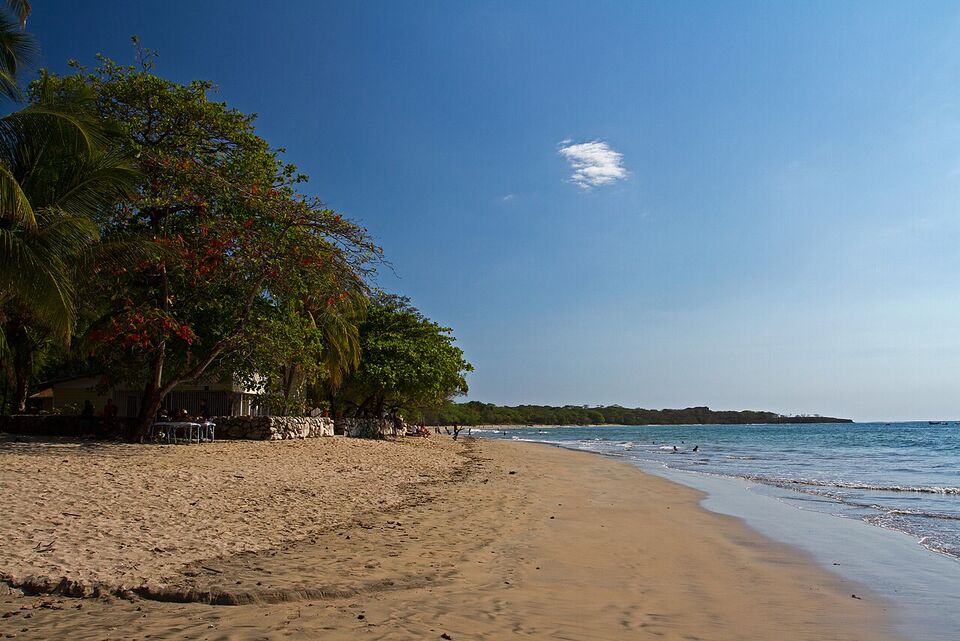
Overview: the surf-and-sunset town
Tamarindo is a small beach town on Guanacaste's Pacific coast, built around one long bay that faces west. It is where many first-time visitors to the northwest end up, because it combines a swimmable beach, surf lessons, dozens of restaurants and bars, and a short drive from the Liberia airport. The sunsets over the water are the daily event.
It is also the busiest and most built-up beach town in the region, with traffic on the main road, street vendors and a lively evening scene. If that sounds appealing, it is an easy choice. If you want quiet, read the "who should skip it" section below, and compare the wider Guanacaste region and the Nicoya Peninsula.
The beaches
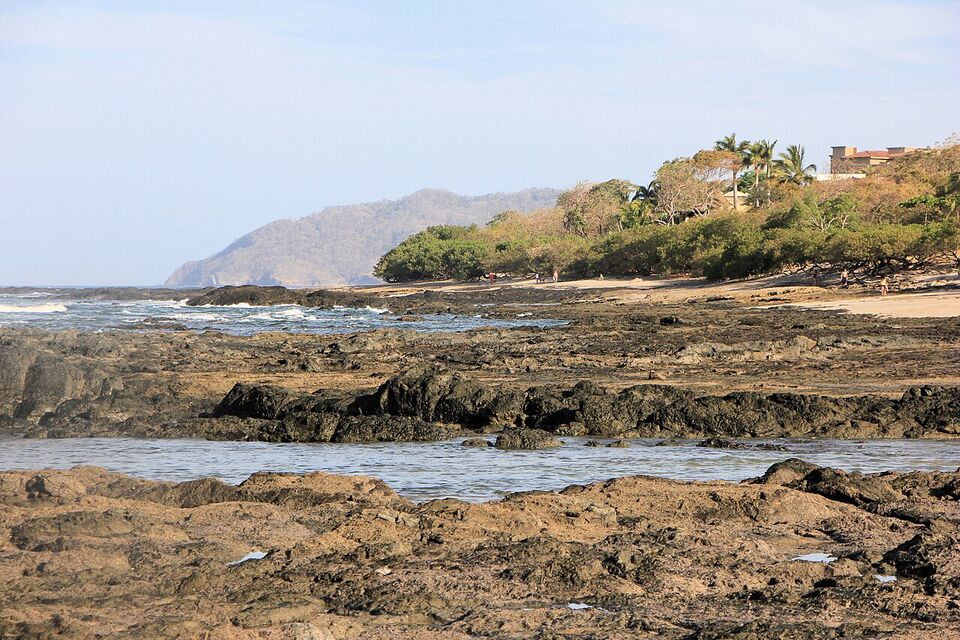
Tamarindo Beach is the main stretch, with a river mouth at its northern end, surf in the middle and rocks at the south. It is wide at low tide and narrow at high tide, so check the tide table before you plan a long walk. Tides also change the surf, so ask the school which time of day is best.
Tamarindo Beach
The main strip, lined with restaurants. Good for people-watching and lessons; busy at sunset. Waves are best for beginners on smaller days, but swimmers should stay near lifeguards or other people.
Playa Langosta
A quieter beach with condos, a larger resort and more exposed waves. See the Langosta note below for the November 2026 estuary die-off.
Playa Grande
Across the estuary from town, in the Las Baulas National Marine Park area. Known for consistent surf and leatherback turtle nesting. Night visits are regulated; see turtle notes below.
Playa Avellanas and Playa Negra
Less developed beaches with surf breaks that are better suited to intermediate surfers on bigger days. A car or taxi helps.
Playa Conchal and Flamingo
Pale-sand beaches a short drive away for a calmer swim than Tamarindo. They are covered in our beaches guide.
Watch out
The Tico Times reported in November 2026 that two bull sharks, rays, fish and birds were found dead in a sand-blocked estuary at Playa Langosta, and authorities are investigating the cause. The cause was unknown when we checked, so avoid the estuary mouth and water that looks murky or smells, and follow local warnings. Check for updates before swimming near Langosta's river mouth.
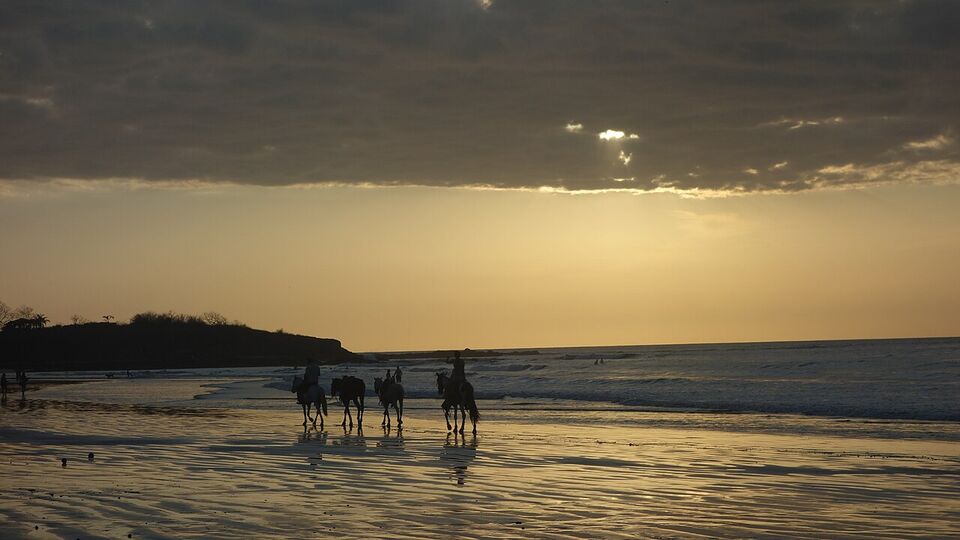
Surf and lessons
Tamarindo is a surf-lesson town. Beginners usually learn in the whitewater near the main break, and experienced surfers drive or take a boat to other breaks. Lessons commonly include the board and a rash guard (a shirt that prevents chafing). Group lessons cost less per person than private ones.
We could not confirm current Tamarindo lesson prices. A travel blog quoted about US$50-80 for a 90-minute lesson in nearby Nosara; expect something in a similar range, and ask what is included and how many students share an instructor. Board rentals by the day are cheaper than lessons, but check the deposit and who is liable for damage. For breaks, seasons and etiquette, see Surfing in Costa Rica.
Insider tip
Book morning lessons: winds and crowds tend to build in the afternoon, and the heat is milder. Sit out the first day if you arrived sunburnt after a long flight.
Where to stay
Stay by the type of trip, not a name. In the center, you can walk to restaurants, shops and the beach, but nights can be noisy. Playa Langosta is calmer. Playa Grande and the hills offer quiet and views, but you will need a car or taxis.
- $ Hostels and basic rooms in town, usually under US$120 a night for a double, popular with surfers and backpackers.
- $$ Boutique hotels, apartments and condos, roughly US$120-300 a night in high season.
- $$$ Beachfront resorts, villas and a nearby all-inclusive on Playa Langosta, which may cost more than US$300.
Tier ranges are broad guides; rates swing sharply by date and room. Book early for Christmas through Easter. Ask about air conditioning, water supply (El Niño may cause water shortages in Guanacaste this dry season) and whether the street is noisy at night. For more options, see where to stay.
Eating out and nightlife
Tamarindo has a wide mix of restaurants: seafood, pizza, tacos, sushi, burgers, vegetarian cafés and traditional sodas (small, local lunch counters). Prices lean higher than elsewhere in Costa Rica because of the tourist trade. Many menus list dollar prices, and restaurants usually add 13 percent tax and a 10 percent service charge to the bill, so check what is already included before adding a tip. Our food guide explains what to order.
Evenings revolve around sunset on the beach, then dinner and bars along the main street and the beachfront. There are beach clubs, live music nights and a late-night scene, busiest in high season. The town also hosts seasonal events, including Halloween-weekend costume surfing in late October 2026. Check venues' social media for current schedules, because they change often.
Getting there and getting around
From Liberia airport (LIR), Tamarindo is about an hour away by road; allow up to 75 minutes with traffic or rain. From San José, allow about 4.5 hours. Options:
- Rental car: best if you plan day trips. See our car rental guide for insurance rules and airport fees.
- Shuttle: shared shuttles from Liberia run roughly US$40-70 per person, and a private transfer costs more (rough ranges; get a quote). Book ahead for late flights, since the airport closes at 9 p.m.
- Bus: a bus company serves San José to Tamarindo. Confirm the terminal and schedule with the company, because San José bus terminals moved in 2025.
- Small plane: Sansa flies San José to Tamarindo. Fares and bag limits were not confirmed; blogs suggest about US$90-155 one way, so check the airline.
Do you need a car? In Tamarindo you can walk. If you stay a week and want to see Playa Avellanas, Playa Negra or Conchal, rent a car for part of the stay or use taxis. Uber operates in Costa Rica but in a legal gray area, with no ride-hailing law as of mid-November 2026. Red taxis are the regulated option; agree the fare first.
Safety on the beach and at night
Costa Rica is at Level 2 on the State Department's scale ("exercise increased caution due to crime"), and Tamarindo's popularity attracts opportunistic theft. A November 2026 Tico Times summary said Santa Cruz canton, home to Tamarindo, led Guanacaste in homicides and car break-ins so far this year; we read only the headline summary. Keep that in proportion, but act on it:
- Leave nothing in a parked car, including the glove box; empty the trunk too.
- Do not leave phones, wallets or bags on the sand while you swim. Take turns watching things.
- Walk in groups after dark and avoid empty beach stretches. Use a taxi for late-night rides.
- Carry a photocopy of your passport and leave the original in a safe. Cards are widely accepted.
Rip currents are the main danger in the water. If one pulls you out, stay calm, float, swim parallel to the shore until you are free of the current, then swim in. Don't swim after drinking, and check with lifeguards or locals about the day's conditions. Lifeguard coverage is limited at many Costa Rican beaches. Read more in Is Costa Rica safe?.
Turtles and day trips
Leatherback turtles nest at Playa Grande, and olive ridley turtles nest on other beaches in the region. Nesting seasons vary by species, and we could not confirm exact months, so ask a licensed local guide. Visits to nesting beaches are regulated, so ask a licensed guide about the rules for night visits before you go, and choose only licensed operators.
Popular day trips from Tamarindo include sunset catamaran trips, horseback riding, ziplines, snorkeling, mangrove boat tours at the estuary, and drives to nearby beaches. Rincón de la Vieja is a long drive (we estimate about two hours each way; confirm with a map app), which makes for a full day; see Guanacaste. For adventure options, see adventure activities. We did not confirm current prices for these tours, so ask for prices in writing.
When to go and what to budget
December to April is the dry season, with sunny days, calmer mornings and the highest prices. May to November is the green season: afternoon storms, greener hills, lower rates and, on the Pacific, usually larger surf. September and October are the wettest months, and some small businesses close. Costa Rica is on UTC-6 year-round, so sunset stays near 5:30 p.m. in December and 6 p.m. in summer. See when to go.
Tamarindo is one of the pricier beach towns in the country. A casual lunch at a local soda costs far less than a sit-down dinner at a beachfront restaurant, where you should expect tourist prices; we found no reliable current price list, so look at menus before you sit down. ATMs and card terminals are common, and US dollars are accepted almost everywhere, but you will often get change in colones. Our money guide explains the rate (US$1 = ₡445) and how to avoid poor exchange deals.
- Day 1
Arrive and settle in
Pick up your car or shuttle at Liberia, check in, walk the beach and watch the sunset. Eat in town and keep the night easy.
- Day 2
Lesson and beach
Take a morning surf lesson, spend the afternoon in the shade or by the pool, and book a sunset catamaran or beach dinner.
- Day 3
Neighboring beaches
Drive or taxi to Playa Grande, Avellanas or Conchal for a quieter swim, and head back before dark.
Who Tamarindo suits, and who should skip it
It suits: first-time visitors who want a beach town with services, surf beginners, groups with different interests, couples who want dinners and nightlife, and travelers who want a short transfer from the airport. Families with older kids often like it for the lessons and restaurants; see families.
Consider skipping it if: you want a quiet, uncrowded beach, a nature lodge, or a rain-forest setting. The town is busy, parts of the beach are crowded at sunset, and in the dry season it can be hot and dusty. Travelers who prefer calm, wellness or yoga towns may like Nosara or Sámara better, and strong surfers may look at Santa Teresa. Compare them on our Nicoya Peninsula page.
Add it to a route in the trip builder, or ask us to plan the hotels, transfers and guides for you.