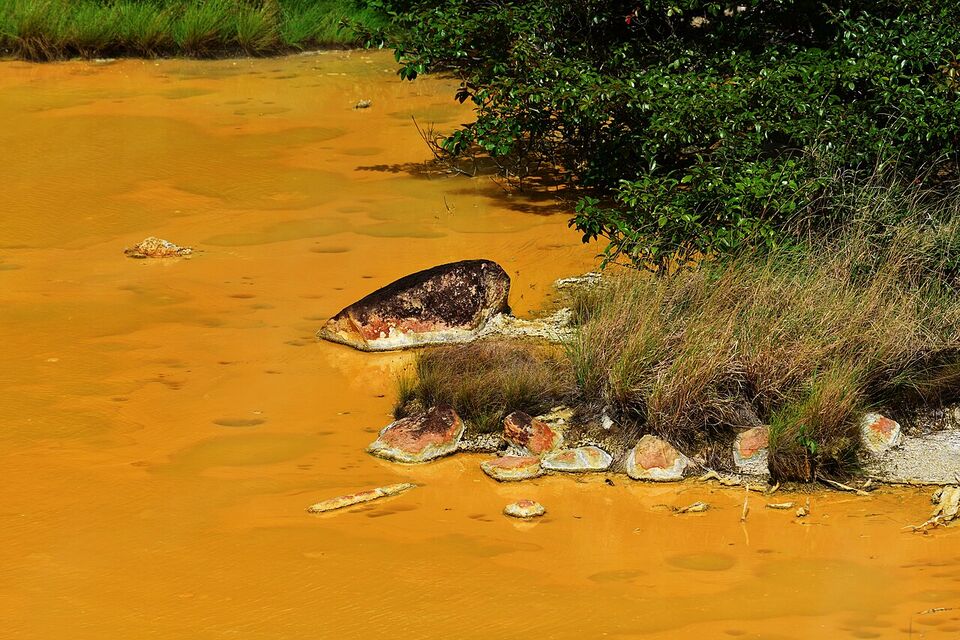
Overview: what Guanacaste is
Guanacaste is Costa Rica's northwest: a long Pacific coastline, a hot lowland of dry forest and cattle ranches, and a string of volcanoes inland. For many Americans it is the first (and sometimes only) part of Costa Rica they see, because the international airport at Liberia puts you on a beach within an hour or so of landing. It is also the part of the country with the least rain from December to April, which is why the big resorts cluster here.
The trade-off is character. Guanacaste is less green than the Caribbean side or the cloud forests, and in the dry season the hills turn brown and the trees drop their leaves. If you want sloths and rain forest, plan a few nights at Arenal or Manuel Antonio. If you want warm water, sunsets, a pool and an easy transfer, Guanacaste is the strongest choice.
This page covers the gateway, the climate, the beach areas, how resorts work, Rincón de la Vieja and how to get around. Two neighbors have their own guides: Tamarindo and the Nicoya Peninsula south of it. For a comparison of beaches across the country, see Costa Rica's beaches.
Liberia airport: the gateway
Daniel Oduber Quirós International Airport (LIR) sits about 7 miles (11 km) west-southwest of the town of Liberia. It handled about 1.9 million passengers in 2024, and it is the airport to choose if your base is on the Guanacaste coast. Picking the wrong airport can add four or five hours of driving to your first day, so decide on the beach area first and the flight second. San José (SJO) makes more sense for Arenal, the Central Pacific and the Caribbean. Our flights guide compares the two.
Liberia's terminal operates only from 6 a.m. to 9 p.m., and as of mid-November 2026 round-the-clock operation has been discussed but not approved. A late arrival can mean waiting, so check your flight time against the hours before you book a transfer.
Winter flights from the US and Canada
Many US cities fly nonstop to Liberia; check your airline for your home airport. These seasonal routes were announced for winter 2026-27 (schedules can change, so confirm with the airline):
- United: Washington-Dulles, daily, December 17, 2026 to January 4, 2027.
- Delta: New York-JFK, Saturdays, December 19, 2026 to April 10, 2027.
- Southwest: Nashville, Saturdays, February 13 to March 6, 2027.
- Air Canada: Vancouver, Mondays and Thursdays, December 13 to April 12; WestJet: Ottawa, Sundays, December 20 to April 4.
Leaving the airport
Rental cars are picked up at or near the terminal, and resort shuttles meet most flights. Taxis are the regulated option; agree the fare before you get in, since we found no official price list. Uber is widely used in Costa Rica but sits in a legal gray area, with no ride-hailing law passed as of mid-November 2026, so treat it as an extra rather than a plan. Airport SIM stores have been reported closed, so do not count on buying a SIM card there (see staying connected).
Different from home
Costa Rica charges a departure tax of US$29 per person, and most airlines already include it in the ticket. If yours did not, you pay at a counter before check-in. Check your itinerary receipt rather than assuming.
Landscape, heat and wind
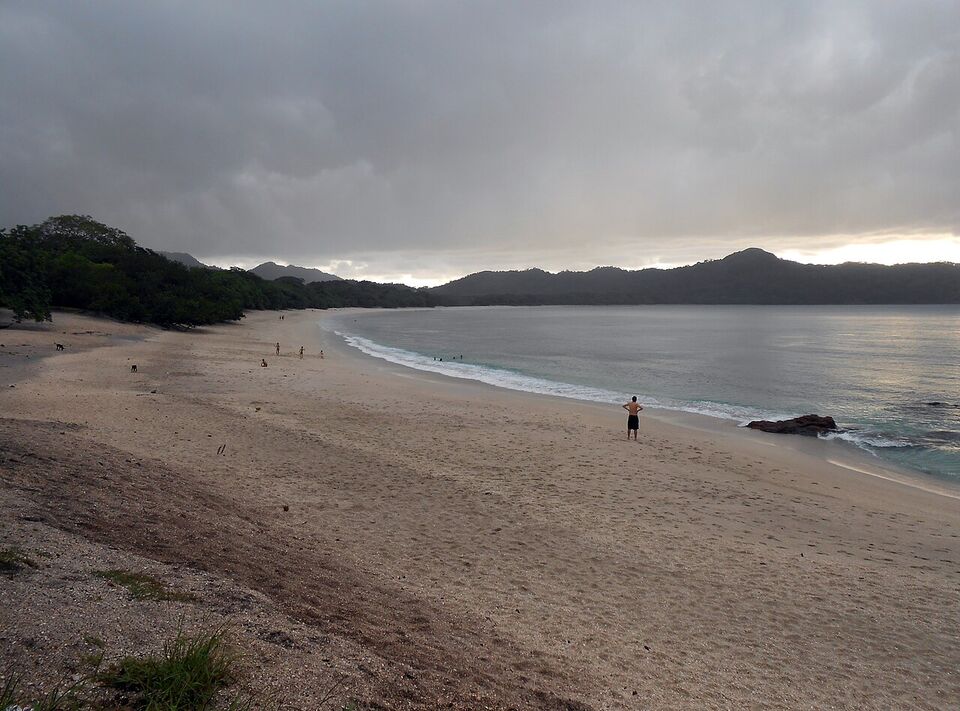
Guanacaste is a broad plain drained by the Río Tempisque, with the Cordillera de Guanacaste (which includes Rincón de la Vieja) rising to the east. The native tropical dry forest drops many of its leaves from about December to April and turns green within weeks of the first heavy rains. Wildlife is easier to spot in the dry season, when animals come to the remaining water, and howler monkeys, parrots and iguanas turn up even on resort grounds.
How hot is it?
Liberia is among the hottest places in Costa Rica. The table shows approximate monthly averages from the national weather institute's data as summarized on a public reference page. Use them as a guide, not a forecast; the coast is a little cooler than the town because of the sea breeze.
| Month | High | Rain |
|---|---|---|
| December | about 90°F (32°C) | light, about 0.5 in (12 mm) |
| January | about 92°F (33°C) | almost none |
| February | about 94°F (34°C) | almost none |
| March | about 96°F (35°C) | almost none |
| April | about 97°F (36°C) | about 1 in (24 mm) |
| May | about 93°F (34°C) | about 7.6 in (194 mm) |
| June-August | about 90°F (32°C) | about 6-10 in (150-250 mm) a month |
| September | about 88°F (31°C) | about 13.6 in (346 mm) |
| October | about 88°F (31°C) | about 12.2 in (310 mm) |
| November | about 89°F (32°C) | about 3.9 in (98 mm) |
Nights stay warm, mostly in the low 70s°F (21-23°C). The practical advice: schedule tours and walks for the morning, take a midday break in the pool or air conditioning, and drink more water than you think you need. Sunscreen and a hat matter on every beach day.
Wind in the dry season
From roughly December through March, the northeast trade winds blow across Central America and are funneled toward the northern Pacific coast. Beaches in the far northwest (around the Gulf of Papagayo and Bahía Salinas) are often the windiest, and mornings are usually calmer than afternoons. The wind takes the edge off the heat, but it can raise chop on the water, blow sand and dust, and make boat trips bumpy. We found no official wind statistics, so ask your hotel or tour operator what to expect on your dates. Kitesurfers and windsurfers value the same wind that sunbathers sometimes dislike.
El Niño and water in 2026-27
Costa Rica's emergency agency raised the national alert to red on October 22, 2026 for a strong El Niño. The national weather institute calls it the most intense since 1888, and the water utility says more than 306,000 people could have trouble getting drinking water, about 48 percent of them in Guanacaste. Forecasts in June 2026 said the North Pacific could get up to 50 percent less rain than normal and run 1-2°C (about 2-4°F) warmer. For visitors this means a hot, dry season with a higher wildfire risk, and a chance of water rationing at rentals and small hotels. Ask any rental host about the water supply before booking, and conserve water as you would at home in a drought.
Watch out
The US Centers for Disease Control and Prevention lists an outbreak of chikungunya (a mosquito-borne virus) in northwest Costa Rica, last updated July 30, 2026, and Costa Rican press reported dengue and chikungunya cases concentrated in Guanacaste. Use repellent, wear long sleeves at dusk and dawn, and read the CDC's current advice before you go. See our health guide.
The beach areas, in brief
Guanacaste's coast is not one beach but a series of areas, each with a different feel. The drive times below are averages from Liberia airport without stops; rain, roadworks and slow trucks can add an hour. For the full beach comparison, see beaches.
Papagayo Peninsula
Sheltered coves and dry forest with the country's densest cluster of large resorts. Good for travelers who want the shortest transfer and calm swimming. Check how you reach the public beach before you assume it is a short walk.
Playa Hermosa and Playas del Coco
Older, more affordable options near the sea, with dive shops and a real town at Coco. The sand is darker than the powder beaches farther south. Playa Hermosa here is not the one near Jacó.
Playa Matapalo area
A more open beach than the Papagayo bays, with several large family resorts. Waves and currents can be stronger than in the bays, so supervise children.
Flamingo and Conchal
Pale-sand beaches with marinas, condos and one very large resort on Playa Conchal. Quieter than Tamarindo, with fewer restaurants walkable from the beach.
Tamarindo and neighbors
The liveliest town on the coast, with lessons, restaurants and nightlife. See our Tamarindo guide for Playa Langosta, Playa Grande and others.
Costa Elena, far north
Near the Nicaraguan border, with a large new all-inclusive and little else nearby. Fine if you plan to stay on property; less so if you want to wander.
Resorts and all-inclusives
Guanacaste holds most of Costa Rica's all-inclusive resorts. There are far fewer than in Cancún or Punta Cana (one review site counts about 15 in the entire country), and most are within about 90 minutes of Liberia. Manuel Antonio has none, which surprises many first-time planners.
How all-inclusives work
You pay one nightly rate that usually covers your room, meals, snacks and drinks, often with some activities and evening entertainment. Details differ by property and room category, so read each resort's own site. Typically:
- Usually included: breakfast, lunch and dinner at the main restaurants, snacks, house-brand alcohol and soft drinks, pools, and some non-motorized water sports and shows.
- Often extra: spa treatments, premium liquor and wine lists, some specialty restaurants, golf, off-site tours, airport transfers, laundry, motorized water sports and tips.
- Check: whether the price you see includes the 13 percent sales tax and any service charge. Restaurants charge 13 percent tax plus a 10 percent service charge on bills, and a hotel quote may or may not include them.
Rates vary widely. One review site's indicative nightly rates run from about US$100 to well over US$700 depending on the resort and the season, and it says top resorts can drop 30-40 percent in the green season. Treat these as rough; prices change by date and room type. The newest opening, the JW Marriott Costa Elena Resort & Spa at Playa El Jobo (415 rooms, announced open on October 6, 2026), advertised rates from about US$900 per person per night, double occupancy. A Ritz-Carlton Reserve, Nekajui, opened on the Papagayo Peninsula in 2025 (not all-inclusive).
We do not rank resort brands. To choose one, decide on the beach area first, then compare the specific inclusions, the kids' or adults-only policy, the distance from the airport and the water situation. Confirm each property's all-inclusive status on its own website, because some hotels have changed brand or format in recent years (the JW Marriott took over the former Dreams Las Mareas site).
Resorts versus rentals
| Question | Resort | Rental house or condo |
|---|---|---|
| Cost predictability | High if all-inclusive; extras add up | Nightly price is lower, but food, drink and a car add up |
| Car needed? | Rarely | Almost always, for groceries and beaches |
| Good for | Short stays, families with kids, couples who want ease | Larger groups, longer stays, people who like to cook |
| Watch out for | Large-resort crowds at peak weeks; check water and AC | Water rationing, power cuts and poor road access |
Save money
Green season (May-November) usually brings lower resort rates, and the first weeks of December and late April are often cheaper than January-March. Compare an all-inclusive price against a room-only rate plus dinners; with three adults eating and drinking in the resort, all-inclusive often wins, but light eaters sometimes save by going room-only. See where to stay.
Rincón de la Vieja National Park
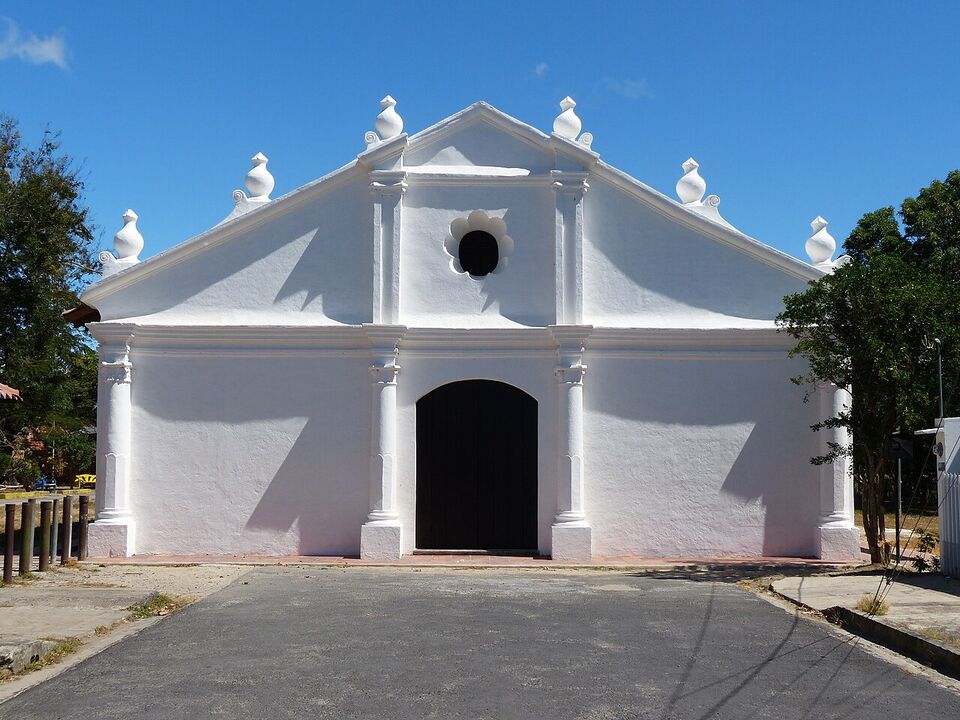
Rincón de la Vieja is an active volcano in the Cordillera de Guanacaste, famous for bubbling mud pots, steam vents, waterfalls and hot springs on its flanks. It is in the same protected conservation area as Santa Rosa and Guanacaste national parks. National park status, hours and fees change, so verify them on the SINAC booking site before you go.
Status as of mid-November 2026
- The Las Pailas sector is open Tuesday to Sunday and closed Mondays. Reported hours are about 8 a.m. to 3 p.m. (one source says 7 a.m.), so confirm when you book.
- The active crater trail is closed until volcanic activity drops, and five districts of Upala and Liberia have been under a yellow alert since October 1. Do not hike toward the crater, and obey rangers.
- Tickets are sold online on the SINAC platform (https://serviciosenlinea.sinac.go.cr). Entrance is about US$15 to US$17 for foreign adults and less for children; the checkout shows the final price including tax. Parks now take cards only, with no cash at the entrance.
- A small access toll of ₡800 (about US$2) per person may apply to cross private land on the way to Las Pailas. This is from a single source, so ask.
The Las Pailas loop is a gentle walk past fumaroles and mud pots that takes about two hours and needs no guide. Come in the morning, wear closed shoes, bring water and a rain layer, and stay on the marked trail, because the thermal areas are hot enough to injure. Stay out of the water at the hot springs unless the operator says it is safe; some springs are hotter than they look.
Watch out
Costa Rica fines people who enter closed park areas or sell unauthorized tours. Under rules in force since April 30, 2026, entering a restricted zone can cost about ₡1,386,600 (about US$3,100), and rescue after an infraction can be billed to you. Take only tours from licensed operators, and never follow a guide onto a closed trail.
Other parks nearby
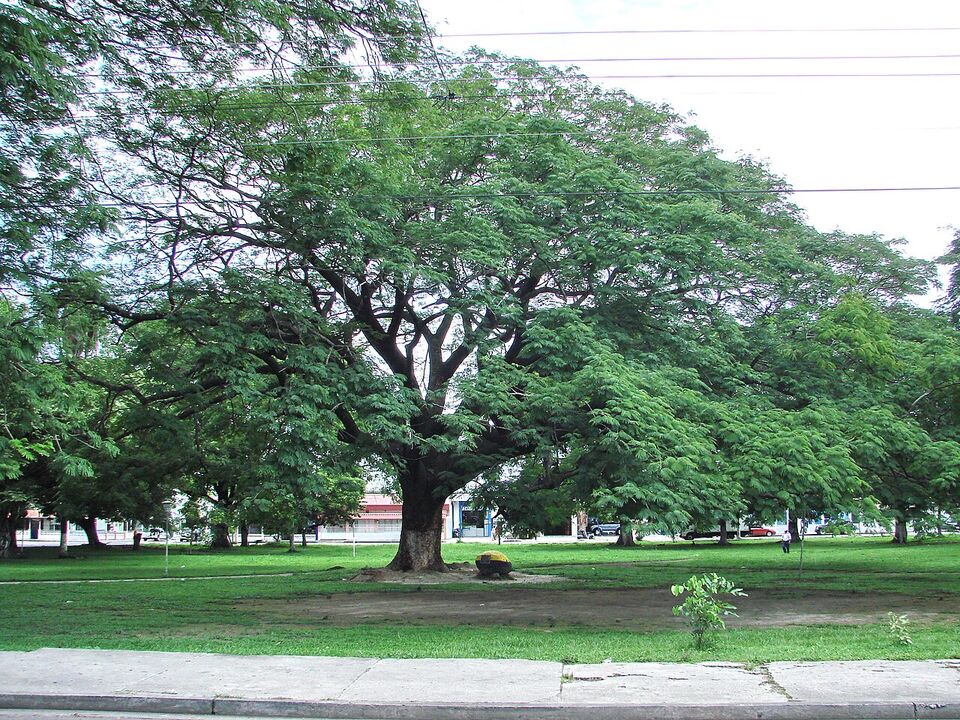
Santa Rosa National Park has its own booking link on the Guanacaste Conservation Area site (the SINAC FAQ lists it), and its fee is listed at about US$15 on one fee table. Dry forest, beaches and the historic Casona de Santa Rosa are the draw, but conditions vary, so confirm hours and access before you drive. Palo Verde National Park (a wetland park popular with birders) and the Ostional turtle refuge (see Nicoya Peninsula) also draw visitors from the Guanacaste side. More on parks is in our national parks guide.
Getting around Guanacaste
Main roads are paved and generally good. Side roads to beaches are often gravel, dusty in the dry season and muddy in the green season. A regular car handles most resort areas. For Nosara, remote beaches or rainy-season travel, a higher-clearance vehicle helps. Costa Rica drives on the right, as at home, but signs are fewer and there is no daylight saving, so evening falls early: sunset is around 5:30 p.m. in December and January. Avoid driving at night in rural areas if you can.
| From Liberia airport (LIR) to | Typical drive |
|---|---|
| Papagayo resorts | about 20-35 minutes |
| Playa Hermosa, Playa Matapalo | about 30 minutes |
| Tamarindo, Flamingo, Conchal | about 1 hour (up to 75 minutes) |
| Costa Elena (La Cruz) | about 90 minutes |
| Nosara | about 1.5 to 2.5 hours (the last 5-10 km is unpaved) |
| Sámara | about 2.5 hours |
| Monteverde | about 2.5 hours |
| Arenal / La Fortuna | about 3.25 hours |
If you rent, remember that the mandatory third-party liability insurance usually adds about US$13-25 a day and cannot be replaced by your card's coverage. Airport pickups often add a 12-13 percent surcharge, and rentals carry 13 percent sales tax. Never drive a rental through a river, because it voids all insurance. Our car rental guide and driving guide explain the rest. Shared shuttles from Liberia to popular beaches run roughly US$40-70 per person, and private transfers are often several hundred dollars per vehicle for longer routes (rough ranges; get a quote). See getting around.
When to go
Dry season runs from December to April, with March driest and hottest. Green season runs from May to November, with the heaviest rain in September and October, and a short drier spell called veranillo ("little summer") in July and August. Rain usually arrives as an afternoon or evening storm, so mornings are often clear. Guanacaste is drier than the rest of the country even in the green season, which makes it a good-value choice then.
Book hotels and cars early for Christmas, New Year's and Easter week. Costa Rica's Holy Thursday and Good Friday in 2027 fall on March 25 and 26. Guanacaste Day, on July 25 (a Sunday in 2027), is a public holiday; we could not confirm dates for the Liberia fiestas, so check locally. See when to go and festivals.
Safety and health notes
The US State Department's advisory for Costa Rica is Level 2, "exercise increased caution due to crime," and petty theft is the main threat. In beach areas, the common problem is theft from parked cars at beach access points. Do not leave anything visible in the car, not even for a few minutes, and park where staff or other people can see it. Do not leave bags unattended on the sand. Rip currents are a real hazard on open beaches; swim near other people, ask a local where the safe spot is and do not swim alone at dusk. See Is Costa Rica safe? and safety.
The sun and heat cause more trouble than crime for most visitors. Drink water, rest in the shade at midday, and treat heat exhaustion seriously. Tap water is generally drinkable, but ask your host if you rent a house with a tank.
Sample plans
- Five nights, resort
Papagayo base
Fly into Liberia, transfer in under an hour and spend days by the pool and on the beach. Book one morning at Rincón de la Vieja (Las Pailas) with a licensed operator, and one half-day boat or snorkel trip. This works well for families and couples who want ease.
- Seven nights, mixed
Resort plus a town
Spend three nights at a Papagayo or Flamingo resort, then rent a car for four nights in Tamarindo. You get a quiet start and a lively finish, with a short drive back to LIR.
- Ten nights, road trip
Guanacaste, Arenal and Monteverde
Start with four nights on the coast, drive to Monteverde (about 2.5 hours from LIR), then to Arenal, and finish in San José or return to LIR. Allow extra time for mountain roads.
Add it to a route in the trip builder, or ask us to plan the hotels, transfers and guides for you.