An honest starting point
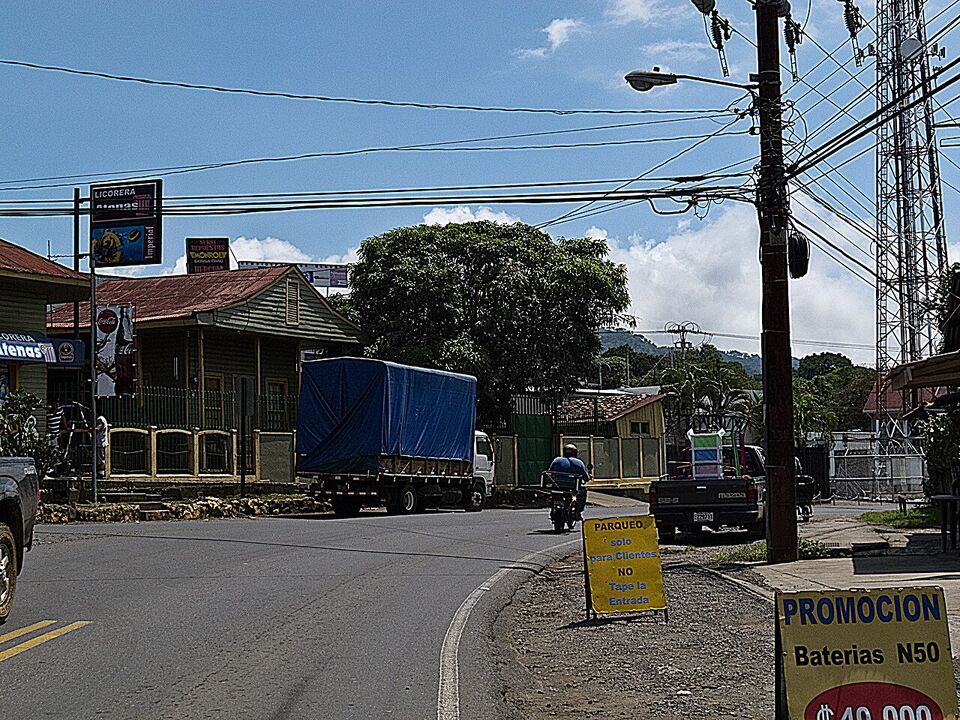
Costa Rica has a long record of welcoming foreign retirees: stable politics, a public health system, a mild climate in the mountains and a large community of other Americans. It also has a strong colon that has made the dollar buy less than it used to, imported goods that cost more than at home, and rules that change. The best way to think about retiring here is as a series of steps, each reversible until you commit. First visit, then rent, then decide.
This page gives plain-English explanations and tells you where to verify them. We do not give residency fees or most income thresholds, because the figures we found were not from official sources. The authority is Costa Rica's immigration agency (Dirección General de Migración y Extranjería, DGME, at migracion.go.cr). Before you decide, also read long stays and digital nomads and entry requirements.
Residency categories in plain words
Residency is separate from the 180-day tourist stay that Americans get on arrival. Tourist time does not turn into residency by itself. The main categories for retirees are:
| Category | Plain-English meaning | What to check |
|---|---|---|
| Pensionado | In general, you show a stable lifetime pension (confirm which pensions qualify) | A residency-services firm lists US$1,000 a month; confirm the number and which pensions count |
| Rentista | In general, you show a fixed income from sources other than a pension (confirm how it is proved) | Income or deposit minimum and period; the figures we found were unofficial |
| Inversionista | In general, you invest a minimum amount (confirm what qualifies) | Minimum amount, what qualifies and how it is documented |
| Family categories | For spouses and relatives of Costa Rican citizens or residents | Documents and proof of relationship |
We do not give fees, because we could not confirm current figures. Residency applications typically need passport copies, a police record, proof of income or investment, and documents with an apostille and Spanish translation. The exact list, the order and how long it takes are set by Migración and change. Ask for a written checklist from the immigration office or your lawyer, and compare it with the official site.
Some people hire a lawyer or a residency service. That can save time, but choose carefully: get a written fee agreement, ask what government fees are included and verify the lawyer's registration. Be wary of anyone who guarantees approval or says you can skip steps. The government fees are paid to the government, not to an individual.
Watch out
Costa Rica's tourist stay for Americans is up to 180 days and described as non-extendable. Do not plan to stay longer than your stamp allows while you wait for a residency decision, and ask Migración what status you have while an application is pending.
The CCSS health system
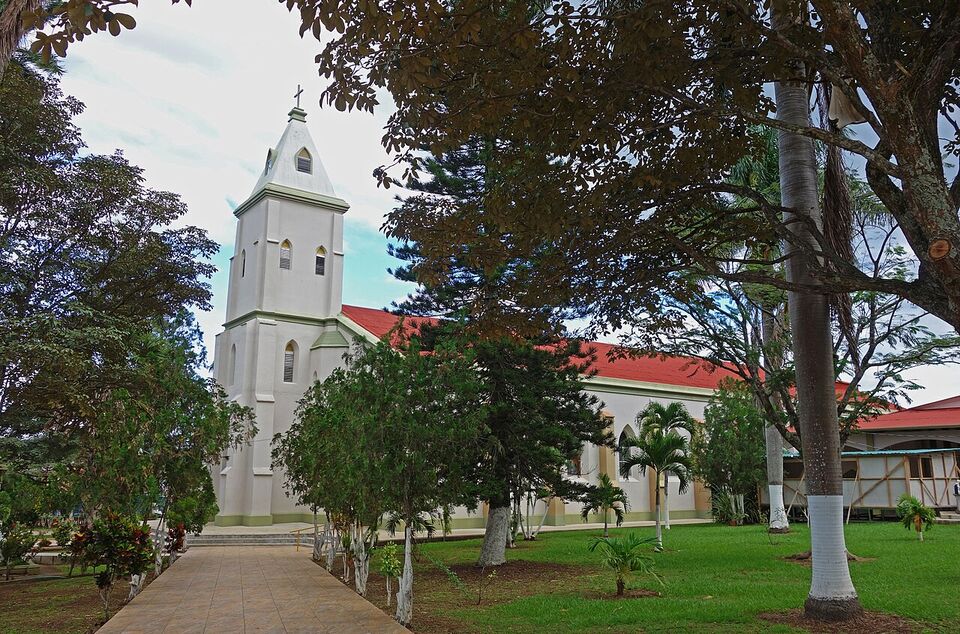
Costa Rica's public health and pension system is run by the Caja Costarricense de Seguro Social, known as the CCSS or "la Caja." In general, legal residents are expected to enroll, and contributions are tied to income. We could not confirm the rules, current rates or minimums, so check ccss.sa.cr or ask your lawyer. Public care is low-cost for those enrolled, but waits for non-urgent procedures can be long, and many foreign residents add private insurance or pay private clinics for faster access.
Private doctors and hospitals exist in San José and larger towns, and many specialists speak English. We have no reliable quality ranking or prices for specific hospitals, so we do not name any. Visit the facilities near where you want to live, ask local residents where they go, and check whether your specialist is nearby. The CDC warns that trauma care is uncommon outside urban areas, so distance to a hospital matters, and it recommends medical evacuation insurance. See health for vaccines and notices.
Different from home
Medicare generally does not pay for routine care outside the United States. Check medicare.gov and your plan's rules in writing. If you leave Medicare Part B or a supplemental plan because you live abroad, ask about the penalty for re-enrolling later before you cancel anything.
Rent first
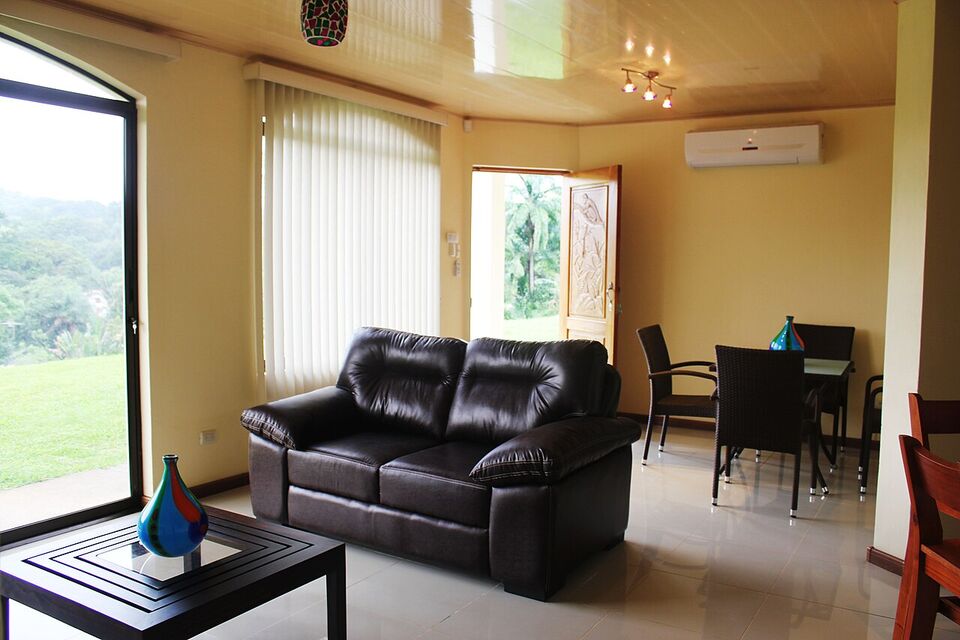
The most common advice from long-term residents is to rent for at least several months before buying. A rental lets you test the climate, the water, the neighbors, the road to the grocery store and the distance to a hospital. Try to include a rainy-season month: September and October are the rainiest on the Pacific side, and the Caribbean is wettest from November to January. Visit the dry season too, when heat and dust are strongest. As of November 2026, forecasts called for a hotter and drier North Pacific this dry season, with possible water shortages in Guanacaste (December 2026 to April 2027), so ask landlords there how water is supplied.
- Rent for three to six months before you buy or sign long leases; consider moving once.
- Meet your neighbors and visit at different times of day and week.
- Test internet, cell signal, road conditions and travel time to a hospital.
- Learn how the area handles power and water outages.
- Ask who else rents nearby, and what the owner's plans are for the property.
Our where to stay page explains the kinds of accommodation, and long stays covers renting for months.
Real estate cautions
Foreigners can generally own property in Costa Rica, but buying needs more care than a typical US purchase. We are not lawyers, so treat the following as questions to ask your own independent lawyer.
- Title search. Have an independent lawyer (not the seller's) search the property at the national registry (Registro Nacional), check for liens, boundaries and surveys, and confirm the seller is the registered owner.
- Maritime zone. Land close to the sea is governed by special rules (the zona marítima terrestre). In general, the strip nearest the water is public, and the next stretch can be used only under a municipal concession with conditions. Ask a lawyer exactly what you would own and what rights you would have, because titles that look like ordinary ownership may be concessions.
- Water. Ask where the water comes from, whether there is a legal water permit, and what happens in the dry season. Rural homes may rely on wells or community systems.
- Access and roads. Check whether the road is public, maintained and passable in the rainy season.
- Taxes and fees. Ask about transfer taxes, annual property taxes and legal fees. We could not confirm figures, so ask for a written estimate.
- Holding money. Use an escrow or the lawyer's trust account properly, and avoid wiring money to individuals.
Do not buy on a first visit, and do not buy on a promise. If an offer says "the price goes up tomorrow," walk away.
Cost of living
Costa Rica is not the cheapest place to retire in Latin America. The colon is at its strongest in about 20 years: the dollar fell to about ₡447 in September 2026, so each dollar buys fewer colones than a few years ago. Imported food, vehicles and electronics tend to cost more than in the United States. Local produce, bus fares and many services cost less. Electricity bills can be higher in hot regions that use air conditioning, and forecasts called for higher power bills in the 2026-27 dry season.
We have no reliable monthly figures for a retiree's total cost, because the sources we checked were tourist budgets, not residents' costs. Travel-cost blogs suggest roughly US$45-80 a day for backpackers and US$275-500 a day at the luxury end, which do not translate to resident life. The better method is to track what you spend during a trial rental. See money and budget.
Fuel costs: super gasoline was ₡805 per liter (about US$1.81) in mid-November 2026, or about US$6.85 per US gallon, so driving costs more than in most of the United States. The mandatory annual vehicle insurance for private cars rises in 2027 from about US$68 (₡30,238) to about US$72 (₡31,881). See driving.
Where retirees settle
Central Valley
Cooler and drier than the coast, close to San José hospitals and the international airport. Atenas and Grecia are small towns west of the capital; Escazú and Heredia are more urban. Traffic into San José can be heavy. See Central Valley.
Pacific towns
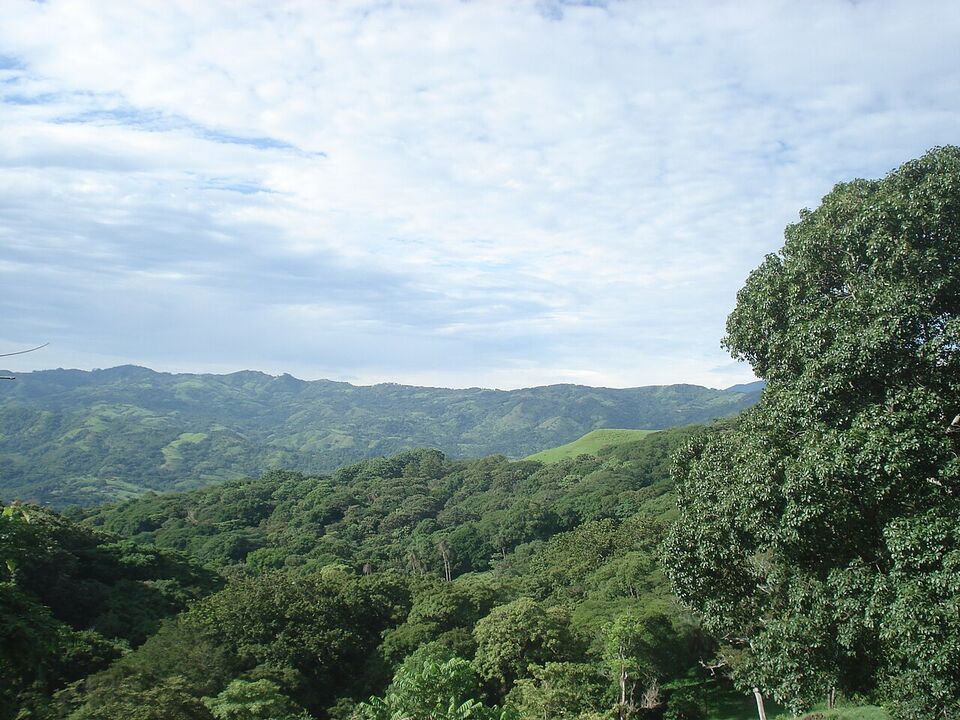
Quepos and Manuel Antonio, Jacó, Uvita and Dominical attract people who want the ocean. They are hotter, wetter in the green season and farther from major hospitals. See Manuel Antonio and Uvita and Dominical.
Guanacaste and Nicoya
Dry weather and beaches, but heat, wildfire risk and water shortages are expected in the 2026-27 dry season. Roads to some beach towns are rough. See Guanacaste and Nicoya Peninsula.
Caribbean coast
A different pace and food, more rain and less infrastructure. See Caribbean coast.
No area is perfect. Compare each on climate, water, distance from a hospital, internet, road quality, crime, and the cost of the rental you want. Spend time in more than one.
Taxes, banking and Social Security
US citizens generally owe US tax on worldwide income wherever they live, and may need to report foreign bank accounts and financial assets. Moving to Costa Rica does not end those duties. Costa Rica has its own tax rules, including a general territorial approach that we could not verify here, so ask a US tax professional who works with Americans abroad and a Costa Rican accountant. Ask early, before you open a local account or sell US property.
Ask the Social Security Administration how your benefits are paid abroad, and how to update your address. Banking is easier with a residency document. Ask banks what ID they require, and ask about fees and interest rates. Tourist businesses use US dollars, and local bills often use colones. Read money for ATMs and cards.
Fraud warnings
Retirees are targets for scams in any country, and Costa Rica is no exception. Common risks include fake property listings, sellers who are not the real owners, "residency guaranteed" promises, requests to wire a deposit to a personal account, and investment schemes with high returns. We found no reliable statistics on scams in Costa Rica, so we describe the types without numbers.
- Verify the seller's identity and title with your own lawyer.
- Never pay government fees to an individual; pay through official channels.
- Be skeptical of promises of quick profits and "limited time" offers.
- Check any agent, lawyer or developer with several independent references.
- Use official booking sites for national parks and services; SINAC warned about a fake booking site in March 2026.
Report crimes to the OIJ; its confidential tip line is 800-8000-645, and the emergency number is 911. The State Department rates Costa Rica Level 2 (exercise increased caution due to crime), so also read safety.
Daily life, language and community
Daily life is easier with some Spanish. In San José, the Central Valley and the main beach towns you can get by in English, but dealing with a government office, a utility company, a plumber or a neighbor goes better in Spanish, and the effort is noticed. Start lessons before you move (see Spanish for travelers), and keep going afterward. Read etiquette for habits such as greetings, punctuality and how to make requests politely.
Most expat communities have clubs, volunteer groups and online forums. They are useful for practical tips, such as which mechanic to use or which clinic has a good dentist, but treat advice on law, tax and immigration as opinion until you confirm it with an official source or a professional. Rules change faster than forum posts are corrected.
Distances and roads shape everyday routines. A short trip on a map may take an hour on a winding road, and many rural roads flood or wash out in the green season. Think about how you would reach a pharmacy, a clinic and an airport in an emergency, and how you would manage if you could no longer drive. Public buses are inexpensive and reach most towns, but they may not suit someone with limited mobility. See getting around.
Healthcare quality in practice
Costa Rica is often praised for its health care, and the public system covers a large share of the population. Quality and speed vary by region and by what you need. Urgent care and routine tests are widely available in cities. Specialists, imaging and surgery are concentrated in San José and the Central Valley, and remote areas have limited emergency capacity. We found no verified rankings or price lists, so we do not rate any hospital or clinic.
Some practical steps help. Keep your US medical records and a medication list with generic names. Ask a local pharmacist which of your medicines are available and whether they need a Costa Rican prescription. Ask whether your doctor at home will do a video visit. Choose a home near a clinic if you have a chronic condition, and learn the route to the emergency room (the emergency number is 911). If you are on blood thinners, oxygen or dialysis, discuss the move with your doctor before you commit.
We have no verified price comparisons for dental, vision or elective care, so get written quotes before you plan around savings. Medical tourism is a separate subject, and we do not recommend any provider here.
Moving belongings, pets and cars
Shipping a household is costly and slow, and customs rules for residents differ from the tourist rules. Ask your lawyer and a licensed shipper about duty exemptions for household goods before you ship anything, and consider selling most furniture and buying locally. Electronics and appliances usually cost more in Costa Rica than in the United States, and the outlets are the same as at home (110 V, US plugs), so American devices work.
Pets can come with official paperwork: a health certificate endorsed by USDA APHIS, a vet exam shortly before travel, parasite treatment and current vaccines, with no quarantine required for dogs and cats that meet the rules. Read pets for details. Pets are not allowed inside national parks.
Cars are expensive to import, and many retirees buy locally or rent. Fuel, insurance and the annual vehicle fee (marchamo) add up, and the digital marchamo starts in 2027. See car rental before you decide to buy a vehicle.
A sensible way to test the move
- Visit for two to four weeks in two different regions and two different seasons.
- Rent for three to six months in your preferred area without buying.
- Talk to an independent lawyer about residency options and Medicare and tax questions in writing.
- Check what insurance covers you abroad and what private coverage costs.
- Decide on residency only after the trial, then follow the official checklist from Migración.
- Delay real estate purchases until you have lived here for a year or more.
If you bring pets, read pets, and if you work remotely, see long stays. Start with planning a trip for a first visit.
Add it to a route in the trip builder, or ask us to plan the hotels, transfers and guides for you.