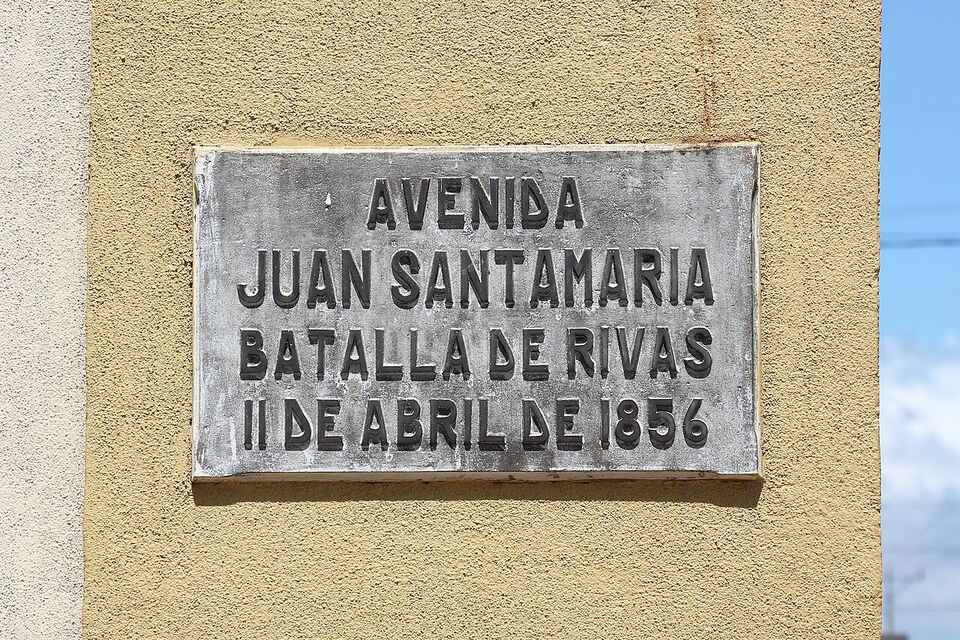
Overview: how much Spanish you need
You can travel in Costa Rica with very little Spanish, because tourist hotels, tours and many restaurants have English-speaking staff. But English is not universal: Wikipedia reports about 10.7% of adults speak it as a second language. Outside resorts, in small sodas, rural buses, markets and pharmacies, a handful of phrases will make the day smoother, and the effort is noticed and appreciated.
This page is a short phrasebook: how Spanish is used in Costa Rica, a phrase table in six groups, pronunciation tips, a short and labeled section of informal slang, and advice on what not to attempt. For manners that go with the language, see Pura Vida and Etiquette. For ordering and menus, see the food guide.
Spanish as it is used in Costa Rica
Costa Rican Spanish is clear and fairly easy to follow, and it shares most vocabulary with the Spanish you may have studied. A few features stand out.
- Usted is the default. Ticos use usted (the polite "you") more than people in many Spanish-speaking countries, including with children and friends in some settings, and generally with foreigners. As a visitor, use usted and you will never be wrong.
- Vos among friends. You will hear vos (a form of "you" with its own verb endings, for example vos tenés) among friends and family. Tú is occasional. Understanding it is enough; you do not need to use it.
- Diminutives. Ticos add -ito or -ico to words to soften them or show affection: un momentico (just a moment), un cafecito (a little coffee). The word tico itself is said to come from this habit.
- Pura vida and con gusto. Pura vida works as a greeting, thanks and "all good." Con gusto ("with pleasure") is a common answer to gracias.
- Currency words. Prices are in colones. People often say "mil" for 1,000 (so cinco mil is 5,000). Ask ¿colones o dólares? if it is unclear. At the site rate of US$1 = ₡445, ₡5,000 is about US$11.
Phrase table
The tables below hold about 60 phrases. Each has the Spanish, the meaning, and when to use it. Start with the greetings; they matter most.
Greetings and polite expressions
| Spanish | Meaning | When to use |
|---|---|---|
| Buenos días | Good morning | Until about noon; say it when you enter shops |
| Buenas tardes | Good afternoon | From noon until dark |
| Buenas noches | Good evening / good night | After dark |
| Buenas | Hello (short form) | Any time of day, informal but polite |
| ¿Cómo está? | How are you? | Polite, with strangers and elders |
| Muy bien, gracias. ¿Y usted? | Very well, thanks. And you? | Standard reply |
| Mucho gusto | Nice to meet you | First meetings |
| Hasta luego | See you later / goodbye | Leaving a shop or a conversation |
| Pura vida | All good; hello; thanks; no problem | Greeting or reply, anywhere |
| Por favor | Please | Every request |
| Gracias / Muchas gracias | Thank you / Thank you very much | Always |
| Con gusto | With pleasure; you're welcome | Reply to thanks |
| Con permiso | Excuse me (to pass or enter) | Crowded places and doorways |
| Disculpe | Sorry; excuse me | Getting someone's attention, small apologies |
| No hablo mucho español | I don't speak much Spanish | Opening a conversation honestly |
| ¿Habla inglés? | Do you speak English? | After a Spanish greeting |
| Más despacio, por favor | Slower, please | When someone speaks fast |
| No entiendo | I don't understand | When lost |
Insider tip
Say buenos días or buenas when you walk into a small shop, soda, hotel desk or taxi, before you ask anything. It is the single most useful habit on this page.
Getting around
| Spanish | Meaning | When to use |
|---|---|---|
| ¿Dónde está...? | Where is...? | Asking for any place |
| ¿Para ir a...? | How do I get to...? | Asking directions |
| A la derecha / a la izquierda | To the right / to the left | Understanding directions |
| Siga derecho | Straight ahead | Understanding directions |
| ¿A qué hora sale el bus? | What time does the bus leave? | Bus stops and terminals |
| ¿Cuánto cuesta el pasaje? | How much is the fare? | Buses and taxis |
| Aquí, por favor | Here, please | Asking a driver to stop |
| ¿Puede usar el taxímetro? | Can you use the meter? | Taxis |
| El tanque lleno, por favor | Fill the tank, please | Gas station |
For buses, taxis and rental cars, see the getting around guide.
Food and drink
| Spanish | Meaning | When to use |
|---|---|---|
| Una mesa para dos, por favor | A table for two, please | Restaurants |
| ¿Me trae el menú? | Can you bring me the menu? | Sitting down |
| Un casado con pollo | A casado with chicken | Sodas |
| Quisiera... | I would like... | Polite way to order |
| Sin carne / sin cebolla | Without meat / without onion | Customizing |
| Soy vegetariano/a | I'm vegetarian | Dietary needs |
| Soy alérgico/a a... | I'm allergic to... | Allergies, then name the food |
| Un fresco de mango, en agua | A mango fruit drink, with water | Sodas and cafes |
| Un café negro / con leche | A black coffee / coffee with milk | Cafes |
| Agua sin gas / con gas | Still water / sparkling water | Restaurants |
| La cuenta, por favor | The check, please | Ready to pay |
| ¿Incluye el impuesto y el servicio? | Does that include tax and service? | Before tipping |
| Para llevar | To go / takeout | Sodas and bakeries |
Money and numbers
| Spanish | Meaning | When to use |
|---|---|---|
| ¿Cuánto cuesta? | How much does it cost? | Shopping |
| ¿Aceptan tarjeta? | Do you take cards? | Shops and restaurants |
| ¿Aceptan dólares? | Do you take dollars? | Tourist areas |
| Es muy caro | It's very expensive | Polite hint, not a haggle |
| ¿Tiene cambio? | Do you have change? | Large bills |
| uno, dos, tres, cuatro, cinco | 1, 2, 3, 4, 5 | Counting |
| diez, veinte, cien, mil | 10, 20, 100, 1,000 | Prices in colones |
| cinco mil colones | 5,000 colones (about US$11) | Reading prices and bills |
See Money in Costa Rica for cards, cash and exchange rates.
Health and emergencies
| Spanish | Meaning | When to use |
|---|---|---|
| ¡Ayuda! | Help! | Emergency |
| Llame al nueve-uno-uno | Call 911 | Emergency number in Costa Rica |
| Necesito un médico | I need a doctor | Illness or injury |
| Estoy enfermo/a | I'm sick | Pharmacy or clinic |
| Me duele aquí | It hurts here | Pointing at the pain |
| Me robaron | I've been robbed | Reporting a theft |
| Perdí mi pasaporte | I lost my passport | Police, hotel or embassy |
| ¿Dónde está la farmacia? | Where is the pharmacy? | Health needs |
| Necesito la policía | I need the police | Emergency |
The emergency number is 911. For safety advice, see the safety guide and the health guide.
Watch out
In an emergency, speak slowly and give the place first, then the problem: Estoy en... necesito una ambulancia (I'm at... I need an ambulance). Save your hotel's address in Spanish on your phone.
Informal slang (use with care)
These words are informal. Listen to them, enjoy them, and use them lightly, if at all. Used wrongly or with the wrong person, they can sound forced.
| Spanish | Meaning | When to use |
|---|---|---|
| Mae | Dude; mate; guy | Friends only; informal slang |
| Tuanis | Cool; great | Informal approval |
| Diay | Well...; so?; what now? | Informal filler, signals surprise or shrug |
| ¡Qué rico! | How delicious! / How nice! | Praise food or a moment |
| Tico / Tica | Costa Rican (man / woman) | Friendly term for people from Costa Rica |
Pronunciation tips
- Vowels are pure and short. A is "ah," E is "eh," I is "ee," O is "oh," U is "oo." Say each one clearly.
- J sounds like an English H (jugo, "HOO-go"). H is silent (hola, "OH-la").
- LL and Y sound like an English Y or J. Calle is roughly "KAH-yeh." In Costa Rica, many speakers use a soft "y."
- Ñ is "ny," as in canyon. RR is a rolled r; a clear single r is fine for visitors.
- Stress the marked syllable. If a word has an accent mark, stress that syllable (café, "kah-FEH"). Otherwise, words ending in a vowel, n or s stress the next-to-last syllable.
- Place names: Guácimo is "GWAH-see-mo," Tamarindo is "tah-mah-REEN-do," Limón is "lee-MOHN," and Puntarenas is "poon-tah-REH-nahs."
What not to attempt
- Do not copy slang you do not understand. A visitor saying mae to a shop clerk can seem odd. Save it for when someone uses it with you in a friendly setting.
- Do not shout in English or speak English louder. Slow down, use gestures and a translation app, and smile.
- Do not turn it into a performance. Practicing is welcome, but a long conversation in broken Spanish with someone who is working may not be. Read the moment.
- Do not rely on a translator for everything. Translation apps are helpful, but a human greeting first makes the difference.
- Do not assume accents are jokes. Keep comments about how people speak positive.
Respect goes a long way
Ticos are patient with learners. Say hello first, ask whether the person speaks English, and thank them for helping. If you make a mistake, laugh, correct it and move on. If you want more practice, you can take a Spanish course on arrival, but check Migración for what your tourist status allows before committing to a program. The entry guide covers the stay you are allowed.
- Learn five phrases before you land: buenos días, por favor, gracias, ¿cuánto cuesta?, la cuenta.
- Save 911 and your hotel's address in your phone.
- Download an offline translation app and Spanish language pack.
- Keep small colones for markets and sodas.
Add it to a route in the trip builder, or ask us to plan the hotels, transfers and guides for you.