Overview: Hokkaido in one trip
Hokkaido is Japan's big northern island, about the size of South Carolina at roughly 32,000 square miles (83,000 sq km), and it feels different from the rest of the country. The towns are newer, the roads are wide, the farms are large, and the weather decides everything. Summer is cool and green with flower fields. Winter brings some of the lightest, driest powder snow in the world. The food, from crab and sea urchin to ramen and soup curry, is a reason to go by itself.
Most visitors start in Sapporo, the island's big city of about two million people, and add Otaru, a skiing area such as Niseko, or the flower country around Furano and Biei. If you have more time and a car, the national parks of Shiretoko and Daisetsuzan are the wild side. For how Hokkaido compares with other regions, see Japan's destinations.
Plan more time than the map suggests. Distances are long: Sapporo to Shiretoko is a full day of travel, and the weather in winter can close roads and cancel flights. We suggest picking one or two bases and doing them well rather than trying to cross the whole island.
When to go: the four Hokkaido seasons
Winter (December to March) is for snow. Sapporo gets roughly 15 feet (4.5 m) of snow in a typical winter, the powder is dry, and the Sapporo Snow Festival fills hotels in early February. Drift-ice tours run on the Okhotsk coast around Abashiri and Utoro from roughly late January to March, and icebreaker boats like the "Garinko" are popular.
Spring (April to May) arrives later than elsewhere in Japan. Cherry blossoms reach Hakodate in late April and Sapporo in late April to May, which can extend a spring trip well past Tokyo's season. Some mountain roads and trails are still closed.
Summer (June to August) avoids the heavy rainy season that hits the rest of Japan, with highs often in the 70s°F (low to mid 20s°C). Lavender around Furano peaks in mid-July, and rental cars and hotels get expensive in July and August. This is the season for hiking in Daisetsuzan and for boat trips in Shiretoko.
Autumn (September to October) comes early. Leaves in the Daisetsuzan peaks can turn in mid-September, and the lowlands follow in October. Fall is a quiet, good-value time for road trips. See when to go for national calendars and our skiing guide for the winter resorts.
Getting to Hokkaido and the Shinkansen question
Most visitors fly to New Chitose Airport (CTS), south of Sapporo, which is Hokkaido's main hub. From Tokyo Haneda the flight takes about 1 hour 35 minutes and has many departures a day. Rapid trains link the airport to central Sapporo in about 37 minutes. There are also international flights, and United has announced a seasonal nonstop between San Francisco and Sapporo three times a week from December 11, 2026, while Air Canada flies Vancouver-Sapporo three times a week from December 17, 2026 to March 25, 2027. Check the airlines for the current schedules. See flights to Japan for the wider picture.
The Hokkaido Shinkansen
The Hokkaido Shinkansen opened in 2016 and runs from Shin-Aomori under the Tsugaru Strait to Shin-Hakodate-Hokuto. The fastest trip from Tokyo takes about 3 hours 57 minutes. The extension to Sapporo has been delayed repeatedly. The transport ministry now says the opening will not happen before the end of fiscal 2038 (March 2039), eight years later than originally planned, because tunneling through difficult rock has been harder than expected. A cost-benefit review in 2026 reportedly raised new questions about the project, so do not plan a trip around a Sapporo bullet train.
From Shin-Hakodate-Hokuto the Hakodate Liner takes about 20 minutes to Hakodate. To go on to Sapporo you take a limited express, which is a trip of around 3 hours 30 minutes from Hakodate. A flight is usually quicker and often cheaper.
Save money
If you are combining Tohoku and Hokkaido, look at the JR Tohoku-South Hokkaido Rail Pass at ¥32,000 (about $204) for 6 consecutive days, or the JR East-South Hokkaido Rail Pass at ¥40,000 (about $255) which also covers Tokyo-area JR lines. Both cover JR Hokkaido lines in the Hakodate, Sapporo and Otaru areas and are priced as of March 2026; confirm that the Hokkaido Shinkansen is included before buying.
For a Hokkaido-only rail pass, JR Hokkaido sells the Hokkaido Rail Pass in several lengths, and the 5-day version is ¥22,000 (about $140) if bought before you go and ¥23,000 at a station in Hokkaido, per the operator. Check JR Hokkaido's English site before you buy. Our getting around guide and JR Pass page explain which passes pay off.
Sapporo: base for the island
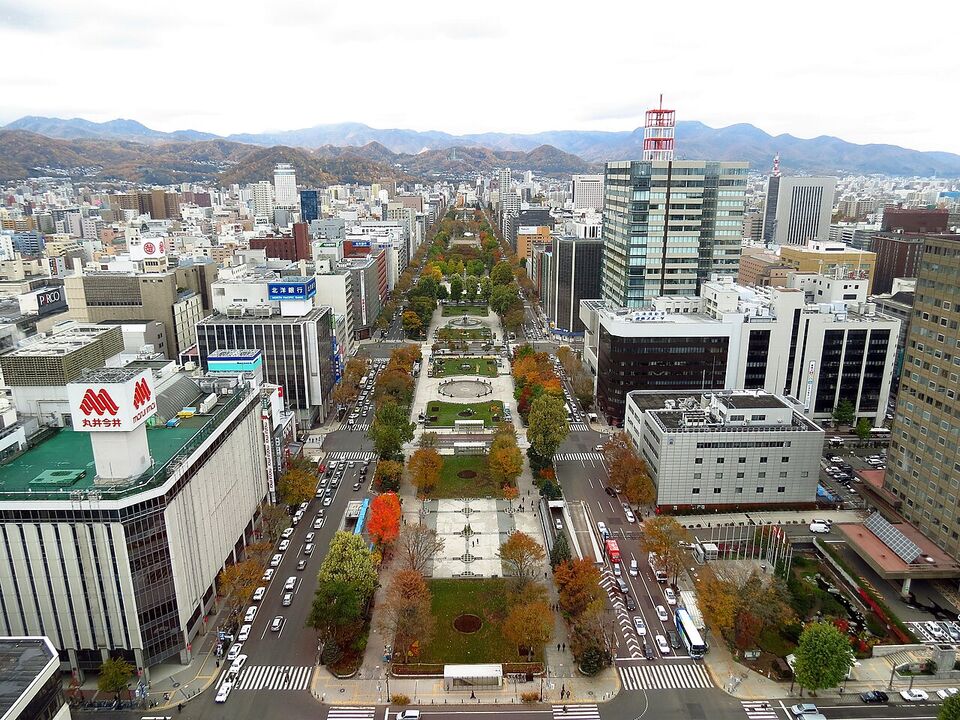
Sapporo has a grid layout, a subway, and the island's best selection of restaurants and hotels. The center is Odori Park, a long strip of green and fountains that turns into the main site of the Snow Festival. The Susukino district is the nightlife and ramen area, and the Nijo fish market is where visitors go for crab and seafood rice bowls in the morning.
Eat Sapporo's specialties by name: miso ramen, soup curry (a thin spiced broth with large vegetables), and jingisukan, a grilled lamb dish cooked on a domed pan. A bowl of ramen or a plate of soup curry usually costs ¥1,000 to ¥1,800 (about $6 to $11). The Sapporo Beer Museum has free exhibits and a paid tasting. Moerenuma Park, designed by sculptor Isamu Noguchi, is free and good for a half day by bike in summer.
The Sapporo Snow Festival 2027
The 77th Sapporo Snow Festival runs from Thursday, February 4 to Thursday, February 11, 2027 (February 11 is a national holiday). It has three venues: Odori Park (the big snow and ice sculptures, lit in the evening), Susukino (ice sculptures in the nightlife district, lit until later) and Tsudome (a covered site for families with snow slides and a rafting area, open in the daytime). Opening hours for 2027 were not yet posted when we checked, so see the official site. The festival is free to walk through.
The real cost is the hotel. Rooms in Sapporo fill up months ahead and prices can jump sharply at some properties, so book as early as you can. Wear boots with ice grips, as the sidewalks are slippery. Hokkaido has been rolling out lodging taxes in 2026, at the prefecture level and in individual towns, and we could not confirm the exact start date and rate that apply to Sapporo hotels, so ask your hotel what will be added at check-in; see our money guide for the national picture.
Otaru and the Sea of Japan coast
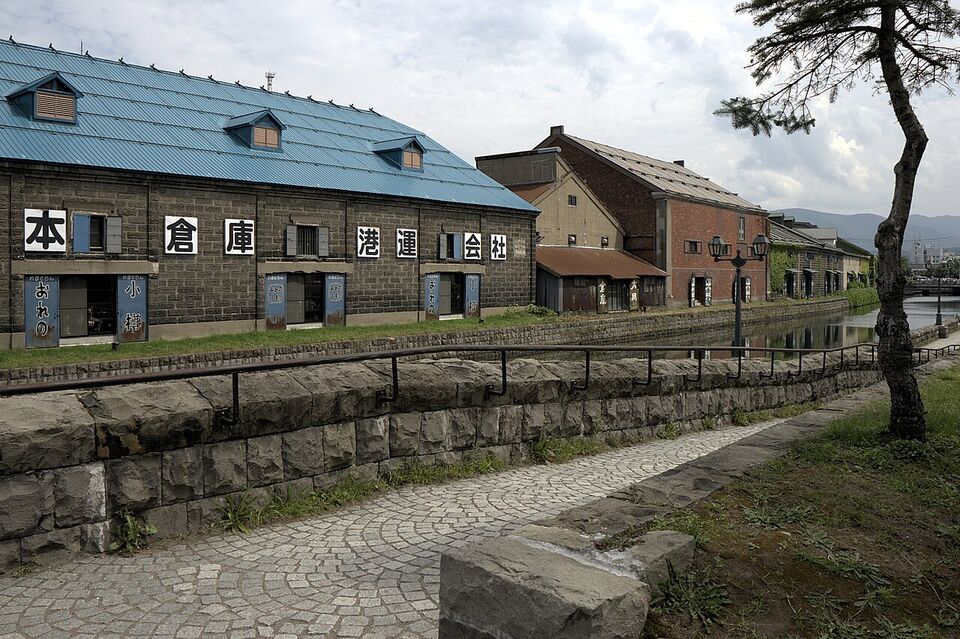
Otaru is a harbor town about 30 minutes from Sapporo by rapid train. Its stone warehouses and canal, once a busy trading port, are now cafes, glass shops and music box stores. The canal is free to walk and best at twilight, when the gas lamps come on; most shops close by 6 p.m. Sakaimachi Street gets crowded on summer weekend afternoons, so go on a weekday or before 10 a.m.
Otaru is also a sushi town, and the "sushi street" has counters where a set of local fish costs ¥3,000 to ¥6,000 (about $19 to $38). The Tanaka sake distillery gives free tours and tastings. Winter brings the Otaru Snow Light Path festival in February, when candles line the canal. Allow half a day, or stay one night to see the canal quiet.
Niseko and the ski resorts
Niseko is the best-known powder resort in Asia, a cluster of four connected resorts on the slopes of a volcano. It takes about 2 hours 30 minutes to 3 hours by direct bus from New Chitose Airport or Sapporo. The season runs from about early December to early May. Many visitors are Australian and American, English is common, and prices are high.
Niseko is also changing. Niseko United's 2026-27 adult lift ticket for one day ranges from ¥8,800 to ¥13,500 (about $56 to $86) depending on the date, with no separate resident and visitor price, according to the resort's official price table. Lodging taxes are rising too: Kutchan, the town that includes much of Niseko, was reported to move to 3 percent of the room rate from April 2026, Niseko Town was reported to follow with a flat 3 percent, and Akaigawa Village was reported to charge ¥200 or ¥500 a night depending on the rate. Dates and rates differ by town, so ask your hotel what it will add at check-in.
There are quieter alternatives to Niseko: Rusutsu, Kiroro and Sapporo Teine are close to the city. Our skiing guide compares them. In summer, Niseko has rafting, hiking and cooler weather.
Furano, Biei and the flower country
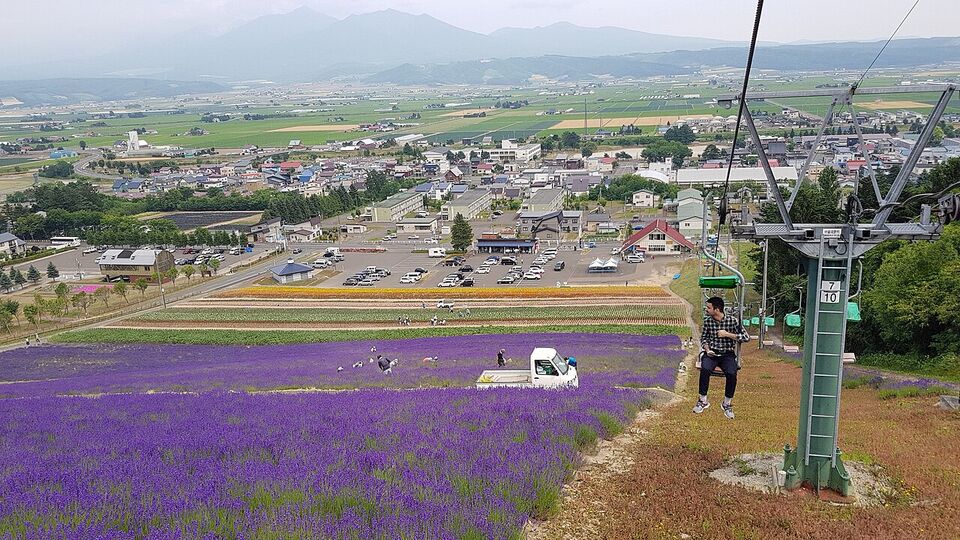
The Furano and Biei area, in central Hokkaido, is the island's photogenic farmland. Rolling hills, patchwork fields and flower farms fill the summer calendar. Lavender around Furano peaks in mid-July, and Farm Tomita is the best known farm. Most flower fields are free to walk and open about 9 a.m. to 5 p.m., though some charge for tractor rides or parking. Arrive before 8:30 a.m. to beat the tour buses. In Biei, the Blue Pond is free and open all year; its color is most intense on sunny summer days, and the parking lot fills early.
The area is hard without a car. Trains run, and a seasonal sightseeing train serves Furano in summer, but buses are infrequent. Many visitors take a day tour from Sapporo or Asahikawa. It is possible to base in Furano for the ski season, too, which is quieter than Niseko.
Asahiyama Zoo
Asahiyama Zoo in Asahikawa is one of Japan's most-loved zoos, known for observation tunnels where penguins, polar bears and seals swim over and around visitors, and for the winter penguin walk. Asahikawa is about 1 hour 25 minutes from Sapporo by limited express. Adult admission has been about ¥1,000 to ¥1,200 (about $6 to $8), and opening hours change by season, with shorter winter hours and closed periods in spring and late autumn. Check the zoo's calendar before you plan around it.
Shiretoko and eastern Hokkaido
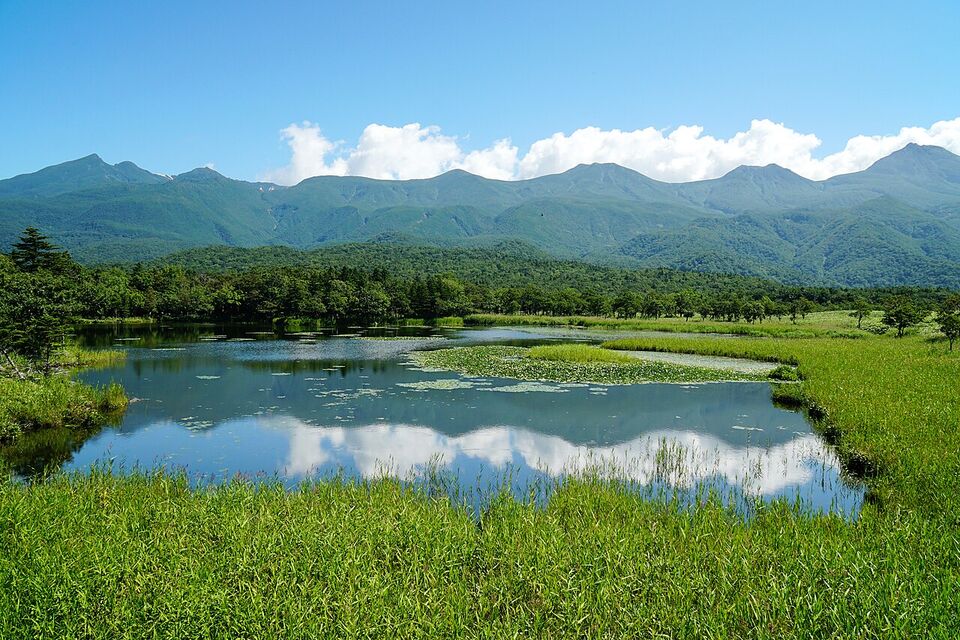
Shiretoko is a UNESCO World Heritage peninsula on the northeastern tip of the island, with one of the densest brown bear populations in the world. It is remote. The nearest big airport is Memanbetsu (near Abashiri), about 2 hours by road, and buses are slow and infrequent, so most visitors rent a car or join a tour. Allow two nights at least.
The classic activities are a nature cruise from Utoro or Rausu to spot brown bears on the shore (late April through October, roughly ¥6,000 to ¥11,000, or about $40 to $70, per person; check current prices), walks around the Shiretoko Five Lakes, and the hot waterfall at Kamuiwakka. Rules at the Five Lakes change by season: in the bear-active months you may need to join a guided walk or take a short briefing, and the elevated wooden walkway is a safer, shorter option. These rules and fees have changed in recent years, so check with the Shiretoko Nature Foundation or visitor center before you go. Roads over the peninsula close in winter, and the area shifts to drift-ice walks and snowshoe tours.
Watch out
A brown bear attack was reported on Mount Rausu on August 14, 2025, and Hokkaido issued bear warnings in five regions that month. Do not walk alone at dawn or dusk in Shiretoko, never approach cubs, and go with a guide in the parts of the park the Foundation recommends. See the bear section below.
Further south, eastern Hokkaido has Akan-Mashu National Park, Lake Kussharo, and the Kushiro Marsh, with red-crowned cranes in winter. The Okhotsk coast near Abashiri is the base for drift-ice cruises. Car-free travel is hard in this region.
Daisetsuzan and the central mountains
Daisetsuzan National Park is Japan's largest national park, a plateau of volcanoes and alpine meadows in the center of the island. Asahidake (7,516 ft, 2,291 m) is the highest peak in Hokkaido and is reached by ropeway from the base at Asahidake Onsen, about an hour from Asahikawa. Autumn colors here come early, from mid-September, and the first snow can arrive in October. Sounkyo Gorge and its onsen village are the northern gateway.
The easy way to experience the park is a ropeway and a short loop of about an hour past steaming vents and ponds. Longer trails are serious hiking: weather changes quickly, and bears live here. Go with a guide for traverses, carry bear spray and a bell, and check trail conditions at the visitor center. Hiking season is roughly July to September for high trails, and many lodges close in winter. See our outdoors page for hiking basics.
Hakodate and the south
Hakodate sits at the bottom of the island, about 4 hours from Tokyo by Shinkansen and Hakodate Liner, and is a natural first stop if you take the train north. Its draws are the night view from Mount Hakodate (reached by ropeway), the morning market for squid and sea urchin, the old Motomachi district of churches and western houses, and Goryokaku, a star-shaped fort with more than 1,600 cherry trees that bloom in late April. The fort grounds are free, and the observation tower costs roughly ¥1,000 to ¥1,500 (about $6 to $10). Yunokawa hot spring is a short tram ride away.
Hakodate and Otaru have been among the Hokkaido cities planning their own lodging taxes, and we could not confirm start dates, so ask your hotel what will be added. If you are traveling from Tohoku, see our Tohoku guide for the stop on the way.
Food: seafood and what to order
Hokkaido is Japan's seafood and dairy basket. The best-known seasonal items are sea urchin (uni) in summer, salmon roe (ikura) in autumn, and crab (kani) in winter. Scallops, squid and salmon are common all year. Sapporo is known for miso ramen, Hakodate for salt ramen, and Asahikawa for soy ramen. A seafood rice bowl (kaisendon) at a market costs ¥2,500 to ¥5,000 (about $16 to $32) depending on the topping, and uni and crab raise the price. Fresh milk soft-serve ice cream is everywhere.
Good places to eat the catch are the Nijo market in Sapporo, the Hakodate Morning Market, and Kushiro's Washo market in the east. The main mistake is buying crab at a tourist shop without asking the price per leg or per kilo, so ask first. For more on dishes and ordering, see our food guide. Hokkaido is also known for hot springs; our onsen guide explains the rules.
Driving in Hokkaido, especially in winter
Hokkaido is the one place in Japan where driving is the default for many visitors. You need a valid US license and an International Driving Permit issued under the 1949 Geneva Convention (from AAA in the US), and you must drive on the left. Rental companies check the permit. See our driving guide for the full rules.
Summer driving is easy and enjoyable on empty roads, with long days: the sun rises before 4 a.m. in June. Deer and foxes cross rural roads, so be careful at dusk. Gas stations can be far apart in the north and east, so fill up when you can. For expressways, the Hokkaido Expressway Pass offers unlimited use for 4 to 8 days from ¥7,700 to ¥15,400 (about $49 to $98) for a standard car, available to foreign visitors with a license and IDP; the price excludes the car and ETC card.
Winter driving
Winter is a different matter. Roads can be covered with packed snow and black ice, whiteouts can come with little warning, and sunset in December is around 4 p.m. Rental cars come with winter tires in the cold months, and 4WD is an extra cost. If you have never driven on snow, do not make your first time a Hokkaido mountain road after a 12-hour flight. Allow double the normal time, avoid driving at night, and check road closures. Many visitors in Sapporo, Otaru and Niseko use buses, trains and taxis instead.
Insider tip
Book winter rentals early, because the Snow Festival, New Year and Niseko weeks sell out. If you can, pick up the car away from the airport on the first day so you are not driving after jet lag, and keep an ice scraper and a full tank handy.
Bears in Hokkaido: the 2025-2026 situation
Japan had a record year for bear encounters in fiscal 2025, with more than 50,000 sightings nationwide, the most since 2009, and a record number of fatal attacks, mostly in Honshu. April to June 2026 was running even higher than 2025. Hokkaido has the brown bear (higuma), the larger of Japan's two species, and the island saw more sightings and some bears in towns, including Sapporo's Nishi ward and Fukushima Town, which received prefectural warnings in fiscal 2025.
As of early July 2026, Hokkaido's prefectural page showed no warnings in effect, though local warnings had been issued for areas such as Tomakomai and Shinhidaka earlier in the season. This changes weekly. The prefecture publishes warnings, advisories and special-caution periods, and has a LINE account for alerts.
Practical rules: hike in daylight and in groups, make noise, carry bear spray and a bell on remote trails (do not rely on a bell alone), never leave food or garbage, and follow trail closures. Do not go alone to Shiretoko, Daisetsuzan or the Hokkaido Nature Trail in dawn or dusk hours. Guided walks are a good option because guides know the day's conditions. In an emergency, call 110 for police and 119 for ambulance, and see our safety guide for national contacts.
Sample routes
- 5 days
City and canal
Fly into New Chitose, two nights in Sapporo, one night in Otaru, a day trip to Noboribetsu or Lake Toya for a hot spring, and a flight out. Works in any season.
- 7-8 days
Summer flowers and zoo
Sapporo, then Furano and Biei by rental car for two nights, a day at Asahiyama Zoo, and a stop at Asahidake. Book July hotels well ahead.
- 7 days
Winter powder
Fly in, three nights in Niseko, two in Sapporo for the Snow Festival (February 4-11, 2027), one night in Otaru.
- 10 days
By train from Tokyo
Shinkansen to Hakodate, two nights, onward by limited express to Sapporo, and fly home from New Chitose. Combine with Tohoku using a regional pass.
Add it to a route in the trip builder, or ask us to plan the hotels, trains and guides for you.